

Clinically reviewed by Dr. Ponlawat Pitsuwan, Physician, Doctor Bangkok. Last reviewed: July 2026
Nipah virus and the flu share the same early symptoms: fever, headache, and fatigue. The difference is speed. Flu peaks in a few days and improves. Nipah can go from fever to confusion and coma within 24 to 48 hours once it reaches the brain. If you have been to India, Bangladesh, or rural Southeast Asia recently and your flu is not following a normal course, get assessed today.
You came back from a trip, felt rough a few days later, and assumed it was the flu. Most of the time, you would be right. But if you have been travelling through South Asia or rural parts of Southeast Asia, a small set of symptoms should make you take it more seriously. Nipah virus is rare. It is also on the WHO list of priority pathogens because when it does spread, it moves fast and it can be severe.
Most people with a fever and body aches after travel have influenza, a gut infection, or dengue. But the reason Nipah matters, even when your personal risk is low, is that the window to act is narrow. Knowing what to look for, and what to tell your doctor, could make a real difference.

What Nipah Virus Actually Is
Nipah lives naturally in Pteropus fruit bats and reaches humans through direct bat contact, eating contaminated fruit, or close exposure to an infected person or animal. It does not spread easily between people in most settings, but transmission in households and healthcare settings has occurred.
The WHO classifies Nipah as a priority pathogen. There is no licensed vaccine yet, though trials are underway. The fact that it requires the highest level of laboratory biosafety tells you how seriously the scientific community takes it.
How Nipah Spreads and Why Southeast Asia Is Watching
Most outbreaks have occurred in Bangladesh, India, and Malaysia. The link is almost always environmental: raw date palm sap contaminated by bat secretions, fruit partially eaten by bats, or direct contact with infected animals. Casual contact in a city does not transmit it.
Thailand has not confirmed a human Nipah case. Research has, however, detected both Malaysian and Bangladeshi strains of the virus in Thai fruit bats. Central Thailand appears in peer-reviewed studies as a potential zone for animal-to-human spillover. In January 2026, Thailand activated formal airport screening in response to the West Bengal outbreak in India. The Department of Disease Control is watching this closely.

Nipah vs Flu: The Symptoms Side by Side
This is where it gets confusing, because early on, they look the same.
| Feature | Influenza | Nipah Virus |
|---|---|---|
| Fever | Yes, sudden onset | Yes, sudden onset |
| Headache | Common | Common, often severe |
| Fatigue and body aches | Yes | Yes |
| Cough | Common | Less common |
| Sore throat | Common | Less common |
| Nausea or vomiting | Sometimes | Yes |
| Confusion or altered consciousness | Rare, only if very severe | A key feature, can appear early |
| Seizures | Very rare | Occurs in encephalitis cases |
| Respiratory distress | Can be severe | Yes, in some cases |
| Disease course | Peaks days 3 to 5, then improves | Can deteriorate rapidly within 24 to 48 hours |
| Incubation period | 1 to 4 days | 4 to 14 days |
The incubation period matters more than most people realise. Flu hits within a couple of days of exposure. Nipah can take up to two weeks to show up. If you had a potential exposure on a trip and you fall ill a week or ten days later, that timeline is worth mentioning to your doctor.
Red Flag Symptoms That Set Nipah Apart
Flu makes you feel terrible. Nipah makes you deteriorate. That is the real distinction.
With flu, you feel awful for a few days and then slowly turn a corner. With Nipah, brain inflammation can come on quickly. Patients have gone from headache and fever to confusion and seizures within one to two days. Some have become unresponsive within 48 hours of neurological symptoms starting.
The red flags are confusion or disorientation, difficulty staying awake, unusual behaviour, seizures, or a stiff neck. Any one of these, in the context of recent travel to an affected region, is a reason to act immediately.
Nipah Risk in Bangkok and Thailand: What Expats Should Know
For most expats and tourists in Bangkok, the daily risk of Nipah exposure is extremely low. The virus does not circulate in Thai cities. You are not going to pick it up on the BTS or in a shopping mall.
Risk is tied to specific exposures: visiting rural areas with large fruit bat colonies, eating raw fruit with possible bat contact, or travelling to active outbreak zones in parts of India or Bangladesh. If your Bangkok life does not involve any of those, Nipah is not something you need to worry about on a normal day.
Thailand’s airport screening is not theatre. It reflects a real surveillance gap that authorities are actively managing. If you have returned from a high-risk area and you feel unwell, mentioning that travel history to your doctor is not an overreaction. It is exactly the right thing to do. At Doctor Bangkok, physicians take a full travel and exposure history as standard during any fever or post-travel assessment. That context shapes everything about how your care is approached.
How Nipah Is Diagnosed and Why Your Travel History Matters
There is no quick clinic test for Nipah the way there is for flu or COVID. Confirming it requires specialist laboratory testing using blood, urine, or in severe cases, spinal fluid. That testing is not available at a standard private clinic.
What is available immediately is a proper clinical assessment. Your travel history, what you ate, whether you visited rural areas, whether you had animal contact, and how your symptoms have developed: that information is the first and most important diagnostic tool. It is what helps a physician decide whether you need routine management or urgent referral to a hospital.
If you walk into a clinic and say "I have a fever," that is one consultation. If you say "I have a fever and I was in rural West Bengal ten days ago visiting a farm," that is a completely different one. Do not underestimate how much that conversation matters.
Treatment: What Medicine Can and Cannot Do
For flu, antiviral treatment, rest, fluids, and fever management work well. Most healthy adults recover fully. Starting treatment early shortens how long you feel ill.
For Nipah, there is no licensed treatment. Care focuses on managing fever, breathing, and seizures while the body responds. A monoclonal antibody called m102.4 has shown promise in early studies and has been used in some outbreak responses, but it is not widely available. An mRNA vaccine candidate completed a Phase 1 trial in 2024, but no approved vaccine exists yet.
For Nipah, early identification means getting to a facility that can support you through a potentially serious illness. The action is different from flu, but the principle is the same: do not wait.
When to Seek Medical Attention in Bangkok
If your symptoms are fever, cough, body aches, and fatigue with no neurological involvement, and no obvious high-risk exposure, a clinic assessment covers you. You can find out more about what that covers on the travel health page at Doctor Bangkok.
If you have confusion, drowsiness, seizures, a stiff neck, or difficulty breathing, especially with recent travel to South Asia or rural Southeast Asia, go to a hospital emergency department. Do not drive yourself.
For everything in between, a travel health consultation is the right first step. Our physicians take a structured exposure history, assess your clinical picture, arrange relevant blood tests, and refer you if anything needs more than clinic-level care.
Returned from travel and feeling unwell? Fever that is not following the usual pattern? Come in and let us work through it properly. Doctor Bangkok offers same-day fever and travel health assessments in central Bangkok, with English-speaking physicians and BTS access. We take a full travel and exposure history as standard, so nothing gets missed. Book at doctorbangkok.co.th or walk in. If you have neurological symptoms, confusion, or severe breathing difficulty, go directly to a hospital emergency department.
Frequently Asked Questions
Can I catch Nipah virus in Bangkok or Thailand?
No human Nipah cases have been confirmed in Thailand. Both Malaysian and Bangladeshi strains have been found in Thai fruit bats, and central Thailand is considered to have potential spillover risk. For most Bangkok expats and tourists, the practical risk is extremely low and is linked to specific rural exposures, not city life. Thailand activated airport Nipah screening in January 2026 as a precaution following outbreaks in India.
How quickly does Nipah virus get worse compared to the flu?
Flu typically peaks at days three to five and then gradually improves. Nipah, after an incubation period of four to fourteen days, can progress from fever and headache to confusion and seizures within 24 to 48 hours once brain inflammation begins. That rapid deterioration is the key warning sign and the main reason early assessment matters if there has been any high-risk exposure.
Is there a test for Nipah virus and can I get one in Bangkok?
Nipah diagnosis requires specialist laboratory testing that is not available at a routine private clinic. The most important first step is a clinical assessment including a full travel and exposure history, which can be done at Doctor Bangkok straight away. If that assessment raises concern, we coordinate referral to the appropriate facility for specialist testing.
What should I tell my doctor if I think it might not be the flu?
Tell your doctor three things: where you have travelled recently, particularly India, Bangladesh, or rural areas with bat populations; whether you ate raw fruit or date palm sap there; and whether you had close contact with animals or a seriously ill person. That information turns a routine fever visit into a properly risk-assessed one. The more you can share upfront, the better.
Should I go to a clinic or a hospital if I have severe flu-like symptoms in Bangkok?
For fever, fatigue, and body aches without neurological symptoms, a private clinic is the right first stop: faster, English-speaking, and equipped to assess and test you promptly. If you have confusion, seizures, altered consciousness, or severe breathing difficulty, go directly to a hospital emergency department. These symptoms need inpatient monitoring that a clinic cannot provide.
Can the flu become dangerous on its own, without Nipah being involved?
Yes. Severe influenza can cause pneumonia and respiratory failure, particularly in vulnerable patients. The aim of this comparison is not to dismiss flu as harmless but to help you recognise when something is following an unexpected course. Any flu that is getting worse after five to seven days, or that includes breathing difficulty or confusion, warrants medical review regardless of your travel history.
Dr. Ponlawat Pitsuwan
Physician, Doctor Bangkok
a private medical clinic in central Bangkok. He sees expats, residents, and medical tourists for fever assessment, post-travel illness, infectious disease concerns, and general medical care. His focus is straightforward, evidence-based care delivered in plain language.
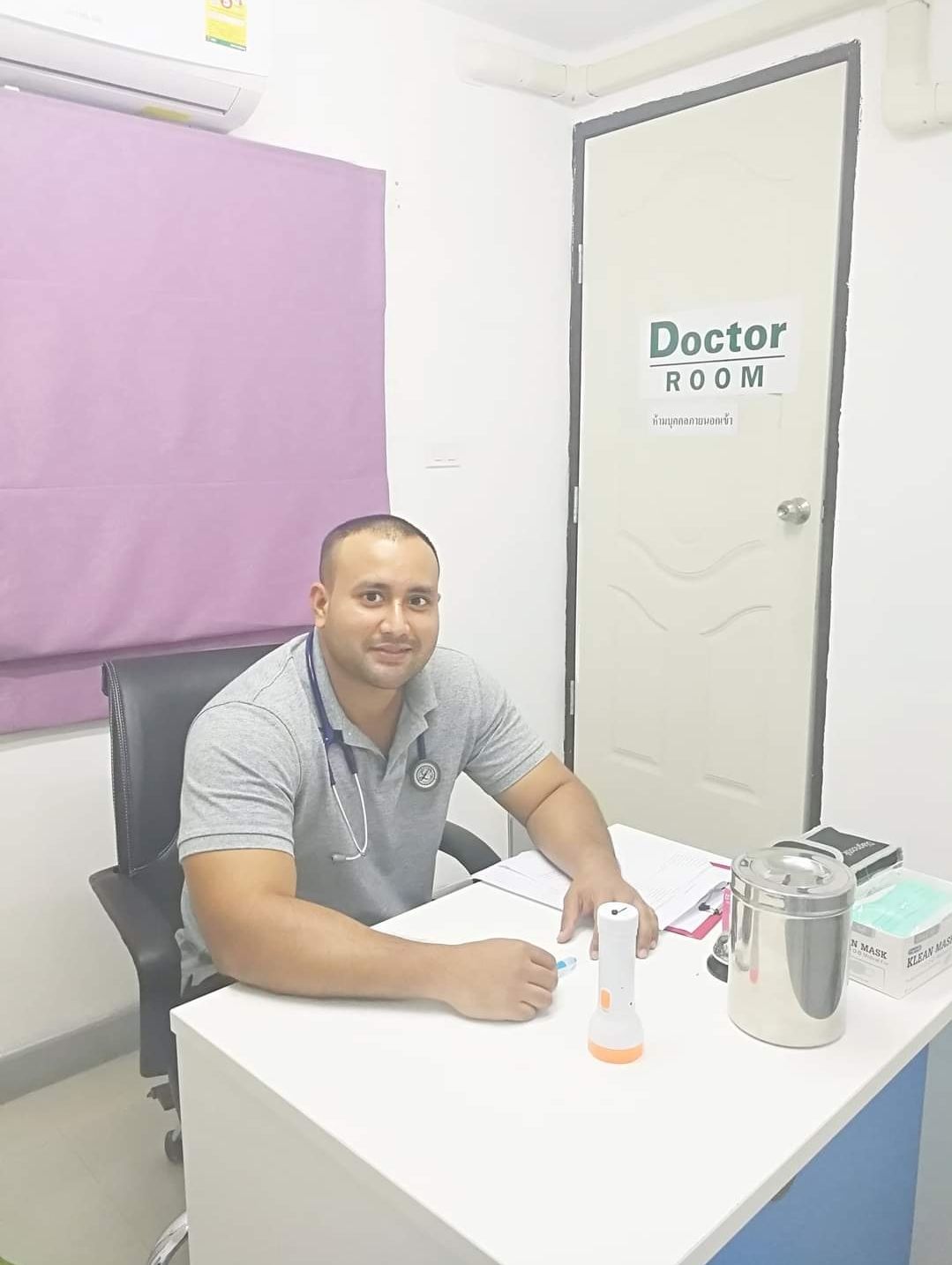
Dr. Ponlawat Pitsuwan is a physician at Doctor Bangkok, a private clinic in central Bangkok. He sees expats, residents, and medical tourists for general medicine, wellness consultations, and IV therapy. His focus is straightforward, evidence-based care delivered in plain language.