
Clinically reviewed by Dr. Ponlawat Pitsuwan, Physician, Doctor Bangkok.
Last reviewed: July 2026
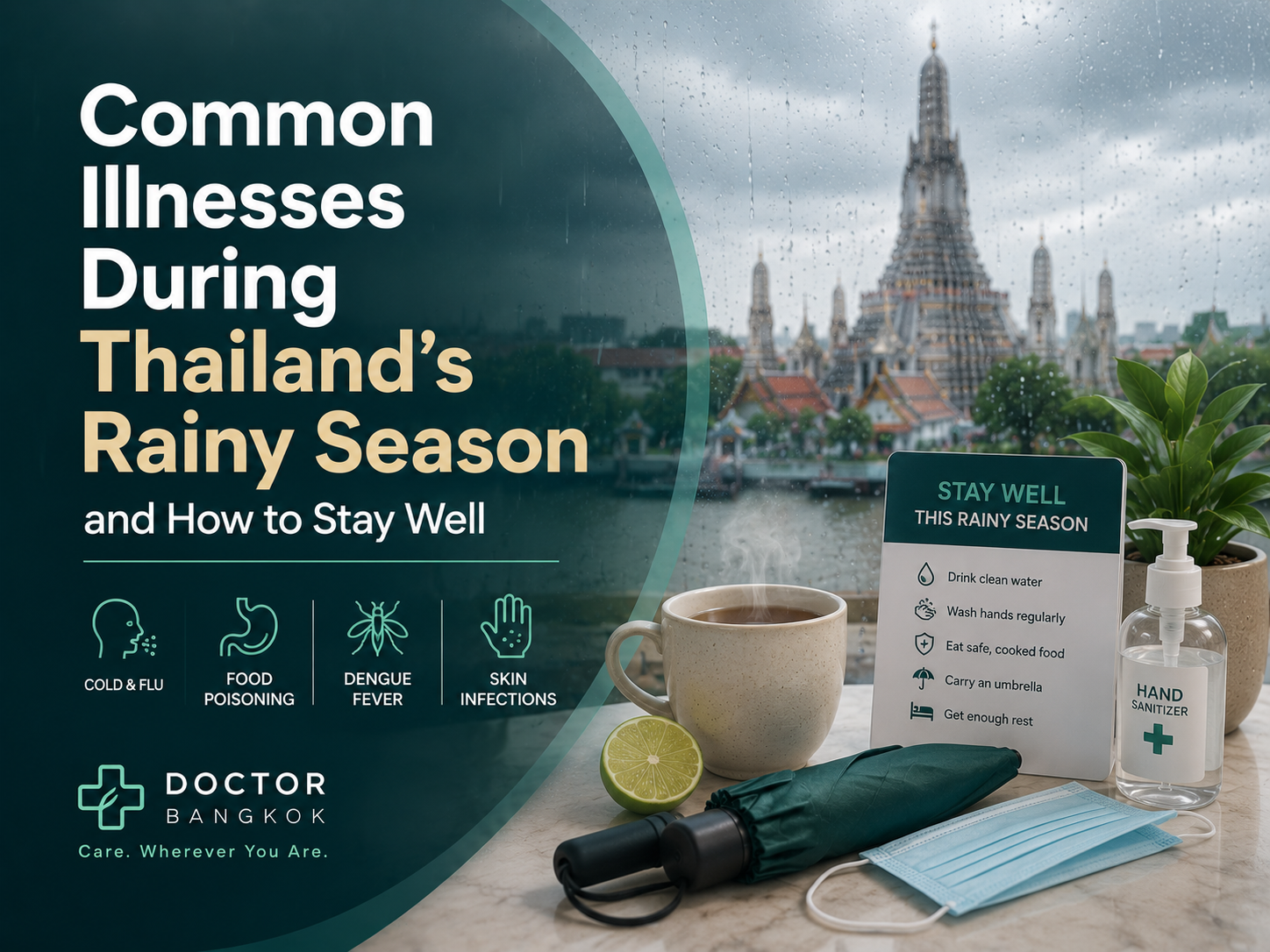
Bangkok’s rainy season runs from May through October. Dengue fever is the biggest risk, with cases peaking between July and October. If you develop a fever during this period, take paracetamol only, not ibuprofen or aspirin, and get a blood test within 48 hours. Most rainy season illnesses are treatable when caught early.
You are probably reading this because something feels off. Maybe you have had a fever for two days and are not sure whether to wait it out or find a doctor. Maybe you walked through a flooded street this morning and now you are searching for answers. That is exactly what I want to address. Bangkok’s rainy season brings a specific set of health risks that are genuinely different from what most expats and visitors are used to back home, and knowing which ones matter can save you a lot of time and worry.
Most people who get sick during the wet season in Bangkok have something manageable. But a few illnesses circulating during these months can turn serious fast if you miss the early signs. Dengue is the one I worry about most. Leptospirosis is the one most people have never heard of but probably should have. Food poisoning also spikes every year once the heat and humidity set in. I will walk you through each one, tell you what to watch for, and be straight with you about when you need a doctor versus when rest and fluids will do.

Why Bangkok’s Rainy Season Is Clinically Different
This is not just about rain. Bangkok’s wet season means temperatures above 30 degrees, humidity often above 80 percent, and standing water collecting everywhere: in drains, flower pots, air conditioning drip trays, and flooded side streets. That combination affects your health in a few direct ways.
You lose fluid much faster than you realise. In this heat and humidity, mild dehydration can creep up without you feeling particularly thirsty, and that alone makes fevers more dangerous and recovery slower. Aedes mosquitoes, the ones that carry dengue, breed in small amounts of standing water and bite during the day, not at night. An air-conditioned room offers no protection if mosquitoes got in before you shut the door. Flooding also mixes sewage, animal waste, and rainwater in ways that would not happen in a temperate city. Walking through a flooded Bangkok street is a different kind of exposure from getting caught in a summer shower somewhere else.
Dengue Fever — The Risk You Need to Take Seriously
I see dengue cases every rainy season without fail. It is the illness I think about first when a patient comes in with a sudden high fever, a headache behind the eyes, and body aches severe enough to make them wince. That combination, appearing rapidly over one to two days, is a red flag in Bangkok between July and October.
The part most patients do not know is that the dangerous window is not when the fever is highest. It is when the fever starts to break, usually around days three to seven. That is when some dengue cases shift into a more serious form. Patients sometimes feel briefly better and stop worrying. That is exactly the wrong time to relax.
What to Do If You Think It Might Be Dengue
Get tested. Do not wait. A dengue NS1 antigen blood test can confirm dengue quickly and guide what happens next. At Doctor Bangkok, we can run this test the same day.
One rule that is not optional: take paracetamol for fever, not ibuprofen, not aspirin, and not any anti-inflammatory painkiller. Dengue affects your blood’s ability to clot, and ibuprofen and aspirin make that worse. I have seen patients arrive in real trouble after reaching for whatever was in their travel bag. If there is any chance your fever could be dengue, paracetamol is the only safe choice until you have a diagnosis.

Leptospirosis — The Flooding Risk Most Expats Have Never Heard Of
If you have waded through Bangkok floodwater this season, read this section carefully. Leptospirosis is a bacterial infection spread through water or soil contaminated by the urine of infected animals, mainly rats. Bangkok’s flooding pushes that contamination into the street water you walk through, especially where open drains run beneath the surface.
You usually feel sick anywhere from two days to four weeks after exposure. The first symptoms look a lot like flu: high fever, severe muscle pain especially in the calves, headache, and sometimes red eyes. It responds well to antibiotics when treated early. If you have been through floodwater recently, especially with any cuts or abrasions on your legs or feet, tell your doctor. We can assess the risk and act before things escalate.
Food Poisoning and Traveller’s Diarrhoea
Street food risk goes up during the rainy season. Higher temperatures and humidity mean food spoils faster, and conditions at wet markets change once flooding starts. I am not saying avoid street food entirely. I am saying be more selective than usual. Freshly cooked, hot food served immediately is generally fine. Food that has been sitting out in warm, humid air for hours is a different matter.
Traveller’s diarrhoea usually clears on its own within a few days with rest and fluids. What sends people to the clinic is dehydration, not the diarrhoea itself. Oral rehydration salts are your first line. If you cannot keep fluids down, have blood in your stool, a fever above 38.5 degrees, or symptoms lasting more than 48 hours, you need to be seen. IV rehydration can get you back on your feet in a few hours when oral fluids are not cutting it.
Less Obvious Rainy Season Illnesses in Bangkok
Influenza spikes during the wet season in Thailand. If you have not had your flu shot this year, now is a sensible time to get one. Hand-foot-and-mouth disease also circulates during this period, mainly in children but occasionally in adults. It causes mouth ulcers, a rash on the hands and feet, and fever. There is no antibiotic for it, but confirming the diagnosis and managing symptoms properly still matters.
Conjunctivitis spreads more easily in wet conditions. Red, sticky, uncomfortable eyes warrant a quick assessment. Fungal skin infections are another wet season reality. Persistent moisture on the skin, especially between the toes or in warm skin folds, creates ideal conditions for fungal growth. This is straightforward to treat once properly identified.
Vaccinations Worth Considering Before or During Rainy Season
If you have not reviewed your vaccines before Bangkok’s wet months, now is a good time. Influenza is the one I recommend most consistently. Hepatitis A and typhoid are relevant for anyone eating local food regularly, which in Bangkok means most people most of the time.
The dengue vaccine Qdenga is available and worth discussing if you are a long-term resident. It is generally recommended for people with confirmed prior dengue infection, so eligibility depends on your history. Japanese encephalitis is lower priority for city-based visitors but worth raising if you are spending time in rural areas. All of these vaccines are available at Doctor Bangkok on Sukhumvit Soi 13, with walk-in travel health consultations available.
When You Are Already Sick in Bangkok — Your Practical Options
Here is something nobody tells you before you travel: getting to a clinic during Bangkok’s rainy season is harder than it sounds. Flooded roads, no available taxis, and a fever that makes you feel awful is a combination I hear about regularly. Most patients who delay care do so not because they were unconcerned, but because getting out felt impossible.
If you are staying in a hotel or serviced apartment and feeling unwell, a hotel doctor visit is often the most practical first step. A physician comes to you. You get a clinical assessment, a diagnosis where possible, a prescription if needed, and a clear plan, without navigating floodwater or sitting in an emergency waiting room. IV fluids can be set up at your location too if needed. For anything requiring lab work or imaging, we will direct you from there. You can find out more about the full range of health risks during Thailand’s rainy season and the services available on our travel health page.
When to Seek Urgent Help
Most rainy season illnesses do not require an emergency room. But some do. Seek urgent help if you have a fever above 39 degrees lasting more than 48 hours, you cannot keep any fluids down, you notice unusual bruising or bleeding from the gums or nose, you feel faint when you stand up, you have severe abdominal pain, or your urine has become very dark or stopped. These signs need clinical assessment now, not tomorrow.
Feeling unwell in Bangkok during the rainy season? Doctor Bangkok’s English-speaking physicians are available for clinic visits and hotel consultations. We offer dengue blood tests, IV rehydration, fever assessment, travel vaccinations, and same-day appointments. Located on Sukhumvit Soi 13, BTS accessible, with home and hotel visits available. Visit doctorbangkok.co.th or contact us directly to book.
FAQ
What is the most dangerous illness during Thailand’s rainy season?
Dengue fever is the one I am most concerned about in Bangkok, particularly between July and October when cases peak. It can progress to a serious form if not caught early, and self-treating with ibuprofen or aspirin raises the risk of complications significantly. Early testing and correct management make a real difference to how the illness plays out.
Can I get leptospirosis just from walking through Bangkok floods?
Yes, that is a real exposure route. Bangkok floodwater often covers open drains contaminated with animal urine and sewage, and the bacteria can enter through skin, especially through cuts or abrasions. If you have waded through floodwater and develop fever, muscle pain, or red eyes within the following month, see a doctor and mention the exposure specifically.
Should I take ibuprofen or paracetamol for a fever in Bangkok?
Paracetamol only, until dengue has been ruled out. Ibuprofen and aspirin affect blood clotting and can worsen dengue complications. Dengue looks like flu in its early stages and you cannot tell the difference without a test, so it is not worth the risk.
Do I need to go to hospital if I get sick during Bangkok’s rainy season?
Not always. Many rainy season illnesses can be assessed and managed without a full hospital visit. A clinic consultation or hotel doctor visit is often enough to get a diagnosis, a prescription, and a clear plan. Hospital is the right call if you have the warning signs listed above, particularly a high or prolonged fever, any bleeding, or inability to keep fluids down.
Which vaccines should I get before Bangkok’s rainy season?
Influenza is the most practical, followed by hepatitis A and typhoid if you eat local food regularly. Japanese encephalitis is worth discussing if you plan time outside the city. Qdenga, the dengue vaccine, is available for eligible long-term residents. All of these are available at Doctor Bangkok, and walk-in appointments are welcome.
Is it safe to visit Bangkok during the rainy season?
Yes. Millions of people visit and live in Bangkok through the wet season every year without serious illness. The risks are real but manageable: use mosquito repellent during the day, take paracetamol not ibuprofen for fevers, avoid walking through floodwater where possible, and know where to get help if you feel unwell. Having access to a good English-speaking doctor helps enormously.
Dr. Ponlawat Pitsuwan
Physician, Doctor Bangkok
a private medical clinic in central Bangkok. He sees expats, residents, and medical tourists for fever assessment, dengue testing, travel vaccinations, general illness, and urgent care. His focus is straightforward, evidence-based care delivered in plain language.
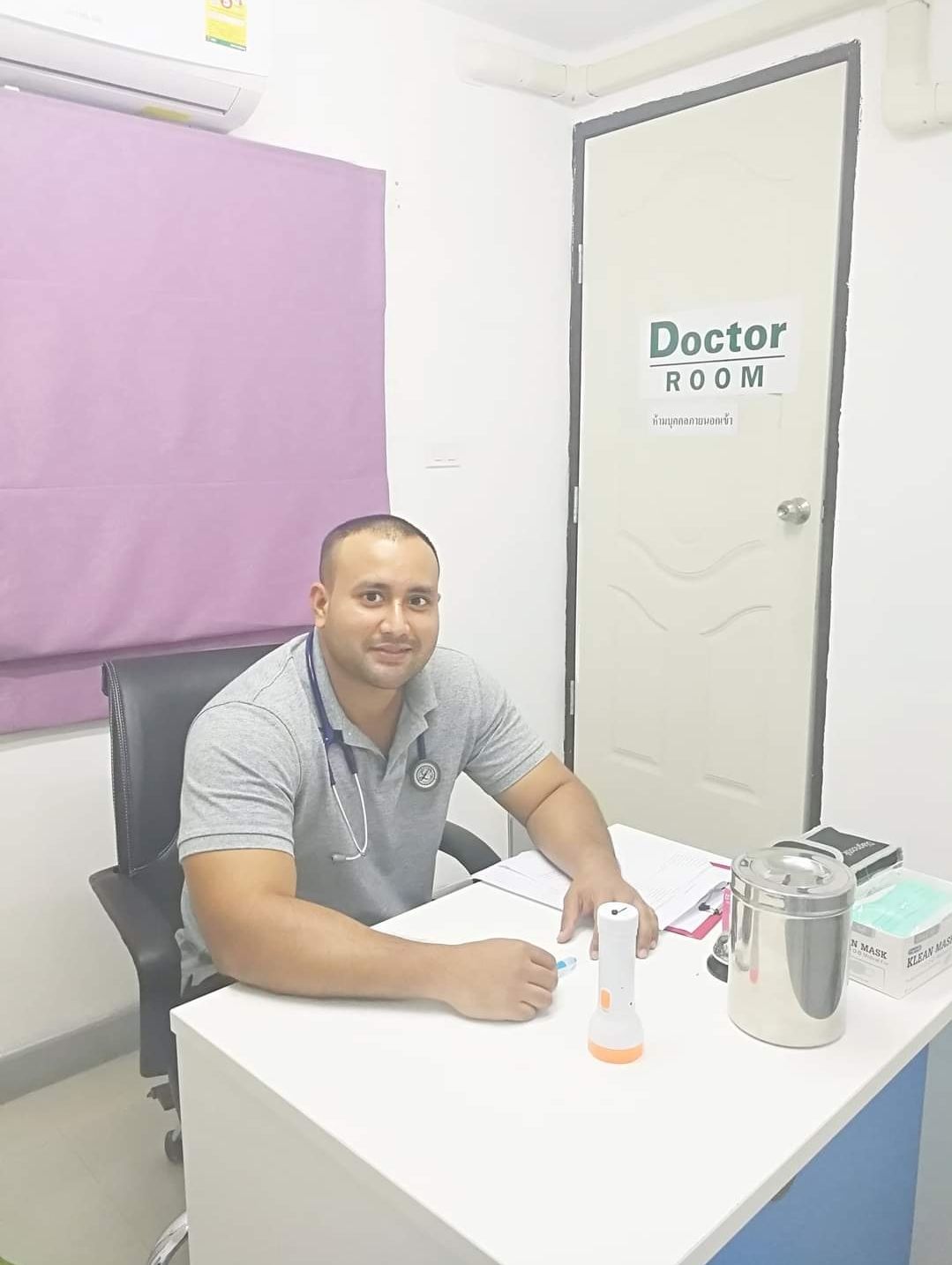
Dr. Ponlawat Pitsuwan is a physician at Doctor Bangkok, a private clinic in central Bangkok. He sees expats, residents, and medical tourists for general medicine, wellness consultations, and IV therapy. His focus is straightforward, evidence-based care delivered in plain language.