

Clinically reviewed by Dr. Ponlawat Pitsuwan, Physician, Doctor Bangkok. Last reviewed: July 2026
Yes, you can. With modern HIV treatment, most people reach an undetectable viral load and live a life expectancy close to someone without HIV. HIV is now a manageable chronic condition. The key is starting treatment, staying on it, and getting regular monitoring.
If you have just been diagnosed, or you are waiting on a test result right now, this is probably the question sitting at the front of your mind. Not the biology. Not the statistics. Just: is my life over? The honest answer is no. HIV in 2025 is not the disease it was in the 1980s. People on treatment work, travel, have relationships, have children, and grow old. What matters is getting onto treatment, staying on it, and keeping up with monitoring over time. This article explains what that looks like in plain terms, including how to manage it practically as an expat or visitor in Bangkok.

How HIV Treatment Works Today
Modern HIV treatment is simpler than most people expect. Many patients take a single tablet once a day. When the virus cannot replicate, it cannot damage your immune system. Most people starting treatment today reach an undetectable viral load within three to six months.
Your viral load is the amount of HIV in your blood. When it drops low enough that a standard blood test cannot find it, that is undetectable. For most people on a consistent regimen, getting there is achievable. Side effects exist, but they are much milder than they used to be. Some people notice nothing. Others have mild nausea or fatigue in the first few weeks, which usually settles. Missing doses regularly is what causes problems, so consistency matters more than anything else.
What Undetectable Means — and Why It Changes Everything
When your viral load is undetectable and stays that way, you cannot sexually transmit HIV to a partner. This is called U=U, which stands for Undetectable equals Untransmittable. Large clinical trials confirmed this across thousands of couples where one partner had HIV and one did not. Zero transmissions occurred when the HIV-positive partner maintained a sustained undetectable viral load.
This changes relationships, changes decisions, and changes how you think about your future. It is also why starting treatment quickly matters so much. The sooner you are undetectable, the sooner this protection applies. Your immune system, measured by your CD4 count, also stabilises and often recovers significantly once your viral load is controlled.

Long-Term Health: What to Monitor Beyond HIV
HIV itself, when well controlled, is not usually what causes health problems in people on treatment. What requires attention over time is your overall health. People with HIV can have a higher risk of cardiovascular disease, kidney changes, and bone density loss. Regular monitoring is the practical response.
At Doctor Bangkok, check-ups for patients on HIV treatment typically include viral load and CD4 count, kidney and liver function, cholesterol, blood sugar, and blood pressure. Your doctor should be looking at the whole picture, not just your HIV numbers. Treat it the same way you would treat any long-term condition: show up for your check-ups and do not wait until something feels wrong.
Newly Diagnosed in Bangkok — Your First Steps
Being diagnosed with HIV far from home, in a country where you do not speak the language, with no immediate support network nearby, is a particular kind of difficult. I see this regularly. The first thing to know is that you are not in a medical emergency. You have time to think, ask questions, and make a plan.
What you do need to do is start treatment. Most guidelines now recommend starting as soon as possible after diagnosis, sometimes within days. Getting tested at an English-speaking clinic means you can understand your results and start planning without a language barrier in the way. You will need a baseline set of blood tests: CD4 count, viral load, and some general health markers. These tell your doctor where you are starting from and guide which treatment is right for you. Many patients are surprised by how routine the first appointment feels.
Can You Still Travel, Work, and Have Children?
Yes to all three. With an undetectable viral load, there is no medical reason HIV should stop you working, travelling, or building a family.
On travel: most countries, including Thailand, do not restrict entry for people with HIV. A small number of countries, mainly in the Middle East and parts of Asia, still have restrictions or require disclosure. Check entry requirements before you travel and carry your medication in its original packaging with a supply to spare.
On having children: with an undetectable viral load and appropriate care during pregnancy, the risk of passing HIV to your baby is near zero. Plan this with an HIV-aware clinician before you conceive.
On work: your HIV status is private medical information. In most countries and most jobs, you are not legally required to disclose it to an employer. Specific medical or military roles may have different requirements, so check what applies to your situation.
Relationships, Sex, and Disclosure
U=U means that with an undetectable viral load, you cannot transmit HIV sexually. Your HIV-negative partner can also take PrEP, a daily tablet that prevents HIV infection with very high effectiveness, as an additional layer of protection if they choose.
Disclosure is a personal decision. What I usually tell patients is to think about it after you are settled on treatment and have had time to process your own diagnosis. You do not owe anyone a disclosure before you are ready. In Bangkok’s expat community, HIV stigma still exists, though it is shifting. The biggest barrier I see is patients isolating themselves because they assume people will react badly. The choice of who to tell and when is yours.
Mental Health After Diagnosis
A diagnosis changes things. Even if your physical health stays good, the way you feel about yourself and your future can take time to resettle. Anxiety, low mood, and a period of grief are completely normal. This is a human response to significant news, not weakness.
Expat patients often face a particular kind of isolation: processing this far from family, in a city where they do not know many people, in a culture where talking about HIV openly is uncommon. Getting support matters. This might be counselling, connecting with HIV support communities online, or simply talking to a doctor who takes time to answer your questions. If you have questions about what your diagnosis means for your life, we talk through them.
Getting HIV Care as an Expat in Bangkok
Thailand has solid HIV medical infrastructure, but navigating it without Thai language skills is difficult. Public hospitals are often stretched, and privacy can be limited. Private clinic care in English is the practical choice for most expats and medical tourists.
Doctor Bangkok offers confidential HIV testing in Bangkok, baseline and monitoring blood work, and ongoing care for patients managing HIV while living in or visiting the city. We can support ART prescription planning and give you a clear monitoring schedule. If you are travelling in and out of Thailand, medication continuity needs planning ahead. Know your treatment regimen by name and dosage, and discuss supply management with your doctor before you travel.
If you have just been diagnosed with HIV, or you are waiting on results and want to talk to someone, Doctor Bangkok offers confidential, English-language HIV consultations and testing in central Bangkok. Our physicians have experience with expat patients navigating an HIV diagnosis far from home. Visit doctorbangkok.co.th/hiv-testing-bangkok to book, or walk in during clinic hours. BTS accessible. No Thai language needed.
FAQ
Can I live a completely normal life with HIV if I take my medication?
Yes. Most people on consistent antiretroviral therapy reach an undetectable viral load and live a life expectancy close to someone without HIV. Day-to-day life on a once-daily tablet is, for most patients, genuinely normal. The medication stays in the background. Your life stays in the foreground.
What does undetectable mean, and does it mean I cannot pass HIV to a partner?
Undetectable means the virus in your blood has dropped too low to measure on a standard test. Under U=U, if your viral load stays undetectable, you cannot sexually transmit HIV to a partner. Large clinical trials have confirmed this. Reaching undetectable usually takes three to six months of consistent treatment.
How do I access HIV treatment as a foreigner or expat in Bangkok?
Private clinics in Bangkok, including Doctor Bangkok, offer confidential HIV care in English. This covers testing, baseline blood work, treatment planning, and ongoing viral load and CD4 monitoring. You do not need to navigate the Thai public health system to get good care here. Book through doctorbangkok.co.th/hiv-testing-bangkok.
Can I have children if I am HIV positive?
Yes. With an undetectable viral load and proper care during pregnancy, the risk of passing HIV to your baby drops to near zero. This applies whether the HIV-positive parent is the mother or the father. Plan with an HIV-aware clinician before you conceive so everything is in place from the start.
Are there countries I cannot enter if I have HIV?
Most countries, including Thailand, have no HIV entry restrictions. A small number of countries, mainly in the Middle East and parts of Asia, still have restrictions or require disclosure. Check the specific entry rules for any destination before you travel, and carry your medication with documentation from your clinic.
Do I need to tell my employer I have HIV?
In most countries and most jobs, no. Your HIV status is private medical information. Disclosure requirements vary by profession and country, so if you are in a specialised role, check the rules that apply to you. Most expats working in Bangkok have no legal obligation to disclose.
How often do I need blood tests once I am on HIV treatment?
When you first start treatment, your doctor will check your viral load and CD4 count roughly every three months. Once you are stable and undetectable, most patients move to monitoring every six months. General health checks, including kidney function and cholesterol, are usually done once a year.
Dr. Ponlawat Pitsuwan
Physician, Doctor Bangkok
a private medical clinic in central Bangkok. He sees expats, residents, and medical tourists for HIV testing, sexual health consultations, and ongoing HIV management. His focus is straightforward, evidence-based care delivered in plain language.
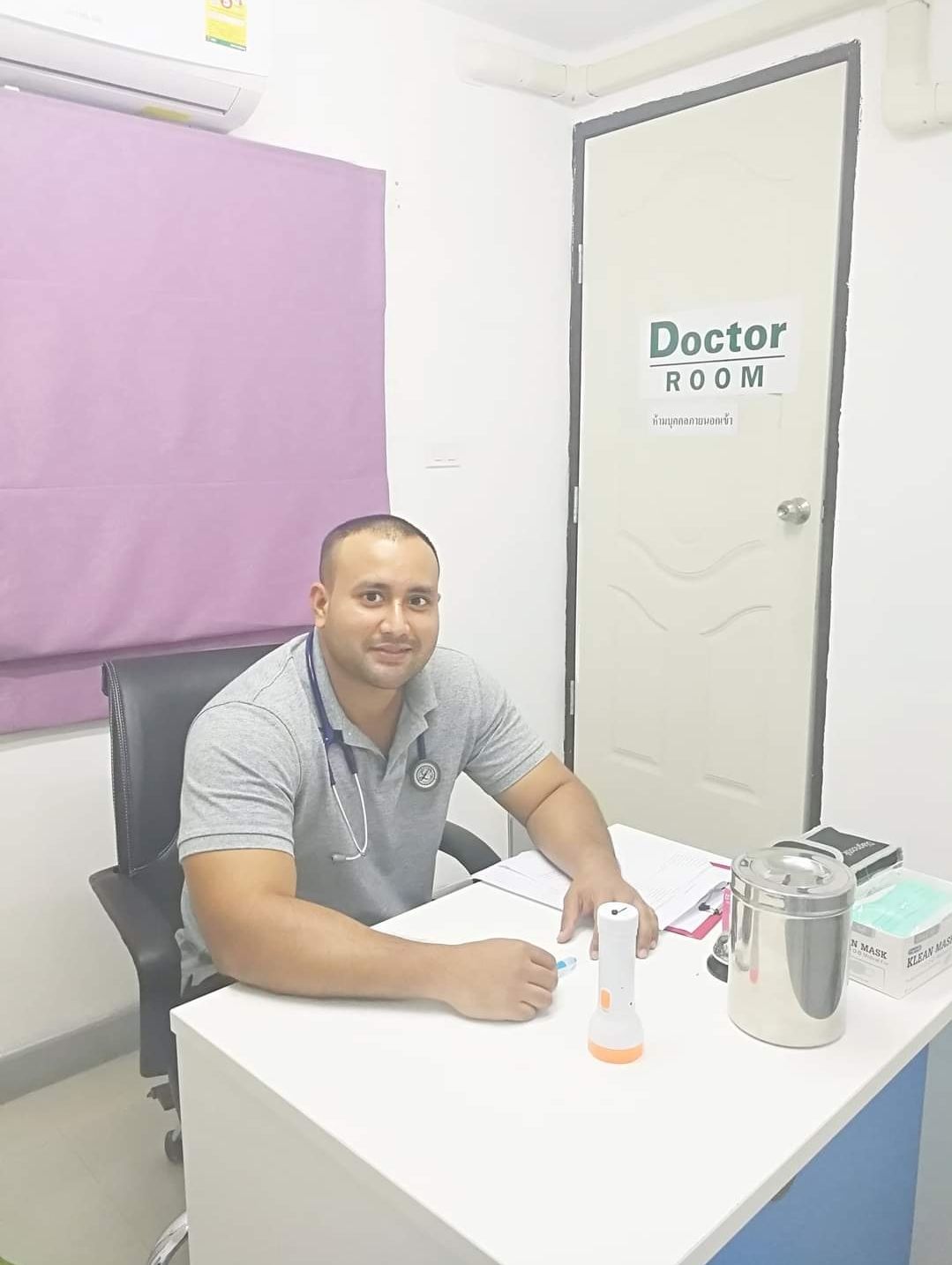
Dr. Ponlawat Pitsuwan is a physician at Doctor Bangkok, a private clinic in central Bangkok. He sees expats, residents, and medical tourists for general medicine, wellness consultations, and IV therapy. His focus is straightforward, evidence-based care delivered in plain language.