
Clinically reviewed by Dr. Ponlawat Pitsuwan, Physician, Doctor Bangkok. Last reviewed: July 2026
Diarrhea lasting more than four weeks is considered chronic and needs proper investigation. In Bangkok, common causes include parasites like Giardia, post-infectious IBS after traveler’s diarrhea, and conditions like IBD or celiac disease. Most people can be tested and start treatment at a private clinic in the same visit. Do not keep waiting for it to pass on its own.
You had a rough few days after eating out. Loose stools, cramping, maybe a fever. You figured it was the usual Bangkok belly and waited it out. But that was six weeks ago, and things still are not right. You are going to the bathroom too often, your stomach feels off most of the time, and you are starting to wonder if something else is going on.
You are not imagining it. When diarrhea goes on for more than four weeks, it crosses into chronic territory, and your gut needs more than rest and electrolytes. This article covers the most common causes I see in Bangkok, what the red flags are, and how to get properly tested and treated.

What counts as chronic diarrhea, and why does it matter?
Most bouts of diarrhea clear up within a week. The kind you get from a dodgy meal or a stomach bug usually resolves on its own. Chronic diarrhea is different. It means loose or watery stools three or more times a day, lasting at least four weeks. At that point, your body is telling you something that rice and rest alone cannot fix.
The distinction matters because chronic diarrhea has a long list of possible causes, and the right treatment depends on knowing which one you are dealing with. Guessing gets you nowhere.
Common causes of chronic diarrhea, including risks specific to Bangkok
Parasitic and bacterial infections
This is where I start with almost every expat who comes in with ongoing loose stools. Giardia is one of the most common causes of persistent diarrhea in people who have spent time in Southeast Asia. It can be missed on a basic stool test, so you need a dedicated antigen or PCR panel to catch it reliably. If you had an acute illness and never fully recovered, an infection that was never properly cleared is a real possibility.
IBS and post-infectious IBS
IBS with diarrhea, often called IBS-D, is one of the most common reasons for chronic loose stools with no obvious infection. But there is a specific version I see a lot in expats: post-infectious IBS. This happens when a bout of traveler’s diarrhea triggers ongoing gut symptoms that outlast the original infection. Evidence suggests people who have had traveler’s diarrhea are roughly three to four times more likely to develop IBS than the general population. If your gut has never been quite right since a bad episode a few months ago, this is worth discussing with a doctor.
Inflammatory bowel disease
Crohn’s disease and ulcerative colitis are less common, but they do not care where you live. Both cause chronic diarrhea, often with abdominal pain and sometimes blood or mucus in the stool. These conditions require a proper diagnosis, including a colonoscopy, and long-term management. They can become serious if left untreated.
Celiac disease and lactose intolerance
Celiac disease is an immune reaction to gluten that damages the gut lining. It causes chronic diarrhea, bloating, and weight loss, and is diagnosed with a blood test. Lactose intolerance is much milder but very common, and Thai cuisine uses more dairy than many people expect. If your symptoms get worse after milk-based drinks or creamy sauces, flag it with your doctor.
Small intestinal bacterial overgrowth
Small intestinal bacterial overgrowth, or SIBO, happens when too much bacteria builds up in the small intestine. It causes bloating, gas, and chronic diarrhea. I see it more often than most people expect. It is confirmed with a breath test.

When Bangkok belly becomes something more
Most people know what Bangkok belly feels like: a few bad days, then you recover. Post-infectious IBS is different. The acute illness resolves, but the gut never fully settles. You end up with unpredictable loose stools, urgency, bloating, and cramping that drags on for weeks or months.
Tropical sprue is a rarer condition worth knowing about. It affects people who have lived in tropical regions for extended periods and causes ongoing diarrhea with nutritional deficiencies. It is uncommon, but it is a real diagnosis that gets missed because most doctors outside the tropics are not thinking about it.
If your gut problems started after an acute episode and have never fully resolved, do not wait another month. That pattern needs investigation.
Less common but often missed causes
Microscopic colitis causes chronic watery diarrhea, often in people who look completely normal on a standard colonoscopy. The diagnosis requires extra tissue samples taken during the procedure. Without those, it gets missed. If you have had a colonoscopy that came back normal but your diarrhea continues, ask your doctor about this specifically.
Bile acid malabsorption happens when bile acids irritate the colon instead of being reabsorbed properly. The result is chronic watery diarrhea that can look a lot like IBS. It responds well to specific medication once diagnosed, but it often goes undetected for years.
Red flag symptoms — see a doctor this week, not next month
Most chronic diarrhea is not an emergency, but some symptoms mean you need to be seen soon. Come in promptly if you notice blood or mucus in your stool, unexplained weight loss, a fever that keeps returning, or diarrhea waking you from sleep at night. A significant change in bowel habits after age 45 also warrants a same-week visit.
Nocturnal diarrhea, the kind that wakes you up to rush to the bathroom in the middle of the night, is particularly important. IBS does not usually cause that. If it is happening, something else needs to be ruled out. Do not wait in Bangkok hoping these symptoms resolve on their own.
How chronic diarrhea is diagnosed
The workup depends on your symptoms, but here is what a first assessment at a private Bangkok clinic typically covers. Blood tests check your full blood count, inflammatory markers, thyroid function, and celiac antibodies. A stool panel looks for bacteria, parasites, and fecal calprotectin, a marker that helps tell IBD apart from IBS. If initial results are normal and symptoms continue, a SIBO breath test or colonoscopy with biopsies may follow.
Most first-line tests can be done in a single visit. You do not need a hospital referral to start this process.
Managing chronic diarrhea: diet, treatment, and daily life in Bangkok
Diet matters, but it is not a cure on its own. A low FODMAP diet, which cuts out certain carbohydrates that irritate the gut, has solid evidence for IBS-D. Your doctor can walk you through how to apply it while eating in Bangkok, because Thai food is more gut-friendly than many people expect once you know what to look for.
If a parasite or bacterial overgrowth is found, targeted antiparasitic or antibiotic treatment addresses the cause directly. IBD requires specialist management and may involve long-term medication. Bile acid malabsorption responds well to specific treatment once the diagnosis is confirmed.
Loperamide can help with urgency and frequency in the short term, but it treats the symptom, not the cause. It is not a long-term plan.
Getting assessed at Doctor Bangkok
If you have had loose stools for more than four weeks and you are in Bangkok, the next step is straightforward. At Doctor Bangkok, you can see an English-speaking doctor, arrange first-line stool and blood tests in the same visit, and leave with a clear plan rather than another week of uncertainty. The clinic is in central Bangkok and easy to reach by BTS.
You can find full details on our diarrhea assessment and treatment services on the clinic page. Walk-in appointments are available.
Still dealing with diarrhea weeks after it started? Doctor Bangkok offers same-day stool testing and English-speaking consultations in central Bangkok. Whether you are an expat, a long-term resident, or visiting for medical care, we can help you get answers without a long wait. Visit doctorbangkok.co.th or walk in to book your assessment for diarrhea treatment in Bangkok.
How long does diarrhea have to last before it is considered chronic?
The threshold is four weeks. If you are still having loose or watery stools more than three times a day after a month, that is chronic diarrhea and it needs investigation. A lot of expats in Bangkok dismiss it as lingering Bangkok belly, but by that point your gut deserves a proper look.
Can Bangkok belly or traveler’s diarrhea cause long-term gut problems?
Yes, and this is more common than most people realise. After an acute gut infection, some people develop post-infectious IBS, where the bowel stays irritable long after the original bug has cleared. If your gut has never fully settled since a bad episode, that pattern is worth discussing with a doctor rather than waiting it out.
What tests are needed to find the cause of chronic diarrhea?
A standard first workup includes a stool culture, parasite testing, fecal calprotectin, a full blood count, celiac antibodies, and thyroid function. If those come back normal but symptoms continue, a SIBO breath test or colonoscopy with mucosal biopsies may follow. Most first-line tests can be arranged at Doctor Bangkok in a single appointment.
Could my chronic diarrhea in Bangkok be caused by a parasite?
Absolutely, and Giardia is the first thing I check for. It is a leading cause of persistent diarrhea in people who have spent time in Southeast Asia, and it can be missed on a basic stool test. A dedicated antigen or PCR panel is needed to catch it reliably. Other food-borne pathogens common in the Bangkok environment are also worth ruling out.
When should I see a doctor for chronic diarrhea rather than manage it at home?
Come in if you have blood or mucus in your stool, unexplained weight loss, recurring fever, diarrhea waking you at night, or symptoms lasting more than four weeks. If you are over 45 and your bowel habits have changed, that also warrants a same-week appointment. In Bangkok, you do not need to wait for a trip home to be seen properly.
Is it safe to use loperamide long term for chronic diarrhea?
Loperamide helps with urgency and frequency in the short term, but it does not treat whatever is causing the problem. Using it long term without finding the cause can mask symptoms that need proper attention. Think of it as a short-term tool while you get investigated, not a solution.
Dr. Ponlawat Pitsuwan
Physician, Doctor Bangkok
a private medical clinic in central Bangkok. He sees expats, residents, and medical tourists for gastrointestinal complaints, persistent infections, tropical illness, and general medical concerns. His focus is straightforward, evidence-based care delivered in plain language.
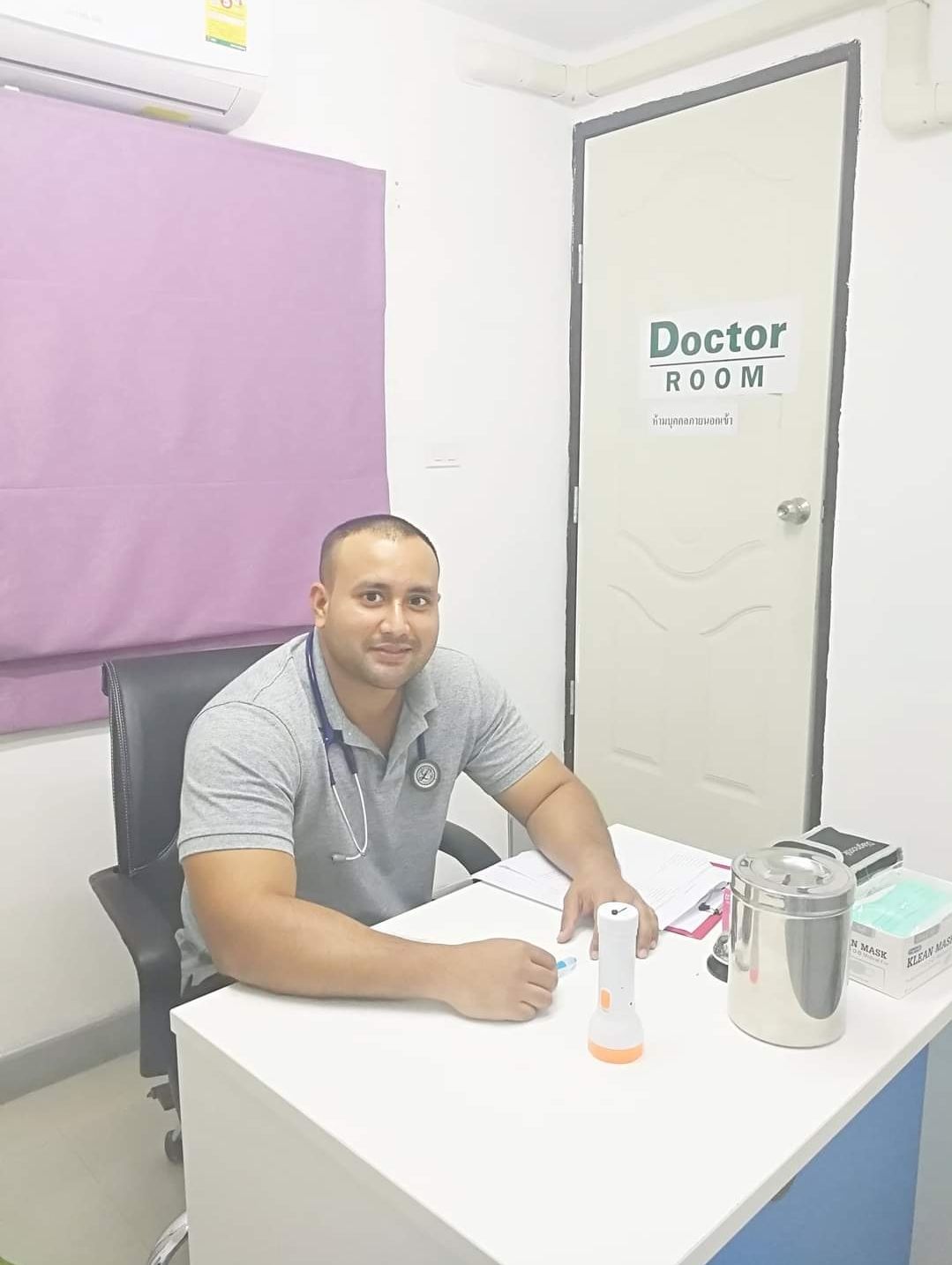
Dr. Ponlawat Pitsuwan is a physician at Doctor Bangkok, a private clinic in central Bangkok. He sees expats, residents, and medical tourists for general medicine, wellness consultations, and IV therapy. His focus is straightforward, evidence-based care delivered in plain language.