

Clinically reviewed by Dr. Ponlawat Pitsuwan, Physician, Doctor Bangkok.
Last reviewed: July 2026
Hemorrhagic fever is a group of serious viral illnesses that damage blood vessels and cause bleeding. In Bangkok, dengue hemorrhagic fever is the most common form and can escalate from a standard fever to a life-threatening condition within 24 to 48 hours. If you have had fever for more than two days alongside bruising, bleeding gums, or severe abdominal pain, you need a blood test today, not tomorrow.
If you are a long-term expat in Bangkok and you have already had dengue once, here is something most people do not know: your risk of severe disease the second time is actually higher, not lower. That surprises almost everyone I tell it to. Hemorrhagic fever is not a rare, distant illness from a travel advisory. In Bangkok, it circulates year-round. The people most at risk are often the ones who feel safest because they have been through dengue before.
This article is for anyone in Bangkok who has a high fever, is worried about dengue, or wants to understand when a fever becomes something more serious. I will walk you through what hemorrhagic fever is, what signs should make you act fast, and what to do right now if you are unwell.

What Is Hemorrhagic Fever and Why Does Bangkok Matter
Hemorrhagic fever is not one disease. It is a group of illnesses caused by different viruses, all of which can damage the walls of your blood vessels and cause them to leak. When blood vessels leak, your blood pressure can drop, your platelet count falls, and bleeding becomes a real risk inside and outside the body.
In Bangkok, the one that matters most is dengue hemorrhagic fever. There are four dengue virus types, and Bangkok has all four circulating at any given time. That is what makes this city different from many other places. You can catch dengue here in January or August, in a high-rise apartment or a quiet suburb. The mosquito that carries it bites during the day and breeds in small amounts of standing water.
Dengue Fever vs. Dengue Hemorrhagic Fever
Regular dengue fever is unpleasant. High fever, severe body aches, a rash, exhaustion. Most people recover in a week or two with rest and fluids. Dengue hemorrhagic fever is what happens when dengue triggers a more severe immune response that causes your blood vessels to become leaky.
The World Health Organization grades dengue severity from I to IV. Grades I and II involve fever, some bleeding signs like small red spots on the skin called petechiae, and low platelet counts. Grades III and IV are what we call dengue shock syndrome. At that point, blood pressure drops, circulation fails, and the patient needs hospital admission and IV fluids urgently. The shift from grade II to grade III can happen within hours, often right as the fever starts to break. That timing catches a lot of people off guard.

The Three Phases and What They Mean for You
There are three phases to dengue hemorrhagic fever, and knowing which phase you are in tells you what to do next.
The first is the febrile phase. You have a high fever, often 39 to 40 degrees, with headache, joint pain, and sometimes a rash. This typically lasts three to five days. Come in for a blood test during this window. We can check your platelet level and a value called hematocrit, which tells us how concentrated your blood is becoming.
The second is the critical phase. This is the 24 to 48 hour window after the fever breaks. For most people, the fever dropping feels like getting better. For some, it marks the beginning of the dangerous part. Plasma leaks from your blood vessels, your platelet count can drop sharply, and shock can follow. This is why we ask patients to come back the next day for a repeat blood count, not just once.
The third is recovery. Your body reabsorbs the leaked fluid, platelet counts begin to rise, and appetite returns. Monitoring continues here because too much intravenous fluid during this phase carries its own risks.
Danger Signs That Mean Act Now
These are the signs I tell every patient to watch for. If any of these appear, go directly to a hospital emergency room and do not wait.
Vomiting you cannot control, or vomiting blood. Severe abdominal pain or tenderness. Bleeding from the gums, nose, or blood in the urine or stool. Cold, clammy skin with a rapid weak pulse. Sudden extreme drowsiness or confusion. Difficulty breathing.
A rapid drop in platelet count combined with a rising hematocrit is a clinical red flag for plasma leakage. At Doctor Bangkok, we look at both values together because a platelet count alone does not give us the full picture.
The Medication Mistake That Can Make Everything Worse
This is the section I wish every patient read before going to a pharmacy. When you have a high fever in Bangkok, the instinct is to reach for ibuprofen or aspirin. Both are sold over the counter at almost every pharmacy here. Both must be completely avoided if there is any chance you have dengue hemorrhagic fever.
Ibuprofen, aspirin, diclofenac, naproxen, and similar drugs impair the platelets that help your blood clot. When your platelet count is already falling, taking these can significantly worsen bleeding risk. Paracetamol, known elsewhere as acetaminophen, is the only safe fever reducer. Stick to that, and do not exceed the recommended dose.
One more thing: intramuscular injections should be avoided in patients with a low platelet count. If a clinic offers you an injectable medication during this phase, make sure they know your dengue status first.
How We Test and Monitor Hemorrhagic Fever in Bangkok
When a patient comes in with fever and I am thinking dengue, here is what we do. In the first five days, an NS1 antigen test picks up the virus directly. After day five, antibody tests become more reliable. We also run a complete blood count at the same visit. If the picture looks like dengue is progressing, we ask you to return the next day for a repeat count.
A rising hematocrit means your blood is becoming more concentrated because fluid is leaking from your vessels. Seeing that trend across two consecutive tests is more useful than any single reading. Doctor Bangkok offers same-day NS1 testing and daily CBC monitoring so we can catch a deteriorating picture before it becomes an emergency.
Bangkok-Specific Risk: Year-Round, Urban, and Elevated on Re-Infection
The rainy season, roughly June through October, brings the highest number of cases. But I see dengue in Bangkok in every month of the year. The city’s density, the standing water in construction sites and plant pots, and a daytime-biting mosquito mean that urban Bangkok is never truly low-risk.
If you have had dengue before, pay attention to this. Your first infection gives you lasting immunity only to that one virus type. A second infection with a different type can trigger a stronger immune reaction that raises your risk of hemorrhagic fever. A prior infection is not a safety net. If you have had dengue before and develop fever again, come in promptly rather than assuming you are protected.
Other Hemorrhagic Fevers Worth Knowing About
Dengue dominates in Bangkok, but it is not the only hemorrhagic fever in the region. Leptospirosis is a bacterial infection common in Thailand after flooding. It spreads through water contaminated by animal urine and can cause bleeding in the skin and lungs. Hantavirus, linked to rodent exposure, is present in parts of Southeast Asia and can involve the kidneys. Chikungunya does not typically cause true hemorrhagic disease but can look similar in early presentation.
If your fever is not responding as expected, if you have had significant water or rodent exposure, or if your blood tests do not fit the dengue pattern, the diagnosis needs to be broadened. These are conversations we have at the clinic regularly, and our fever assessment covers these possibilities from the start.
Fever in Bangkok that lasts more than two days needs to be assessed. Dengue hemorrhagic fever can move quickly, and the critical window is short. Doctor Bangkok offers same-day fever assessment, NS1 antigen testing, dengue PCR, and daily CBC monitoring for patients managing dengue at home. We are centrally located in Bangkok and BTS accessible, with English-speaking physicians available. If you are unwell right now, visit our fever assessment and treatment page or contact us to book an appointment today.
Can I get hemorrhagic fever in Bangkok outside of the rainy season?
Yes. The rainy season brings the highest number of cases, but dengue hemorrhagic fever occurs in Bangkok in every month of the year. Urban density and standing water mean the risk never fully disappears. Do not let the dry season give you a false sense of security.
I had dengue once already. Does that protect me from hemorrhagic fever?
It does not, and in some ways it increases your risk. Your first dengue infection builds immunity to that one virus type only. A second infection with a different type can trigger a more intense immune response that makes hemorrhagic fever more likely, not less. If you have had dengue before and develop fever again, come in promptly.
What medications should I avoid if I think I have hemorrhagic fever?
Avoid ibuprofen, aspirin, diclofenac, naproxen, and any other anti-inflammatory painkiller. These impair your platelets and can worsen bleeding when your platelet count is already dropping. Paracetamol is safe. If you are not sure what you have taken, tell us when you come in.
What blood tests are done, and do I really need them every day?
In the first five days of fever, an NS1 antigen test confirms dengue directly. After day five, antibody tests are used instead. A complete blood count checks your platelet level and hematocrit, and during the critical phase we repeat this daily because the trend matters more than any single result. At Doctor Bangkok, we guide you through this monitoring day by day.
What is the difference between dengue hemorrhagic fever and dengue shock syndrome?
Dengue hemorrhagic fever is the broader category, graded I to IV by severity. Dengue shock syndrome refers specifically to grades III and IV, where blood pressure drops and circulation is failing. Shock can develop within hours during the critical phase, often just as the fever seems to be lifting, which is why monitoring after the fever breaks matters so much.
Are there other hemorrhagic fevers in Thailand besides dengue?
Yes. Leptospirosis is common in Thailand after flooding and can cause bleeding symptoms. Hantavirus, linked to rodent exposure, is present in the broader region. If your symptoms do not fit the dengue pattern or your test results are unusual, we look at other possibilities rather than assuming dengue by default.
Dr. Ponlawat Pitsuwan
Physician, Doctor Bangkok
a private medical clinic in central Bangkok. He sees expats, residents, and medical tourists for fever assessment, dengue monitoring, infectious disease evaluation, and general medical consultations. His focus is straightforward, evidence-based care delivered in plain language.
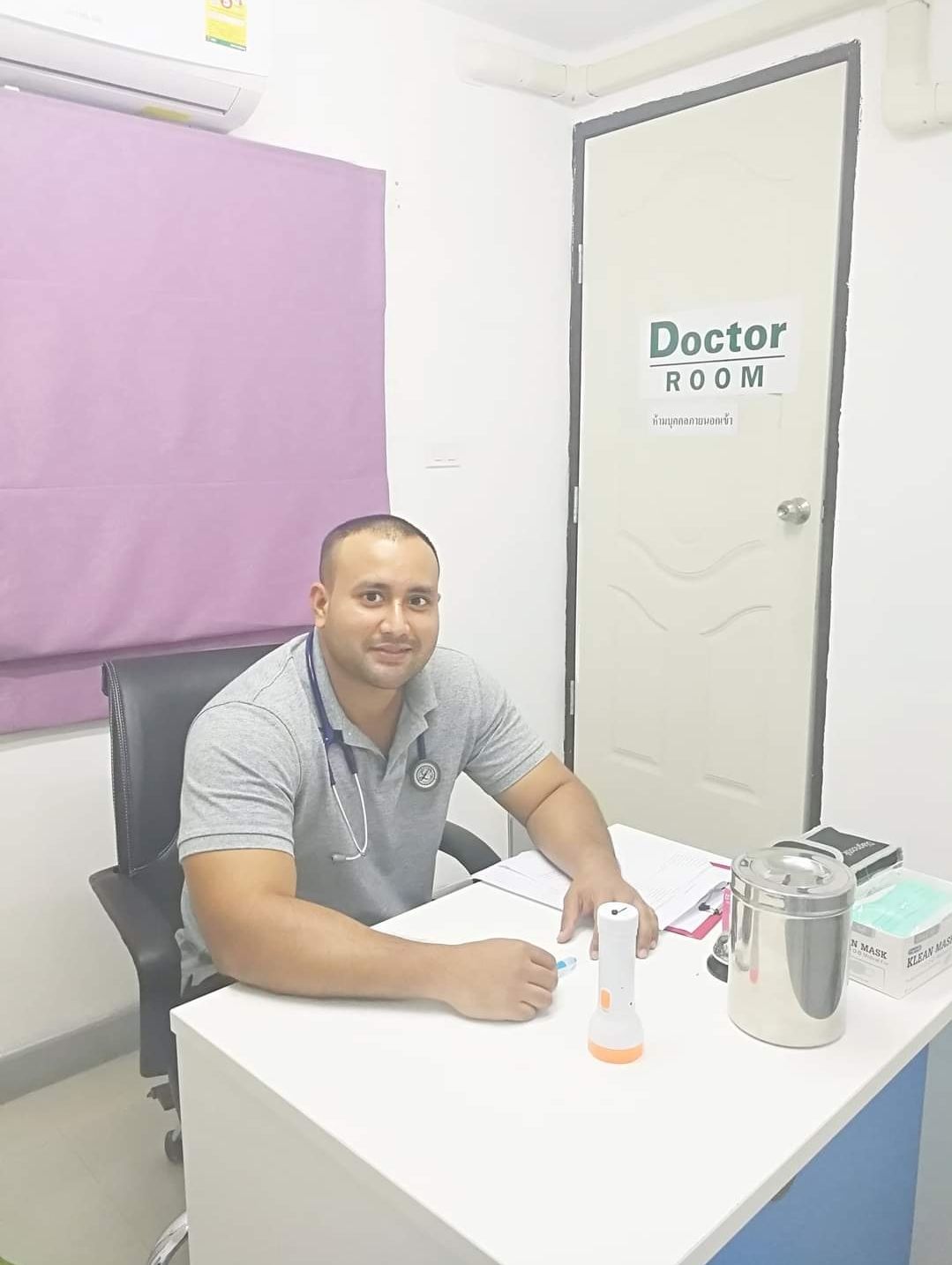
Dr. Ponlawat Pitsuwan is a physician at Doctor Bangkok, a private clinic in central Bangkok. He sees expats, residents, and medical tourists for general medicine, wellness consultations, and IV therapy. His focus is straightforward, evidence-based care delivered in plain language.