

Clinically reviewed by Dr. Ponlawat Pitsuwan, Physician, Doctor Bangkok. Last reviewed: July 2026
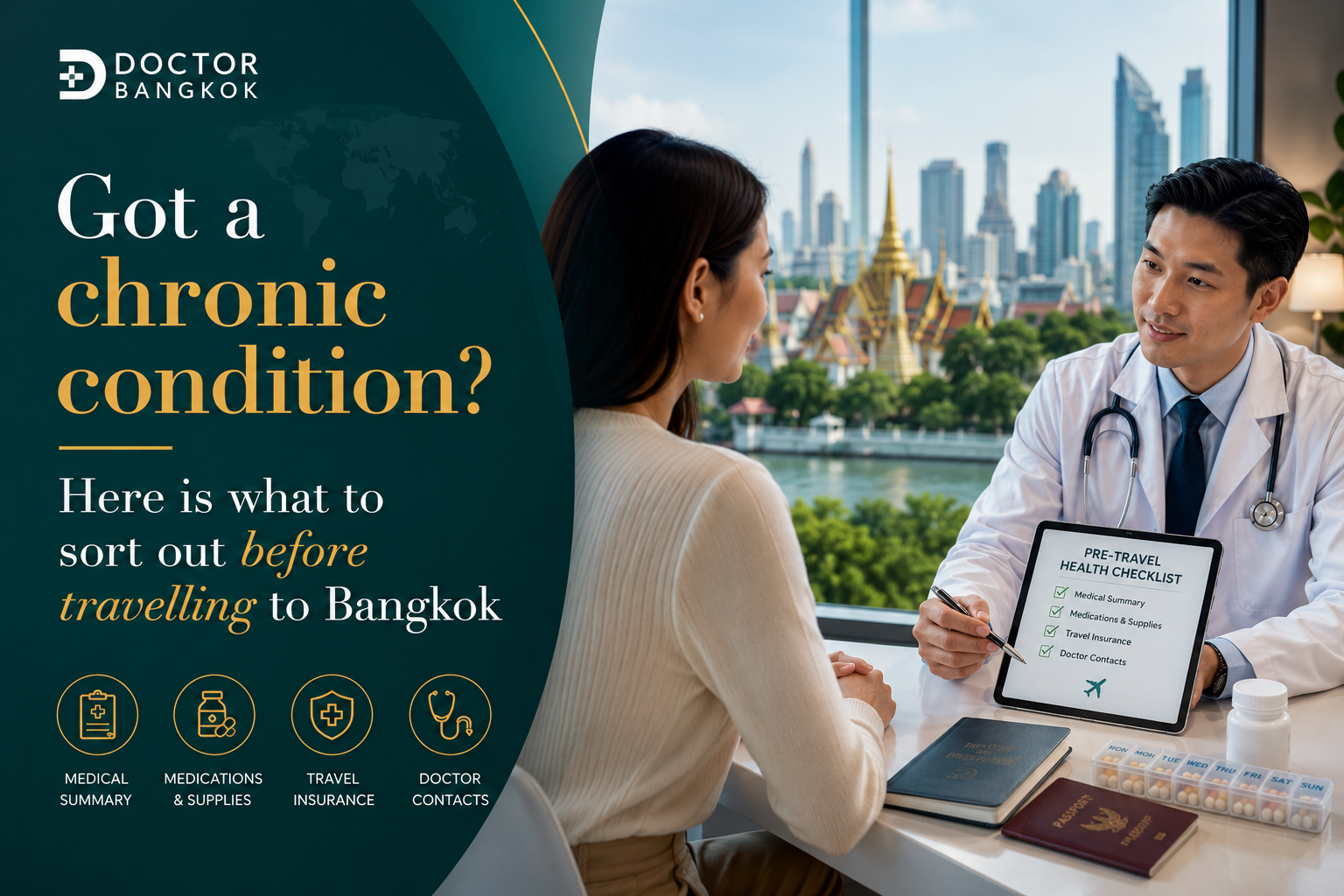
Travelling to Bangkok with diabetes or high blood pressure takes a bit more planning than a standard trip. The heat here is real. It affects your medication, your blood sugar, and your blood pressure in ways that catch a lot of people off guard. Sort out your supplies, your storage plan, and your clinic contact before you arrive, and most people do absolutely fine.
If you are managing diabetes or high blood pressure and you are planning a trip to Bangkok, or you have already landed and are figuring things out as you go, this is for you. I see patients in this situation regularly. Some planned well. Some did not. The ones who struggle almost always assumed Bangkok would be like home, just hotter.
Bangkok is hot. Genuinely, consistently, relentlessly hot. That heat affects your medication, your blood sugar, and your heart in ways your doctor back home may not have warned you about. The good news is that with a few practical steps, most people with well-managed chronic conditions travel here without serious problems. Here is what actually matters.

Before you fly: sort these out before you leave home
The most common thing I hear from expats and long-stay visitors is some version of: "I meant to sort this out before I left." Do not be that person.
Get a recent HbA1c before you travel. This is a blood test that shows your average blood sugar control over the past three months. It tells you whether your diabetes is stable enough to handle the extra variables Bangkok adds. If it has not been checked in the past three months, do it before you board.
Get a doctor’s letter. It should list your diagnosis and every medication you take by its generic name, not just the brand name. Include your dosing schedule. Carry it in your hand luggage. Thai customs rarely causes issues with insulin or prescribed medication, but if they ask, you want something in writing.
If you take insulin, plan for the time zone. Bangkok is six to seven hours ahead of most of Europe. You will need to adjust your dosing schedule for the first day or two. Ask your diabetes team for a written plan before you fly.
Double your supplies, then add a little more. If your pump fails, your sensor gets damaged, or a vial breaks, you need backup. I will cover the Bangkok supply situation shortly, and it is not reassuring for device-dependent patients.
Finally, check your travel insurance. Many policies exclude pre-existing conditions unless you declare them. Confirm in writing that your diabetes or hypertension is covered before you leave.
Can you get your prescription medication refilled in Bangkok?
This is one of the most common questions I get from expats and visitors. The short answer is yes, but not automatically.
A foreign prescription is not valid at a Thai pharmacy on its own. You cannot hand over a prescription from your GP in London or Sydney and walk out with medication. What you can do is see a licensed physician at a private clinic in Bangkok, who can review your history and issue a Thai prescription after a brief consultation. At Doctor Bangkok, we do this regularly for visitors and residents managing diabetes and other chronic conditions.
Metformin, the most common oral diabetes medication, is widely available in Bangkok under the Glucophage brand and as generic metformin. Most common insulin brands are stocked at pharmacies near major hospitals. If you take a less common medication or a specific formulation, do not assume it will be available here. Know the generic name of every medication you take.
If you need a metformin refill, we will usually run a quick kidney function check first. That is standard practice, not an obstacle. For insulin refills, we confirm your type, concentration, and device compatibility before prescribing, because some pen cartridge formats differ between countries.
CGM sensors and insulin pump consumables are a genuine gap in Bangkok. Most pharmacies do not stock them. Even large private hospitals are often unable to help. If you use a pump or CGM, bring your entire supply plus a meaningful backup, and pack manual injection supplies in case of device failure. This is not something to figure out after you arrive.

How to store medication safely when it is 35 degrees in Bangkok
Bangkok’s outdoor temperature regularly sits between 33 and 36 degrees Celsius. Inside a parked car or a bag left in direct sun, it goes much higher. This matters for insulin far more than most people expect.
Insulin loses potency in heat. The humidity here makes that happen faster. Once a vial or pen is open, the standard guidance is 28 days at room temperature, but Bangkok’s climate shortens that window. Keep your insulin in your hotel room fridge when you are not using it. Not the freezer. The fridge. When you are out, use a FRIO evaporative cooling wallet, which keeps insulin at a safe temperature through evaporation. If your insulin looks cloudy when it should be clear, or discoloured, discard it.
If you take an SGLT2 inhibitor, a class of diabetes tablets that includes empagliflozin and dapagliflozin, be aware that these medications increase how much fluid your kidneys release. In Bangkok’s heat, that raises your dehydration risk significantly. Drink more than you think you need, and do it consistently.
Traveller’s diarrhoea is also common in Bangkok, especially in the first couple of weeks. Gut illness disrupts how your body absorbs food and medication, and can push blood sugar in either direction. If you get a stomach illness, monitor your glucose more often and know when to seek help. Doctor Bangkok treats this regularly and can assess you quickly.
Travelling to Bangkok with high blood pressure: what to watch for in the heat
How Bangkok’s heat changes your blood pressure
Heat causes your blood vessels to widen as your body tries to cool itself down. For someone on blood pressure medication, this can mean your pressure drops further than expected. That sometimes causes dizziness or light-headedness, especially when you stand up quickly.
In your first week in Bangkok, check your blood pressure more often than you would at home. If you feel dizzy when you stand, sit for a moment, hydrate, and move slowly. This is not a reason to stop your medication. It is a reason to pay attention.
If you take an ACE inhibitor, a blood pressure medication that includes drugs like ramipril or lisinopril, there is an added consideration. These medications can reduce your natural thirst response, meaning you may not feel thirsty even when your body needs fluids. In Bangkok’s humidity, that is a real risk. Drink water on a schedule.
Beta-blockers can also slightly reduce your body’s ability to regulate temperature. Avoid prolonged outdoor activity during midday heat, which in Bangkok typically runs from about 11am to 3pm. Early morning or after 5pm is far more manageable.
If you arrived in Bangkok without a recent blood pressure review, come in early in your stay. A quick check at Doctor Bangkok takes around twenty minutes and can get ahead of problems before they start.
Thai food, hidden sugar, and blood glucose
Thai food is genuinely delicious and genuinely full of sugar in places you would not expect. Palm sugar is used in savoury dishes as a flavour balancer. Pad Thai, som tam, many curry sauces, and most street sauces contain more sugar than they taste.
If you are managing blood glucose, this will catch you out at least once. Test more often in your first week, especially after unfamiliar meals. If you want to tell restaurant staff that you have diabetes, the Thai phrase is "pen bao waan" (เป็นเบาหวาน). Most staff at tourist-facing restaurants will understand and can often suggest lower-sugar options.
Managing a chronic condition in Bangkok? Doctor Bangkok is an English-speaking private clinic in central Bangkok, accessible from BTS. We see expats, long-stay residents, and visitors for prescription reviews, blood tests, chronic disease management, and general consultations. If you need a medication refill, a blood pressure check, or a diabetes review while you are here, book a same-day or next-day appointment at doctorbangkok.co.th.
FAQ
Can I get my diabetes medication refilled in Bangkok without a Thai prescription?
A foreign prescription alone will not get you medication at a Thai pharmacy. You need to see a licensed physician in Bangkok who can issue a Thai prescription after a brief consultation. At Doctor Bangkok, we do this regularly, and for medications like metformin we may run a quick kidney function check first. Know the generic name of your medication, not just the brand, as packaging and names can differ here.
How does Bangkok’s heat affect my insulin?
Heat breaks down insulin and reduces its potency faster than you would see in a cooler climate. Keep unopened insulin in your hotel fridge, never the freezer, and use a FRIO cooling wallet when you are out. If insulin looks cloudy when it should be clear, discard it and use a fresh vial. Bangkok’s humidity makes degradation happen faster than dry heat alone.
Will Bangkok’s heat affect my blood pressure medication?
Yes, it can. Heat causes blood vessels to widen, which can drop your blood pressure more than expected. If you are on an ACE inhibitor, your natural thirst response may also be reduced, raising your dehydration risk. Monitor your blood pressure more often in your first week and drink fluids on a schedule, not just when you feel thirsty.
I use an insulin pump and CGM. Can I get supplies in Bangkok?
Do not count on it. CGM sensors and pump consumables are not reliably stocked at Bangkok pharmacies or most hospitals. Bring your full supply plus a significant backup, and always pack manual injection supplies in case your pump fails. Doctor Bangkok can help with advice and specialist referrals, but hardware availability across the city cannot be guaranteed.
Should I see a doctor before travelling to Bangkok with diabetes?
Yes. Before you fly, get a recent HbA1c, a doctor’s letter with all medications listed by generic name, and a clear plan for adjusting your insulin timing across the time zone. If you did not manage this before leaving home, come in to Doctor Bangkok early in your stay. A review at the start of your trip is far easier than managing a problem mid-visit.
What should I do if I get traveller’s diarrhoea while managing diabetes in Bangkok?
Gut illness disrupts how your body absorbs food and medication, which can push blood sugar in either direction. Monitor your glucose more often and stay hydrated. If your blood sugar becomes very difficult to control, you are vomiting and cannot keep food or medication down, or you feel unwell beyond a simple stomach upset, come in to be assessed. This is something we treat regularly at Doctor Bangkok.
Dr. Ponlawat Pitsuwan
Physician, Doctor Bangkok
a private medical clinic in central Bangkok. He sees expats, residents, and medical tourists for chronic disease management, travel medicine, prescription reviews, and general medical consultations. His focus is straightforward, evidence-based care delivered in plain language.
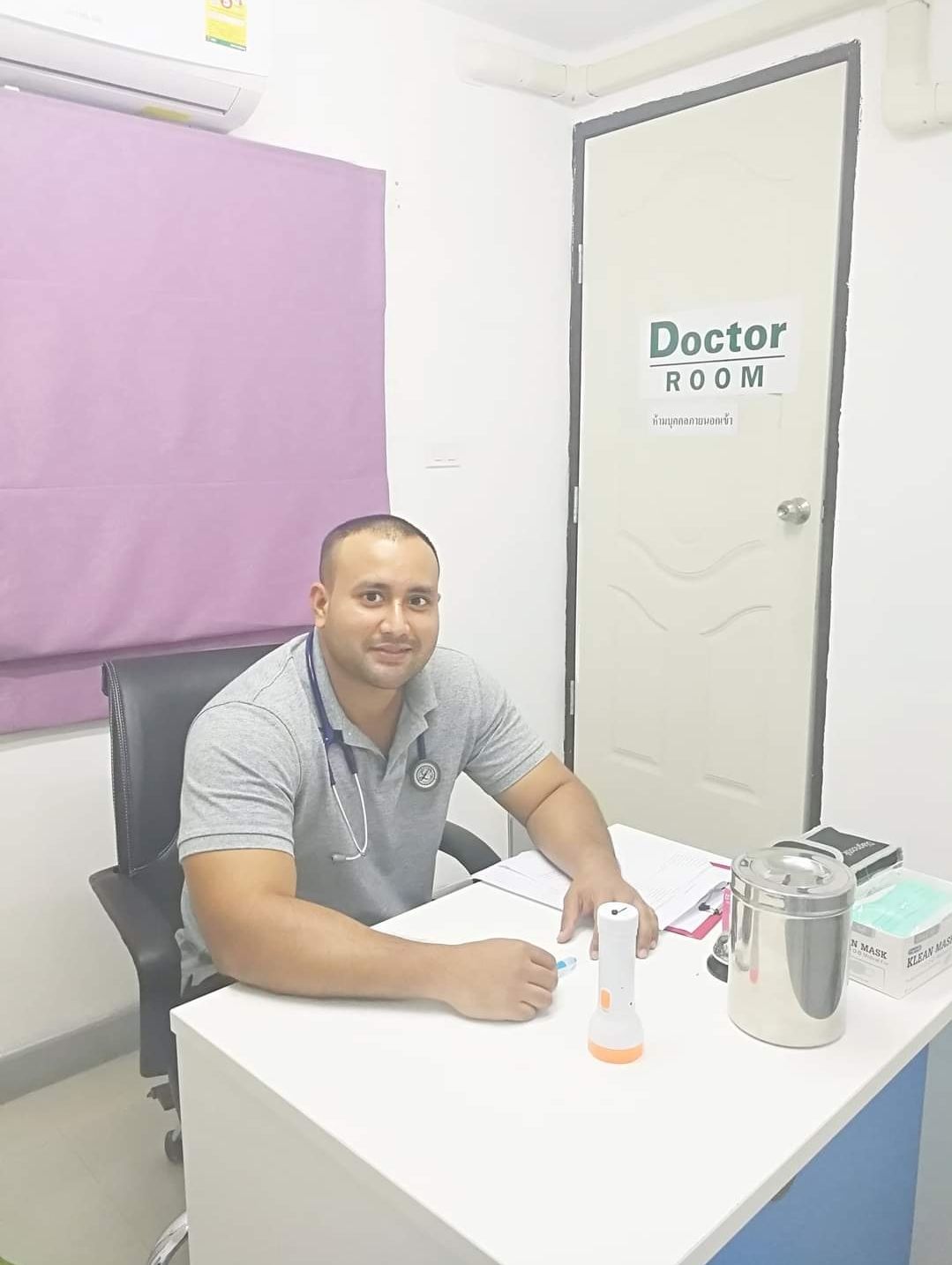
Dr. Ponlawat Pitsuwan is a physician at Doctor Bangkok, a private clinic in central Bangkok. He sees expats, residents, and medical tourists for general medicine, wellness consultations, and IV therapy. His focus is straightforward, evidence-based care delivered in plain language.