
Clinically reviewed by Dr. Ponlawat Pitsuwan, Physician, Doctor Bangkok. Last reviewed: July 2026
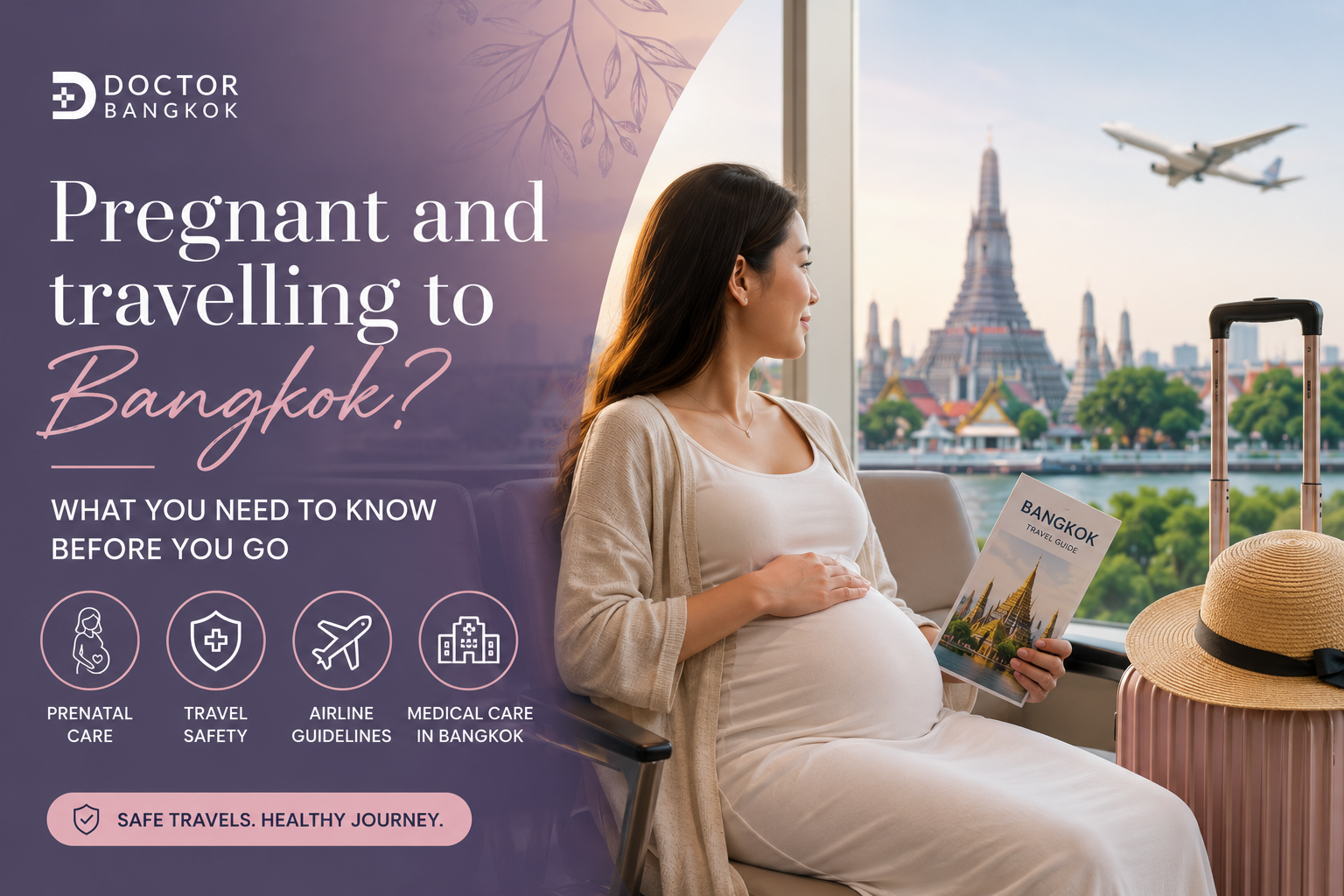
Bangkok is manageable during pregnancy, but it comes with specific risks that need a proper plan. Zika virus is present in Thailand, some vaccines routinely given for Thailand travel are not safe in pregnancy, and food-borne illness carries more serious consequences when you are pregnant. Get a travel health consultation before you arrive, or as soon as you land if you are already here.
Maybe you just found out you are pregnant and your Bangkok trip is already booked. Maybe you are an expat living here and wondering what risks you are actually living with. Either way, you want honest, specific answers, not a generic list that tells you to "consult your doctor" and leaves it at that.
Bangkok is not off-limits during pregnancy. But there are real decisions to make, particularly around vaccines, mosquito protection, and food. This guide gives you a Bangkok-specific picture, not standard outbound travel advice written for someone sitting in London planning a holiday.

Which Vaccines Are Safe During Pregnancy if You Are Travelling to Thailand?
This is the question I get most often from pregnant patients, and the answer depends entirely on which vaccine you are talking about.
Inactivated vaccines are generally safe in pregnancy. Hepatitis A, injectable typhoid, Tdap, and influenza all fall into this category. I would encourage the hepatitis A vaccine for most pregnant travellers to Bangkok, given the risk from contaminated food and water. Tdap is recommended in every pregnancy regardless of travel, ideally between 16 and 32 weeks.
Live vaccines are a different matter. MMR, yellow fever, and varicella are all live vaccines and are contraindicated in pregnancy. If yellow fever vaccination is required for another country on your itinerary, that needs a proper risk-benefit conversation with a physician. The oral typhoid vaccine is also live and should not be given in pregnancy. If you need typhoid protection, you want the injectable version.
Japanese encephalitis is inactivated, but safety data in pregnancy is limited. The risk in urban Bangkok is also very low. For most pregnant visitors staying in central Bangkok, this is not a priority. If you are heading into rural Thailand, that calculation changes.
Bring your vaccine records to your consultation. What you need depends on where you are going, how long you are staying, and how far along you are.
Zika and Pregnancy in Thailand: What Is the Actual Risk in 2025?
Zika remains present in Thailand, and I am not going to pretend otherwise. But geography matters.
The highest reported case counts in recent years have been concentrated in provinces like Nakhon Ratchasima, Buriram, and Surin, and in some southern resort areas. Central Bangkok carries a meaningfully lower reported risk than rural Thailand or southern beach destinations. A confirmed 2024 case documented severe fetal harm following Zika infection during travel to Phuket in gestational weeks 8 to 10. That was in a southern resort province, not central Bangkok.
The most serious consequence of Zika in pregnancy is microcephaly, where the baby’s head and brain develop smaller than expected. The risk is highest in the first trimester.
Dengue and chikungunya share the same mosquito that carries Zika. Both are more common in Bangkok than Zika is. Dengue during pregnancy is linked to premature delivery, low birth weight, and in some cases the virus can pass directly to the baby. Chikungunya carries similar risks if you are infected close to delivery.
Mosquito protection is not optional when you are pregnant in Bangkok. It is the single most effective thing you can do against all three of these infections.
What Insect Repellent Is Safe to Use in Pregnancy?
DEET at 20 to 50 percent concentration is considered safe in pregnancy by both WHO and CDC, and it works. Apply it to exposed skin in the early morning and evening when mosquitoes are most active. Picaridin is a good alternative with a solid safety record. Avoid natural or essential oil repellents. They are not reliably effective and the safety data in pregnancy is not adequate.
Cover up during peak mosquito hours. Sleep under a net or in an air-conditioned room. Bangkok hotels almost universally have air conditioning, which is your best passive protection.

Food Safety in Bangkok When You Are Pregnant
What to Avoid and Why It Matters More When You Are Pregnant
Traveller’s diarrhoea during pregnancy is not just miserable. It can trigger uterine contractions. Severe dehydration in Bangkok’s heat can reduce blood flow to the baby and, in serious cases, bring on early labour.
Pregnancy also creates specific vulnerabilities. Listeria can cross the placenta and cause miscarriage or stillbirth. Toxoplasma, found in undercooked meat and contaminated water, can cause serious fetal brain and eye problems. Hepatitis E causes particularly severe illness in pregnant women and spreads through contaminated water and undercooked shellfish.
In Bangkok, E. coli is the dominant contaminant in street food, especially in raw vegetables and seafood. Som tam, the raw papaya salad served everywhere, involves uncooked vegetables that may not be washed with safe water. Skip it entirely during pregnancy.
Raw or undercooked shellfish is a firm no. Stick to dishes that are fully cooked and served hot. Avoid pre-cut fruit sitting on unrefrigerated stalls, Thai desserts made with raw egg, and unpasteurised dairy in traditional sweets. Eat at places with high turnover where food is cooked fresh to order. Drink bottled or boiled water and check that ice is made from purified water.
Carry oral rehydration salts. If diarrhoea is not settling within 24 hours, or you develop a fever with it, come in. Do not push through it at home.
Practical Planning if You Are Pregnant and Coming to Bangkok
The second trimester is generally the most comfortable time to travel. Morning sickness has usually eased by 14 weeks, and the physical discomfort of late pregnancy has not yet set in. Long-haul flights from Europe take 10 to 12 hours, longer from the Americas. That is a significant DVT risk in pregnancy. Wear compression stockings, stay hydrated, and move your legs regularly.
Most airlines allow travel up to 36 weeks for an uncomplicated single pregnancy. Many require a doctor’s letter from 28 weeks onward. Check your specific airline’s policy and carry a letter confirming your gestational age and fitness to fly. Doctor Bangkok can provide that letter after a clinical assessment.
Know where you would go if something happened. Bangkok has excellent private hospitals with English-speaking obstetricians. If you are an expat or staying long-term, identify your hospital before you need it. Travel insurance is essential, but read the policy carefully. Many standard policies exclude obstetric complications or only cover them up to a certain gestational age. Do not assume you are covered.
If you are pregnant and planning to travel to Bangkok, or already here, Doctor Bangkok offers travel medicine consultations for expectant mothers. We can assess your vaccine needs, advise on mosquito protection, issue fitness-to-fly letters, and answer the specific questions you have about your pregnancy. Our clinic is in central Bangkok, BTS accessible, with English-speaking physicians. Book at doctorbangkok.co.th.
FAQ
Is Bangkok safe to visit in the first trimester of pregnancy?
The first trimester carries the highest risk if Zika exposure occurs, because fetal brain development is most vulnerable at this stage. Central Bangkok has a lower reported Zika burden than rural areas and southern resort destinations, but the risk is not zero. A pre-travel or on-arrival consultation is strongly recommended before travelling in your first trimester.
Can I get a hepatitis A vaccine or typhoid jab while pregnant in Bangkok?
Yes, with the right versions. The hepatitis A vaccine is inactivated and generally considered safe in pregnancy. The injectable typhoid vaccine is also inactivated and generally safe. Do not have the oral typhoid capsules during pregnancy, as that version is a live vaccine. Doctor Bangkok can advise on which vaccines you need based on your itinerary and stage of pregnancy.
What insect repellent is safe to use in Bangkok during pregnancy?
DEET at 20 to 50 percent concentration is considered safe in pregnancy by WHO and CDC, and it is effective against the mosquitoes that carry Zika, dengue, and chikungunya. Picaridin is a good alternative with a solid safety record. Avoid natural or essential oil-based repellents, as they are not reliably effective and the pregnancy safety data is insufficient.
What Bangkok street foods should I avoid completely during pregnancy?
Avoid raw papaya salad, raw or undercooked shellfish, pre-cut fruit from unrefrigerated stalls, and dishes made with raw egg. Be cautious of unpasteurised dairy in traditional desserts. Stick to dishes cooked fresh to order and served hot. The main risks, E. coli, listeria, hepatitis E, and toxoplasma, all carry more serious consequences during pregnancy than in non-pregnant travellers.
Do I need to tell my airline I am pregnant when flying to Bangkok?
Yes, and you should check your specific airline’s policy before you travel. Most allow flying up to 36 weeks for an uncomplicated single pregnancy, but many require a doctor’s letter from 28 weeks onward. Doctor Bangkok can provide a fitness-to-fly letter after a clinical assessment if you need one.
What should I do if I get sick while pregnant in Bangkok?
Do not wait if you have a fever, severe diarrhoea, or any bleeding. Fever in pregnancy needs assessment promptly because some infections that are manageable in non-pregnant adults can cause fetal harm if left untreated. Doctor Bangkok can assess you and refer you to an obstetric facility if needed. Keep oral rehydration salts with you and come in rather than managing significant illness at home.
Is dengue fever more dangerous if I am pregnant?
Yes. Dengue during pregnancy is associated with premature delivery, low birth weight, and in some cases the virus can pass to the baby around the time of delivery. There is no vaccine routinely recommended for dengue prevention in pregnant travellers, so mosquito protection is your primary defence. If you develop a sudden high fever with body aches and rash in Bangkok, come in the same day for assessment.
Dr. Ponlawat Pitsuwan
Physician, Doctor Bangkok
a private medical clinic in central Bangkok. He sees expats, residents, and medical tourists for travel medicine consultations, pre-travel health assessments, and general medical care during their time in Thailand. His focus is straightforward, evidence-based care delivered in plain language.
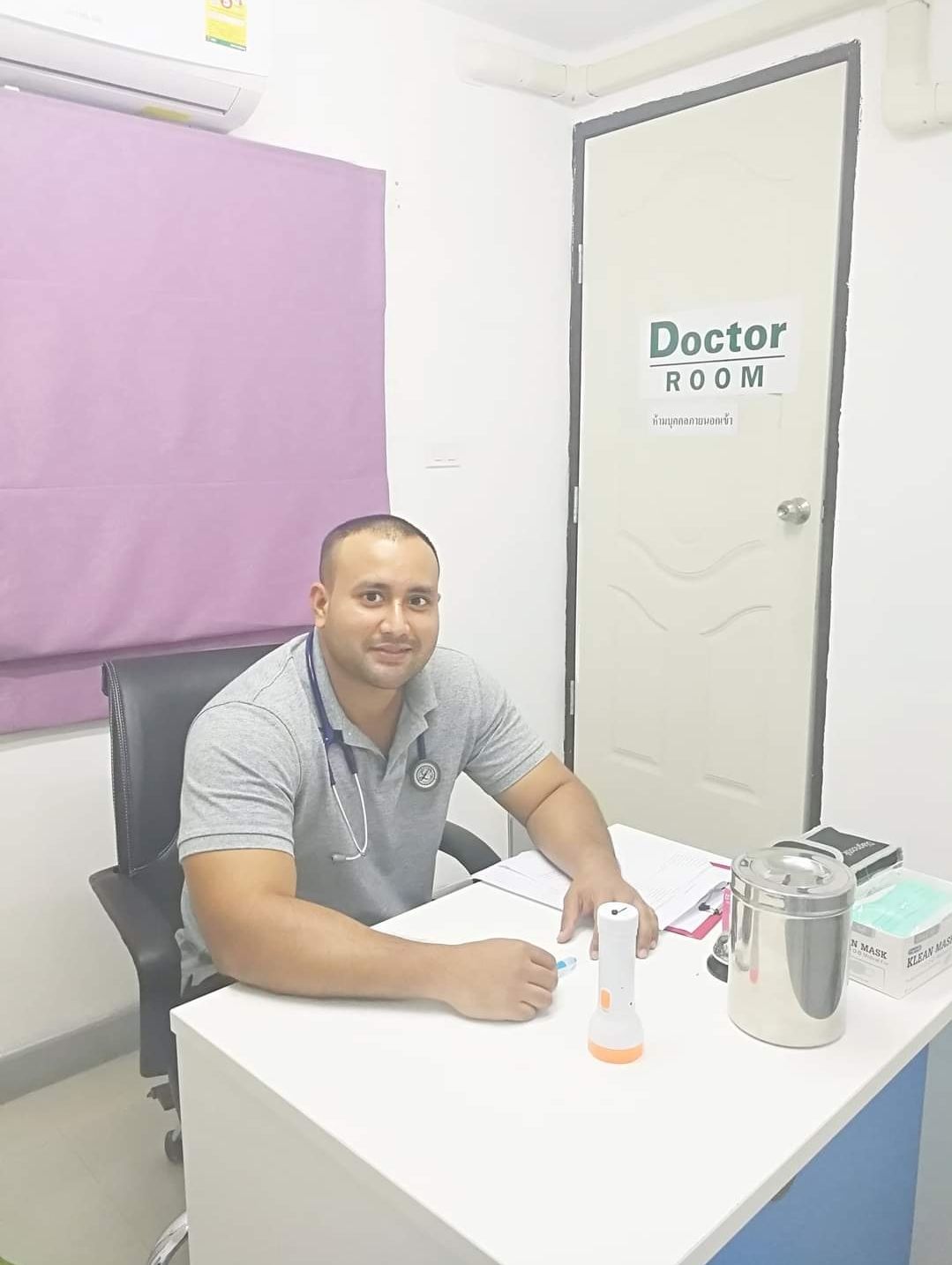
Dr. Ponlawat Pitsuwan is a physician at Doctor Bangkok, a private clinic in central Bangkok. He sees expats, residents, and medical tourists for general medicine, wellness consultations, and IV therapy. His focus is straightforward, evidence-based care delivered in plain language.