
Clinically reviewed by Dr. Ponlawat Pitsuwan, Physician, Doctor Bangkok. Last reviewed: July 2026
A food allergy involves your immune system and can be life-threatening. A food intolerance does not involve your immune system and is rarely dangerous, though it can make you feel awful. The symptoms overlap enough to cause real confusion, but the difference matters because the testing, management, and urgency are completely different.
If you have been reacting to food in Bangkok and are not sure what is going on, you are not alone. I see this regularly, especially with expats who have moved here and are eating things they never ate before. Thai food is full of ingredients that do not appear on Western menus, and when your body starts reacting, it is not always obvious whether something serious is happening or whether your digestive system is just adjusting.
The honest answer is: you need to know which one you are dealing with. A food allergy can kill you in minutes if it is severe enough. A food intolerance will not. That is not a small distinction.

What Is a Food Allergy?
A food allergy is your immune system making a mistake. It sees a harmless food protein, decides it is a threat, and fires back. That response is what causes the symptoms.
The reaction is usually fast. Most people feel something within minutes to two hours of eating the trigger food. Symptoms can include hives, swelling of the lips or throat, vomiting, and in severe cases, anaphylaxis. Anaphylaxis is a full-body allergic reaction that can drop your blood pressure and close your airway. That is the emergency.
Even a tiny amount of the food can trigger a reaction. There is no safe threshold that applies to everyone. Cross-contamination from shared woks, oils, or utensils is a real risk, not a theoretical one.
What Is a Food Intolerance?
A food intolerance is a digestive problem, not an immune problem. Your body struggles to process a certain food or ingredient. Lactose intolerance is the most common example: you do not have enough of the enzyme that breaks down lactose, the sugar in dairy. Eat too much dairy and you get bloating, cramps, and diarrhoea.
The key difference from allergy is this: amount matters. Many people with intolerances can eat small amounts without any problem. Reactions tend to come on more slowly, often hours after eating, not minutes. They are uncomfortable but not life-threatening.

Side-by-Side Comparison
| Food Allergy | Food Intolerance | |
|---|---|---|
| Immune system involved? | Yes | No |
| How fast do symptoms appear? | Minutes to 2 hours | Hours, sometimes longer |
| Can a small amount cause a reaction? | Yes, even trace amounts | Usually not — dose matters |
| Life-threatening? | Can be, if anaphylaxis occurs | No |
| Main symptoms | Hives, swelling, vomiting, breathing difficulty | Bloating, cramps, diarrhoea, headache |
| Testing | IgE blood test, skin prick test | Elimination diet, breath tests, celiac blood test |
| Management | Strict avoidance, carry epinephrine if prescribed | Reduce or avoid trigger food |
The Bangkok Context: Thai Food, Hidden Allergens, and Language Barriers
This is the part most articles miss. Thai food is genuinely high-risk if you have a food allergy, and not because Thai food is bad. It is because so many dishes contain multiple common allergens hidden inside sauces and pastes you cannot always see or taste.
Shrimp paste, called kapi, goes into the base of many curries and into som tam. Peanuts appear whole in Pad Thai and satay but also as oil in dishes where you would not expect them. Fish sauce, nam pla, is in almost everything savoury. Soy sauce contains wheat. Even dishes that seem safe can be cross-contaminated in a shared wok.
If you have a known allergy, learn this phrase: pae ar-harn. It means food allergy in Thai. Then specify the food: pae goong means shrimp allergy, pae tua lisong means peanut allergy. Writing it down is more reliable than saying it aloud. Showing kitchen staff a Thai-language allergy card is better still. At Doctor Bangkok, I can help patients prepare one of these during a consultation.
When It Gets Complicated
Some conditions sit uncomfortably between allergy and intolerance. Celiac disease is one. It is an immune response to gluten, but it does not cause anaphylaxis. It damages the gut lining over time and requires lifelong strict gluten avoidance. Diagnosis involves a blood test and sometimes a gut biopsy.
Oral allergy syndrome is another condition I see fairly often. Some people get itching or tingling in the mouth after eating raw fruit or vegetables. This is an immune reaction linked to pollen allergies, but it is usually mild and stays in the mouth.
If you have been told you might have IBS and are still unsure what is triggering your symptoms, get a proper assessment. Overlapping conditions are common, and guessing which food to cut out rarely works long-term.
How Are They Diagnosed, and Why Home Testing Kits Fall Short
For a true food allergy, the reliable tests are a specific IgE blood test or a skin prick test. These measure your immune response to particular foods. If one comes back positive, it is almost certainly real.
The test I want to flag caution about is IgG food sensitivity testing. These panels are heavily marketed in Bangkok and online. The problem is that IgG antibodies to food are a normal part of digestion. Major allergy organisations do not recommend IgG testing as a diagnostic tool, and a positive result does not confirm that you are intolerant to that food.
For intolerance, the tools that actually work are breath tests for lactose or fructose, blood tests for celiac disease, and structured elimination diets done under medical guidance. At Doctor Bangkok, we help you choose the right test for your symptoms rather than running a panel that does not answer your question.
When Should You See a Doctor?
If you have had any of these, do not wait: hives or swelling after eating, tightness in the throat, vomiting with difficulty breathing, or dizziness after a meal. These need clinical assessment today.
If your symptoms are milder but persistent, such as bloating after every meal, regular loose stools, or headaches after certain foods, that also deserves a proper look. Managing your diet by avoiding everything is not a long-term solution.
If you already carry an epinephrine auto-injector and have not had a formal allergy review since arriving in Bangkok, book one. Your action plan from home may not translate directly to the food environment here. Our allergy treatment service can help you get that review done properly.
Not sure whether you are dealing with a food allergy or a food intolerance? Doctor Bangkok offers allergy assessment and testing at our clinic in central Bangkok, close to BTS. English-speaking physicians, same-week appointments available. We can help you get a real answer, not just a list of foods to avoid. Visit our allergy treatment page or book a consultation at doctorbangkok.co.th.
Frequently Asked Questions
Can a food intolerance turn into a food allergy over time?
No. They are completely different processes involving different parts of your body. That said, you can develop a new food allergy at any age, completely independently of any intolerance you already have. Adults can develop shellfish or peanut allergies with no childhood history, which matters if you have moved to Thailand and are eating these foods regularly for the first time.
I keep reacting to Thai food in Bangkok. How do I know if it is an allergy or an intolerance?
Timing is your first clue. If you get hives, swelling, or breathing difficulty within two hours of eating, that points strongly to allergy. If you get bloating, cramps, or diarrhoea a few hours later, intolerance is more likely. Thai food contains many potential triggers at once, so self-diagnosis is unreliable. A proper blood test will give you a clearer answer than trial and error.
Are IgG food sensitivity tests worth getting in Bangkok?
In most cases, no. IgG testing is not validated as a diagnostic tool by major allergy organisations, and a positive result does not confirm that you are actually intolerant to that food. A structured elimination diet or a breath test is a more reliable route. Talk to a doctor before spending money on a panel that may not answer your question.
What should I do if I think I am having a severe allergic reaction in Bangkok?
Call 1669, the Thai emergency number, or get to the nearest private hospital emergency department immediately. If you have a prescribed epinephrine auto-injector, use it first, then go. Do not wait to see if symptoms improve on their own. Bangkok has well-equipped private hospitals with English-speaking staff, and speed is what matters most.
What are the most common hidden allergens in Thai food that expats should know about?
Shrimp paste is in most curry bases and in som tam. Peanuts appear whole and as oil in many dishes including Pad Thai. Fish sauce is in almost every savoury dish. Soy sauce contains wheat. Coconut milk is in many curries and desserts. The phrase to learn is pae ar-harn for food allergy, then specify: pae goong for shrimp, pae tua lisong for peanuts. Writing it in Thai is more reliable than saying it aloud.
Is gluten sensitivity the same as celiac disease?
No. Celiac disease is a specific immune condition that damages the lining of your small intestine and requires lifelong strict gluten avoidance. Non-celiac gluten sensitivity produces symptoms without that immune damage. Both are different from a wheat allergy. Getting the right diagnosis matters because the management is different for each one.
Dr. Ponlawat Pitsuwan
Physician, Doctor Bangkok
a private medical clinic in central Bangkok. He sees expats, residents, and medical tourists for allergy assessment, general medical consultations, and health checks. His focus is straightforward, evidence-based care delivered in plain language.
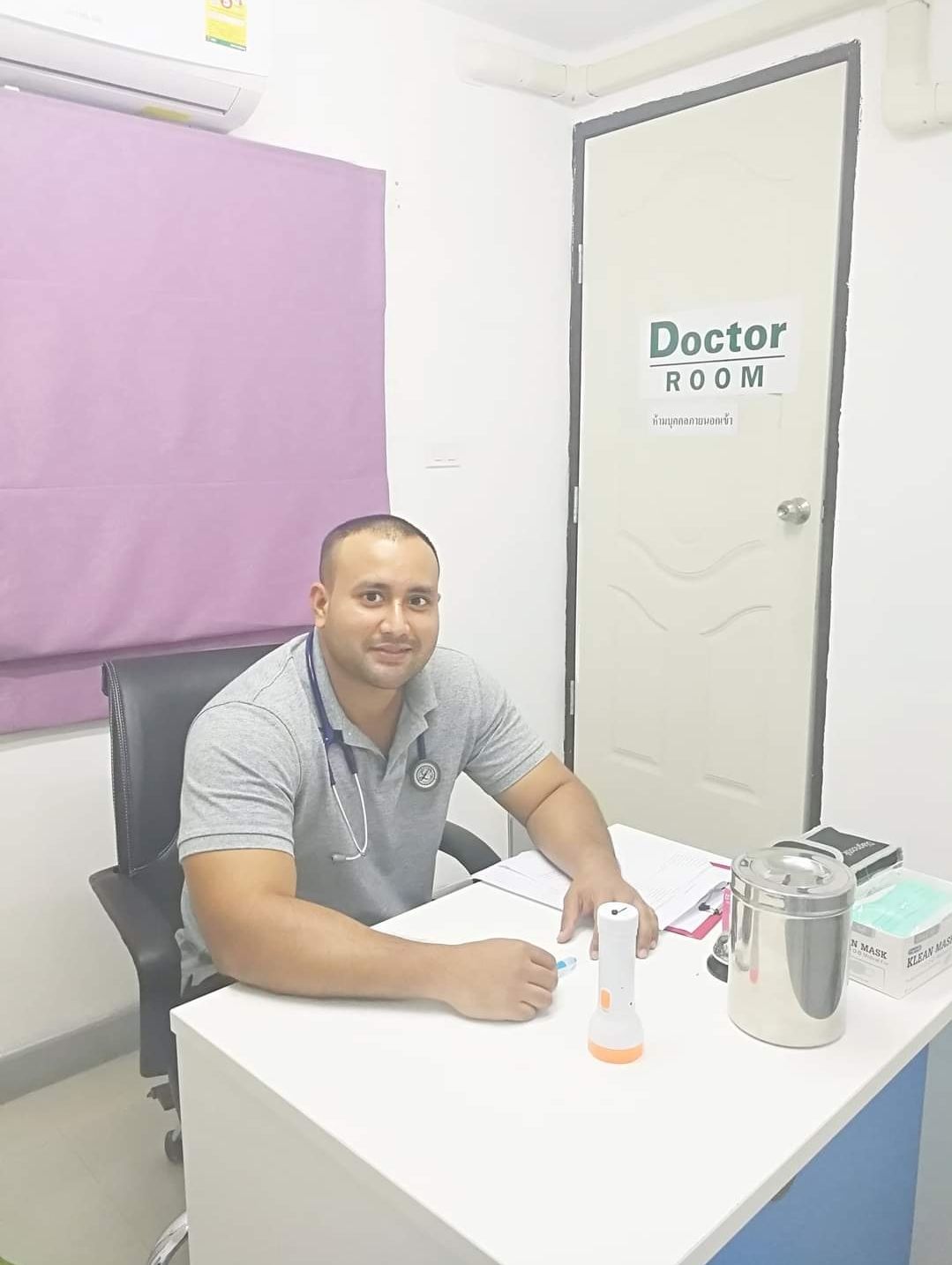
Dr. Ponlawat Pitsuwan is a physician at Doctor Bangkok, a private clinic in central Bangkok. He sees expats, residents, and medical tourists for general medicine, wellness consultations, and IV therapy. His focus is straightforward, evidence-based care delivered in plain language.