


Clinically reviewed by Dr. Ponlawat Pitsuwan, Physician, Doctor Bangkok.
Last reviewed: July 2026
You cannot tell from fever height alone. Bacterial fevers tend to come with localised pain, productive symptoms like coloured mucus or cloudy urine, and they often get worse without treatment. Viral fevers usually improve on their own within a few days. In Bangkok, the picture is more complicated because dengue, typhoid, and leptospirosis all need to be ruled out. A blood test is the only reliable way to know what you are dealing with.
If you are sitting in your Bangkok apartment with a fever that has lasted two or three days, this article is for you. Most people want to know one thing: do I need antibiotics or not? The honest answer is that you cannot tell from symptoms alone, and in Bangkok especially, guessing wrong carries real risk.
The good news is that a basic blood test can point us in the right direction quickly. Here is what actually separates a bacterial fever from a viral one, what warning signs should make you act fast, and what to expect from a proper fever assessment in Bangkok.

Bacterial Versus Viral Fever — What Actually Differs
The body raises its temperature in response to infection, whether bacterial or viral. That part is the same. What differs is everything around the fever.
Bacterial infections tend to produce more focused symptoms. A bacterial throat infection gives you white patches on your tonsils and severe pain swallowing. A urinary tract infection gives you burning, urgency, and sometimes low back pain. Bacterial pneumonia gives you a cough with coloured phlegm and chest discomfort. There is usually a clear site of infection.
Viral fevers feel more spread out. Fatigue, body aches, runny nose, dry cough. They affect the whole body rather than pointing to one specific place. Most of the time, they peak and improve within three to five days.
The overlap is real, though. Some bacterial infections start with nothing but fever. Some viruses make you feel awful for a week. This is why symptoms alone are not enough.
Fever Symptoms — Bacterial Versus Viral at a Glance
| Feature | More Likely Bacterial | More Likely Viral |
|---|---|---|
| Onset | Often gradual, can be sudden | Often sudden |
| Fever pattern | Persistent, may worsen | Peaks then improves within days |
| Localised pain | Common (throat, ear, chest, urine) | Uncommon |
| Mucus colour | Yellow or green | Clear or white |
| Fatigue | Moderate to severe | Often severe early on |
| Response to paracetamol | Partial, fever returns | Usually good temporary relief |
| Improves without treatment | Often does not | Usually yes, within 5 to 7 days |
| Needs antibiotics | Yes | No |

Why Bangkok Changes the Picture
This is the part that generic health websites miss entirely. In Bangkok and across Thailand, a fever is not just a cold or strep throat until proven otherwise.
Studies on acute febrile illness in Bangkok hospitals have found that dengue, leptospirosis, murine typhus, and bacteremia are all common causes of fever here. Many of these start with nothing but fever, headache, and muscle aches. You cannot tell them apart by how you feel.
Dengue is viral and needs no antibiotics. Typhoid, leptospirosis, scrub typhus, and murine typhus are bacterial and require specific antibiotics, started early. Getting this wrong matters. A fever lasting more than two or three days in Bangkok needs a blood test, not a wait-and-see approach.
Bacterial Infections That Are Specific to Thailand
Most expats have heard of typhoid. Fewer have heard of the others, and these are the ones that catch people off guard.
Scrub typhus is carried by mite bites and is found in rural and semi-rural parts of Thailand. It causes a sustained high fever, headache, and sometimes a small dark scab at the bite site. Many patients never notice the bite at all.
Murine typhus comes from fleas on rats and is genuinely urban. Bangkok’s rat population is large, and this infection turns up more often than people expect. Leptospirosis spreads through water or soil contaminated with animal urine, which makes flooding season in Bangkok a real risk window. All of these respond to antibiotics. None of them you would catch without testing.
Red Flag Symptoms — When to Act Now
Most fevers do not need emergency care. But some do, and the line matters.
Go to a hospital immediately if your temperature is above 39.4°C and not coming down. Go immediately if you have a high fever alongside a stiff neck and severe headache, which can signal bacterial meningitis. Fever with a spreading rash, confusion, rapid breathing, or feeling faint are signs of potential sepsis, where infection has entered the bloodstream.
Do not wait for all these symptoms to appear together. One red flag alongside a high fever is enough. At Doctor Bangkok, we see patients who waited too long because each symptom seemed manageable on its own. When in doubt, come in.
How We Diagnose a Bacterial Fever
When you come in for a fever assessment, we do not guess. We run a blood test.
We start with a complete blood count, known as a CBC. This shows us the pattern of white blood cells your body is producing, which helps point toward bacterial or viral infection. We also check your C-reactive protein, or CRP, a marker that rises with inflammation. A high CRP alongside the right symptoms increases the likelihood of a bacterial cause, though no single test is definitive.
In Bangkok, depending on your symptoms and recent activities, we often add dengue testing, typhoid testing, or leptospirosis serology to the panel. A blood culture may be taken if we are concerned bacteria have entered the bloodstream. Most routine results come back the same day or within 24 to 48 hours.
The Antibiotic Question
Antibiotics are easy to buy over the counter in Thailand. I understand the temptation, especially when you are in pain and want to do something. But I would strongly advise against it.
The antibiotic that works depends entirely on which bacteria is causing your infection. Taking the wrong one does not address the infection, can cause side effects, and contributes to antibiotic resistance, which is already a serious problem in Southeast Asia. Leptospirosis, typhoid, and scrub typhus each require different antibiotics, based on the infection and local resistance patterns.
When we prescribe at Doctor Bangkok, we choose based on your blood results, your symptoms, and when needed, culture results that show exactly which antibiotic the bacteria responds to. That is how you get better faster and avoid making things worse.
What You Can Do at Home While You Wait
Paracetamol is appropriate for bringing your temperature down while you wait to be seen. Take it as directed on the packaging. Ibuprofen can help with pain but should not be taken on an empty stomach.
Stay hydrated. Fever increases fluid loss. Water, electrolyte drinks, or clear broths all help. Rest. Do not push through a fever by going to work or exercising.
Do not take antibiotics left over from a previous illness, or anything bought without a prescription. If your fever has not improved after two full days, or any red flag appears, stop waiting and see a doctor.
Fever that does not break after two days in Bangkok needs a blood test, not a guess. At Doctor Bangkok, we offer same-day fever assessment including CBC, CRP, dengue testing, and tropical infection panels. Our English-speaking physicians see expats, residents, and visitors throughout the week, with no referral needed. Book your appointment or walk in at doctorbangkok.co.th/fever-treatment/.
How can I tell if my fever is bacterial or just dengue in Bangkok?
Dengue is the most common cause of acute fever in Bangkok and it is viral, so antibiotics will not help. Classic signs include intense headache, eye pain, and sometimes a rash. The only way to be sure is a blood test, specifically a dengue NS1 antigen and a CBC with platelet count. Do not assume either way, come in and get tested.
Do I need antibiotics for a bacterial fever, and can I buy them over the counter in Bangkok?
Yes, you can buy antibiotics over the counter at many Bangkok pharmacies. No, you should not. The wrong antibiotic does nothing for your infection and can cause real harm. The right one depends on which bacteria is involved, and that requires a test. See a doctor before taking anything.
What blood tests will the doctor order if I have a bacterial fever?
We typically start with a CBC to look at your white blood cell pattern and a CRP to check inflammation levels. Depending on your history, we may add dengue testing, typhoid testing, leptospirosis serology, or a blood culture. The combination is tailored to your symptoms and exposure history.
When should I go to the emergency room for a fever in Bangkok?
Go immediately if your fever is above 39.4°C and not responding to paracetamol, or if you have neck stiffness, confusion, a spreading rash, rapid breathing, or feel faint. These can be signs of bacterial meningitis or sepsis. For anything less severe but persisting beyond two to three days, come to a clinic like Doctor Bangkok for same-day assessment.
Is leptospirosis a real risk in Bangkok, and does it cause fever?
Yes, it is real here. Leptospirosis spreads through water or soil contaminated with infected animal urine, and Bangkok flooding raises that risk every rainy season. It starts with sudden high fever, severe headache, and muscle pain, and can progress to organ damage if not treated early. If you have waded through floodwater and now have a fever, tell your doctor.
How long does a bacterial fever last without treatment?
Bacterial fevers generally do not resolve cleanly on their own the way viral ones do. Some will persist and worsen over time. A fever still present after three days, or one that briefly improves then returns, is a sign something bacterial may be driving it. Do not keep waiting.
Dr. Ponlawat Pitsuwan
Physician, Doctor Bangkok
a private medical clinic in central Bangkok. He sees expats, residents, and medical tourists for fever assessment, tropical infection workups, and general medical consultations. His focus is straightforward, evidence-based care delivered in plain language.
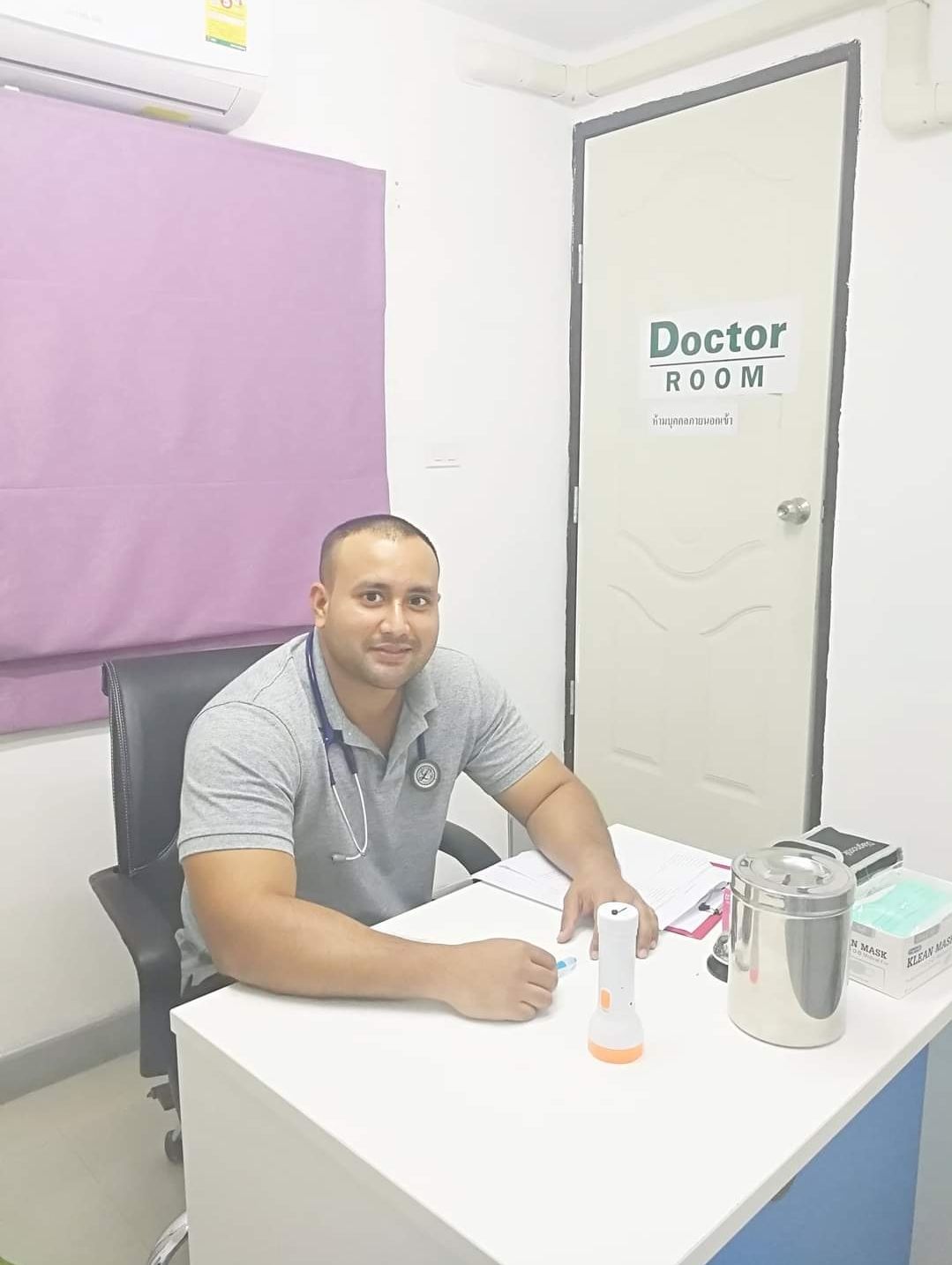
Dr. Ponlawat Pitsuwan is a physician at Doctor Bangkok, a private clinic in central Bangkok. He sees expats, residents, and medical tourists for general medicine, wellness consultations, and IV therapy. His focus is straightforward, evidence-based care delivered in plain language.