

Clinically reviewed by Dr. Ponlawat Pitsuwan, Physician, Doctor Bangkok. Last reviewed: June 2026
An infected wound usually shows redness that is spreading, increasing pain, warmth, swelling, or pus. If you also have a fever, red streaks coming from the wound, or the wound smells bad, you need to see a doctor the same day. Not every infected wound needs antibiotics. Some need drainage first. A doctor needs to look at it to decide.
You got a cut a few days ago. Maybe it was a motorbike scrape, a fall on a Bangkok footpath, or a kitchen knife. You cleaned it, put a plaster on it, and thought nothing of it. Now it looks worse than it did yesterday. It is redder, puffier, maybe oozing something. You are not sure if that is just healing or if something is wrong.
This is one of the most common things I deal with at Doctor Bangkok. Wounds in a tropical climate behave differently than they do in cooler countries. Bangkok’s heat and humidity can make a minor wound turn infected much faster than people expect. This article will help you tell the difference between normal healing and a real infection, know when you need medical care, and understand when antibiotics are and are not the answer.

Normal healing vs infection: how to tell the difference
In the first day or two after a cut, some redness, mild swelling, and warmth around the wound is completely normal. Your body is responding to the injury. A small amount of clear or slightly yellow fluid is also normal. This is not pus. This is your body doing its job.
What is not normal is when those signs get worse instead of better. If the redness is spreading outward from the wound edge, if the pain is increasing rather than settling, or if the fluid becomes thick and cloudy, pay attention. An infected wound usually looks angrier on day three than it did on day one.
If you are unsure, watch it for 24 hours. Improving means it is probably healing. Getting worse means do not wait any longer.
Signs of wound infection: what to look for
The clearest sign is spreading redness. If you draw a line around the red area and it has crossed that line by the next morning, the infection is moving. That spreading redness is called cellulitis, a bacterial skin infection that needs treatment.
Red streaks running from the wound toward your armpit or groin are more serious. It means the infection is tracking through your lymph system. This needs same-day attention, not tomorrow, not after work.
You should also think about tetanus if your wound came from something rusty, dirty, or outdoors. Most adults have not had a booster in years. I check this with almost every patient who comes in with a contaminated wound, and a surprising number are overdue.

Wound infection symptoms: redness, swelling, pus, and fever
The classic signs are redness, swelling, warmth, and pain at the wound. When pus appears, the infection is already established. Pus is thick discharge, usually yellow, green, or grey. It smells different from normal wound fluid. You will know.
Fever means your body is fighting something beyond just the skin. A temperature above 38 degrees Celsius alongside an infected wound is a combination I take seriously. It can mean the infection has spread deeper or into the bloodstream. I am not saying this to frighten you. I am saying it so you do not sit on it.
In Bangkok, if you cut yourself in floodwater, canal water, or a drain, there is an added concern: leptospirosis. This bacterial infection enters the body through broken skin and contaminated water. It is genuinely present in Bangkok’s urban waterways. If this applies to you, get assessed the same day. Do not just clean the wound and move on.
Why Bangkok’s climate matters for wound infection
I tell every patient who comes in with a wound: things move faster here. Bangkok sits at around 30 to 35 degrees Celsius for most of the year with very high humidity. Bacteria thrive in exactly these conditions.
A wound that might stay clean for several days in a cooler climate can begin showing infection signs within 24 to 48 hours here. Sweating keeps the wound moist. Clothing traps heat. If you are out on a motorbike or walking on hot pavements, the wound is warm, wet, and exposed.
This is not a reason to panic. It is a reason to check your wound every day and act quickly when something looks off. The sooner you come in, the simpler the treatment.
High-risk wounds in Bangkok: when to skip the waiting
Some wounds need to be seen right away, before any infection signs appear. Motorbike road rash is one. Bangkok’s road surface is not clean. Gravel and dirt embedded in a wound are difficult to remove at home and raise infection risk significantly.
Animal bites, whether from a dog, cat, or monkey, need immediate assessment. Rabies is present in Thailand and the timing of post-exposure treatment matters. Do not clean it and hope for the best.
Deep puncture wounds, wounds near joints or bones, and wounds in people with diabetes or immune conditions all need prompt review. These situations allow infection to go deeper faster and become harder to treat.
Antibiotics for wound infection: which ones doctors prescribe
When I decide whether to prescribe antibiotics, I am thinking about the wound type, how deep it is, what bacteria are likely involved, and how far the infection has spread. There is no single antibiotic that covers all wound infections. The choice depends on what I see in front of me.
For most uncomplicated skin infections, oral antibiotics such as amoxicillin-clavulanate or cephalexin are commonly used. Bite wounds need broader coverage. Wounds from water need a different choice again. A prescription from a doctor who has actually examined the wound matters for this reason.
Antibiotic resistance is a real problem across Southeast Asia. Using the wrong antibiotic, or using one when it is not needed, makes resistance worse. If a wound just needs proper cleaning and dressing, I will tell you that instead.
For wounds not responding to initial treatment, a wound swab can identify which bacteria are present and which antibiotic will work. This is especially useful when a wound has not improved after a few days. For severe infections with fever or rapidly spreading redness, IV antibiotics at the clinic may be needed before switching to oral treatment.
Wound with pus: what antibiotic is used and when is drainage needed?
Here is something most patients do not know: if you have a pocket of pus, antibiotics alone usually will not fix it. A walled-off collection of pus, called an abscess, cannot be reached effectively by antibiotics. The pus needs to come out.
The procedure is called incision and drainage. A doctor makes a small opening, drains the pus, cleans the cavity, and the wound can heal properly. It sounds worse than it is. With local anaesthetic, most patients are surprised by how fast and manageable it is.
After drainage, whether you need antibiotics depends on whether the infection spread beyond the abscess itself. Fever or surrounding redness means yes. A contained abscess in someone who is otherwise well sometimes needs drainage alone. You can find out more about what this involves at our wound care clinic in Bangkok.
Got a wound that is not healing, looks infected, or needs proper cleaning and dressing? Doctor Bangkok offers wound care, abscess drainage, wound swabs, antibiotic prescriptions, and tetanus assessment in central Bangkok. Our English-speaking doctors are available daily and the clinic is BTS accessible. If you are not sure whether your wound needs attention, come in and let us take a look. Book your appointment at doctorbangkok.co.th/wound-care-bangkok/.
How quickly can a wound become infected in Bangkok’s climate?
Faster than most people expect. Bangkok’s heat and humidity are ideal for bacteria to multiply on broken skin. A wound that might stay clean for several days in a cooler country can start showing infection signs within 24 to 48 hours here. Check your wound every day and come in if it looks worse rather than better.
Can I treat an infected wound at home with antiseptic, or do I need antibiotics?
A very minor surface scrape with minimal redness may respond to thorough cleaning and antiseptic. But if the redness is spreading, the pain is getting worse, pus is present, or you have a fever, you need to be seen. The right antibiotic depends on the wound type and bacteria involved, so self-treating with whatever is available at a pharmacy is not a safe approach.
Does a wound with pus always need antibiotics?
Not always. A pocket of pus usually needs to be drained first. Antibiotics alone cannot reach inside a walled-off abscess. After drainage, whether antibiotics are needed depends on whether the infection has spread. A doctor needs to make that call, not a pharmacist.
What are red streaks coming from a wound a sign of?
Red streaks running from the wound toward your body mean the infection is spreading through your lymphatic system. This needs same-day medical attention. Do not wait to see if it improves. Visit Doctor Bangkok or go to an emergency department the same day.
I cut myself wading through floodwater in Bangkok. What should I do?
Come in for assessment. Bangkok floodwater and canal water carry bacteria including leptospirosis, which enters the body through broken skin. Clean the wound thoroughly right away, but that is not enough on its own. A doctor should assess the risk and discuss whether any preventive treatment is needed.
When do I need IV antibiotics instead of oral antibiotics for a wound infection?
If you have a fever, the redness is spreading fast, or you feel generally unwell alongside a wound infection, IV antibiotics may be needed to get things under control quickly. Doctor Bangkok can administer IV antibiotics at the clinic before switching you to oral treatment at home once you are improving.
Do I need a tetanus shot after getting a wound in Bangkok?
Possibly. If your wound came from something rusty or dirty, or happened outdoors, and you have not had a tetanus booster in the last five years, you should have one. Many adults are overdue without realising it. We check this routinely during wound assessments at Doctor Bangkok.
Dr. Ponlawat Pitsuwan
Physician, Doctor Bangkok
a private medical clinic in central Bangkok. He sees expats, residents, and medical tourists for wound care, wound infection assessment, abscess drainage, and general medical consultations. His focus is straightforward, evidence-based care delivered in plain language.
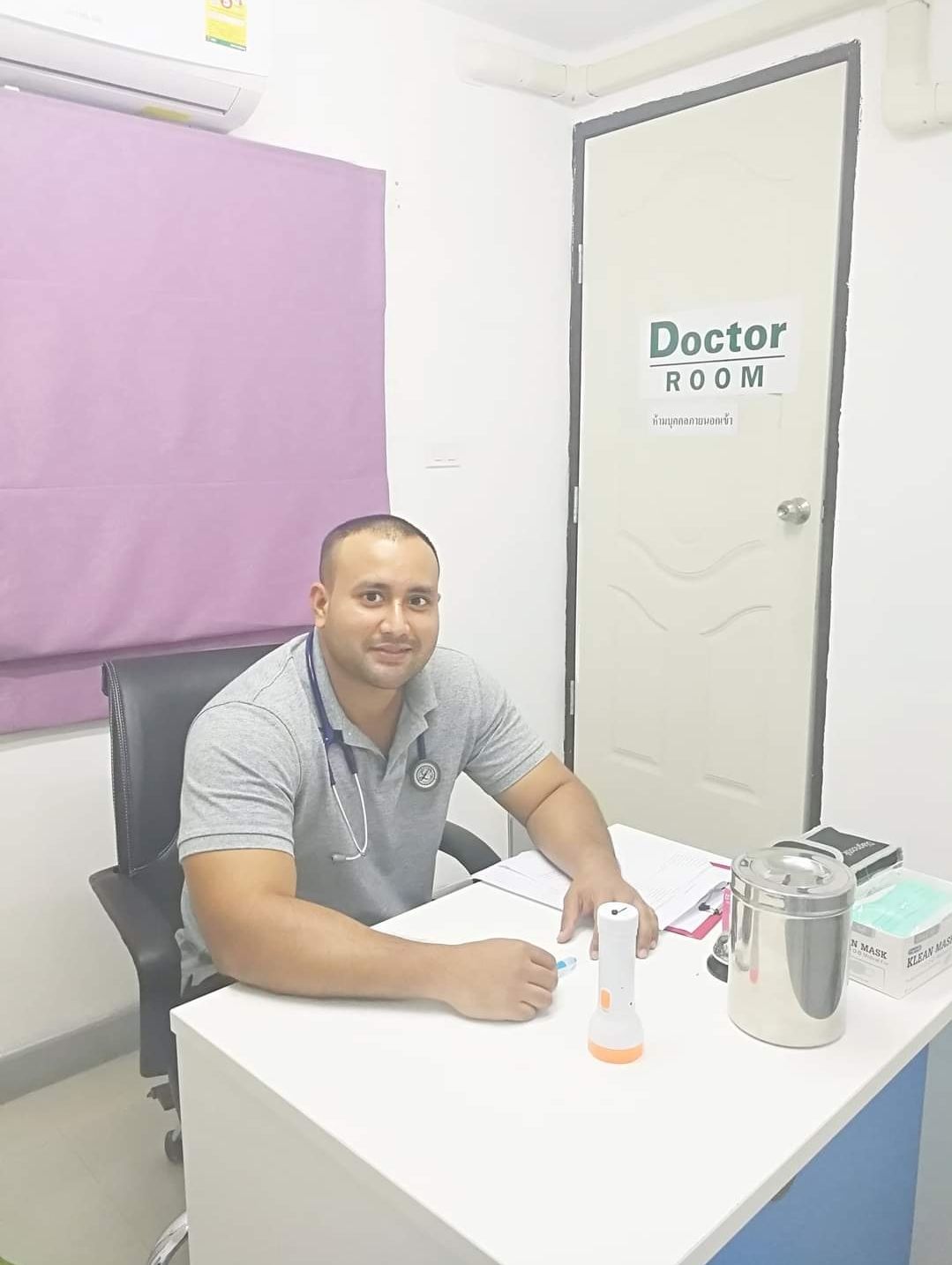
Dr. Ponlawat Pitsuwan is a physician at Doctor Bangkok, a private clinic in central Bangkok. He sees expats, residents, and medical tourists for general medicine, wellness consultations, and IV therapy. His focus is straightforward, evidence-based care delivered in plain language.