
Clinically reviewed by Dr. Ponlawat Pitsuwan, Physician, Doctor Bangkok.
Last reviewed: July 2026
TRT stands for testosterone replacement therapy. It is a medical treatment for men whose bodies do not produce enough testosterone. A doctor confirms low levels through blood tests, then prescribes testosterone to bring levels back into a healthy range. It is not a supplement and it is not a shortcut. It is a prescribed hormonal treatment that requires proper diagnosis and ongoing monitoring.
Most men who come to see me about this have spent months, sometimes years, putting it down to something else. The heat. The late nights. Work stress. Too much time on planes. Bangkok does a good job of masking low testosterone because the lifestyle here gives you plenty of other things to blame. But if you have been tired in a way that sleep does not fix, if your motivation has gone flat, if your libido has dropped or your body composition has shifted despite reasonable effort in the gym, low testosterone is worth investigating.
TRT is the medical treatment for men with confirmed low testosterone. It is not a bodybuilding drug, and it is not something you just ask for and get handed. Done properly, it involves a blood test, a clinical assessment, a prescription, and ongoing monitoring. This article covers what TRT is, how to know if you need it, what the treatment involves, and how to access it in Bangkok.

Signs and symptoms of low testosterone
The symptoms are easy to miss because they creep in slowly. Fatigue is the most common complaint I hear. Not the kind you fix with a good night’s sleep, but a flat, grey tiredness that sits with you all day. Low motivation. Brain fog, that feeling that your thinking is slower and less sharp than it used to be. Low libido. Difficulty building or keeping muscle. Increased body fat, especially around the belly.
Mood changes are common too, sometimes irritability, sometimes a low-level flatness that does not quite reach depression but does not feel right. Some men notice erections are less reliable, or that morning erections have stopped. If several of these sound familiar, that is enough reason to get your levels checked. Symptoms alone do not diagnose low testosterone, but they are a clear signal to run the blood work.
What causes low testosterone?
The most common cause in the men I see in Bangkok is age-related decline. Testosterone production typically starts dropping in the mid-thirties and continues gradually. Some men feel it at 38. Others do not notice until 50. The rate varies considerably between individuals.
Other causes include obesity, significant alcohol use, sleep apnea, chronic illness, and certain medications. The blood panel we run before starting any treatment tells us where the problem sits and helps rule out other causes.

How is low testosterone diagnosed?
You cannot diagnose low testosterone from symptoms alone. You need blood tests, and they need to be done properly, which means a morning draw. Testosterone levels are highest early in the day and drop through the afternoon.
The standard panel I use includes total testosterone, free testosterone, SHBG, LH, FSH, estradiol, PSA, a full blood count, liver function, and lipids. Free testosterone is the active portion your body can actually use, and it matters a great deal in men whose total testosterone looks borderline. Most guidelines recommend confirming low levels with two separate morning draws before starting treatment.
How does TRT work?
TRT replaces the testosterone your body is not making enough of. Your levels come back up into a normal range, and over time, the symptoms of deficiency improve.
There is one effect worth knowing before you start. When testosterone comes from an outside source, your brain detects it and turns down its own signals to the testicles. Your testicles then reduce their own production, including sperm production. This matters if you are thinking about fertility. I cover that below.
TRT delivery methods
Testosterone injections are the most common method I use in Bangkok and the most practical for most patients. Testosterone enanthate and cypionate are injected every one to two weeks. Testosterone undecanoate is a longer-acting option given every ten to twelve weeks, which suits patients who prefer less frequent dosing.
Testosterone gels are applied to the skin daily. They work well but require care around skin contact with partners, particularly women who are pregnant. Your doctor will match the delivery method to your lifestyle and what makes sense for long-term use.
What are the benefits of TRT?
The benefits are real, but the timeline matters. Energy and mood tend to improve within the first few weeks. Libido and sexual function usually improve by around three months. Changes to muscle mass and body composition take six to twelve months or longer.
The consistent benefits of properly supervised TRT include improved energy, better libido and sexual function, improved mood, and better body composition over time. The degree of improvement depends on how low your baseline levels were, your age, and how well your levels are managed. I tell patients honestly: TRT is not a transformation programme. It restores a deficit. When that deficit is real, the difference can be significant.
Risks, side effects, and who should not take TRT
The most common side effect is a rise in red blood cell count, which thickens the blood. This is monitored through regular blood tests and is manageable, but it is the main reason you cannot take testosterone unsupervised.
TRT can worsen sleep apnea in men who already have it, so this needs to be discussed before starting. It can aggravate an enlarged prostate in men who already have symptoms. Hair loss can accelerate in men who are genetically prone to it. TRT is not given to men with active prostate cancer. The cardiovascular picture is still evolving in the research, but current evidence does not show that properly supervised TRT in men with confirmed low testosterone raises heart risk. Unsupervised use, high doses, and skipping blood work are where the real risk lies.
TRT and fertility
This is the conversation I make sure to have before any man under 45 starts TRT. When you are on testosterone replacement, your body’s own sperm production shuts down. For most men this reverses after stopping, but it can take months and is not guaranteed to be quick.
If you think you might want children in future, there are two options worth knowing. HCG can be used alongside TRT to keep the testes functioning and maintain sperm production. Sperm banking before starting is the other option. Both are worth discussing at your initial consultation. Do not start TRT first and ask this question later.
Monitoring your TRT
Supervised TRT means regular blood work. After starting, I recheck at six to eight weeks, then at three months, then every three to six months through the first year. Stable patients typically settle into twice-yearly monitoring after that.
Each check covers testosterone levels, red blood cell count, PSA, estradiol, and liver and kidney function. The goal is to keep your testosterone in a healthy range, not to push it as high as possible. Monitoring is not optional. It is what makes the treatment safe.
Getting TRT in Bangkok as an expat or visitor
Bangkok is a practical place to manage TRT, especially compared to the waiting times expats describe back in the UK, Australia, or the US. At Doctor Bangkok, the process is straightforward. You book a consultation, we run the blood panel, and if the results and your clinical picture support a diagnosis, we discuss your options and get you started. Most patients have their results within a few days.
For medical tourists or shorter-stay visitors, we can discuss what follow-up looks like after you leave. Some monitoring can be done locally where you are, with results shared remotely. It is not a barrier to starting, but it does require an honest conversation about your situation at the outset. For expats living in Bangkok, ongoing care is simple. English-speaking doctors, BTS-accessible clinics, and no long waits.
Think you might have low testosterone? Doctor Bangkok offers full testosterone blood panels, clinical assessment, and medically supervised TRT for expats, residents, and medical tourists in Bangkok. Book a men’s health consultation at doctorbangkok.co.th. English-speaking doctors. BTS accessible. No long waits.
FAQ
Can I get TRT in Bangkok as a foreigner or tourist?
Yes. TRT is legally prescribed in Thailand by licensed doctors, and private clinics in Bangkok regularly treat international patients. Consultations and blood work can usually be arranged quickly, without the lengthy delays common in many Western healthcare systems. Doctor Bangkok sees both long-term expats and medical tourists for this.
What blood tests do I need before starting TRT?
The standard panel includes total testosterone, free testosterone, SHBG, LH, FSH, estradiol, PSA, a full blood count, liver function, and lipids. Most guidelines recommend two separate morning draws to confirm consistently low levels before prescribing. This is a diagnostic process, not a formality.
Will TRT affect my fertility?
Yes, it can. TRT suppresses your body’s own sperm production in most men. This is typically reversible after stopping, but recovery can take several months. If you may want children in future, discuss HCG co-treatment or sperm banking before you start, not after.
How long does TRT take to work?
Energy and mood often improve within the first few weeks. Libido and sexual function typically improve by three months. Changes to muscle mass and body composition take six to twelve months or longer. Results depend on your baseline levels, the formulation used, and your overall health.
Is TRT safe? What are the real risks?
The main risks are blood thickening, potential worsening of sleep apnea, prostate symptoms in men with existing benign enlargement, and fertility suppression. Current evidence does not show that TRT causes prostate cancer, but it is not given to men with active prostate cancer. Regular blood monitoring manages most risks effectively.
Is TRT permanent? Can I stop if I want to?
You can stop TRT. Your own testosterone production will typically restart, though it may take weeks to months to recover, and some men find their natural levels do not fully return to where they were. This is worth discussing honestly with your doctor before starting, particularly if you are younger.
What is the difference between TRT and anabolic steroids?
TRT replaces testosterone to bring deficient levels back to a normal physiological range. Anabolic steroid use involves taking testosterone or related compounds at doses far above normal, typically for performance or muscle gain. Medically supervised TRT is a treatment for a diagnosed hormonal deficiency, not the same thing.
Dr. Ponlawat Pitsuwan
Physician, Doctor Bangkok
a private medical clinic in central Bangkok. He sees expats, residents, and medical tourists for men’s health, hormonal assessment, and general medical consultations. His focus is straightforward, evidence-based care delivered in plain language.
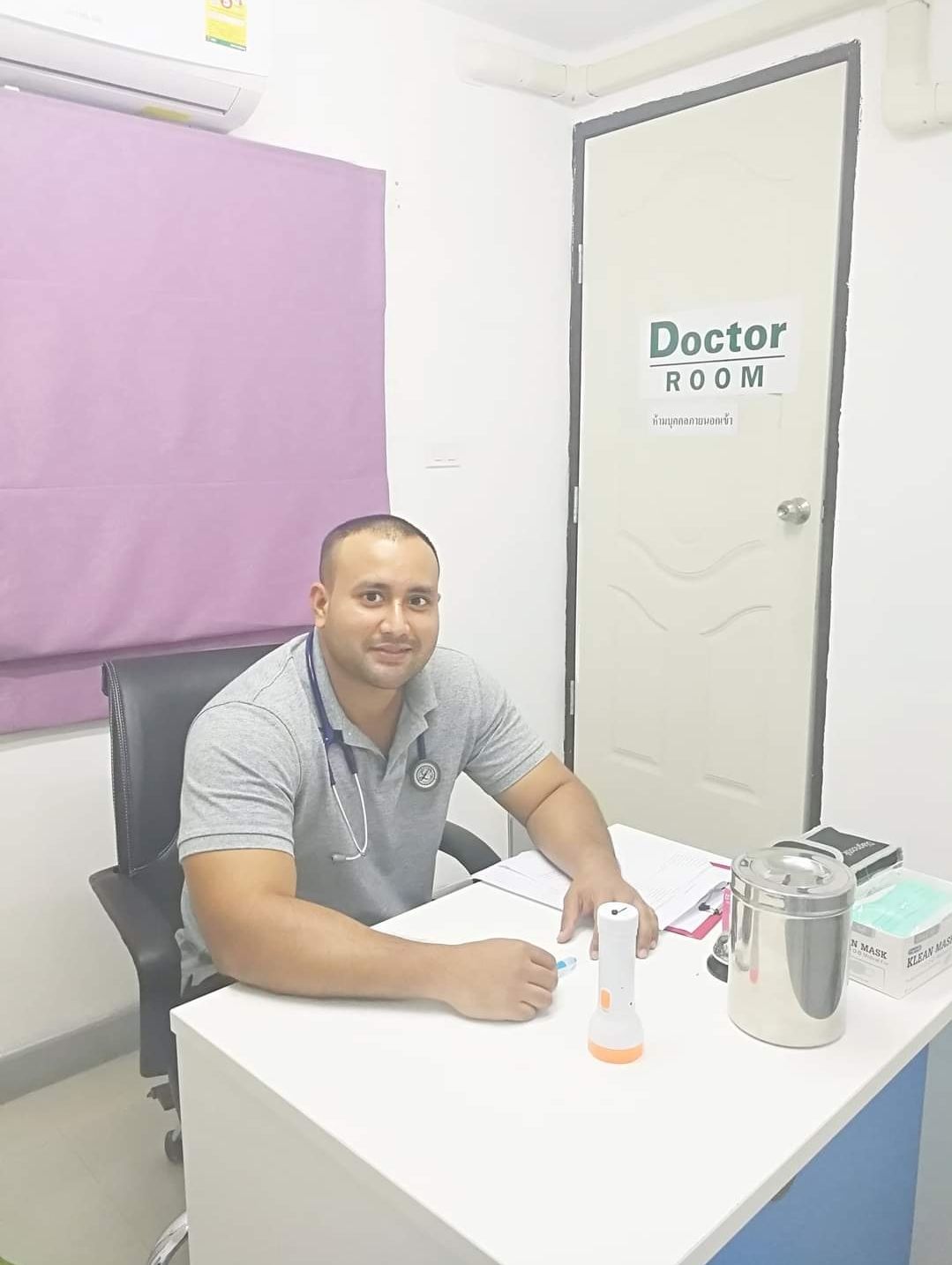
Dr. Ponlawat Pitsuwan is a physician at Doctor Bangkok, a private clinic in central Bangkok. He sees expats, residents, and medical tourists for general medicine, wellness consultations, and IV therapy. His focus is straightforward, evidence-based care delivered in plain language.