
Clinically reviewed by Dr. Ponlawat Pitsuwan, Physician, Doctor Bangkok. Last reviewed: July 2026
Testosterone replacement therapy causes side effects in some men, ranging from acne and fluid retention to more serious changes in red blood cell count and fertility. Most side effects are manageable with proper monitoring and dose adjustments. The key is supervised therapy with regular blood tests, not guesswork.
If you are looking into TRT and feeling overwhelmed by everything that could go wrong, that is understandable. Most men who come to see me have already spent hours reading horror stories online. Some of those stories are real. Some are wildly overblown. What you need is a straight answer about which side effects are common, which are rare, and what you can do about each one.
The short version: TRT has real side effects, and some of them matter. But most are predictable, detectable with blood tests, and manageable when someone is actually watching. The men I worry about are not the ones on supervised therapy. They are the ones buying testosterone from a Bangkok pharmacy and injecting it alone with no monitoring at all.

Common TRT Side Effects and How to Manage Them
These are the side effects I talk about with almost every new patient.
Acne is one of the most common early complaints. Testosterone raises your skin’s oil production, and some men break out on their face, back, or chest within the first few weeks. It usually settles down. If it does not, topical treatments or a dose review can help.
Fluid retention is another common one. Your body holds a little more water than usual, and you might notice mild puffiness around the ankles. It is rarely serious, but worth mentioning at your follow-up.
Mood changes can go both ways. Some men feel noticeably better within weeks. Others notice irritability or mood swings, especially with injectable testosterone, where hormone levels peak sharply after the injection and then drop before the next one. Changing the injection interval or switching delivery method usually helps.
Gynecomastia, which is breast tissue growth, happens when testosterone converts to oestrogen in the body. It affects a minority of men, but when it does happen it can be uncomfortable. We check your oestradiol level on blood tests, and if it is running high, we can adjust your dose or add a medication that slows that conversion.
Serious TRT Side Effects You Need to Know About
These are less common but important enough that I always cover them before anyone starts treatment.
The biggest one is erythrocytosis, which means your body produces too many red blood cells. It thickens the blood and raises the risk of clotting. It is the most common serious side effect of injectable testosterone. We catch it with a routine blood test. If levels rise too high, we reduce the dose, extend the time between injections, or remove a small amount of blood to bring the count down.
Cardiovascular risk is something I get asked about constantly. Current evidence is mixed. A large clinical trial published in the New England Journal of Medicine in 2023 found no significant increase in major cardiovascular events in men with hypogonadism treated with testosterone. But TRT is not risk-free for everyone, particularly men who already have heart disease or uncontrolled blood pressure. We review your full cardiovascular history before starting.
Sleep apnea, where you stop breathing briefly during sleep, can worsen on TRT. If you already snore heavily or wake up exhausted, tell me before we start. It matters for how we approach your dose.

TRT Side Effects on Fertility and Sperm Production
This is the section most men under 40 should read carefully.
When you take testosterone from outside the body, your brain detects it and tells your testes to stop producing their own. This shuts down the hormonal signals your body uses to make sperm. Within weeks, sperm production drops significantly. Your testes may also shrink in size.
For most men, this is reversible after stopping TRT. But recovery can take a year or more, and in some men with long-term use it may not fully reverse. If you think you might want children in the future, we need to talk about this before you start.
There are two practical options. A medication called hCG can be prescribed alongside testosterone to keep the testicular signal going and preserve some sperm production. Sperm banking before starting TRT gives you a biological insurance policy. I recommend it to any man under 45 who has not completed his family.
Does TRT Cause Hair Loss?
Possibly, but probably not as dramatically as you fear.
Hair loss on TRT is driven by DHT, a hormone your body makes from testosterone. If you are genetically prone to male-pattern baldness, TRT may accelerate it. If you are not prone to it, TRT is unlikely to trigger it.
If hair loss is a real concern, certain medications can be used to block DHT conversion. These come with their own side effect profiles, so it is a conversation worth having with your doctor rather than something to self-prescribe.
Side Effects by Delivery Method
| Delivery method | Common side effects | Key consideration |
|---|---|---|
| Injections (enanthate, cypionate) | Elevated red blood cell count, mood swings, injection site reactions | Peak-and-trough hormone levels cause fluctuations |
| Gels and creams | Skin irritation, variable absorption, transfer to partners or children | Must apply carefully and let dry completely |
| Long-acting undecanoate injection | Fewer mood fluctuations, lower red blood cell elevation rates | Given by a clinician every 10 to 14 weeks |
| Patches | Skin reactions at application site | Less commonly used |
Injectable testosterone, particularly shorter-acting forms, is most strongly associated with elevated red blood cell counts and mood swings. This is because hormone levels spike shortly after injection and then fall. Longer-acting undecanoate injections smooth this out considerably.
Gels avoid sharp peaks, but absorption varies from person to person. The bigger practical risk with gels is skin transfer. If a partner or child touches the application site before it dries, they absorb testosterone too. This is a real concern I flag with every patient who chooses a transdermal option.
Rare but Serious: When to Get Help Fast
Most TRT side effects develop slowly and show up on blood tests before you feel them. But a few need immediate attention.
If you inject oil-based testosterone and develop sudden chest pain, coughing, or shortness of breath within minutes of the injection, go to an emergency department immediately. A tiny droplet of oil can enter the bloodstream and reach the lungs. It is rare, but it is real.
Other symptoms that need same-day assessment: sudden vision changes, chest pain unrelated to the injection, severe headache, or weakness on one side of the body. Do not wait these out at home.
Blood Monitoring on TRT: What Gets Tested and Why
If you are on TRT without regular blood tests, you are flying blind.
We check red blood cell thickness to make sure your blood is not getting too thick. We test PSA, a prostate marker, and always do a baseline before starting. We measure oestradiol to see how much testosterone is converting to oestrogen, and SHBG to see how much testosterone is actually active in your system. Liver enzymes, cholesterol, and a full blood count round out the picture.
In the first year, I typically check bloods at three months and six months, then annually once everything is stable. If anything drifts, we adjust before it becomes a problem. This is why I am cautious about men who tell me they have been on testosterone for two years and never had a blood test.
TRT Side Effects Versus the Risk of Untreated Low Testosterone
Most conversations focus entirely on what TRT might do to you. Fewer people ask what low testosterone is doing to you right now.
Chronically low testosterone carries its own risks: reduced bone density, metabolic changes, cardiovascular effects, and mood and cognitive decline. For men who genuinely have low testosterone confirmed on blood tests, the risks of not treating are real and measurable.
This is not a reason to dismiss TRT side effects. It is a reason to weigh them properly. The question is never simply "is TRT risky?" It is "what does the evidence say about risk versus benefit for this specific person?"
Getting TRT Safely in Bangkok
Testosterone is a controlled substance in Thailand, available legally only through licensed physicians. This does not stop men from buying it through other channels, and in Bangkok those channels are not hard to find. But testosterone without monitoring is genuinely dangerous, particularly for blood thickness and cardiovascular risk.
At Doctor Bangkok, we handle all baseline and follow-up blood work in-house. You do not need a local GP, a referral, or a long wait. Our physicians speak English, results are typically available same day or next day, and follow-up monitoring is built into the process.
If you are an expat or visitor considering testosterone therapy in Bangkok, the access and affordability here are genuinely good. The infrastructure for proper monitoring at a private clinic is as good as anything you would find in the UK or US, often faster and at lower cost. The piece that cannot be skipped is the monitoring, and that is true whether you are at home or far from your usual doctor.
Thinking about TRT in Bangkok, or already on it and overdue for blood tests? Doctor Bangkok offers full testosterone therapy consultations, baseline hormone panels, and ongoing monitoring for expats and medical tourists in central Bangkok. English-speaking physicians, same-day blood results, and no referral needed. Book at doctorbangkok.co.th.
FAQ
Will TRT make me infertile permanently?
For most men, the suppression of sperm production from TRT is reversible, but recovery can take a year or more after stopping. In men who have used testosterone for many years, some suppression may not fully reverse. If you might want children in the future, talk to your doctor before starting and consider sperm banking as an insurance option.
Does TRT cause prostate cancer?
Current evidence does not show that TRT causes prostate cancer in men without pre-existing prostate disease. It can raise PSA modestly, which is why we always do a baseline test before starting and monitor it during treatment. TRT is not appropriate for men with untreated prostate cancer.
Why is my red blood cell count rising on TRT and should I be worried?
When your blood gets too thick, it raises clot risk if left unmanaged. This is one of the most common serious side effects of injectable testosterone. The fix is usually a dose reduction, a longer interval between injections, or occasionally a small therapeutic blood draw. This is exactly why regular blood testing is non-negotiable on TRT.
Do side effects differ depending on whether I use injections or a gel?
Yes, meaningfully so. Injections are more associated with mood swings and elevated red blood cell counts due to sharp hormone peaks. Gels carry a risk of transferring testosterone to partners or children through skin contact. Long-acting undecanoate injections tend to produce smoother hormone levels with fewer of the peak-related side effects.
Can I get properly monitored TRT in Bangkok as a foreigner?
Yes. At Doctor Bangkok, we handle baseline and follow-up blood work in-house, and you do not need a local GP or referral. English-speaking doctors manage full hormone panels, red blood cell counts, PSA, and more, with same-day or next-day results. It is one of the better places in the region to access this kind of supervised care.
How quickly do TRT side effects appear?
Some effects, like acne or fluid retention, can appear within the first few weeks. Fertility suppression also begins within weeks. More serious changes like elevated red blood cell counts typically show up on blood tests within three to six months. This is why the first monitoring check at three months is important, not optional.
Can I stop TRT if the side effects are too much?
Yes, and most side effects will gradually reverse after stopping. The main exception is fertility, where recovery after prolonged use can take a long time and is not always complete. If you are having side effects, come in for a review rather than stopping abruptly. Your doctor may be able to adjust the dose or delivery method instead.
Dr. Ponlawat Pitsuwan
Physician, Doctor Bangkok
a private medical clinic in central Bangkok. He sees expats, residents, and medical tourists for testosterone therapy consultations, hormone blood testing, and ongoing TRT monitoring. His focus is straightforward, evidence-based care delivered in plain language.
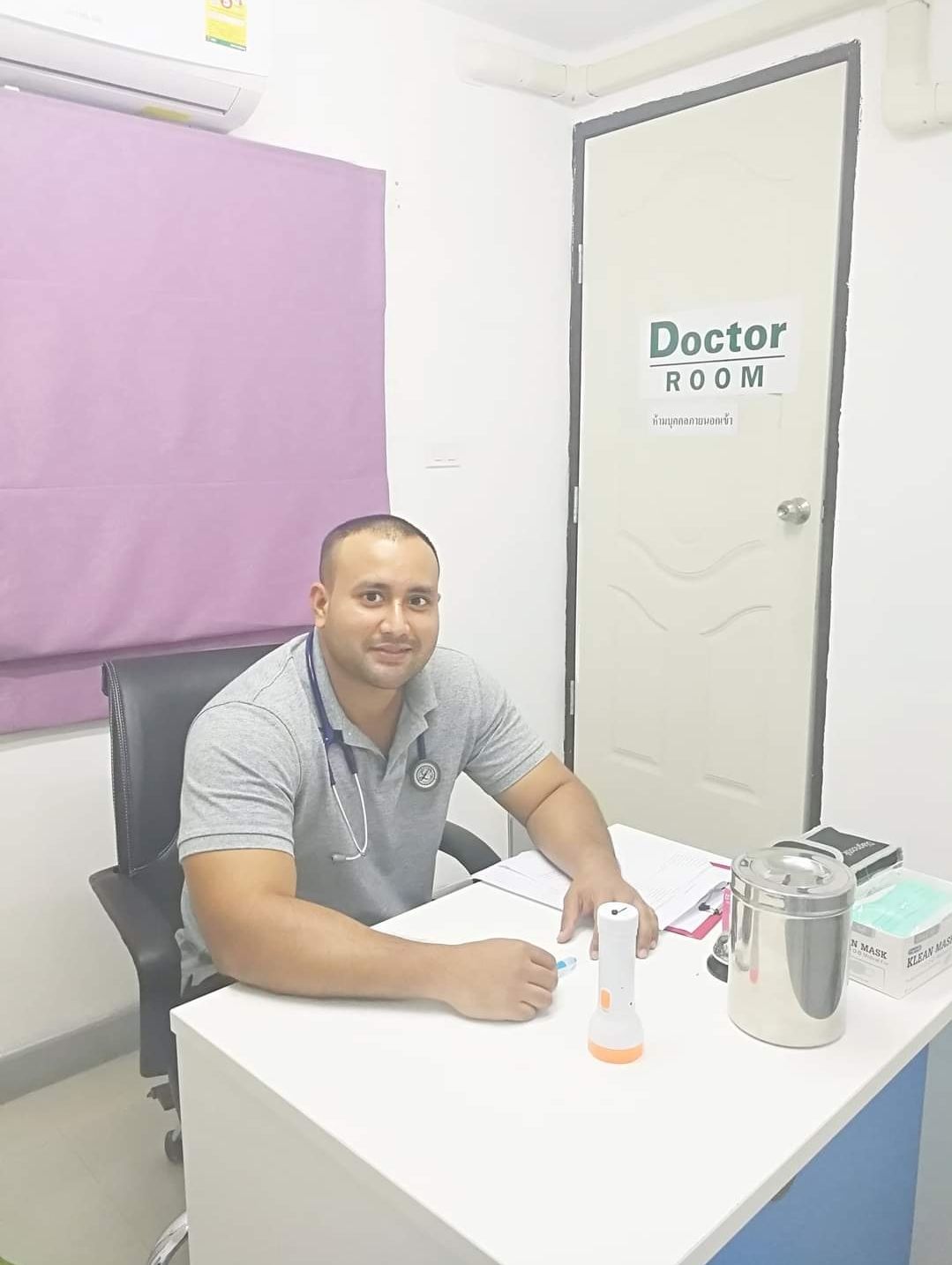
Dr. Ponlawat Pitsuwan is a physician at Doctor Bangkok, a private clinic in central Bangkok. He sees expats, residents, and medical tourists for general medicine, wellness consultations, and IV therapy. His focus is straightforward, evidence-based care delivered in plain language.