


Clinically reviewed by Dr. Ponlawat Pitsuwan, Physician, Doctor Bangkok. Last reviewed: July 2026
Hepatitis C is a bloodborne virus that often causes no symptoms for years. A simple blood test can detect it, and modern treatment cures the infection in most people. If you have had any procedure involving needles in Bangkok, or have never been screened, getting tested is the right first step.
Most people who have hepatitis C do not know it. That is not an exaggeration. The virus can sit quietly in your liver for a decade or more while you feel completely normal. By the time symptoms appear, real damage may have already been done. If you are an expat who has been living in Bangkok for a few years without a proper health check, this applies to you.
The good news is that this is one of the few viral infections that can actually be cured. Modern treatment works in the vast majority of cases. But you cannot treat something you do not know you have, which is why testing matters so much.

How Hepatitis C Is Transmitted, and What Does Not Spread It
Hepatitis C spreads through blood-to-blood contact. That is it. The most common routes are sharing needles or syringes, receiving unscreened blood products, and any procedure where instruments are reused without proper sterilisation.
In Bangkok, the risks I hear about most from patients are tattoos, piercings, dental work, and needle-based wellness treatments at unregulated venues. If sterile single-use equipment was not used, there is a real, though not guaranteed, risk. A needlestick exposure also counts, whether in a healthcare setting or not.
Hepatitis C does not spread through sharing food or cutlery, hugging, coughing, mosquito bites, or swimming pools. Sexual transmission is possible but the risk is low in monogamous relationships without other risk factors. The risk rises with multiple partners or if blood is present.
Hepatitis C in Thailand — What Expats Should Know
Thailand has a meaningful hepatitis C burden, particularly among people who inject drugs. The genotypes circulating here are mainly genotype 1, genotype 3, and genotype 6. Genotype 3 is the most common and also requires specific drug combinations to treat effectively.
This matters if you are considering treatment in Bangkok. The genotype affects which regimen your specialist will prescribe and for how long. A proper workup includes genotype testing alongside your viral load, not just a single antibody screen.
For expats arriving from countries with higher hepatitis C prevalence, or those who have had any of the exposures mentioned above, a travel health risk assessment is worth considering. At Doctor Bangkok, our travel health service includes a review of bloodborne disease risks alongside the usual vaccinations and malaria advice.

Symptoms of Hepatitis C — Why Most People Feel Fine
Acute hepatitis C, meaning the infection in its early weeks, causes symptoms in only a minority of people. Those who do feel something might notice fatigue, nausea, or mild jaundice, which is a yellowing of the skin or eyes. Most people notice nothing at all.
Chronic hepatitis C, meaning the infection has lasted beyond six months, is almost always silent. Patients feel well. They go to work, exercise, and travel. The liver takes damage slowly over years before symptoms become noticeable.
By the time someone actually feels ill, they may have developed significant liver scarring, called fibrosis, or more advanced scarring called cirrhosis. Some patients eventually develop liver cancer. What I tell patients is this: feeling fine is not the same as being fine.
Hepatitis C Testing — What Tests You Need and When
There are two tests, and they answer different questions.
The HCV antibody test checks whether your immune system has ever responded to the hepatitis C virus. A reactive result means you have been exposed at some point. It does not tell you whether the virus is still in your body right now.
The HCV RNA PCR test checks for the virus itself. If your antibody test comes back reactive, you need a PCR to find out whether you have an active infection. Some people clear the virus on their own after acute infection, so a reactive antibody with a negative PCR means you fought it off.
The antibody test is reliable from around eight to twelve weeks after exposure. If you had a recent exposure, test once now and again at twelve weeks. PCR can detect the virus earlier, from around two to three weeks after exposure, and may be the better first test if the exposure was very recent. At Doctor Bangkok, we run both tests on the same blood draw and explain what the results mean in plain language.
Treatment — Can Hepatitis C Be Cured?
Yes. This is the most important thing I want patients to understand.
Hepatitis C can be cured. Not managed indefinitely. Cured. Modern direct-acting antivirals, commonly called DAAs, achieve cure in over 95% of patients. Treatment is oral tablets taken for eight to twelve weeks, and most people tolerate it well.
Pan-genotypic options like sofosbuvir-velpatasvir work across multiple genotype types, which simplifies prescribing. Your doctor will still assess your genotype and liver health before starting, but the days of injections and year-long courses are gone.
Treatment in Bangkok requires a specialist hepatologist or gastroenterologist to prescribe DAAs. Doctor Bangkok handles your initial testing, reviews your results with you, and coordinates referral to the right specialist so you are not figuring out the Thai hospital system alone.
Living With Hepatitis C in Bangkok — What to Do Now
If you have just received a positive result, the first thing I say to patients is: this is manageable, and a cure is very likely.
In the meantime, stop drinking alcohol. Alcohol and hepatitis C damage the liver through different pathways, and combining them accelerates harm. You should inform sexual partners and anyone you might share sharp objects with. There is no legal requirement in Thailand to disclose your status, but it is the right thing to do.
Get a liver function test if you have not had one. This checks how your liver is coping right now. In some cases your doctor will also arrange an ultrasound to look at any scarring. These are routine steps, not scary ones.
If you rely on travel or international health insurance, Doctor Bangkok provides itemised documentation and receipts suited to reimbursement claims. Some policies cover screening; others cover testing triggered by a known exposure. We can advise on what paperwork you need when you come in. You can also review our hepatitis C transmission information to help clarify your exposure history before your appointment.
Worried about hepatitis C? Doctor Bangkok offers confidential HCV antibody and PCR testing for expats and visitors in central Bangkok. English-speaking physicians. Walk-in available. We run both tests on the same visit and explain every result in plain language. If you need specialist referral for treatment, we handle the coordination so you are not figuring it out alone. Visit doctorbangkok.co.th or walk in on Sukhumvit, BTS accessible, open 24 hours.
Frequently Asked Questions
If my hepatitis C antibody test comes back reactive, does that mean I am infected right now?
Not necessarily. A reactive antibody test means your body has responded to the virus at some point, but it does not confirm active infection. You need a follow-up HCV RNA PCR test to check whether the virus is currently present. At Doctor Bangkok, we run both tests and explain what the results mean together.
Can I get hepatitis C from a tattoo, dental procedure, or IV drip in Bangkok?
Theoretically yes, if the equipment was not sterile and single-use. Any procedure involving needles or instruments that could carry blood carries a risk when proper sterilisation is not followed. This includes tattoos, piercings, dental work, and needle-based wellness treatments at unregulated venues. If you are unsure about a procedure you have had, testing is the only way to know for certain.
Is hepatitis C actually curable, and can I get treated in Bangkok?
Yes, hepatitis C can be cured. Modern direct-acting antivirals achieve cure rates above 95% over eight to twelve weeks of oral tablets. Treatment is available in Bangkok through specialist hepatologists, and Doctor Bangkok provides initial testing and coordinates your referral so you have a clear path forward.
Should I get tested if I have been living in Bangkok for years without a check-up?
Yes. Both the CDC and WHO recommend routine hepatitis C screening for all adults, regardless of symptoms. Most people with chronic infection feel completely well for years. If you have been in Thailand without regular health checks, or have had any needle-based procedure, getting tested is a straightforward step. Doctor Bangkok offers walk-in confidential screening with no appointment needed.
Is hepatitis C testing in Bangkok covered by travel insurance?
It depends on your policy. Some plans cover screening, others only cover testing prompted by symptoms or a documented exposure. Doctor Bangkok provides full itemised receipts and documentation suited to international insurance reimbursement claims. We recommend checking your policy before or during your visit, and we can advise on what paperwork you need.
What is the difference between acute and chronic hepatitis C?
Acute means the infection is in its first six months, and most people have no symptoms during this phase. If the virus is still present after six months, it becomes chronic, and it can persist for decades without obvious symptoms while slowly damaging the liver. Both stages are detectable by testing and both are treatable.
Does hepatitis C spread through sex?
The risk through sex is low in a monogamous relationship where no blood is present. The risk rises with multiple partners or if either partner has an open sore or wound. It does not spread through kissing, shared food or drinks, or casual contact. If you are unsure about your risk, a confidential sexual health assessment at Doctor Bangkok can help clarify things.
About the author: Dr. Ponlawat Pitsuwan is a physician at Doctor Bangkok, a private medical clinic in central Bangkok. He sees expats, residents, and medical tourists for hepatitis C screening, sexual health testing, general medical assessment, and travel health consultations. His focus is straightforward, evidence-based care delivered in plain language.
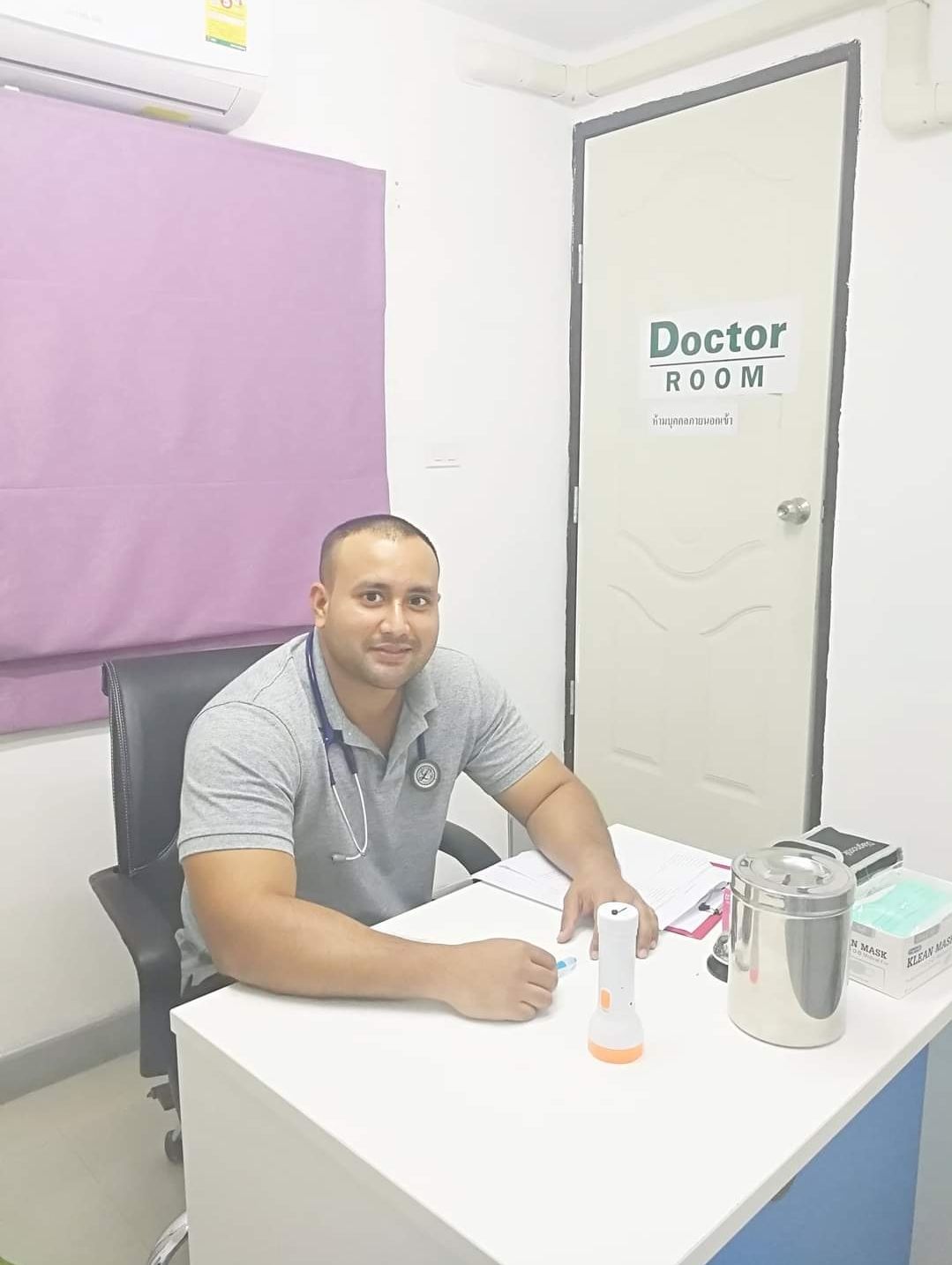
Dr. Ponlawat Pitsuwan is a physician at Doctor Bangkok, a private clinic in central Bangkok. He sees expats, residents, and medical tourists for general medicine, wellness consultations, and IV therapy. His focus is straightforward, evidence-based care delivered in plain language.