


Clinically reviewed by Dr. Ponlawat Pitsuwan, Physician, Doctor Bangkok.
Last reviewed: October 2026
Antibiotic-resistant gonorrhea is real in Bangkok, and over-the-counter pharmacy drugs are making it worse. If you took antibiotics and symptoms returned, you need a culture and sensitivity test, not just a repeat NAAT. Doctor Bangkok can run that test and guide your treatment from there.
You took something from a pharmacy, symptoms eased for a few days, then came back. Or you tested positive, got treated, tested again, and it is still there. This is not unusual in Bangkok, and it is not your fault.
Gonorrhea resistance is a documented, growing problem in Thailand. The standard approach does not always work here. Some strains circulating in Bangkok respond poorly to antibiotics that would have cleared them a decade ago. Getting tested properly, with the right test, is the step most people miss.

Why Bangkok Has a Specific Drug-Resistance Problem
Thailand has documented some of the highest rates of antibiotic-resistant gonorrhea in Southeast Asia. Ciprofloxacin, once a common treatment, is now largely ineffective here. Surveillance data reported to WHO’s Gonococcal Antimicrobial Susceptibility Programme shows resistance to fluoroquinolones in Thailand exceeding ninety percent.
The concern has now shifted to ceftriaxone, the current first-line injectable antibiotic. A 2025 CDC Emerging Infectious Diseases report confirmed ceftriaxone-resistant Neisseria gonorrhoeae detected in Thailand. These cases involved strains with reduced susceptibility to the drug most clinics still rely on. Bangkok, as Thailand’s largest city and a major hub for international travel, sits at the centre of that pattern.
The Over-the-Counter Antibiotic Problem
Thailand allows antibiotics to be sold at pharmacies without a prescription. For many residents and visitors, that is a convenient first response to symptoms. The problem is that self-treating with the wrong antibiotic, the wrong dose, or for too short a course does not clear the infection.
Incomplete treatment applies just enough pressure on the bacteria to favour resistant strains, and then you stop. The same 2025 CDC report linked prior over-the-counter antibiotic use as a common factor across the documented resistant cases in Thailand. Buying antibiotics from a pharmacy for gonorrhea is one of the clearest ways resistance spreads in this city.

Sites of Infection, Why a Throat Swab Changes the Picture
Most people think of gonorrhea as a genital infection. It can also infect the throat and rectum, and both sites are frequently asymptomatic. You can carry pharyngeal gonorrhea without any sore throat, any discharge, or any sign that anything is wrong.
This matters for resistance because pharyngeal gonorrhea is harder to clear than genital gonorrhea, and it is a documented driver of treatment failure. If you are tested only from a genital swab, you may miss an active infection at another site entirely. At Doctor Bangkok’s sexual health clinic, we ask about which swabs are appropriate based on your sexual history. Rectal and throat testing are available and recommended when your exposure history suggests they are relevant.
How Drug-Resistant Gonorrhea in Bangkok Is Properly Diagnosed
A standard gonorrhea test, the NAAT or nucleic acid amplification test, tells you whether the infection is present. It is accurate and fast. What it cannot tell you is which antibiotics the strain will respond to.
For suspected resistant cases, culture and sensitivity testing is the additional step that matters. A sample is taken, the bacteria are grown, and the lab determines which drugs will work against that specific strain. If you have already been treated and symptoms persist, or if you have a history of over-the-counter antibiotic use, this test is not optional. Doctor Bangkok offers both NAAT and culture with sensitivity testing. If your case warrants it, we will tell you clearly and make sure the right test is ordered from the start.
What Treatment Options Remain
Ceftriaxone by injection remains the recommended first-line treatment in current WHO and Thai guidelines. For most cases, it still works. The difference now is that treatment should be guided by testing results where possible, not by default prescribing.
Dual therapy, using two antibiotics together, has been used to reduce the risk of treatment failure. Azithromycin was the partner drug for years, but resistance to it is now widespread enough that guidelines have moved away from it in many settings. For truly resistant strains, options narrow. Gentamicin and ertapenem have been used in documented resistant cases.
A new antibiotic called zoliflodacin completed phase 3 trials with results published in 2024 in the New England Journal of Medicine, showing it is as effective as ceftriaxone for uncomplicated gonorrhea. Thailand participated in that trial. Zoliflodacin is not yet widely available commercially, but it is the most significant development in gonorrhea treatment in years and is relevant when standard options fail.
What Happens If Drug-Resistant Gonorrhea Is Left Untreated
Gonorrhea that is not properly cleared does not stay local. In women, it can cause pelvic inflammatory disease, which can damage the fallopian tubes and affect fertility. In men, it can cause epididymitis, an infection of the tube behind the testes. In both sexes, untreated gonorrhea significantly increases the risk of acquiring HIV.
Disseminated gonococcal infection is rare but serious. The bacteria enter the bloodstream and can cause joint pain, skin lesions, and, less commonly, infection of the heart or the lining of the brain. This is the outcome when infections are repeatedly undertreated rather than properly cleared. Getting it right the first time matters more when resistant strains are in play.
How Doctor Bangkok Approaches Suspected Resistant Cases
If you come in with a history of treatment that did not work, or with symptoms after pharmacy antibiotics, we do not simply repeat the same test and prescription. We take a full sexual history, determine which sites need to be swabbed, and order culture with sensitivity testing if indicated.
We also test for co-infections. Chlamydia, syphilis, and HIV are all relevant when gonorrhea is in the picture, and missing a co-infection complicates recovery. Our sexual health consultations cover all of this in one appointment. English-speaking physicians are available, and results are handled with full confidentiality.
If your case involves a genuinely resistant strain, we will discuss the available treatment options with you directly. You will not leave with a generic prescription and no follow-up plan. If the situation requires specialist input, we will arrange that referral and tell you exactly why.
One more practical point: if you are in Bangkok on a work trip or between travel legs, same-day appointments are available at our central Bangkok location, which is BTS accessible. Waiting until it feels urgent usually makes this harder to sort out. If symptoms have returned after treatment, that is already the right moment to come in.
Book a sexual health consultation at Doctor Bangkok. If you have already been treated for gonorrhea and symptoms have returned or never fully cleared, this is the right next step before trying another antibiotic. We offer NAAT and culture with sensitivity testing, English-speaking physicians, and same-day appointments in central Bangkok, BTS accessible. Visit doctorbangkok.co.th/sexual-health/ to book.
Frequently Asked Questions
Dr. Ponlawat Pitsuwan
Physician, Doctor Bangkok
a private medical clinic in central Bangkok. He sees expats, residents, and medical tourists for sexual health consultations including gonorrhea testing and treatment, STI screening, and the management of treatment-resistant infections. His focus is straightforward, evidence-based care delivered in plain language.
References
- Unemo M, et al. "Ceftriaxone-Resistant Neisseria gonorrhoeae, Thailand, 2025." CDC Emerging Infectious Diseases
- Taylor SN, et al. "Zoliflodacin versus Ceftriaxone for Urogenital Gonorrhea." New England Journal of Medicine. 2024
- WHO Global Action Plan on Antimicrobial Resistance
- CDC. Gonorrhea Treatment Guidelines
The information in this article is for educational purposes only and does not constitute medical advice. It should not be used to self-diagnose or replace a consultation with a qualified physician. If you have concerns about your health, contact a licensed medical professional. For appointments at Doctor Bangkok, visit doctorbangkok.co.th.
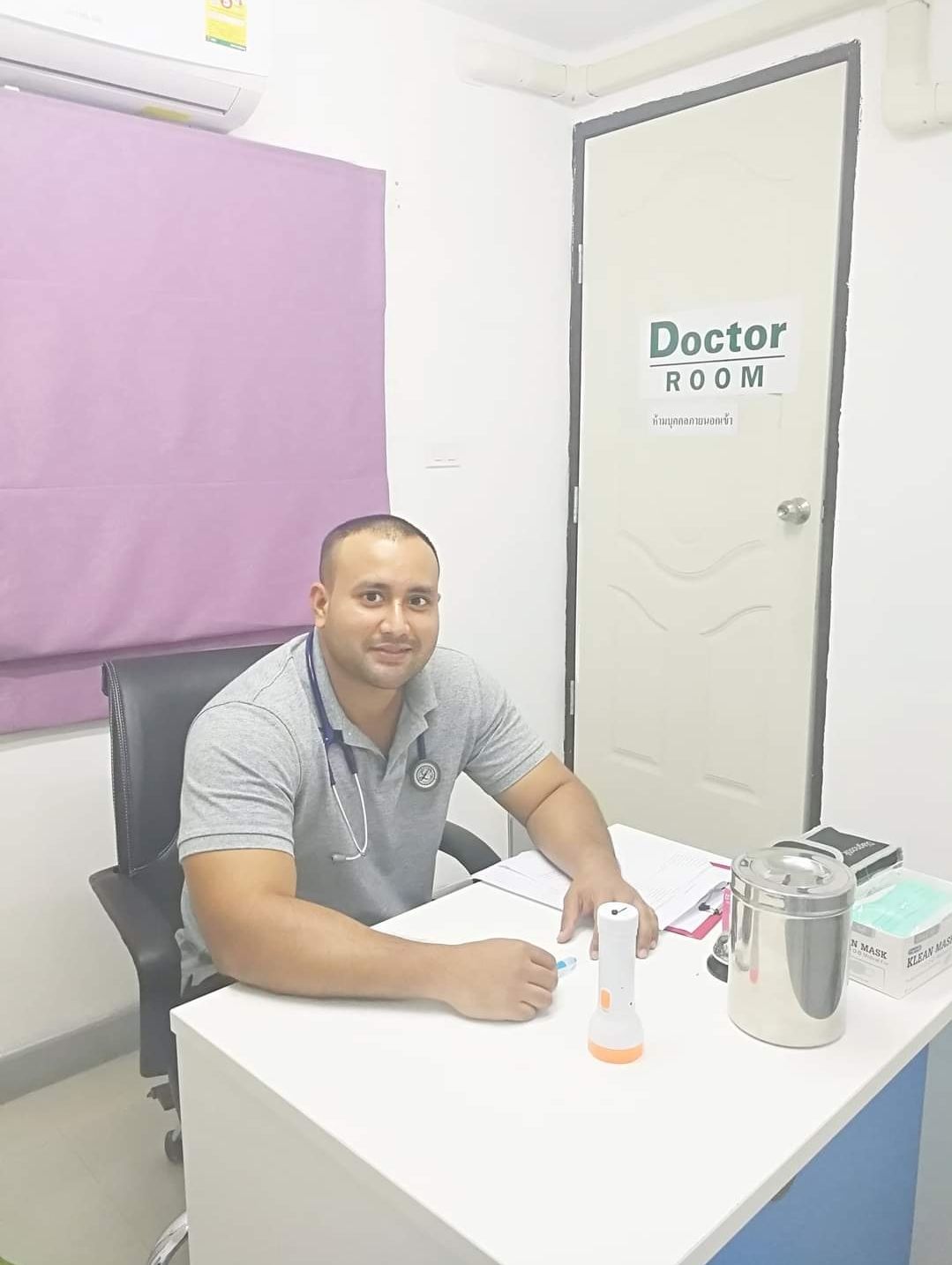
Dr. Ponlawat Pitsuwan is a physician at Doctor Bangkok, a private clinic in central Bangkok. He sees expats, residents, and medical tourists for general medicine, wellness consultations, and IV therapy. His focus is straightforward, evidence-based care delivered in plain language.