


Clinically reviewed by Dr. Ponlawat Pitsuwan, Physician, Doctor Bangkok. Last reviewed: July 2026
PrEP is a daily medication you take before any HIV exposure to prevent infection. PEP is emergency medication you take after a possible exposure, within 72 hours. They serve different purposes, use different drug regimens, and require different levels of urgency. If you think you needed PEP yesterday, stop reading and call a clinic now.
If you are reading this after an unprotected encounter in Bangkok, the first thing I want you to know is that you have options. Whether you are an expat living here, a visitor on a short trip, or someone just starting to think about HIV prevention, the question of PrEP versus PEP comes up several times a week in my clinic.
The short version: PrEP is planned protection you take before exposure. PEP is emergency protection you take after. The line between them matters, and so does timing.

What Is PrEP?
PrEP stands for pre-exposure prophylaxis. You take antiretroviral medication while you are still HIV-negative to prevent the virus from taking hold if you are ever exposed. When taken correctly, daily PrEP reduces the risk of HIV through sex by around 99 percent, according to the CDC. The word "correctly" carries real weight here.
How do you take PrEP?
There are three options. Daily PrEP means one pill every day, no breaks. This is the most widely prescribed option and works for everyone. On-demand PrEP, sometimes called 2-1-1 dosing, involves two pills two to 24 hours before sex, one pill 24 hours after, and one more pill 24 hours after that. This is only recommended for cisgender men who have sex with men. Injectable PrEP, using cabotegravir, is available at select Bangkok clinics and involves an injection every two months. It is a strong option for anyone who struggles with daily pills.
Who should be on PrEP?
PrEP is for HIV-negative people with ongoing or recurring exposure risk. That includes people with multiple sexual partners, anyone whose partner is HIV-positive and not yet virally suppressed, people who share injection equipment, and anyone who has had a bacterial STI in the last six months. If any of those apply to you, PrEP is worth a conversation with a doctor.
What Is PEP?
PEP stands for post-exposure prophylaxis. You take it when you think you may have been exposed to HIV and you are not already protected by PrEP. The 72-hour rule is real. PEP must be started within 72 hours of exposure, and sooner is always better. Every hour matters.
Who needs PEP?
PEP is for people who have had a specific, high-risk event. That means unprotected sex with someone whose HIV status is unknown or positive, a broken condom with a high-risk partner, a needlestick injury, or shared injection equipment. If the exposure was within the last 72 hours and you are not on PrEP, come in for an assessment. A doctor can evaluate your risk quickly and prescribe the same day if needed.

What Medications Are Used?
There is overlap, which confuses a lot of people. Both PrEP and PEP use the same core drug combination: tenofovir and emtricitabine, often written as TDF/FTC. Some patients receive TAF/FTC instead, which is gentler on the kidneys and bones.
The key difference is that PEP adds a third drug. In Thailand, that is most commonly dolutegravir. The three-drug combination is needed after an acute exposure when the viral situation is unpredictable. PrEP does not need that third drug because you are taking it before any virus is present.
PEP is a fixed 28-day course, taken every day, completed in full. Missing doses reduces its effectiveness. If you are mid-course and struggling with side effects, call your clinic rather than stopping. There is usually something that can help.
Side Effects and What to Expect
Most people tolerate both medications well. Common early side effects include nausea, headache, and fatigue. These usually settle within the first one to two weeks. I tell patients to take the tablet with food and never to stop without calling us first.
What monitoring do you need on PrEP?
Before starting PrEP, you need an HIV test, a kidney function test, and hepatitis B screening. While on PrEP, you return every three months for an HIV test, kidney check, and STI screen. This monitoring is built into safe prescribing and is not optional.
What monitoring do you need on PEP?
For PEP, you need a baseline HIV test before the first dose. Follow-up HIV testing happens at four weeks and again at 12 weeks after the exposure. The 12-week result is the one that confirms you are in the clear. At Doctor Bangkok, these follow-ups can be arranged around your schedule, including if you are leaving Bangkok before the course ends.
PrEP vs PEP: A Side-by-Side Comparison
| PrEP | PEP | |
|---|---|---|
| When you take it | Before any exposure | Within 72 hours after exposure |
| Duration | Ongoing (daily or on-demand) | 28 days, fixed course |
| Medications | TDF/FTC or TAF/FTC | TDF/FTC or TAF/FTC plus dolutegravir |
| HIV test before starting | Required | Required |
| Kidney test before starting | Required | Recommended |
| Follow-up testing | Every 3 months | At 4 weeks and 12 weeks |
| Best for | Ongoing or recurring risk | Single high-risk exposure event |
| Effectiveness (correct use) | Up to 99% risk reduction | Up to 99% if started early |
What PrEP and PEP Do Not Cover
This is the part people most often miss. Neither medication offers any protection against other STIs. Gonorrhoea, syphilis, chlamydia, herpes, and hepatitis C are not affected by either drug. HIV prevention and STI prevention are not the same thing.
I see patients on PrEP who assume they are fully covered and skip condoms entirely. PrEP removes HIV from the risk equation, which is significant. But STIs like gonorrhoea and syphilis are genuinely common and are straightforward to treat if caught early. Use condoms alongside PrEP or PEP, and get screened regularly. Both are available at our sexual health clinic in Bangkok alongside your prevention consultation.
It is also worth knowing the principle of U=U, meaning Undetectable equals Untransmittable. If a partner is living with HIV and has an undetectable viral load on treatment, their transmission risk is effectively zero. This context matters when a doctor is assessing whether PEP is actually needed after a specific exposure.
Transitioning from PEP to PrEP
This conversation happens in my clinic more than people expect. A patient comes in for PEP after one exposure, we get through the 28-day course, and then we talk about what comes next. If the circumstances that led to that exposure are likely to happen again, PrEP is the logical step.
After completing PEP and confirming a negative HIV result at 12 weeks, PrEP can be started. Some patients transition directly at the end of the PEP course with a short overlap period. The important point is that PEP is not designed for repeated use as routine prevention. If you have needed it more than once, you need PrEP.
Getting PrEP or PEP in Bangkok as a Foreigner
You do not need a Thai health card. You do not need Thai insurance. You do not need to speak Thai. At a private clinic, all you need is to walk in, tell a doctor what happened or what you need, and we handle the rest.
Both medications require a prescription in Thailand, which means a clinical consultation first. At Doctor Bangkok, the consultation, blood tests, and prescription can all happen in one visit. If you are only in Bangkok for a short time, a doctor can prescribe the full 28-day PEP supply in a single appointment so you can take it home. Ask for a clinical letter if you need documentation for customs. Your four-week and 12-week HIV tests can be done with a doctor wherever you are. The only thing that cannot be delayed is starting.
For anyone already thinking about long-term prevention, HIV testing in Bangkok is the natural starting point before a PrEP prescription is issued.
If you think you need PEP, today is the day. If you are considering PrEP, Doctor Bangkok can run the baseline tests and get you started in a single visit. We offer confidential HIV prevention consultations with English-speaking physicians, same-day blood results, and prescriptions for both PrEP and PEP. We are BTS accessible and open seven days a week. Book online at doctorbangkok.co.th or walk in.
FAQ
I had unprotected sex in Bangkok last night. Do I need PEP or PrEP?
If the exposure was within the last 72 hours and you are not already on PrEP, see a doctor today for a PEP assessment. PrEP cannot cover an exposure that has already happened. The decision depends on the type of exposure and the partner’s likely status, which is why a face-to-face consultation matters before the first dose is given.
Can I take PEP more than once? When should I switch to PrEP instead?
PEP can be taken more than once, but it is not designed for regular use. If you have needed it a second time, that is a strong signal that PrEP is the right long-term option for you. Many patients use a post-PEP consultation as the natural starting point for a PrEP prescription.
What tests do I need before starting PrEP or PEP in Bangkok?
For PEP, you need a baseline HIV test and hepatitis B screening. For PrEP, you also need a kidney function test. At Doctor Bangkok, all of these can be done in a single visit before your prescription is issued, with HIV results available in around 20 minutes.
I am only in Bangkok for two weeks. Can I start PEP here and finish the course at home?
Yes. A doctor can prescribe the full 28-day supply in one visit so you can take the medication with you. Check antiretroviral import rules for your home country before you travel, and ask for a clinical letter if needed for customs. Your four-week and 12-week follow-up HIV tests can be done with a doctor wherever you are.
Does PrEP or PEP protect against other STIs like gonorrhoea or syphilis?
Neither medication offers any protection against other STIs. Both are specific to HIV. Condoms remain important alongside either medication, and routine STI screening is recommended for anyone on PrEP or anyone who has recently completed PEP.
What happens if I miss a dose of PEP mid-course?
Take the missed dose as soon as you remember, unless it is almost time for the next one. Do not double up. If you have missed more than one dose or are struggling with the regimen, call your clinic rather than stopping entirely. A doctor can help you manage side effects or adjust timing.
Dr. Ponlawat Pitsuwan
Physician, Doctor Bangkok
a private medical clinic in central Bangkok. He sees expats, residents, and medical tourists for HIV prevention, sexual health consultations, and PrEP and PEP prescribing. His focus is straightforward, evidence-based care delivered in plain language.
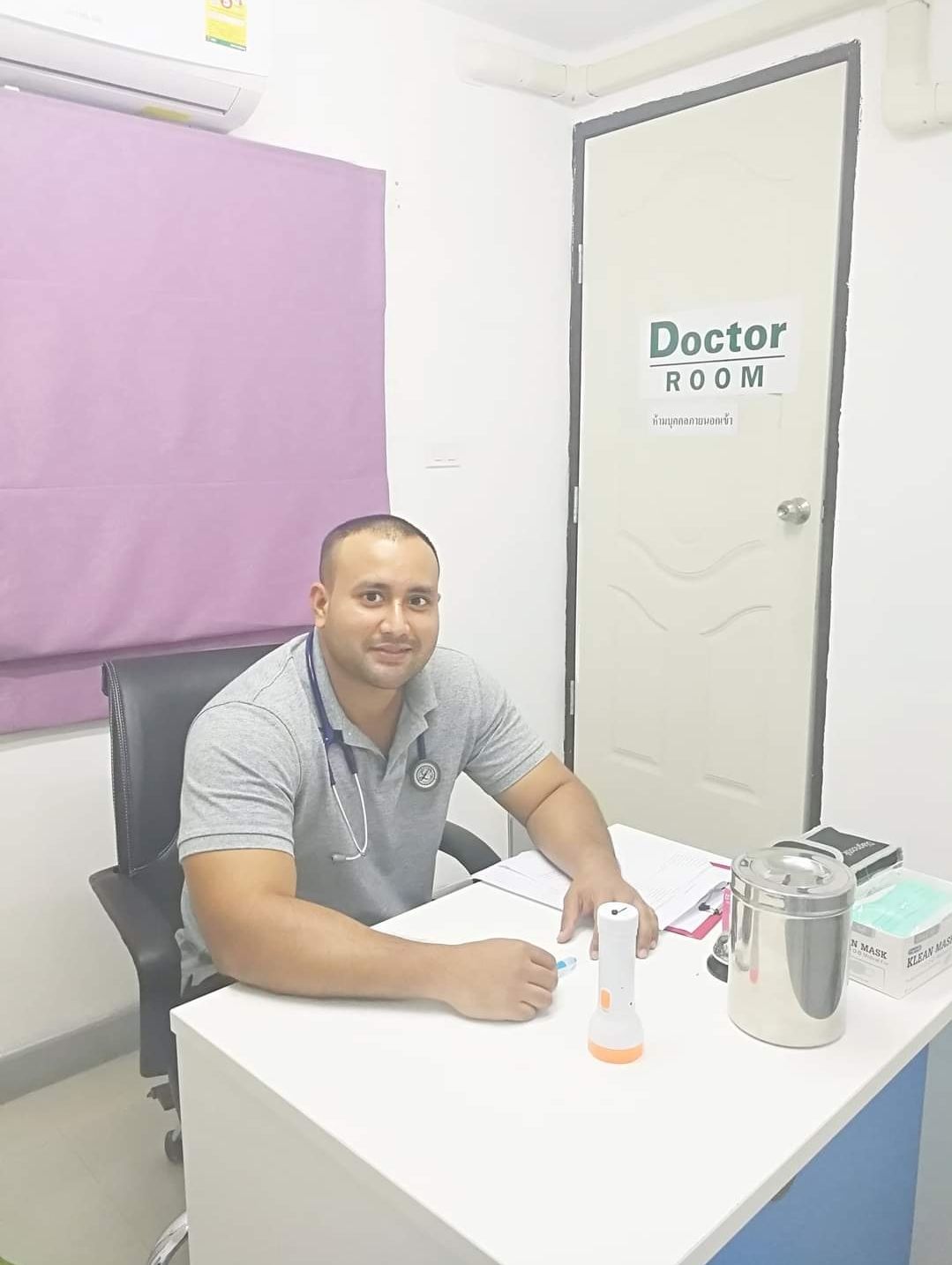
Dr. Ponlawat Pitsuwan is a physician at Doctor Bangkok, a private clinic in central Bangkok. He sees expats, residents, and medical tourists for general medicine, wellness consultations, and IV therapy. His focus is straightforward, evidence-based care delivered in plain language.