

Clinically reviewed by Dr. Ponlawat Pitsuwan, Physician, Doctor Bangkok.
Last reviewed: November 2026
Follow-up testing after PEP runs at three points: a baseline test at the start of your course, a repeat test at 4 to 6 weeks after exposure, and a final conclusive test at 12 weeks after exposure. All three use a lab-based fourth-generation HIV test. Missing any point leaves your result incomplete. At the 4 to 6 week and 12 week visits, the 2025 CDC nPEP guidance recommends both a lab-based fourth-generation Ag/Ab combination test and a diagnostic HIV RNA (NAT) test.
You have finished your 28-day PEP course. Now you are waiting, and you want to know exactly when to test and whether the result will actually mean something. That is the right question.
The testing schedule is not complicated, but the details matter: which test you use, whether you took every dose, and what a reactive interim result actually means. Here is each stage so you know what to expect and when you can call the result conclusive.

Baseline Test: Before or on Day One
The baseline HIV test happens at the start of your PEP course, ideally before your first dose or on the same day. It confirms you were HIV-negative before the exposure. Without it, any positive result later cannot be properly interpreted. The 2025 CDC nPEP guidance says a rapid HIV test or a lab-based antigen/antibody combination test is acceptable at baseline.
At this stage, the doctor checks your p24 antigen level. This is a protein the virus produces in early infection, before antibodies develop. Finding it at baseline rules out an infection that was already present before you came in.
This visit also covers your broader risk picture. The same event that brought you to the clinic may have exposed you to other infections. A full STI screen at this point, including hepatitis B serology, hepatitis C antibody, syphilis, and gonorrhoea and chlamydia testing, gives you a clean starting point to compare against later results.
HIV Testing at 4 to 6 Weeks After Exposure
This test checks whether seroconversion has occurred. That is the point where your immune system starts producing HIV antibodies. For most people who were actually infected, a fourth-generation test will pick this up here, though it is not yet the definitive result.
A reactive result at this stage does not confirm HIV infection. It requires follow-up with an HIV RNA test, which detects the virus’s genetic material directly. Note that the 2025 CDC nPEP guidance recommends performing a diagnostic HIV RNA test alongside the Ag/Ab test at this visit as routine practice, not only when the Ag/Ab result is reactive. The result could represent early seroconversion, a false positive, or a delayed antibody response linked to the antiretroviral medication you were taking.
Do not try to interpret this alone. A reactive result needs a doctor to guide the next step.
If you missed doses during your PEP course, the 4 to 6 week test may be less reliable as an interim check. Dose adherence directly affects how interim results are read. Tell the doctor exactly how many doses you missed before they interpret anything.
Final Test at 3 Months After Exposure
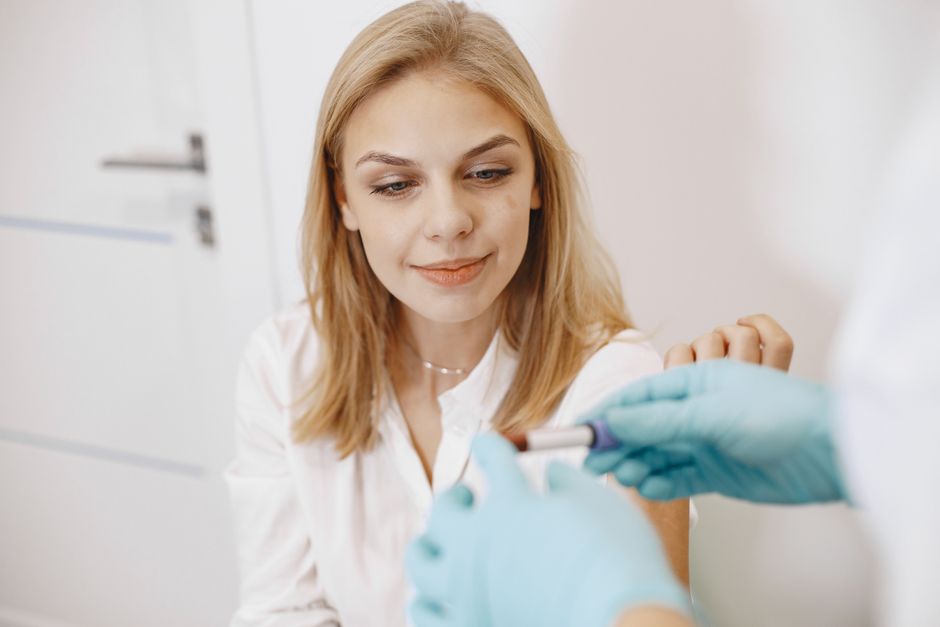
The 12-week test is the conclusive result. With a lab-based fourth-generation Ag/Ab combination test, 12 weeks post-exposure is the endpoint used in current guidelines, including the 2025 CDC nPEP guidance.
Do not substitute a rapid finger-prick antibody test here. Rapid tests detect antibodies only, not the p24 antigen. They have a longer window period and cannot give a reliably conclusive result at this timepoint. Ask specifically for a lab-based fourth-generation test.
A negative result at 12 weeks means you did not acquire HIV from this exposure. If you have ongoing risk and are thinking about continuing protection, this visit is the right time to ask about transitioning to PrEP.
Testing for Other STIs After PEP
PEP protects only against HIV. The same exposure may have transmitted syphilis, gonorrhoea, chlamydia, hepatitis B, or hepatitis C. Each has its own window period, so the timing of retesting differs for each.
Gonorrhoea and chlamydia are tested on urine or swab samples and can be reliably detected within a few weeks of exposure. Syphilis serology and hepatitis C antibody are both retested at 12 weeks, though an RNA test can detect hepatitis C earlier if there is clinical concern.
Hepatitis B retesting depends on your vaccination status. If you were vaccinated and immune at baseline, repeat testing is usually not needed. If you were unvaccinated or non-immune, your doctor will advise on retesting and whether post-exposure hepatitis B vaccination is indicated.
You can get a full panel at Doctor Bangkok’s STD clinic in a single visit, with results handled in plain language.
| STI | Recommended Retest Timing | Test Type |
|---|---|---|
| HIV | 4 to 6 weeks (interim), 12 weeks (conclusive) | Fourth-generation Ag/Ab lab test |
| Syphilis | 12 weeks post-exposure | Serology |
| Hepatitis C | 12 weeks post-exposure | Antibody (or RNA earlier if indicated) |
| Hepatitis B | Baseline only if vaccinated/immune; retest if unvaccinated | Serology |
| Gonorrhoea/Chlamydia | 2 to 4 weeks post-exposure | NAAT (urine or swab) |
If You Are Leaving Bangkok Before the 3-Month Test
This is a situation many short-stay visitors and expats face. You started PEP in Bangkok, finished your course, but your flight home lands well before the 12-week mark. Here is what to do.
Get the 4 to 6 week test done before you leave if timing allows. Before departure, ask for a written summary of your PEP course: the medication, start and end dates, baseline results, and any interim test results. Any doctor abroad can continue your follow-up with this documentation. The 12-week conclusive test uses the same fourth-generation standard anywhere in the world.
Doctor Bangkok can provide full clinical documentation before your departure. If you are cutting it close, the doctor-on-call service can come to your hotel or condo to run the 4 to 6 week test before you fly, any time of day or night.
If you want to understand the full PEP and PrEP process, the PrEP and PEP page covers it in detail.
Book your HIV follow-up test at Doctor Bangkok
>
Doctor Bangkok offers HIV follow-up testing after PEP at all three stages: baseline, 4 to 6 weeks, and the conclusive 3-month test. We use lab-based fourth-generation testing and can arrange a full STI panel in a single visit. Our clinic at Trendy Office, Soi Sukhumvit 13 is open 24 hours a day, 7 days a week, with no appointment needed. If you cannot come to us, a doctor can come to your hotel or condo anywhere in Bangkok within one hour. English-speaking physicians are available around the clock. Contact Doctor Bangkok to book your follow-up testing or arrange a home visit.
Frequently Asked Questions
Dr. Ponlawat Pitsuwan
Physician, Doctor Bangkok
a private medical clinic in central Bangkok, open 24 hours a day, 7 days a week, with a doctor-on-call service that reaches your hotel or condo within one hour. He sees expats, residents, and medical tourists for HIV follow-up testing after PEP, STI screening, sexual health consultations, and general medical care.
References
- Centers for Disease Control and Prevention. Antiretroviral Postexposure Prophylaxis After Sexual, Injection Drug Use, or Other Nonoccupational Exposure to HIV — CDC Recommendations, United States, 2025. MMWR Recomm Rep. 2025;74(RR-1):1-95.
- Dominguez KL et al. Antiretroviral Postexposure Prophylaxis After Sexual, Injection Drug Use, or Other Nonoccupational Exposure to HIV — CDC Recommendations, United States, 2025. PMC Full Text.
- World Health Organization. HIV Post-Exposure Prophylaxis. WHO, 2014.
- British HIV Association. BHIVA Guidelines for HIV Testing 2020 (updated 2023). BHIVA.
- US Preventive Services Task Force. Screening for HIV Infection: US Preventive Services Task Force Recommendation Statement. JAMA. 2019;321(23):2326-2336.
- Guideline Central. CDC Antiretroviral Postexposure Prophylaxis After Sexual, Injection Drug Use, or Other Nonoccupational Exposure to HIV Guideline Summary. 2025.
The information in this article is for educational purposes only and does not constitute medical advice. It should not be used to self-diagnose or replace a consultation with a qualified physician. If you have concerns about your health, contact a licensed medical professional. For appointments at Doctor Bangkok, visit doctorbangkok.co.th.
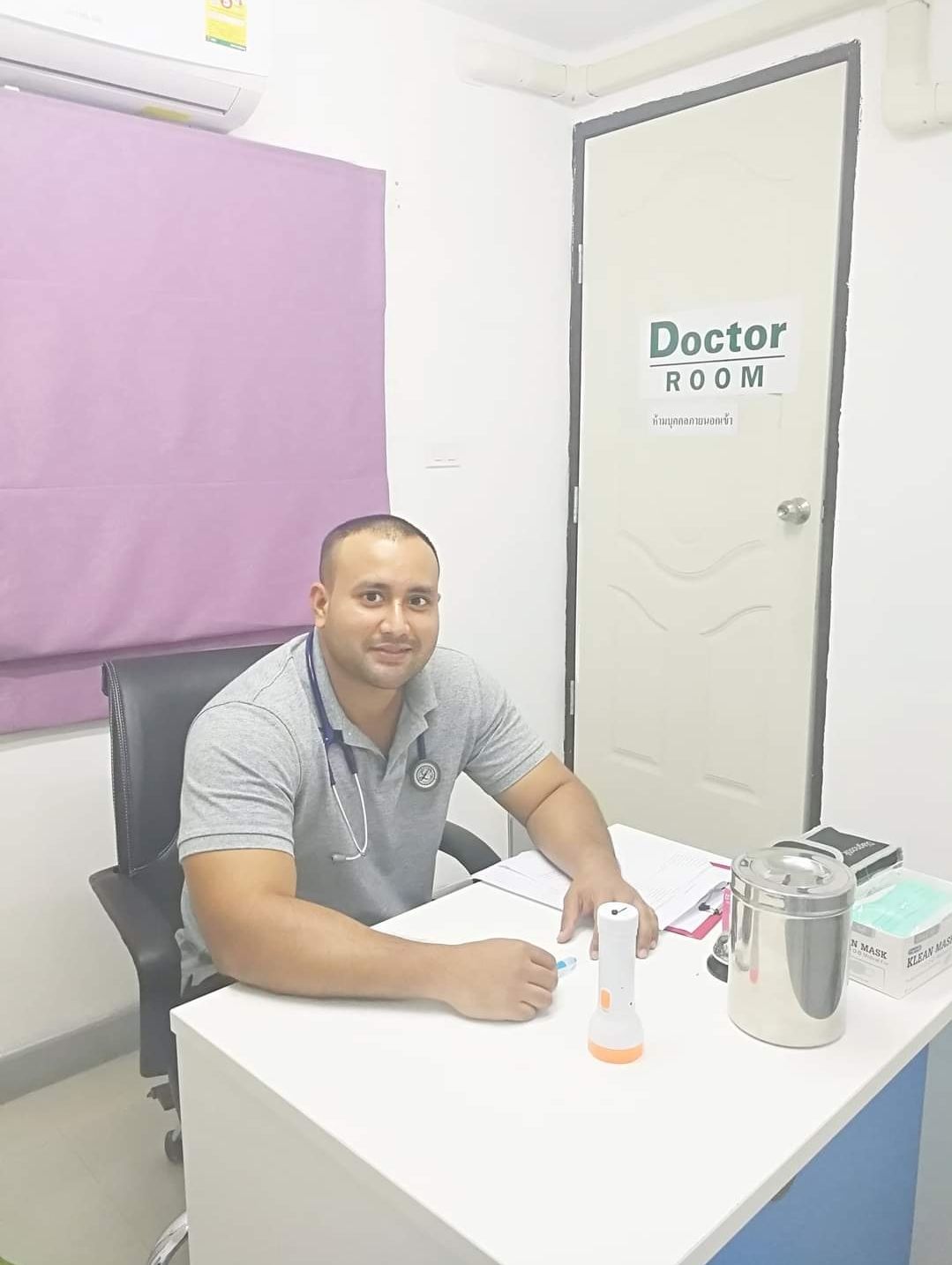
Dr. Ponlawat Pitsuwan is a physician at Doctor Bangkok, a private clinic in central Bangkok. He sees expats, residents, and medical tourists for general medicine, wellness consultations, and IV therapy. His focus is straightforward, evidence-based care delivered in plain language.