
Clinically reviewed by Dr. Ponlawat Pitsuwan, Physician, Doctor Bangkok. Last reviewed: June 2026
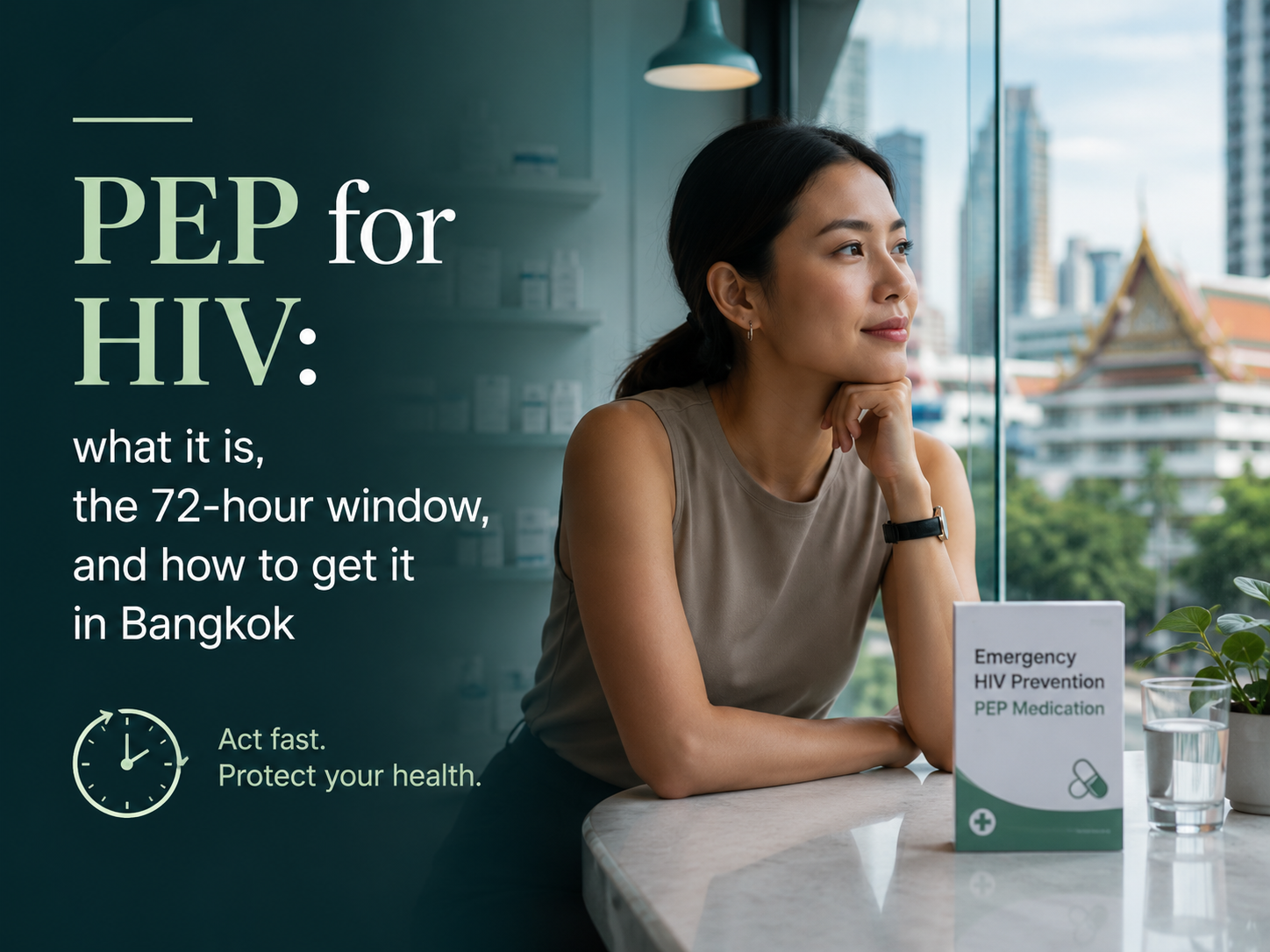
PEP (post-exposure prophylaxis) is a short course of HIV medication you take after a possible exposure. It must start within 72 hours, and the sooner the better. The course lasts 28 days and is highly effective when taken correctly and started early. It is not available over the counter in Bangkok. You need a prescription from a doctor.
If you are reading this because something happened last night, or this morning, here is the short answer: see a doctor today. Not tomorrow. Today. The 72-hour window is real, and every hour counts.
PEP is a 28-day course of HIV medication. When started quickly after a possible exposure, it can prevent the virus from taking hold in your body. I see patients for this regularly at Doctor Bangkok, including expats and visitors who had no idea PEP existed until they started searching online. This article tells you what you need to know, what to expect, and how to get started fast in Bangkok.

What is PEP and how does it work?
PEP stands for post-exposure prophylaxis. Prophylaxis means prevention. So PEP is HIV prevention taken after a possible exposure, not before.
Timing matters because HIV does not infect your whole system the moment it enters your body. For a short window, the virus is still near the exposure site. PEP medication can interrupt it before it spreads and permanently establishes itself.
That window is roughly 72 hours. Starting within 24 hours is better. Starting at 48 hours is still worth doing. At 72 hours, you are at the limit. After that, PEP is no longer recommended.
The medication is a combination of antiretroviral drugs. The most common regimen today is tenofovir and emtricitabine, usually with dolutegravir as a third drug. You take them for 28 days, every day, without stopping early.
PEP applies to any situation with a real transmission risk: unprotected sex, a condom that broke, a needle-stick injury, or a blood exposure. What matters is the level of risk and whether you are within the window.
One thing I always explain to patients: if the person you were exposed to is HIV-positive and has an undetectable viral load, the actual transmission risk is effectively zero. This is what U=U means: undetectable equals untransmittable. In that specific situation, PEP may not be needed. But in most Bangkok situations, you do not know the other person’s status, and that is exactly when you come in.
Who needs PEP and who does not?
Not every exposure needs PEP. Part of the first consultation is working out the actual risk together.
Situations that typically warrant PEP include unprotected anal or vaginal sex with a partner of unknown HIV status, a condom that broke with someone who may be HIV-positive, a needle-stick injury involving potentially infected blood, or shared injecting equipment.
Situations that usually do not warrant PEP include oral sex with no breaks in the skin, confirmed exposure to someone who is HIV-positive with an undetectable viral load, or an exposure that happened more than 72 hours ago.
If you are already HIV-positive, PEP is not for you. If you are on PrEP and you missed doses, come in immediately. That is a separate conversation. When the risk is borderline, we talk through it, because we do not want you on 28 days of medication unnecessarily, but we also do not want to leave a real risk unaddressed.

What blood tests do you need before starting PEP?
Before prescribing PEP, we run a baseline blood panel. These tests directly affect your care.
The most important is an HIV test. We need to confirm you are currently HIV-negative before starting PEP. We also check for hepatitis B, because some PEP drugs also treat hepatitis B, and stopping them abruptly after 28 days could cause a flare in someone who has it. Knowing your status lets us plan the end of your course safely.
We check kidney and liver function too, because one of the core PEP drugs is processed through the kidneys. If there is any existing issue, we need to know before we start. Doctor Bangkok also screens for other STIs at the same time, including syphilis, gonorrhoea, and chlamydia. If you were exposed to HIV, you may have been exposed to those as well. We run the full panel in-clinic, so you do not need to go anywhere else.
HIV PEP side effects: what to expect during the 28-day course
Most patients who are worried about side effects end up tolerating the course better than they expected. Modern single-tablet regimens are much easier than older drug combinations.
The first week is usually the hardest. Nausea, mild stomach cramps, loose stools, fatigue, and headaches are the most common complaints. Taking your medication with food helps a great deal with nausea. If it is affecting your daily life, we can prescribe an antiemetic to manage it alongside the PEP.
By week two, most patients find the side effects have settled. Weeks three and four are usually fine. Some patients have no significant symptoms at all.
Adherence is everything. PEP only works if you take it every day for all 28 days. Missing doses reduces how well it works. Stopping early means the medication may not have done its job.
If you miss a dose, take it as soon as you remember, as long as it is the same day. If your next dose is only a few hours away, skip the missed one and carry on as normal. Never take two doses at once. If you have missed two or more consecutive doses, contact us immediately. If you develop a rash, yellowing of the skin or eyes, severe abdominal pain, or very dark urine, contact us straight away. These are uncommon but need to be checked.
How to get PEP in Bangkok as an expat or visitor
PEP is not available over the counter at pharmacies in Bangkok. It is a prescription medication. Do not waste time at a pharmacy. Go directly to a clinic or hospital.
Doctor Bangkok is BTS accessible and offers same-day consultations in English. We do the baseline blood tests, assess the exposure, and if PEP is the right call, we get you started the same day. You do not need a Thai ID card or to speak Thai. Everything is in English and everything is confidential.
If you are not sure whether PEP is needed, or you are past the 72-hour window and want to know your current status, we offer same-day HIV testing in Bangkok as well.
If you are reading this at 2am and think you may need PEP, do not wait until morning if you are already near the window. Bangkok has 24-hour hospital options including Bumrungrad and Bangkok Hospital, which can prescribe PEP outside clinic hours.
Do not feel embarrassed to come in. I see this every week. Something happened, you are scared, and you want to handle it correctly. That is exactly the right response.
PEP and other STIs: what Bangkok visitors need to know
If you are in a situation where PEP is relevant, you probably need to think about more than just HIV.
Unprotected sex in Bangkok carries risk for syphilis, gonorrhoea, and chlamydia. These are all treatable with antibiotics, but you need to know they are there first. Syphilis in particular is easy to miss early on because the initial sore is painless and often out of sight.
We screen for all of these as part of our STI testing panel. If you are coming in for PEP, we will offer the full screen at the same time. There is no reason not to.
After PEP: follow-up testing and what comes next
Finishing 28 days of PEP is not the end of the process. You need follow-up HIV tests.
We recommend an HIV test at four to six weeks after finishing PEP. Most people who did not acquire HIV will test negative by this point. A confirmatory test at three months gives you a definitive answer. If you are negative at that stage, you can be confident the course worked.
If your lifestyle means ongoing exposure risk, the end of PEP is a good time to talk about PrEP. PrEP is a daily tablet that prevents HIV in HIV-negative people when taken consistently. It is not the same as PEP. PEP is emergency treatment after a possible exposure. PrEP is ongoing prevention before any exposure. Some patients move directly from PEP to PrEP once follow-up testing confirms they are negative.
We can discuss this at your follow-up appointment. Complete the testing. Do not just finish the course and disappear. It matters.
If you think you may have been exposed to HIV in Bangkok, do not wait. Doctor Bangkok offers same-day consultations, in-clinic baseline blood tests, and full 28-day PEP courses for expats, residents, and visitors. English-speaking physicians. BTS accessible. Confidential. Visit doctorbangkok.co.th or contact us now to book your appointment.
Frequently asked questions
How soon after possible HIV exposure do I need to take PEP?
Within 72 hours, but the sooner the better. Starting within 24 hours gives PEP the best chance of working. Doctor Bangkok offers same-day consultations so you can start treatment without delay.
What happens if I miss a dose of PEP?
Take it as soon as you remember if it is still the same day. If your next dose is only a couple of hours away, skip the missed dose and carry on as normal. Never double up. If you have missed two or more doses in a row, contact us straight away so we can reassess.
Will PEP side effects stop me from working or travelling?
For most patients, no. The first week can bring mild nausea or fatigue, but modern regimens are much better tolerated than older ones. Taking your medication with food helps a lot. If nausea is a real problem, we can prescribe something to manage it alongside the PEP.
Is PEP available without a prescription at a Bangkok pharmacy?
No. PEP is a prescription medication in Thailand and cannot be bought over the counter. Do not waste time at a pharmacy if you are within the 72-hour window. Go directly to a clinic. Doctor Bangkok can see you the same day.
Do I need an HIV test before starting PEP, and what other tests are required?
Yes. A baseline HIV test is required to confirm you are currently HIV-negative before we prescribe PEP. We also check hepatitis B, kidney and liver function, and screen for other STIs. Doctor Bangkok runs the full panel in-clinic so you can start treatment the same day without going elsewhere.
What is the difference between PEP and PrEP?
PEP is emergency treatment taken after a possible exposure. It lasts 28 days and must start within 72 hours. PrEP is a daily tablet taken by HIV-negative people before any exposure to prevent infection over the long term. If you are finishing a PEP course, ask us whether PrEP is right for you going forward.
Dr. Ponlawat Pitsuwan
Physician, Doctor Bangkok
a private medical clinic in central Bangkok. He sees expats, residents, and medical tourists for HIV prevention, STI testing and treatment, sexual health consultations, and general medical care. His focus is straightforward, evidence-based care delivered in plain language.
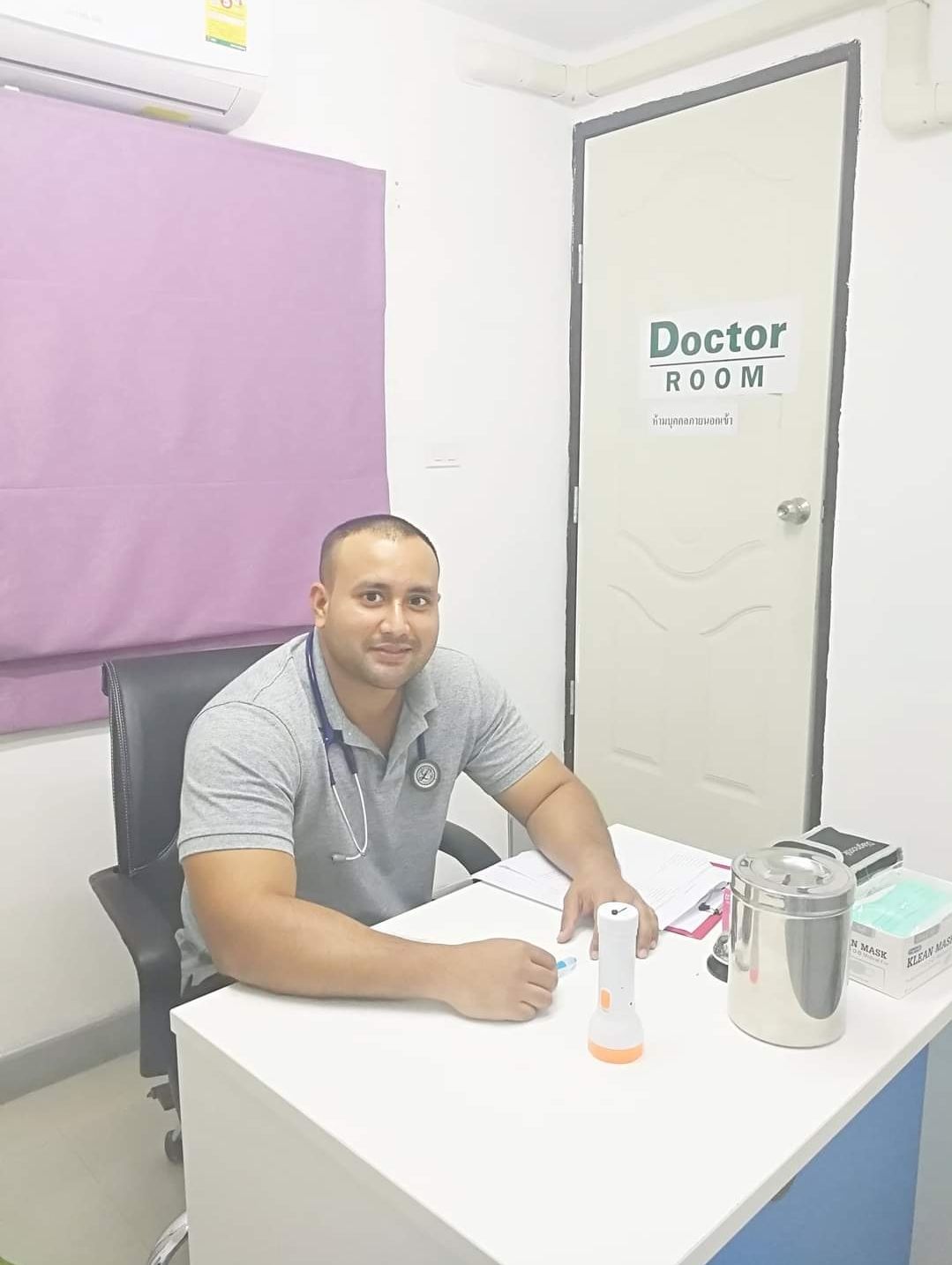
Dr. Ponlawat Pitsuwan is a physician at Doctor Bangkok, a private clinic in central Bangkok. He sees expats, residents, and medical tourists for general medicine, wellness consultations, and IV therapy. His focus is straightforward, evidence-based care delivered in plain language.