


Clinically reviewed by Dr. Ponlawat Pitsuwan, Physician, Doctor Bangkok. Last reviewed: July 2026
A hotel doctor in Bangkok can treat most acute travel illnesses at your bedside, including fever, food poisoning, dehydration, respiratory infections, minor wounds, and dengue screening. Doctor Bangkok sends a licensed English-speaking physician to your room with IV fluids, rapid diagnostic tests, and on-site medications. If your condition needs a hospital, the doctor will tell you clearly and help arrange it.
You are in your hotel room in Bangkok. You feel awful. Maybe it started with dinner last night, or a fever that has not broken since this morning. You are not sure if you need an emergency room or if someone can just come to you. That is exactly the right question to ask, and the answer matters.
Most of what brings travellers undone in Bangkok, the stomach illness, the fever, the dehydration, the infected cut, can be assessed and treated right where you are. A licensed physician can arrive at your room, usually within 45 to 75 minutes, with the equipment and medications to handle most acute conditions on the spot. Here is what that looks like in practice.

What a Hotel Doctor Can Treat
The most common reason people call is gut illness. Traveller’s diarrhoea and food poisoning are everywhere in Bangkok, and they can knock you flat fast. The doctor checks how dehydrated you are, gives you anti-nausea medication if needed, and sets up an IV drip if oral fluids are not enough. If there is reason to suspect a bacterial infection, antibiotics can be prescribed on the spot.
Fever is the second most common call. It could be a viral infection, a bacterial illness, or something more specific to Bangkok like dengue. The doctor examines you, checks your vital signs, and runs a bedside blood test if needed.
Respiratory infections, including sore throat, sinusitis, ear infections, and chest infections, are straightforward to assess and treat in-room. If you need antibiotics or a prescription-strength decongestant, the doctor can write that prescription and arrange for medication to be brought to you.
Wound care comes up more than most people expect. A cut that needs cleaning and closing, an infected insect bite, a skin infection picked up at the beach, all manageable bedside. The doctor carries wound care supplies including suture materials for simple lacerations. Urinary tract infections, skin rashes, allergic reactions, minor burns, migraines, and muscle injuries round out the most common visits.
Bangkok-Specific Conditions a Hotel Doctor Can Assess
This is the part most generic articles skip, and it is the most relevant if you are actually in Bangkok.
Dengue fever is endemic here. If you have had a high fever for two or more days alongside muscle aches, pain behind your eyes, or a rash, dengue is on the list. A doctor from Doctor Bangkok can run a rapid dengue test at your bedside, assess your condition clinically, give IV fluids if needed, and tell you clearly whether you can recover in your room or need hospital monitoring.
Heat exhaustion is common among tourists, especially during the hot season. Symptoms include heavy sweating, dizziness, nausea, and feeling faint. IV fluids and rest are usually enough if caught early. Heat stroke, where the body stops sweating and temperature rises dangerously, needs emergency care fast and is not a hotel visit situation.
Animal bites need immediate attention in Bangkok. Street dogs and cats are common, and rabies is present in Thailand. If you have been bitten or scratched by an animal, a hotel doctor can clean the wound properly and arrange urgent referral for post-exposure prophylaxis. Do not wait on this.
Tropical skin infections, fungal rashes from humidity, infected insect bites, and swimmer’s ear from pool or river exposure are all things a doctor can diagnose and treat in your room.

What a Hotel Doctor Brings to Your Room
A Doctor Bangkok physician arrives with IV fluids and drip equipment, a portable pulse oximeter and blood pressure monitor, and rapid diagnostic tests for dengue, blood glucose, and urine. They carry a range of medications including anti-nausea drugs, antibiotics, antihistamines, pain relief, and anti-diarrhoeal agents, plus wound care supplies and suture materials. They can also write prescriptions that can be filled at any Bangkok pharmacy.
For most acute travel conditions, this kit is everything needed to assess and start treatment on the spot. You do not need to go anywhere.
What a Hotel Doctor Cannot Treat and What Happens Next
A hotel visit has real limits, and it is important to be honest about them.
Chest pain, suspected heart attack, stroke symptoms such as sudden face drooping, arm weakness, or slurred speech, severe breathing difficulty, major trauma, and suspected appendicitis all need a hospital. You need imaging, surgical capability, and a full resuscitation team. A hotel room cannot provide that.
If the doctor arrives and finds you need more than a bedside visit can safely give, you will not be left to work it out alone. The doctor will stabilise you, prepare a referral letter with a clinical summary and any treatment already given, and recommend the right Bangkok hospital for your situation. That handover is part of the service.
Hotel Doctor vs Bangkok Hospital: How to Decide
If you are unsure which way to go, here is how to think about it.
Call a hotel doctor if you have fever, gut illness, dehydration, a respiratory infection, a skin problem, a minor wound, or a UTI. Call if you feel too unwell to travel across Bangkok in traffic. Call if you want a doctor to assess you before deciding anything further.
Go directly to a hospital if you have chest pain, difficulty breathing, signs of stroke, a head injury with loss of consciousness, uncontrolled bleeding, signs of severe allergic reaction such as throat swelling, or you are pregnant with abdominal pain or bleeding.
Bangkok has excellent private hospitals. But getting there takes time, and for conditions that can be managed in your room, the journey is unnecessary when you are already sick.
Payment, Insurance, and What to Prepare
Most international travel insurance policies cover medically necessary in-room consultations. Doctor Bangkok provides an itemised receipt and a structured medical report that meets the documentation requirements for most reimbursement claims.
Check your policy for the excess amount and whether your insurer requires pre-authorisation before the visit. If you are unsure, let us know your insurance details when you call. We can advise you on what to keep.
Payment can usually be made by card or cash on the day. Before the doctor arrives, unlock your room or let the front desk know to expect them, have your passport or ID ready, and note down your symptoms and when they started. It saves time and helps the doctor assess you faster.
If you are sick in your Bangkok hotel room right now, Doctor Bangkok can send a licensed English-speaking physician to you, day or night. We cover fever, food poisoning, dengue screening, IV hydration, wound care, and much more at your bedside. Most patients are seen within 45 to 75 minutes. Book your hotel doctor visit here.
FAQ
#### Can a hotel doctor in Bangkok treat food poisoning and give me an IV drip in my room?
Yes. Food poisoning and traveller’s diarrhoea are among the most common reasons we visit patients in Bangkok hotels. The doctor assesses how dehydrated you are, sets up IV fluids bedside if needed, and prescribes anti-nausea medication or antibiotics if a bacterial cause is likely. Doctor Bangkok carries IV drip equipment as standard on every hotel visit.
#### Can a hotel doctor test me for dengue fever in my hotel room?
Yes, and this is something we do regularly. A rapid bedside test can be done during the visit, since dengue is endemic in Bangkok and early assessment matters. The doctor will assess your full clinical picture, provide supportive care, and advise clearly on whether you need hospital monitoring or can be managed in your room.
#### What is the difference between calling a hotel doctor and going to a Bangkok hospital?
A hotel doctor is right for acute but non-life-threatening conditions: fever, gut illness, dehydration, infections, minor wounds, and skin problems. A Bangkok hospital emergency room is needed for chest pain, stroke symptoms, major trauma, severe breathing difficulty, or anything requiring imaging or surgery. If the hotel doctor finds you need a hospital, they will help arrange the referral.
#### What happens if the hotel doctor decides I need to go to a hospital?
The doctor stabilises you first, then provides a referral letter with a clinical summary and any treatment already given. Doctor Bangkok will recommend the most appropriate Bangkok hospital for your situation. You will not be sent off without a clear plan.
#### Will my travel insurance cover a hotel doctor visit in Bangkok?
Most international travel insurance policies cover medically necessary in-room consultations. Doctor Bangkok provides itemised receipts and structured medical reports suitable for reimbursement claims. Check your policy for the excess and whether pre-authorisation is required before the visit.
#### I was bitten by a street dog in Bangkok. Can the hotel doctor help?
Yes, and please do not wait. The doctor can clean the wound properly and arrange urgent referral for post-exposure rabies prophylaxis. Rabies is present in Thailand and the window for effective post-exposure treatment is time-sensitive. Call immediately.
#### Can a hotel doctor refill my prescription or help with a chronic condition while I am in Bangkok?
A hotel doctor can assess you and write a prescription for medications available in Thailand if clinically appropriate. For ongoing chronic conditions, a clinic consultation is usually better than an in-room visit. But if you have run out of medication or need urgent assessment, a hotel visit is a reasonable place to start.
Dr. Ponlawat Pitsuwan
Physician, Doctor Bangkok
a private medical clinic in central Bangkok. He sees expats, residents, and medical tourists for acute travel illness, fever assessment, dengue screening, wound care, and general medical consultations, including hotel and in-room visits across Bangkok. His focus is straightforward, evidence-based care delivered in plain language.
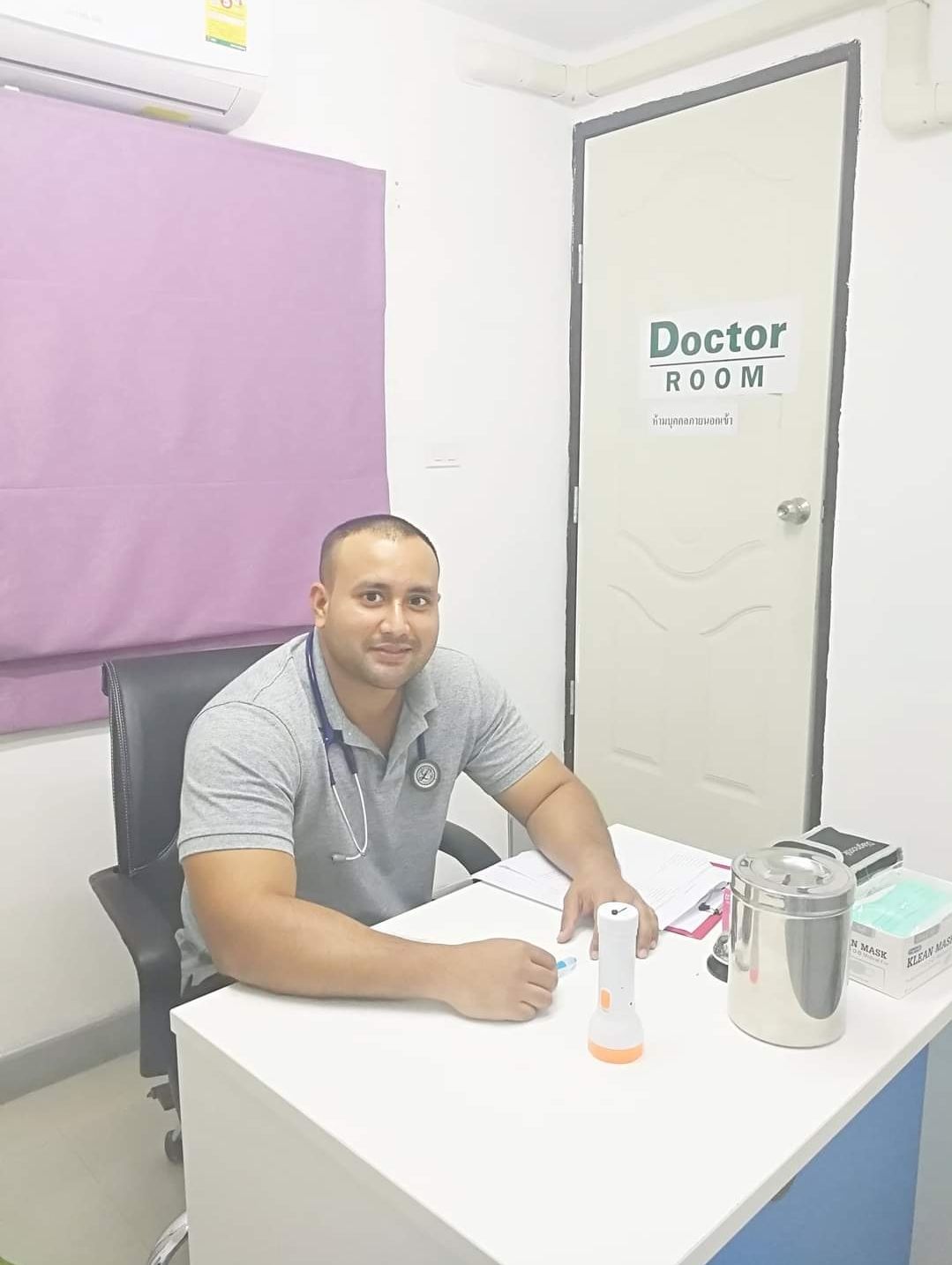
Dr. Ponlawat Pitsuwan is a physician at Doctor Bangkok, a private clinic in central Bangkok. He sees expats, residents, and medical tourists for general medicine, wellness consultations, and IV therapy. His focus is straightforward, evidence-based care delivered in plain language.