
Clinically reviewed by Dr. Ponlawat Pitsuwan, Physician, Doctor Bangkok.
Last reviewed: November 2026
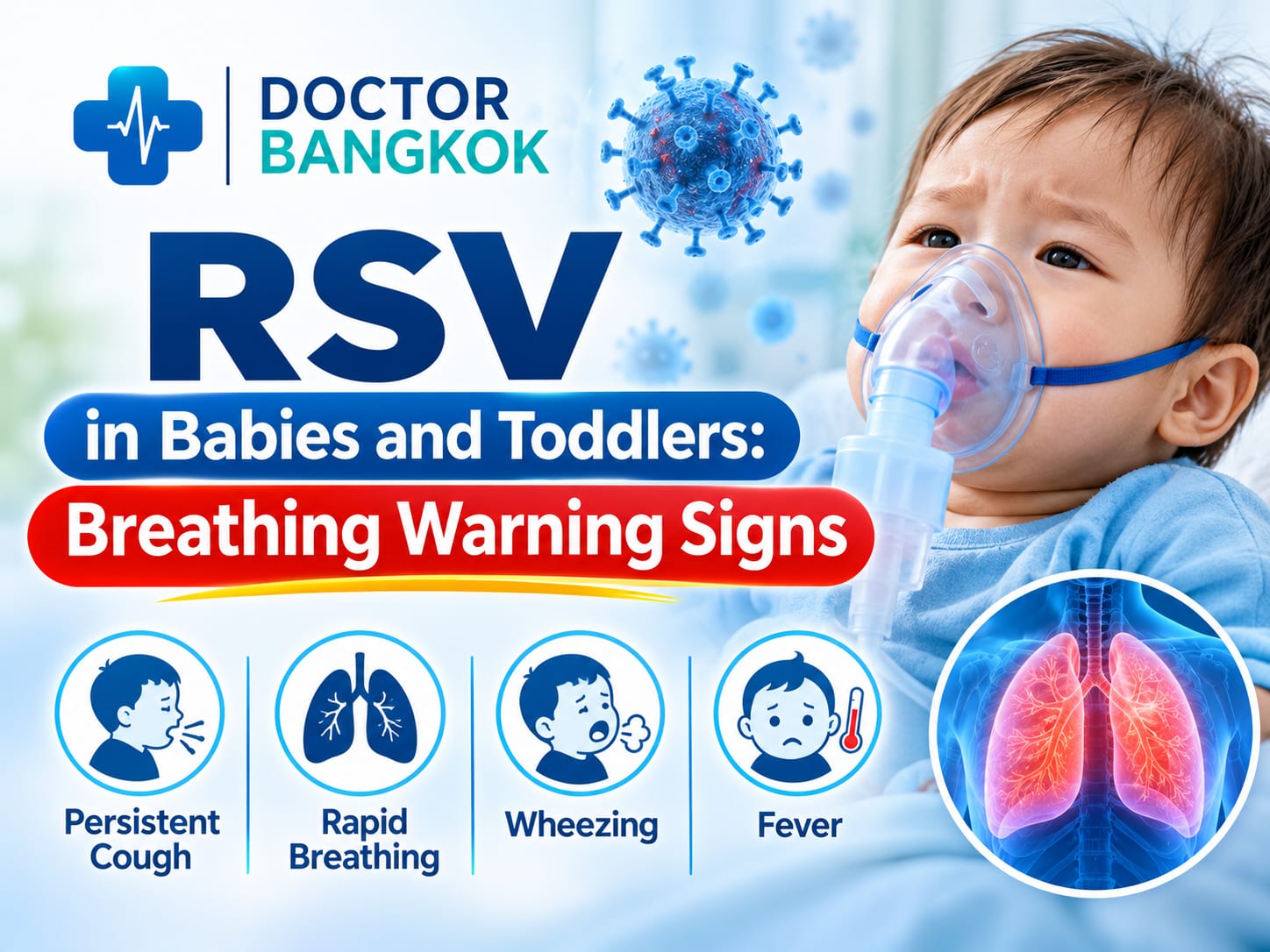
RSV, respiratory syncytial virus, causes most bronchiolitis cases in infants and toddlers. It usually starts like a cold but can move into the lungs within a few days. Watch for fast breathing, chest pulling in, or a blue tinge around the lips. These signs mean your baby needs to be seen by a doctor today, not tomorrow.
Your baby has had a runny nose for two days. Now the breathing looks different. Something about it is not right and you are not sure whether to wait or act. That feeling is worth listening to.
RSV in babies often starts mild. The concern is what can happen next. In Bangkok, RSV circulates most heavily during the rainy season, roughly June through November. If your baby has been coughing since last night and you are reading this during a Bangkok summer, the timing matters. The sections below cover what to watch for, when breathing changes become urgent, and what to do if you are in a hotel or condo far from your regular doctor.
Symptoms of RSV in Babies
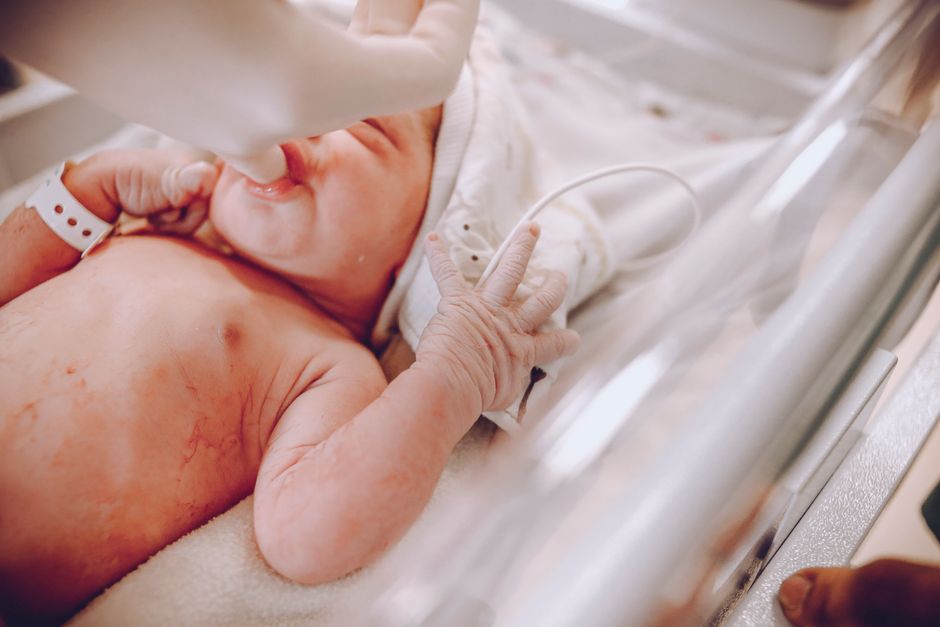
RSV usually starts in the upper airways. The first few days look a lot like a standard cold: runny nose, sneezing, mild cough, and sometimes a low fever. Many parents do not suspect anything beyond a cold at this stage, and that is understandable.
The difference becomes clear when the virus moves into the lower airways. The cough gets worse, feeding slows down, and the breathing pattern changes. In younger babies, this can happen faster.
Babies under three months can sometimes have RSV without obvious cold symptoms. They may simply seem tired, feed poorly, or pause their breathing briefly. Any of these signs in a very young infant warrant medical assessment the same day.
RSV Breathing Warning Signs
This is the part that matters most. Watch for these signs closely.
Fast breathing is the first thing to notice. If your baby’s ribs are visible with each breath, the skin between the ribs is pulling in, or the belly is pumping hard, the breathing is laboured. These are called retractions. Pulling in below the ribcage is especially worth noting. Nostrils widening with each breath, known as nasal flaring, is another sign the body is working hard just to bring air in.
If your baby’s neck tenses, shoulders lift, or the chest and belly move in opposite directions, the normal breathing muscles are not coping. These are accessory muscles stepping in. It means the effort needed to breathe has gone well beyond normal.
A blue or grey tinge around the lips or fingertips means oxygen levels are low. This is called cyanosis. If you see it, do not wait. Go to the nearest emergency department now. This is the most urgent sign on this list.
Brief pauses in breathing, known as apnea, can also occur in young babies with RSV. If your baby stops breathing for a few seconds and does not restart immediately, seek emergency care.
For breathing changes that are concerning but not yet severe, Doctor Bangkok’s doctor-on-call service can send a physician to your hotel or condo within an hour, day or night.
Bronchiolitis: the Most Common Complication of RSV in Babies
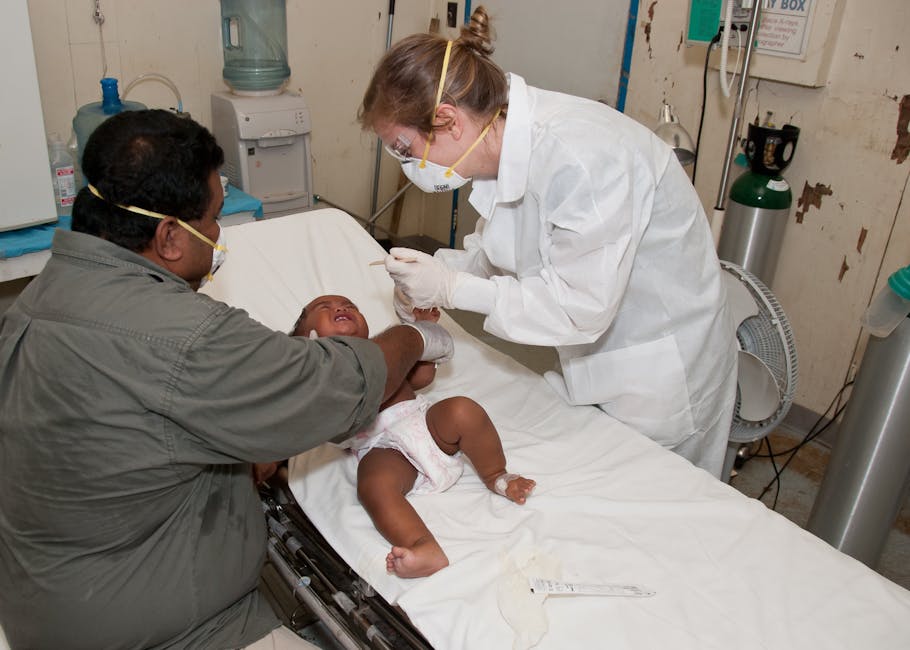
Bronchiolitis is an inflammation of the small airways in the lungs. RSV is the leading cause in infants under twelve months.
The key signs are wheeze, a high-pitched whistling sound when your baby breathes out, rapid breathing, and difficulty feeding. When a baby is working hard to breathe, feeding becomes exhausting. If your baby is finishing significantly less milk than usual, that is a signal worth acting on.
Most bronchiolitis cases resolve with supportive care at home. Severe cases need hospital care, supplemental oxygen, and sometimes tube feeding. The babies most likely to need hospital admission are those under three months, those born prematurely, and those with underlying heart or lung conditions.
A less common but real concern is secondary bacterial infection. If your baby seems to improve slightly then sharply worsens, or develops a high fever after a few days of illness, a doctor should re-examine them. This pattern can indicate a bacterial infection developing alongside the viral one.
RSV Care at Home
There is no antiviral treatment for RSV in otherwise healthy babies. Care at home focuses on keeping the airways clear and keeping your baby hydrated.
Saline nasal drops help loosen mucus before feeds. Babies breathe through their noses during feeding, and thick mucus makes feeding harder. Clear the nose gently before each feed, especially in young infants. Do not use nasal decongestant sprays in babies.
Paracetamol can be given for fever or discomfort if your baby is old enough and you have the correct infant formulation. The dose is weight-based, so check the packaging carefully. Do not give ibuprofen to infants under three months, and never give aspirin to children.
Track wet diapers. A baby producing fewer wet diapers than usual is not drinking enough. Offer feeds more often in smaller amounts if your baby is tiring easily.
Keep your baby away from cigarette smoke. Smoke irritates already inflamed airways and can worsen symptoms significantly.
If you are unsure whether your baby needs to be seen, walk-in assessment is available at Doctor Bangkok on Sukhumvit Soi 13, around the clock.
Prevention of RSV in Babies in Bangkok
RSV spreads through droplets and contact with surfaces. Handwashing is still the most effective basic measure. Keep unwell visitors away from young babies, especially during Bangkok’s rainy season when RSV circulates most actively.
Nirsevimab, sold as Beyfortus, is a monoclonal antibody injection given to infants before or during RSV season. It is not a vaccine, but it provides direct passive antibody protection. A single injection covers one RSV season for most eligible infants. Children who remain at high risk through a second season may need a further dose; ask your doctor about eligibility. It is given as a single injection for most infants and is available at select private clinics in Bangkok. As with any injection, serious allergic reactions can occur; seek medical attention immediately if your baby develops breathing difficulty, swelling, or rash after the dose. If your baby will be in Bangkok between June and October, ask about timing and eligibility before the season begins.
Palivizumab is an older option given in monthly doses during RSV season. It is typically reserved for high-risk infants: those born before 29 weeks, those with congenital heart disease, or those with chronic lung conditions. If your child falls into one of these categories, discuss prophylaxis with a physician before travelling.
A maternal RSV vaccine is approved in several countries. If you are pregnant and travelling to Bangkok during rainy season, ask your obstetrician whether this is appropriate for you. It offers protection through antibodies passed to the baby before birth.
For families arriving in Bangkok with an infant between June and October, a travel health consultation at Doctor Bangkok covers vaccination schedules, RSV prophylaxis options, and what to do if your baby becomes unwell, all in one visit.
If your baby is showing breathing changes, is feeding poorly, or you are in Bangkok and not sure whether to wait, Doctor Bangkok is available around the clock. Walk in to our clinic on Sukhumvit Soi 13, or request a doctor to your hotel or condo. A physician can be with you within an hour, anywhere in Bangkok, day or night. For travel health advice before or during your stay, including RSV prophylaxis options for infants, ask our team at your first visit.
Frequently Asked Questions About RSV in Babies
Dr. Ponlawat Pitsuwan
Physician, Doctor Bangkok
a private medical clinic in central Bangkok, open 24/7, with a doctor-on-call service that comes to your hotel or condo within one hour. He sees expats, residents, and medical tourists for general medical consultations including fever, respiratory illness, infant and child assessments, and travel health. His focus is straightforward, evidence-based care delivered in plain language.
References
- Centers for Disease Control and Prevention. RSV in Infants and Young Children. CDC, 2024.
- Hammitt LL, et al. Nirsevimab for Prevention of RSV in Healthy Late-Preterm and Term Infants. New England Journal of Medicine. 2022;386:837-846.
- U.S. Food and Drug Administration. Beyfortus (nirsevimab-alip) Prescribing Information. FDA, 2024.
- National Institute for Health and Care Excellence. Bronchiolitis in children: diagnosis and management. NICE guideline NG9. NICE, 2015 (updated).
- World Health Organization. WHO prequalifies first maternal respiratory syncytial virus vaccine. WHO News, March 2025.
- Felber T, et al. Respiratory syncytial virus seasonality in Bangkok, Thailand. Scientific Reports, 2020.
The information in this article is for educational purposes only and does not constitute medical advice. It should not be used to self-diagnose or replace a consultation with a qualified physician. If you have concerns about your health, contact a licensed medical professional. For appointments at Doctor Bangkok, visit doctorbangkok.co.th.
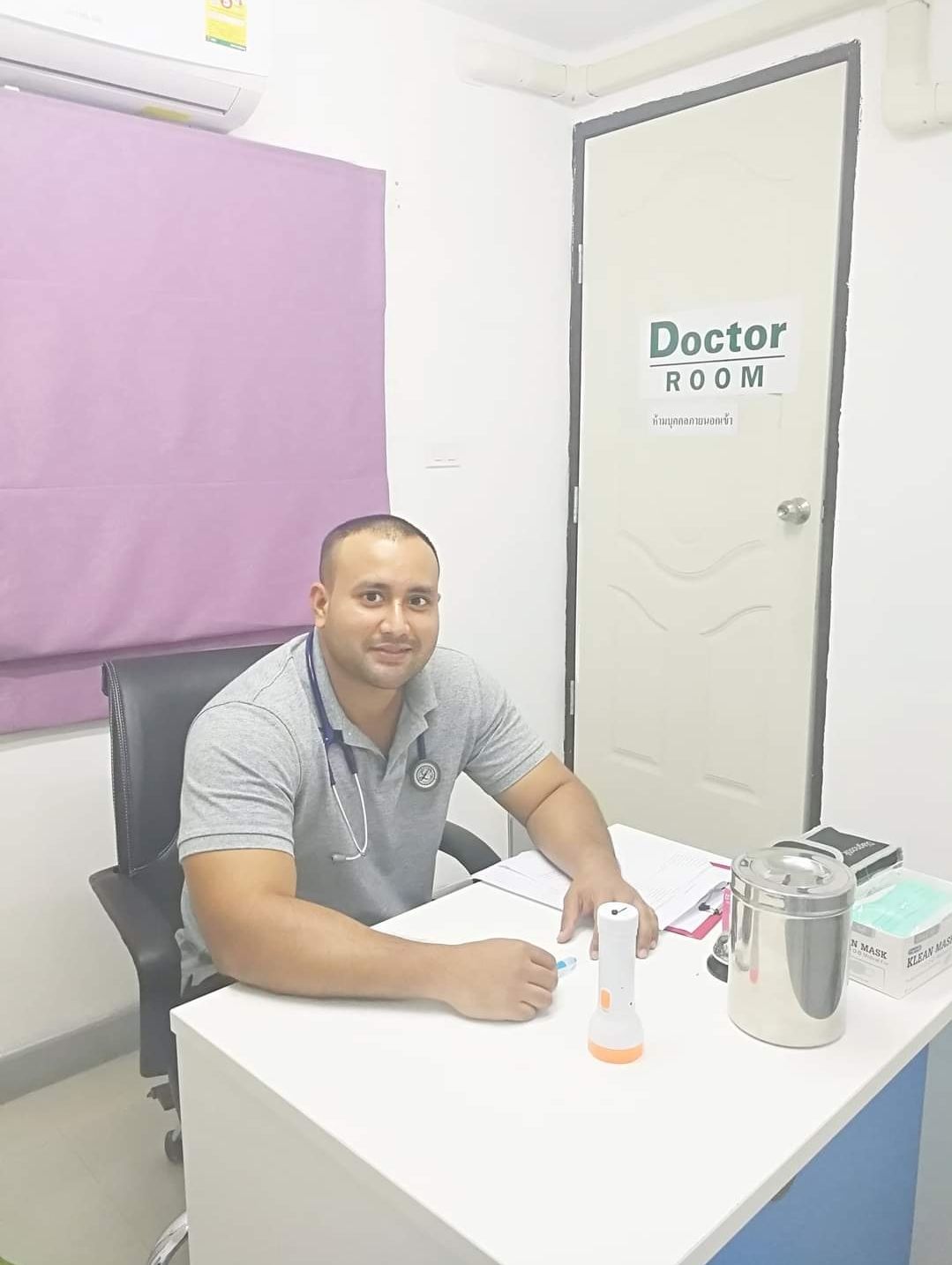
Dr. Ponlawat Pitsuwan is a physician at Doctor Bangkok, a private clinic in central Bangkok. He sees expats, residents, and medical tourists for general medicine, wellness consultations, and IV therapy. His focus is straightforward, evidence-based care delivered in plain language.