
Clinically reviewed by Dr. Ponlawat Pitsuwan, Physician, Doctor Bangkok.
Last reviewed: November 2026
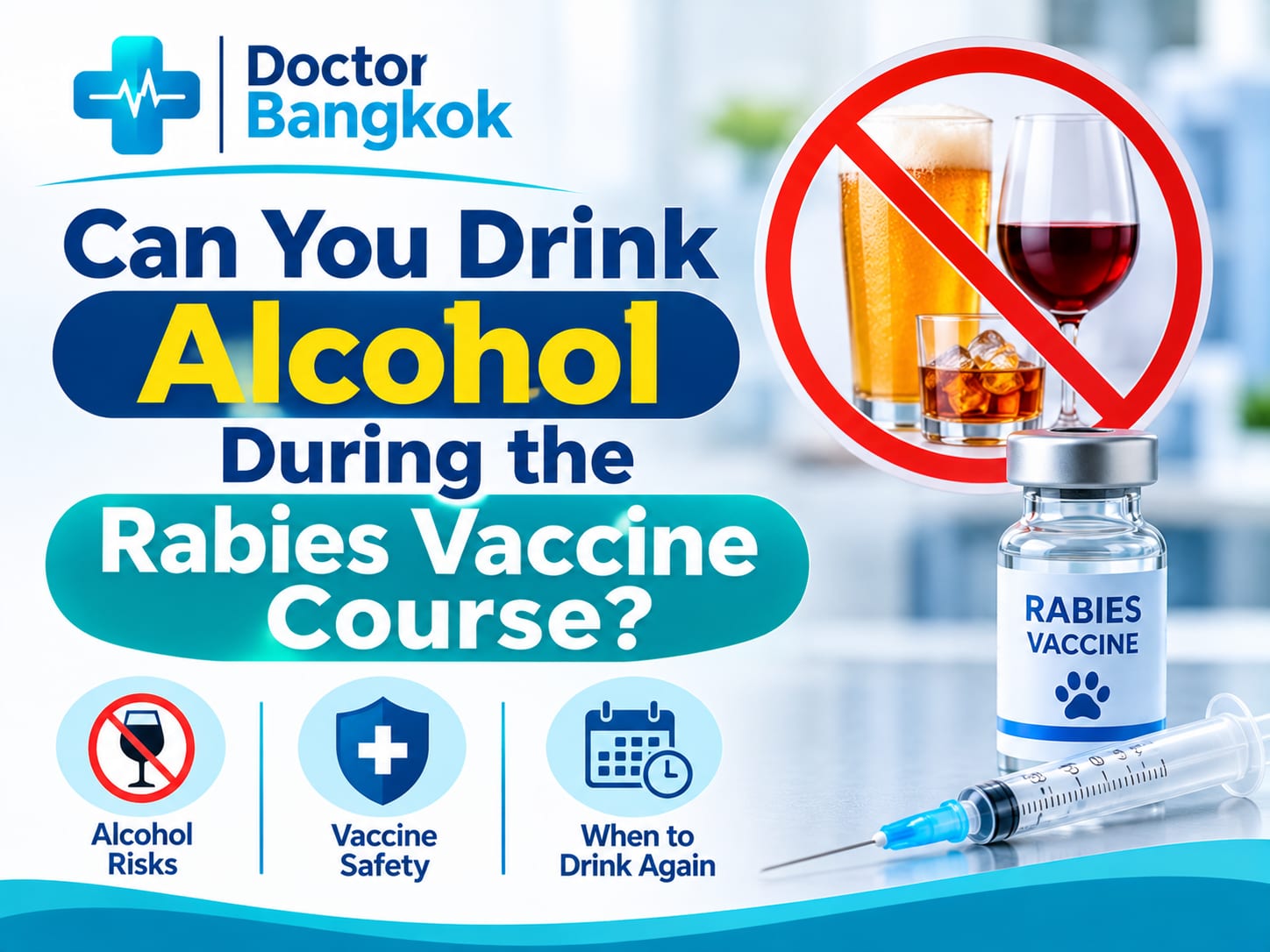
One or two drinks during a rabies vaccine course is unlikely to impair your protection. Heavy or chronic drinking is a different matter: it can suppress the immune response your body needs to build from the vaccine. If you are on post-exposure treatment after an animal bite in Bangkok, keeping alcohol light and your vaccine appointments on time are both non-negotiable.
You got bitten, you started your shots, and now you have a Songkran party or a Friday night on Sukhumvit. The question is reasonable: does a beer actually matter when you are mid-course? The short answer is that moderate drinking is unlikely to ruin your protection, but heavy drinking and missed doses are genuinely dangerous, especially on post-exposure treatment.
Rabies is fatal once symptoms appear. That makes the post-exposure prophylaxis schedule one of the few medical protocols where timing is not negotiable. Anything that pushes you off that schedule matters far more than the alcohol itself.
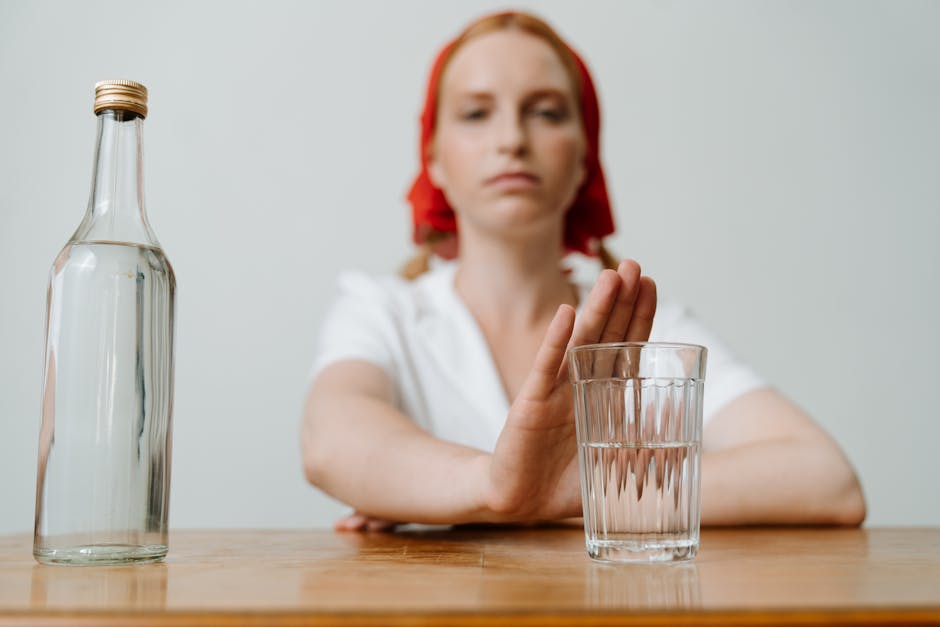
Does Alcohol Affect the Rabies Vaccine?
It depends on how much you drink. Research on chronic heavy alcohol use shows measurable suppression of T-cell function and lower IgG antibody levels after vaccination. These are the immune responses your body needs to build lasting protection. A study in non-human primates found that animals with high blood alcohol levels produced weaker antibody and T-cell responses to a vaccine compared to moderate drinkers and controls.
Moderate social drinking does not appear to cause the same effect. No strong clinical evidence suggests one or two standard drinks on the evening after a shot will meaningfully lower your antibody response to the rabies vaccine. What matters is the pattern, not a single occasion.
Immunosuppression from alcohol is dose-dependent. It takes consistent heavy intake to blunt your immune response in a clinically significant way. If you are drinking heavily every day during a vaccine course, that is a conversation to have with your doctor.
Why Doctors Advise Moderation During the Vaccine Course
The main concern is not purely immunological. It is behavioural. A heavy night out can leave you dehydrated, sleep-deprived, and unwell the next morning. Sleep disruption suppresses immune function in the short term and may reduce vaccine antibody responses. They also make vaccine side effects harder to manage.
Chronic alcohol use concerns us on two fronts. First, it creates a background state of mild immunosuppression over weeks. Second, it increases the chance a patient simply does not make their next appointment. On post-exposure prophylaxis, a missed or significantly delayed dose requires medical review to determine whether the schedule needs to be adjusted.
Rabies vaccines commonly cause headache, fatigue, nausea, and mild soreness at the injection site. These overlap exactly with hangover symptoms. If you drank the night before and wake up feeling rough, you may not be able to tell whether you are reacting to the vaccine or recovering from the alcohol. That distinction matters.

Pre-Exposure vs Post-Exposure: The Stakes Are Not the Same
Pre-exposure prophylaxis is the preventive course taken before any bite or exposure, typically by travellers or people working around animals. If one dose is slightly suboptimal due to alcohol, the clinical risk is lower. You can arrange a follow-up antibody test to confirm adequate protection.
Post-exposure prophylaxis is an entirely different situation. This is the emergency protocol given after a potential rabies exposure: an animal bite, a scratch from a bat, or contact with saliva on broken skin. The standard schedule requires doses on specific days. The timing of each dose is part of what makes the protocol effective.
If you are on post-exposure treatment, the question is not really whether alcohol affects the vaccine. The question is whether you can guarantee you will make every appointment on time, every time, regardless of what else is happening that week. That is what actually keeps you protected. You can read more about the full post-exposure schedule at our rabies vaccination page.
Songkran, Bangkok Nightlife, and Staying on Schedule
Songkran is the most obvious scenario. Bangkok’s water festival runs for several days in April and involves exactly the conditions that make medical appointments difficult: late nights, alcohol, public chaos, and pharmacies that run out of stock. Stray dog encounters also increase during the festival when streets fill with people and animals are disturbed by noise and water.
The same applies to the Sukhumvit nightlife stretch on any given weekend. A patient who starts post-exposure treatment on a Thursday and has a full weekend planned needs to know that their next dose cannot wait until Monday. If you are out late and your clinic is closed, you have a problem.
Doctor Bangkok’s 24-hour walk-in clinic on Sukhumvit is open every night. If you cannot travel, the doctor-on-call service brings a physician to your hotel or condo anywhere in Bangkok, so a late night is not a reason to miss a rabies dose.
Know your next dose date. Save the clinic number. Do not let a Bangkok night out put you behind on a life-saving protocol.
Been bitten by an animal in Bangkok, or need to start or continue a rabies vaccine course? Doctor Bangkok’s walk-in clinic on Sukhumvit Soi 13 is open 24 hours. If you cannot travel, our doctor-on-call service brings a physician to your hotel or condo. Do not delay post-exposure treatment. Contact Doctor Bangkok now.
FAQ
Dr. Ponlawat Pitsuwan
Physician, Doctor Bangkok
a private medical clinic in central Bangkok open 24 hours, with a doctor-on-call service that comes to your hotel or condo within one hour. He sees expats, residents, and medical tourists for rabies post-exposure and pre-exposure prophylaxis, travel vaccinations, animal bite management, and general medical care. His focus is straightforward, evidence-based care delivered in plain language.
References
- Sarkar D, Jung MK, Wang HJ. Alcohol and the Immune System. Alcohol Research: Current Reviews, 2015;37(2):153-155.
- Prather AA et al. Behaviorally assessed sleep and susceptibility to the common cold. Sleep, 2015. Sleep and immune function review context via UCLA Health summary
- Centers for Disease Control and Prevention. Rabies Post-Exposure Prophylaxis (PEP). CDC, 2024.
- World Health Organization. Rabies fact sheet. WHO, 2023.
- Besedovsky L, Lange T, Haack M. The Sleep-Immune Crosstalk in Health and Disease. Physiological Reviews, 2019;99(3):1325-1380. Underpins sleep/immune suppression claim
The information in this article is for educational purposes only and does not constitute medical advice. It should not be used to self-diagnose or replace a consultation with a qualified physician. If you have concerns about your health, contact a licensed medical professional. For appointments at Doctor Bangkok, visit doctorbangkok.co.th.
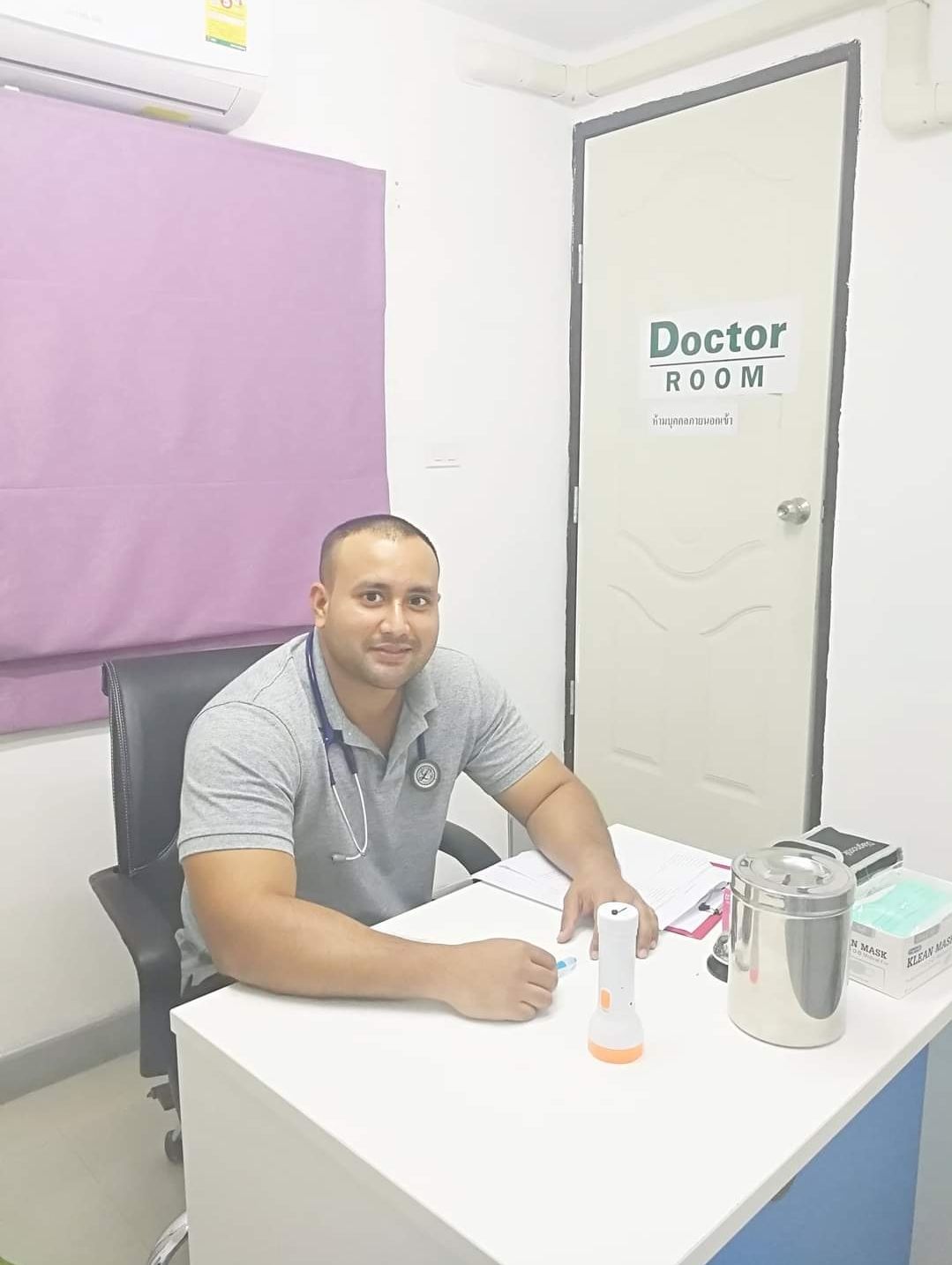
Dr. Ponlawat Pitsuwan is a physician at Doctor Bangkok, a private clinic in central Bangkok. He sees expats, residents, and medical tourists for general medicine, wellness consultations, and IV therapy. His focus is straightforward, evidence-based care delivered in plain language.