
Clinically reviewed by Dr. Ponlawat Pitsuwan, Physician, Doctor Bangkok.
Last reviewed: November 2026
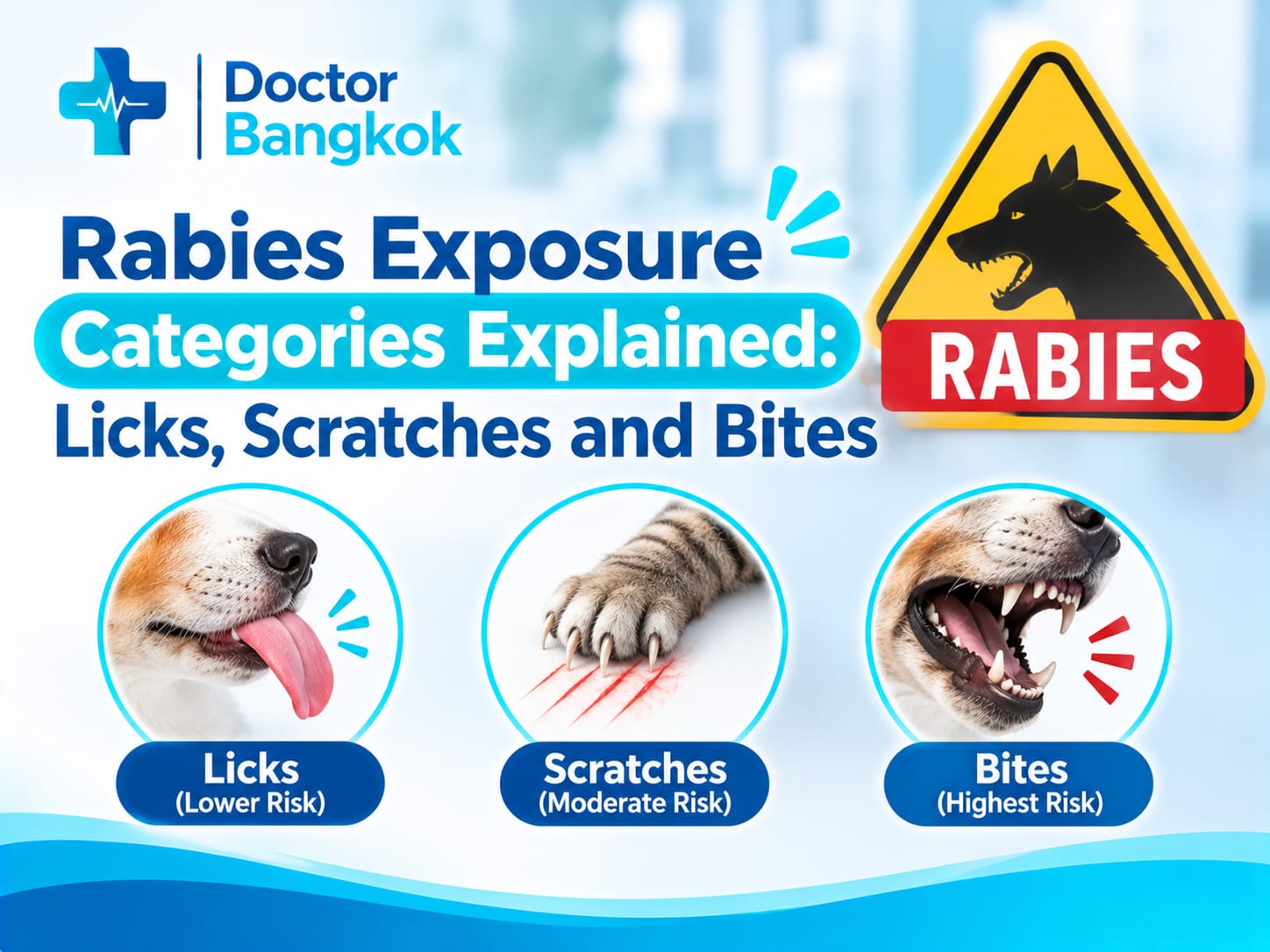
The WHO classifies rabies exposure into three categories. Category I is contact with intact skin only: no treatment needed beyond washing. Category II is minor scratches or licks on broken skin: rabies vaccine required. Category III is bites that break the skin, or any contact involving mucous membranes or bats: vaccine plus rabies immunoglobulin required. Getting the category wrong means either unnecessary treatment or a genuinely dangerous gap in protection.
You are sitting in your hotel room at 10pm, hand washed, staring at a small mark a stray dog left near Asoke. You are not sure if the skin was actually broken. The question that matters is not "did it touch me?" but "which category is this?" That single answer determines whether you need nothing, a vaccine course, or a vaccine plus immunoglobulin tonight.
Bangkok has stray dogs on most streets, temple monkeys, and cats in condo car parks. Animal contact happens here more than most expats expect. The WHO three-category system exists for exactly this: a clear framework so you are not guessing at midnight.
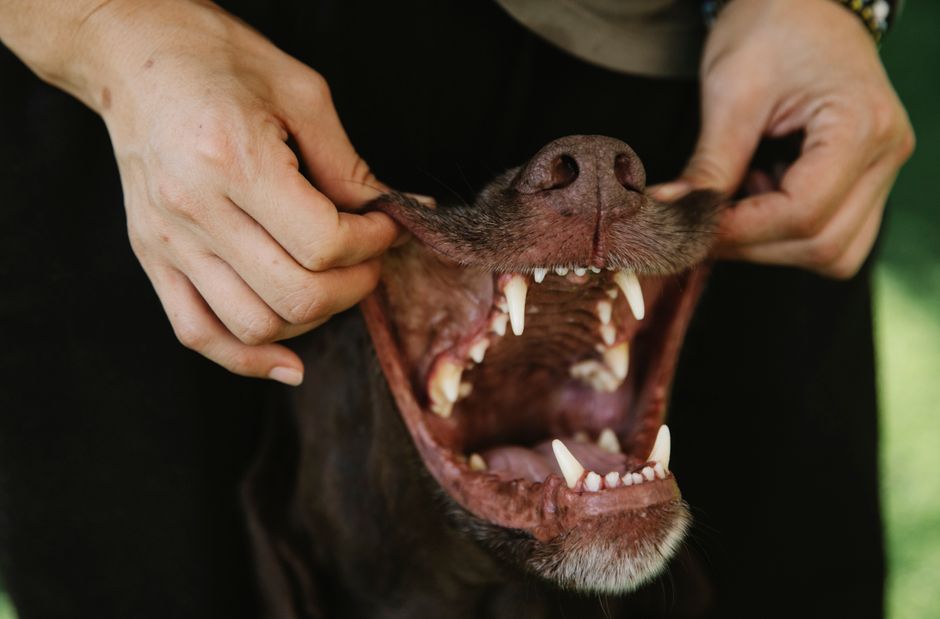
Category I: When No Rabies Vaccine Is Needed
Category I means contact with an animal but no real exposure to saliva or virus. Touching or feeding an animal. A lick on completely intact skin. Contact through clothing. No wound, no broken skin, no mucous membrane contact.
The only action needed is thorough washing with soap and water. No vaccine. No clinic visit required. If you have any doubt about whether the skin was truly intact, that changes the category immediately. When in doubt, seek assessment.
Category II: Scratches, Minor Bites and Licks on Broken Skin
Category II is where most Bangkok animal encounters land. This includes nibbling that leaves a mark without drawing blood, minor scratches that break the outer skin layer, and licks directly onto a wound, broken skin, or cracked cuticle. The skin does not need to bleed for this to qualify.
For Category II, you need the rabies vaccine. No rabies immunoglobulin is required at this category. The risk assessment covers the animal type, its behaviour, whether it can be observed, and your immune status. Immunocompromised patients may need a modified schedule.
One detail that is easy to miss: a wound you assumed was healing may have a small break you did not notice. Any lick on what you think is intact skin around a previous scrape or cut needs to be assessed properly. This is where your contact history matters most.

Category III: Bites, Bats and Mucous Membrane Contact
Category III is the most urgent. This covers bites that break the skin, any bat contact regardless of visible wound, contamination of mucous membranes with saliva, and scratches from bats or primates.
Bats are always Category III. You do not need a visible bite. Waking up in a room where a bat was present and being unable to rule out contact while asleep is treated as Category III. The same applies to finding a bat on a child or unconscious person.
Monkey bites in Bangkok carry specific risk. Temple monkeys at sites around the city and street-side primates are a real exposure risk. A primate scratch that breaks the skin is Category III. The animal appearing healthy or calm does not change the classification. Seek care immediately.
For Category III, you need both the rabies vaccine and rabies immunoglobulin (RIG). The RIG is injected as much as possible directly into the wound site on day 0, alongside the first vaccine dose. This step cannot be delayed. RIG is only effective before the virus begins moving along nerve pathways. After the first seven days of post-exposure treatment it should not be given, as the benefit is lost.
How Rabies Exposure Category Changes Your Treatment
The practical difference between categories is what you receive at the clinic and how fast you need to get there.
| Category | Contact Type | Vaccine | RIG | Urgency |
|---|---|---|---|---|
| I | Intact skin, no wound | None | None | Low |
| II | Minor scratch, lick on broken skin | Yes | No | Same day |
| III | Bite breaking skin, mucous membranes, bat contact | Yes | Yes | Immediate |
If you have had pre-exposure prophylaxis, the full rabies vaccine course before any exposure, your treatment changes significantly. You still need post-exposure treatment, but the schedule is shortened and you do not need RIG. This is one of the strongest practical reasons for expats living long-term in Bangkok to get pre-exposure vaccination before an incident occurs. You can review your options on the travel vaccinations page.
Incomplete post-exposure treatment is a real problem for travellers. Starting the vaccine on day 0 and leaving Bangkok before finishing the course puts you in a gap. If you started treatment here and need to continue it elsewhere, the schedule can be maintained across clinics. Do not stop the course.
Wound washing is part of treatment at every category. Wash with soap and water for at least 15 minutes immediately after any animal contact. This is not a substitute for medical care at Category II or III, but it is the most important step you take before you reach a clinic.
If you are immunocompromised, tell the doctor at assessment. The vaccine schedule and RIG dosing may need adjustment based on your immune status.
For wound care after any bite or scratch, Doctor Bangkok provides same-day wound assessment and dressing. The doctor-on-call service can come to your hotel or condo if leaving your location is not practical. For Category II exposures, the doctor can begin wound care and the first vaccine dose at your location. For Category III, initial assessment and wound care begin immediately, with RIG coordinated without delay.
Not sure which category your exposure falls into? Doctor Bangkok is open 24 hours a day, 7 days a week. Walk into our clinic on Sukhumvit Soi 13 at any time, or call our doctor-on-call service to have a doctor come to your hotel or condo within one hour. We can assess your rabies exposure category, begin wound care, and start your vaccine course the same day. For Category III exposures requiring immunoglobulin, do not wait until morning.
Frequently Asked Questions
Dr. Ponlawat Pitsuwan
Physician, Doctor Bangkok
a private medical clinic in central Bangkok, open 24 hours a day, 7 days a week, with a doctor-on-call service that reaches your hotel or condo within one hour. He sees expats, residents, and medical tourists for rabies exposure assessment, post-exposure prophylaxis, travel vaccinations, and general medical care.
References
- World Health Organization. Rabies vaccines: WHO position paper. Weekly Epidemiological Record. 2018;93(16):201–220.
- Centers for Disease Control and Prevention. Rabies: Post-Exposure Prophylaxis. CDC; updated 2023.
- MSF Medical Guidelines. Rabies. Médecins Sans Frontières; 2023.
- World Health Organization. Rabies: Post-immunization recommendations. WHO Neglected Tropical Diseases.
The information in this article is for educational purposes only and does not constitute medical advice. It should not be used to self-diagnose or replace a consultation with a qualified physician. If you have concerns about your health, contact a licensed medical professional. For appointments at Doctor Bangkok, visit doctorbangkok.co.th.
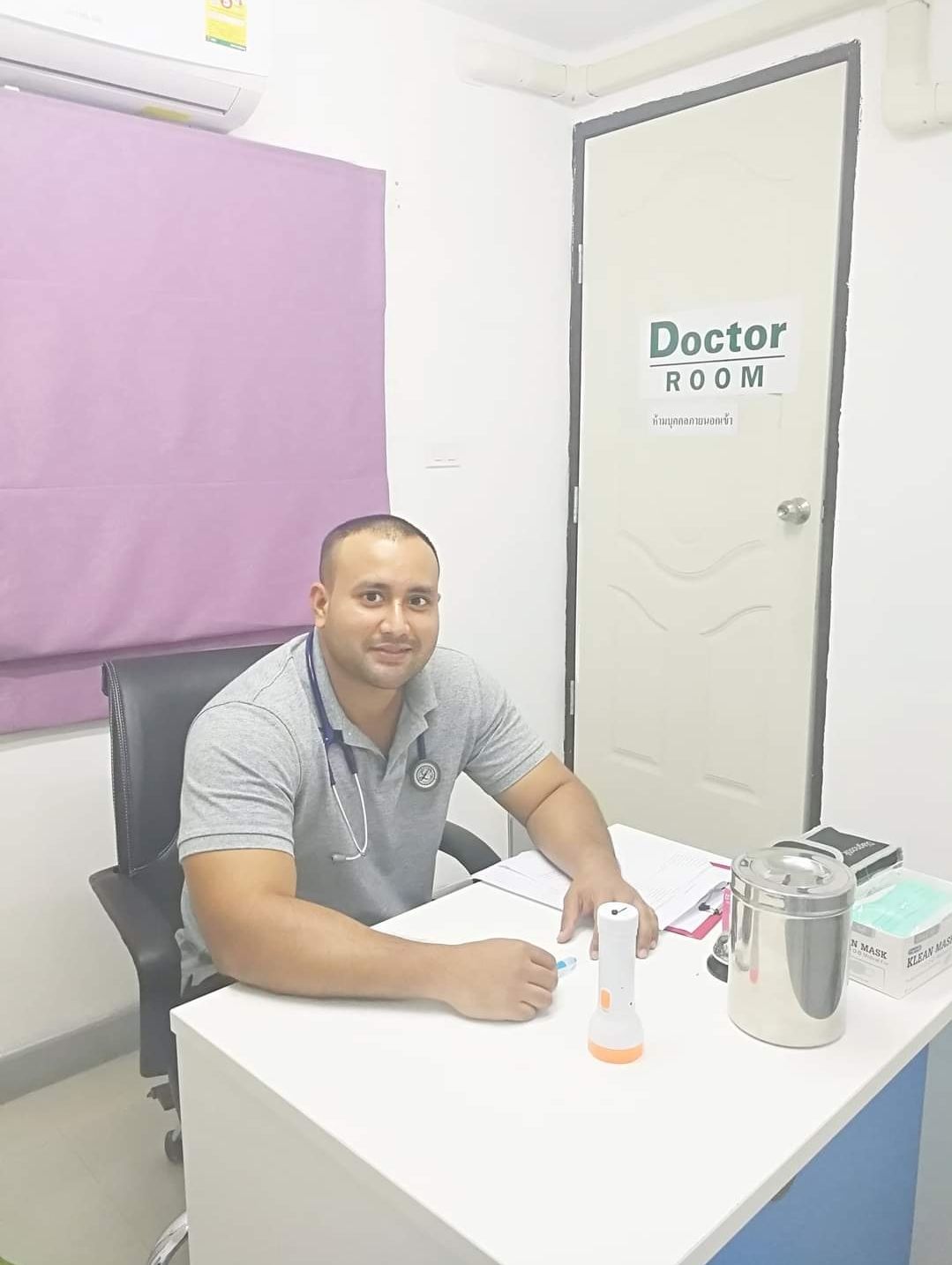
Dr. Ponlawat Pitsuwan is a physician at Doctor Bangkok, a private clinic in central Bangkok. He sees expats, residents, and medical tourists for general medicine, wellness consultations, and IV therapy. His focus is straightforward, evidence-based care delivered in plain language.