
Clinically reviewed by Dr. Ponlawat Pitsuwan, Physician, Doctor Bangkok.
Last reviewed: October 2026
GLP-1 medicines like semaglutide and tirzepatide reduce appetite and slow how quickly food leaves your stomach. Clinical trials show meaningful average weight loss, but results vary between individuals. Stopping the medication usually leads to weight regain. A supervised programme with ongoing monitoring gives you the best chance of lasting results.
You want to start. You know the names: Ozempic, Wegovy, Mounjaro. You are in Bangkok, you have done the research, and you want an honest answer about what these medicines actually deliver. Not a sales pitch. Just what the evidence says and what it means for you.
GLP-1 medicines work for many people. They are not a permanent fix on their own. Trial results are real and significant. They are also averages, and your outcome depends on factors no clinic can fully predict at the start. What you do alongside the medication, and what happens when you stop, matters just as much as the drug itself.

Why GLP-1 Medicines Are Used for Weight Management
Your gut releases GLP-1, a natural hormone, after you eat. It tells your brain to reduce hunger, slows how fast food leaves your stomach, and helps regulate blood sugar. Semaglutide and tirzepatide mimic and amplify this signal. Note that tirzepatide also acts on the GIP receptor and is not a pure GLP-1 receptor agonist.
The result is a sustained drop in appetite. Most people eat less without having to fight hunger the way they would on a calorie-restricted diet alone. This is why these medicines produce more weight loss than lifestyle changes by themselves in clinical trials.
These are prescription-only medicines in Thailand. You cannot legally buy them at a pharmacy counter or through social media sellers without a prescription from a licensed physician. A legitimate prescription follows a clinical assessment, not a quick online form.
What Clinical Trials Show About GLP-1 for Weight Loss
The STEP 1 trial, published in the New England Journal of Medicine in 2021, tested semaglutide 2.4 mg weekly in adults with obesity but without diabetes. Participants lost an average of around 15% of their body weight over 68 weeks.
The SURMOUNT-1 trial for tirzepatide showed higher average losses, with some dose groups reaching around 20% of body weight over 72 weeks. These are among the strongest results in obesity medicine to date.
Two things matter here. These trials used specific patient groups and maximum approved doses. Real-world results are often more modest. Both trials also included structured lifestyle support alongside the medication.
Why Personal Outcomes Still Differ
Genetics, baseline insulin resistance, starting BMI, and how well you tolerate dose titration all affect your result. Some people respond strongly early on. Others plateau after a few months despite being on full doses.
The first several weeks are usually at a low starting dose. This phase is about tolerability, not maximum effect. Weight loss at this stage is often slower than patients expect, which leads some people to stop too early.
A mid-treatment plateau is common and does not mean the medicine has stopped working. It may mean the dose needs review or that lifestyle factors need adjustment. This is why ongoing monitoring from a physician matters, not just a prescription and a pen.
Lifestyle Still Matters Alongside GLP-1 Medication
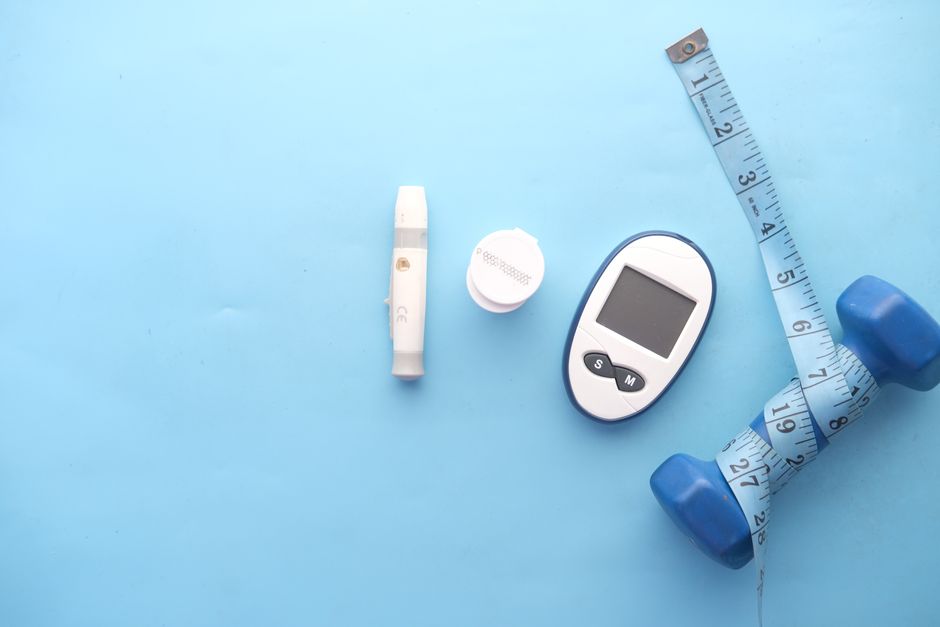
GLP-1 medicines reduce appetite. They do not decide what you eat when you do eat. Protein intake matters. Adequate protein during a caloric deficit helps preserve lean muscle mass. Resistance training serves the same purpose.
If you lose weight without attention to body composition, some of that loss will be lean mass, not just fat. Losing muscle reduces how many calories your body burns at rest, which makes future weight management harder.
A supervised programme tracks more than the number on the scale. Body composition, blood glucose, blood pressure, and liver enzymes all need periodic review. This changes clinical decisions, not just paperwork.
Weight Regain After Stopping GLP-1 Injections
The STEP 1 extension trial followed participants after they stopped semaglutide. A significant portion of the lost weight returned within one year of stopping, and it came back predominantly as fat rather than lean mass.
GLP-1 medicines work while you take them. The biological drive to regain weight does not disappear because you lost it on medication. Appetite regulation and fat-storage signals tend to revert when the drug is withdrawn.
This is not a reason to avoid treatment. It is a reason to go in with clear expectations. Some patients choose long-term maintenance dosing. Others use treatment as a window to build habits that reduce regain risk. That conversation belongs with your prescribing physician, not a blog post.
Patients who regain weight on a lower muscle base can end up with worse body composition than before they started. Protein intake and resistance training during treatment are not optional extras.
Who Should Not Start GLP-1 Weight Therapy
GLP-1 medicines are not appropriate for everyone. A personal or family history of medullary thyroid carcinoma is a contraindication for both semaglutide and tirzepatide. During treatment, seek medical attention promptly if you develop persistent severe abdominal pain, which can be a sign of pancreatitis, or any signs of a serious allergic reaction. The same applies to a history of multiple endocrine neoplasia syndrome type 2.
A history of pancreatitis needs careful review before starting. These medicines are not used during pregnancy. Anyone with a history of severe gastrointestinal disease, eating disorders, or certain gallbladder conditions should have a thorough assessment first.
This is why baseline blood work is not a formality. A standard workup includes fasting glucose or HbA1c, a three-month average of blood sugar control, lipid panel, thyroid function, liver enzymes, and blood pressure. This is the filter that keeps treatment safe.
Starting a Supervised GLP-1 Programme in Bangkok
If you want to start GLP-1 weight loss treatment in Bangkok, the first step is a clinical consultation, not a pharmacy. These are prescription-only medicines, and the prescription should follow a proper assessment.
At Doctor Bangkok, initial weight management consultations cover your medical history, baseline blood tests, and a direct discussion of what to expect. You can find details on our weight-loss injections programme including Ozempic and Mounjaro, or check your starting point with our BMI calculator before you come in.
If you are staying at a hotel or serviced apartment, our doctor-on-call service can come to you anywhere in Bangkok. Dose adjustments, blood test reviews, and side-effect management all require a consistent clinical relationship. For expats without a regular GP and for medical tourists fitting treatment into a longer stay, that ongoing access matters. If you want to understand your cardiovascular risk alongside weight management, our Cardiovascular Risk Calculator gives you a useful starting picture.
Buying GLP-1 pens from social media sellers or unregulated sources is illegal in Thailand and medically unsafe. Counterfeit and under-dosed products entered informal markets before the prescription requirement was enforced. The risk is real. Use a licensed clinic.
Ready to start a GLP-1 weight loss programme in Bangkok? Doctor Bangkok offers same-day consultations at our 24/7 clinic on Sukhumvit Soi 13, or we can send a doctor to your hotel or condo within one hour. We handle the full picture: initial assessment, baseline blood tests, prescription, and ongoing monitoring. Walk in anytime, or book a doctor-on-call visit at doctorbangkok.co.th.
Frequently Asked Questions
Dr. Ponlawat Pitsuwan
Physician, Doctor Bangkok
a private medical clinic in central Bangkok, open 24/7, with a doctor-on-call service that comes to your hotel or condo within one hour. He sees expats, residents, and medical tourists for weight management consultations, GLP-1 treatment programmes, and general medical care. His focus is straightforward, evidence-based care delivered in plain language.
References
- Wilding JPH et al. Once-Weekly Semaglutide in Adults with Overweight or Obesity. New England Journal of Medicine. 2021;384:989-1002.
- Jastreboff AM et al. Tirzepatide Once Weekly for the Treatment of Obesity. New England Journal of Medicine. 2022;387:205-216.
- Wilding JPH et al. Weight regain and cardiometabolic effects after withdrawal of semaglutide: The STEP 1 trial extension. Diabetes, Obesity and Metabolism. 2022;24(8):1553-1564.
- FDA. Mounjaro (tirzepatide) Prescribing Information. 2025.
- World Health Organization. Obesity and overweight fact sheet. WHO. 2024.
- Healio. About 31% of weight lost by adults during GLP-1 therapy comes from lean mass. Healio Endocrinology. 2025.
The information in this article is for educational purposes only and does not constitute medical advice. It should not be used to self-diagnose or replace a consultation with a qualified physician. If you have concerns about your health, contact a licensed medical professional. For appointments at Doctor Bangkok, visit doctorbangkok.co.th.
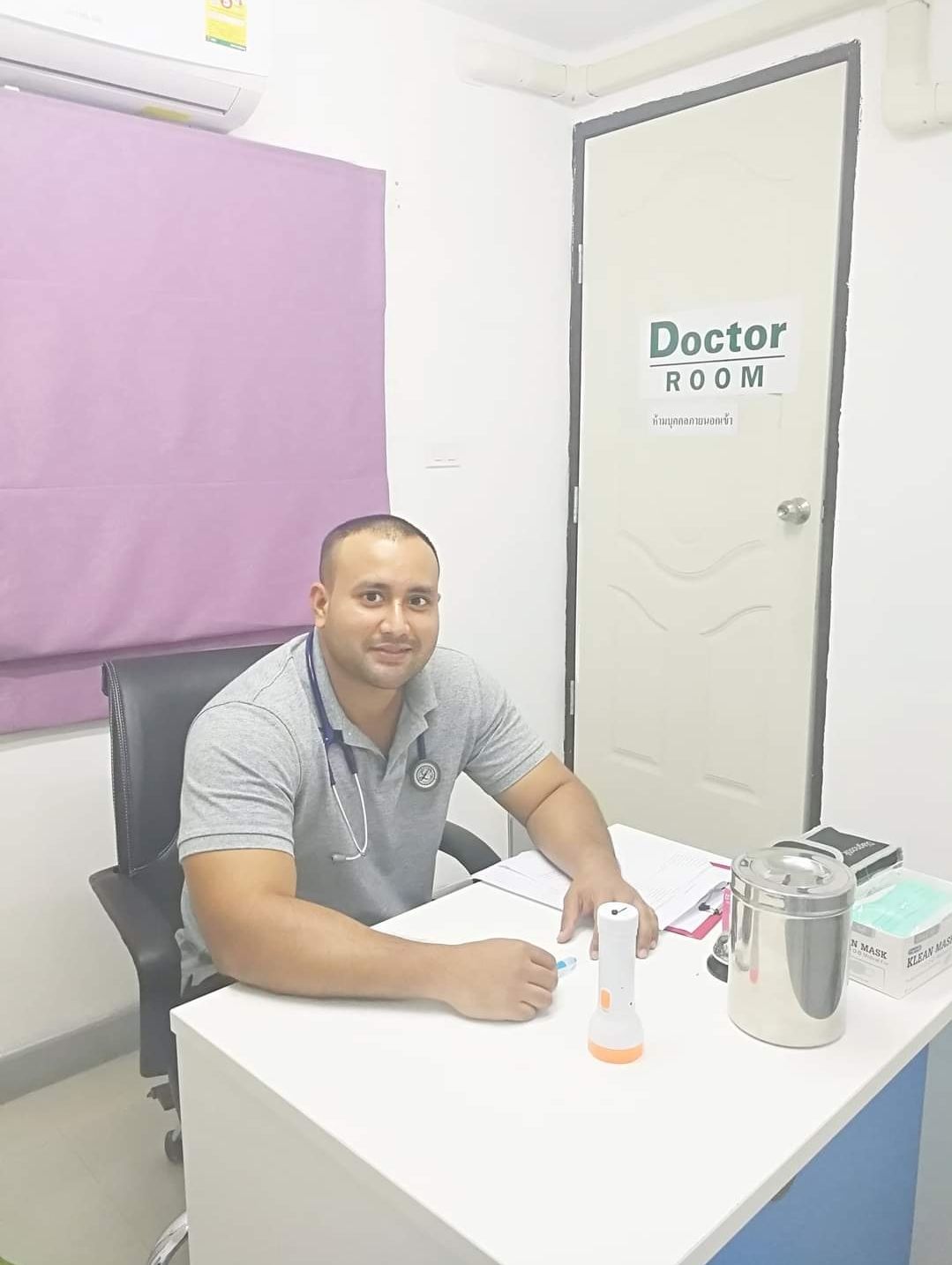
Dr. Ponlawat Pitsuwan is a physician at Doctor Bangkok, a private clinic in central Bangkok. He sees expats, residents, and medical tourists for general medicine, wellness consultations, and IV therapy. His focus is straightforward, evidence-based care delivered in plain language.