

Clinically reviewed by Dr. Ponlawat Pitsuwan, Physician, Doctor Bangkok.
Last reviewed: October 2026
Most GLP-1 side effects are digestive and tend to be worst during dose increases. Nausea, constipation, and reduced appetite are common. Serious effects like pancreatitis or severe abdominal pain are rare but need same-day medical review. A doctor can help you adjust your dose, manage symptoms, and know when to act.
You gave yourself the injection, went to bed, and woke up feeling rough. Or it started a few days later, just when you thought you were fine. GLP-1 medications, which include semaglutide (Ozempic, Wegovy) and tirzepatide (Mounjaro), work partly by slowing how quickly your stomach empties. That is useful for weight control. It is also why your gut takes time to adjust.
Most of what you are feeling is predictable and manageable. The side effects that matter clinically are a smaller list, but they are worth knowing before something catches you off guard.

Common Digestive GLP-1 Side Effects
Nausea, Constipation, Diarrhoea, and Appetite Change
Nausea is the most reported GLP-1 side effect. It usually peaks in the first few days after a dose increase. Food sits longer in your stomach than it used to. That feeling of fullness that will not lift is the medication working, but it can tip into genuine nausea, especially after fatty meals or large portions.
Constipation tends to build gradually. Slower gut transit means less frequent bowel movements. Staying hydrated helps, as does keeping fibre in your diet even when your appetite is low. Bangkok’s heat makes this harder. You lose more fluid just sitting still here than you would in a cooler city.
Diarrhoea is less common but does occur, particularly early in treatment. If it persists beyond a few days or is severe, get checked. Dehydration from diarrhoea combined with Bangkok’s heat can develop faster than most patients expect.
Appetite suppression is part of how these medications work, not a side effect to manage away. But if your appetite drops so far that you are barely eating, your protein and micronutrient intake drops with it. Patients who lose weight rapidly without adequate protein can lose lean muscle alongside fat. A physician supervising your treatment can help you monitor this. If you want a quick baseline check, the BMI calculator on the Doctor Bangkok site is a useful starting point before your next review.
Why Titration Reduces GLP-1 Side Effects
Every GLP-1 medication starts at a low dose and increases gradually over weeks. This is not a formality. Going up too fast, or skipping titration steps, increases side effect severity. The titration schedules for semaglutide and tirzepatide differ. They are not interchangeable, and switching between them without a physician assessment is not advisable.
If you started your medication through a non-medical channel without a prescribing physician, you may not be on the right dose schedule. That is a clinical problem, not just a comfort issue.
At Doctor Bangkok, patients on GLP-1 therapy are reviewed at each dose step. If a dose increase triggers significant nausea or vomiting, the prescribing physician can hold the dose at the current level until tolerance improves, rather than pushing through or stopping altogether. You can read more about how we approach this on our GLP-1 management page.

Less Common Problems That Need Urgent Review
Pancreatitis, which is inflammation of the pancreas, is rare but serious. The warning signs are severe pain in your upper abdomen, pain that radiates to your back, and nausea or vomiting that is much worse than your usual GLP-1 symptoms. If you have these, stop the medication and seek medical attention the same day. Do not wait.
Gallbladder problems, including gallstones, have been reported with GLP-1 medications, particularly with faster weight loss. Upper right abdominal pain after a fatty meal warrants review.
Severely delayed stomach emptying is uncommon but recognised. Symptoms include persistent nausea, vomiting of undigested food, and early fullness with very small meals. This also matters if you are planning any procedure in Bangkok. GLP-1 medications can leave stomach contents present even after a standard pre-operative fast, raising the risk of aspiration under anaesthesia. Updated multisociety guidance recommends informing your surgeon and anaesthesiologist that you are on a GLP-1 agent. A Doctor Bangkok physician can help you communicate this to your surgical team.
GLP-1 medications carry a labelled warning for patients with a personal or family history of medullary thyroid carcinoma or multiple endocrine neoplasia type 2. These patients should not use GLP-1 drugs. If no one has reviewed your medical history before prescribing, that is a gap worth addressing.
Practical Steps That Help
Eat smaller portions at each meal. Fatty, fried, or spicy food makes nausea worse. Bangkok makes this tricky because street food portions are often large and oil-heavy. Plain rice, steamed protein, and broth are easier on difficult days.
Drink consistently throughout the day, not just when you feel thirsty. Your baseline fluid loss in Bangkok’s heat is higher than it would be elsewhere. Oral rehydration salts, widely available at pharmacies across Sukhumvit and Silom, are more effective than plain water when you are actively losing fluids.
Inject on a day without a heavy meal or social event within 24 hours, at least while adjusting to a new dose. Many patients find evening injection easier. Nausea that peaks overnight is easier to sleep through than nausea that peaks during a work day.
When to Contact a Doctor the Same Day
Severe abdominal pain is the clearest signal. So is vomiting that has not stopped after several hours, or vomiting that prevents you from keeping fluids down. Signs of dehydration include dark urine, dizziness when you stand, and a rapid heart rate. In Bangkok’s heat, these can appear quickly.
One issue specific to Bangkok: as of 15 September 2026, the Thai FDA reclassified injectable GLP-1 receptor agonists as special controlled drugs. A valid prescription from a licensed physician is now legally required. Counterfeit and improperly stored pens circulate in Bangkok. Patients who sourced medication through informal channels may not know what concentration they injected, how it was stored, or whether it is genuine. If you have any doubt about your product, a physician review is worth doing before your next dose.
If your side effects started after switching brands, changing suppliers, or travelling with medication that was not kept properly cold, those are all reasons to get assessed rather than push through. Our weight-loss injections service page covers what a supervised programme looks like from the first consultation.
Doctor Bangkok’s doctor-on-call service can send an English-speaking physician to your hotel room or condo anywhere in Bangkok, any hour, typically within one hour. For patients managing GLP-1 side effects at 2am without a local GP, that is a practical option. You can also walk in to the clinic on Sukhumvit Soi 13 at any hour for a same-day assessment and, where appropriate, a legitimate prescription under physician supervision.
Doctor Bangkok offers same-day GLP-1 consultations at our clinic on Sukhumvit Soi 13, open 24 hours a day, seven days a week. If you are managing side effects, need a prescription review, or want supervised dose titration, walk in any time or book a doctor-on-call visit to your hotel or condo. Our English-speaking physicians can assess your current medication, review your dose schedule, and help you continue safely. Visit doctorbangkok.co.th/weight-loss-injections-bangkok to learn more.
Frequently Asked Questions
Dr. Ponlawat Pitsuwan
Physician, Doctor Bangkok
a private medical clinic in central Bangkok, open 24/7, with a doctor-on-call service that comes to your hotel or condo within one hour. He sees expats, residents, and medical tourists for GLP-1 therapy supervision, weight management, and general medical care. His focus is straightforward, evidence-based care delivered in plain language.
References
- Wilding JPH et al. Once-Weekly Semaglutide in Adults with Overweight or Obesity. N Engl J Med. 2021;384(11):989-1002.
- Kindel TL et al. Multisociety clinical guidance on GLP-1 receptor agonist use in the perioperative period. Surgery for Obesity and Related Diseases. 2024.
- US Food and Drug Administration. Ozempic (semaglutide) Prescribing Information. Revised January 2025.
- Nation Thailand. Thai FDA classifies weight-loss pens as specially controlled medicines. 2026.
The information in this article is for educational purposes only and does not constitute medical advice. It should not be used to self-diagnose or replace a consultation with a qualified physician. If you have concerns about your health, contact a licensed medical professional. For appointments at Doctor Bangkok, visit doctorbangkok.co.th.
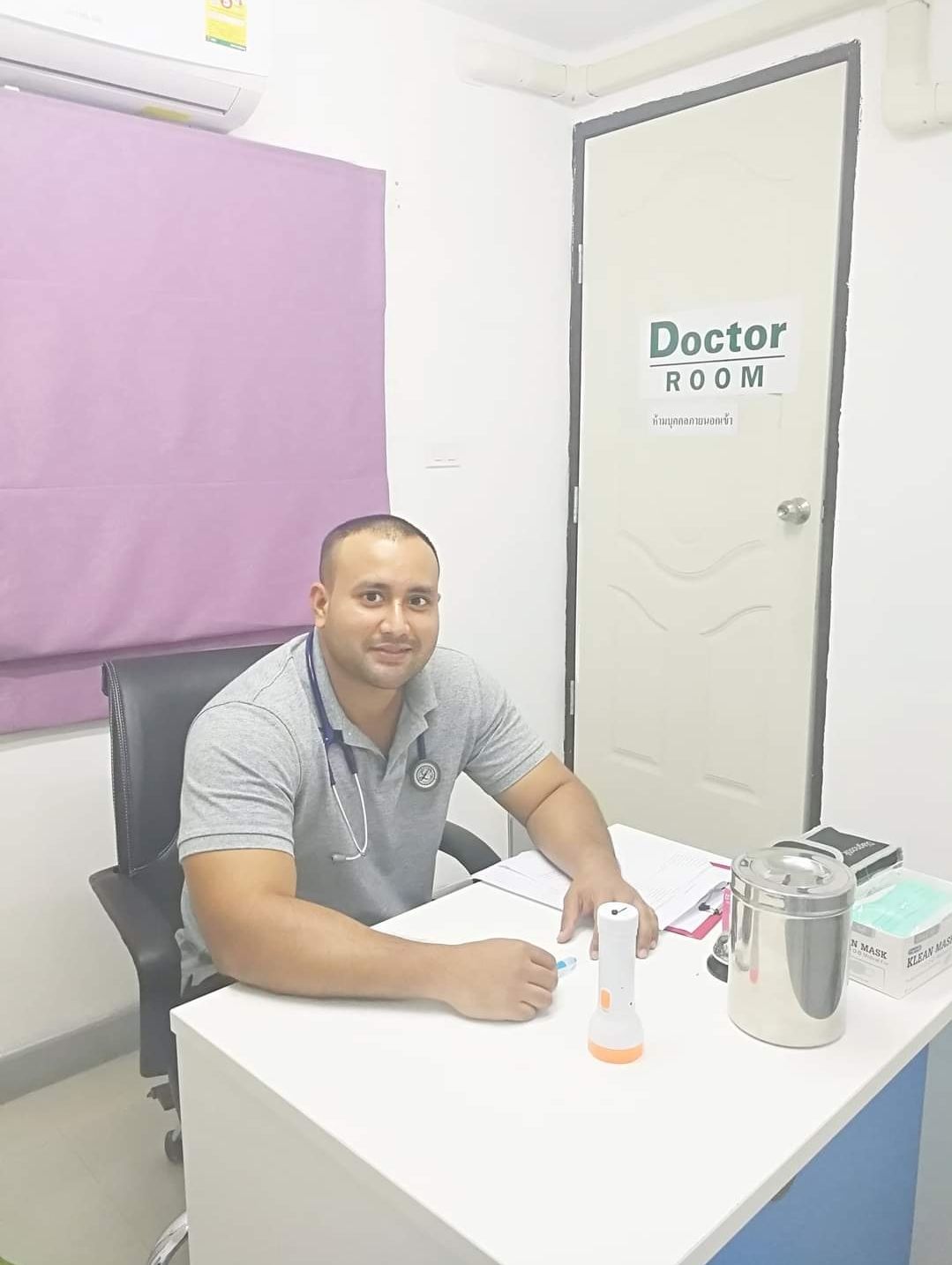
Dr. Ponlawat Pitsuwan is a physician at Doctor Bangkok, a private clinic in central Bangkok. He sees expats, residents, and medical tourists for general medicine, wellness consultations, and IV therapy. His focus is straightforward, evidence-based care delivered in plain language.