
Clinically reviewed by Dr. Ponlawat Pitsuwan, Physician, Doctor Bangkok.
Last reviewed: October 2026
Stem cell donation involves collecting blood-forming cells from a healthy donor and giving them to a patient whose own blood system has failed or been destroyed by disease. There are three main methods: peripheral blood stem cell collection, bone marrow harvest, and cord blood donation. Most donors recover within a few days. Whether you qualify depends on your health, age, and HLA tissue type.
A patient came in last week asking if she could donate stem cells to her brother, who had just been diagnosed with leukaemia in Europe. She had been searching online for hours and was more confused after reading than before. That is something I see a lot.
The information out there is written for medical teams, not for the person actually thinking about donating. So here is the plain version. The need for donors is real. In Thailand, the donor registry remains significantly smaller than the patient waiting list. If you are an expat or resident in Bangkok wondering whether you can help, this is what you need to know.

The Three Types of Stem Cell Donation
Most people picture a needle going into the spine. That is rarely how it works today. There are three routes, and most donations now happen through a straightforward blood collection process.
Peripheral Blood Stem Cell Donation
This is the most common method. In the days before donation, you receive daily injections of a drug called filgrastim, which moves stem cells from your bone marrow into your bloodstream. On donation day, blood is drawn from one arm, passed through a machine that separates the stem cells, and returned through the other arm. The process takes three to five hours. No surgery involved.
Bone Marrow Harvest
Here, stem cells are collected directly from the bone marrow in your pelvis under general anaesthesia. You will not feel anything during the procedure. Afterwards, your hip area will be sore for a few days, similar to a hard fall. Most donors return to normal activity within one week.
Cord Blood Donation
This one does not involve any recovery for the donor. Cord blood is collected from the umbilical cord and placenta after a baby is born. It is painless for both mother and baby. The collected blood is stored in public banks and made available to patients who need a transplant.
| Method | How It Works | Surgery? | Recovery |
|---|---|---|---|
| Peripheral Blood (PBSC) | Blood drawn and filtered through a machine | No | 2 to 3 days |
| Bone Marrow Harvest | Cells collected from pelvis under anaesthesia | Yes | 2 to 7 days |
| Cord Blood | Collected after birth from umbilical cord | No | None |
Who Can Donate Stem Cells — Donor Eligibility Explained
The short answer: adults between roughly 18 and 60 who are in good general health. Age limits vary slightly between registries. Screening looks at your health history, current conditions, medications, and overall fitness.
Being an expat in Thailand does not disqualify you. Nationality and residency do not matter. Your health status and HLA tissue type are what count. Expats living in Bangkok can complete a full pre-donation health assessment here and register with international registries such as DKMS or Be the Match without flying home.

Who Cannot Donate — Medical Exclusions in Plain English
Some conditions rule you out entirely. Others are assessed case by case. The main exclusions include active or recent cancer, HIV, Hepatitis B, Hepatitis C, autoimmune conditions such as lupus or rheumatoid arthritis, multiple sclerosis, insulin-dependent diabetes, severe heart or lung disease, and current pregnancy.
Well-controlled conditions do not automatically disqualify you. Mild asthma, treated thyroid disease, or a history of minor surgery often has no impact on eligibility. Do not rule yourself out before a doctor has looked at the full picture. A clinical assessment is the only way to know for certain.
How HLA Matching Works
HLA stands for human leukocyte antigen. Think of it as a biological identification code on your cells. For a transplant to work, the donor and recipient need to share enough of these markers.
Siblings have roughly a one in four chance of being a full match. Unrelated donors who match are found through international registries, and the search can take weeks or months. We run a blood test to determine your HLA type, and that result is what gets compared against patients who are waiting.
The Stem Cell Donation Process Step by Step
First comes registration and a cheek swab or blood test to determine your HLA type. If you match a patient, the registry contacts you. You then go through a detailed health assessment, including blood tests and a physical examination. You have the right to withdraw at any point before donation begins.
For PBSC donation, mobilisation injections start around five days before the collection date. For bone marrow, you are admitted to hospital on the day of the procedure. After donation, you are monitored and discharged, usually the same day for PBSC or the following day for bone marrow.
What to Expect After You Donate — Side Effects and Recovery
With PBSC, the filgrastim injections are usually what donors feel most. Bone aches, muscle soreness, headaches, and tiredness are common in the days before collection. Most donors describe it as a bad flu without the fever. These side effects clear within two to three days of donation being complete.
After bone marrow donation, your hips will ache and you may feel fatigued for up to a week. Paracetamol manages most of this well. Your bone marrow replaces itself within four to six weeks, and your stem cell count returns to normal.
Stem Cell Donation in Bangkok and Thailand
Thailand has a national registry through the Thai Red Cross, but donor numbers remain well below patient demand. Unrelated Thai patients often wait a long time for a matching donor to be found.
For expats and residents in Bangkok, joining an international registry is a genuine option. DKMS operates globally, and your HLA data can be matched against patients anywhere in the world. The first step is a blood test and health screening, which you can do here without flying home.
Doctor Bangkok carries out initial donor eligibility assessments, including HLA tissue typing and general health screening, for individuals and families exploring donation. If you are considering donating to a family member, or want to understand whether you qualify before approaching a registry, that assessment is where to start.
Autologous vs Allogeneic Donation — What Is the Difference
These terms come up a lot. Allogeneic means you donate to someone else, whether a sibling, a parent, a child, or a stranger matched through a registry. Autologous means your own stem cells are collected, stored, and returned to you later, usually after chemotherapy has cleared diseased cells.
Autologous stem cell collection has also entered the regenerative medicine space. Patients in Bangkok are increasingly exploring this for wellness and longevity purposes, where their own cells are harvested, processed, and reinfused. The stem cell therapy services at Doctor Bangkok cover this pathway in full. It is a different clinical process to transplant donation, but the biology is connected.
Getting Assessed for Stem Cell Donation at Doctor Bangkok
You do not need to go to a transplant centre or a government hospital to begin the process. A donor eligibility assessment at Doctor Bangkok gives you a full health review, HLA blood typing, and a clear answer on whether you are likely to qualify.
Families where one member needs a transplant often come in together so donor and recipient can begin tissue typing in one visit. If you are already registered with an international registry and they contact you as a potential match, we can provide the supporting health documentation those registries require. The process can move quickly once a match is confirmed, and having your records in order matters.
For anyone exploring stem cell options in Bangkok, whether for donation or therapy, the starting point is the same: a clinical assessment with a physician who can give you a straight answer.
Thinking about stem cell donation, or has a family member been told they need a transplant? Doctor Bangkok offers donor eligibility assessments, HLA tissue typing, and pre-donation health screening in central Bangkok. English-speaking physicians, BTS accessible, no referral needed. Book a consultation through doctorbangkok.co.th.
Frequently Asked Questions
Dr. Ponlawat Pitsuwan
Physician, Doctor Bangkok
a private medical clinic in central Bangkok. He sees expats, residents, and medical tourists for donor eligibility assessments, stem cell health screening, and general medical consultations. His focus is straightforward, evidence-based care delivered in plain language.
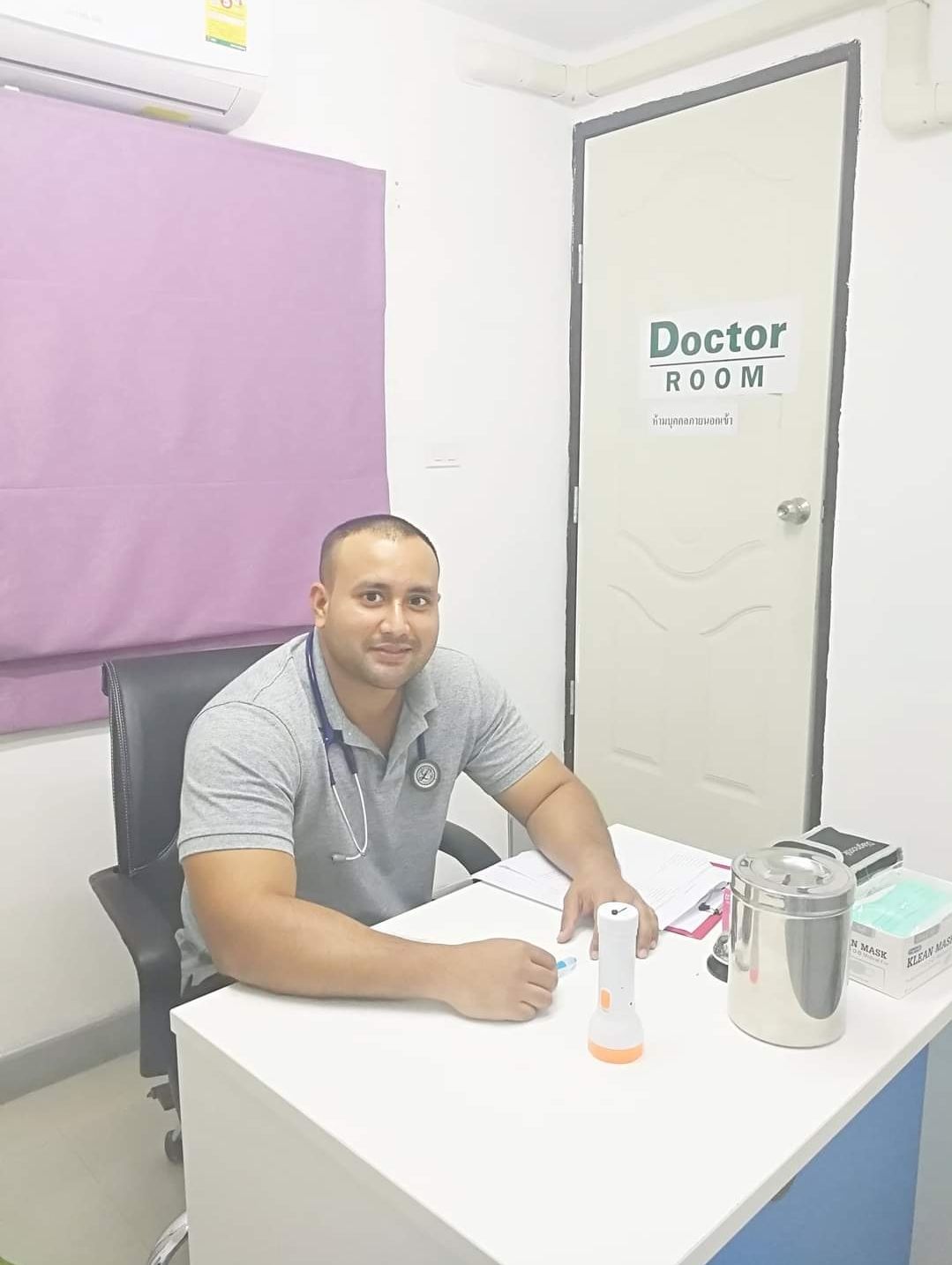
Dr. Ponlawat Pitsuwan is a physician at Doctor Bangkok, a private clinic in central Bangkok. He sees expats, residents, and medical tourists for general medicine, wellness consultations, and IV therapy. His focus is straightforward, evidence-based care delivered in plain language.