
Neural stem cell therapy is still investigational. No licensed general clinic in Bangkok administers it. What you need first is an accurate neurological assessment, a clear referral path, and a doctor who will tell you the truth about what the evidence actually shows.
If you have been reading about neural stem cell therapy between meetings or on the BTS, you are not alone. I see patients every week who have found this research online and want to know whether it is real, whether it is available in Thailand, and whether it is right for them. The honest answer is: the science is promising, the clinical access is very limited, and the first step is not a stem cell clinic. It is a proper assessment with someone who can tell you what you are actually dealing with.
Here is what you need to know.

What Neural Stem Cells Actually Are
Neural stem cells are the cells your brain uses to generate new nerve cells. They exist in small numbers in the adult brain and have a limited capacity for self-repair. Researchers have been studying whether introducing additional neural stem cells, either derived from a patient’s own tissue or from donor sources, can help the brain recover from damage or disease.
The conditions being studied include Parkinson’s disease, ALS, stroke recovery, multiple sclerosis, and spinal cord injury. Results in animal models have been encouraging. Human trials are ongoing, but we are still at an early stage. This is not a treatment you book like a health check. It is a research intervention, usually delivered inside a clinical trial at a specialist neuroscience centre.
Why This Matters to Expats in Bangkok Specifically
Bangkok has a well-developed medical tourism industry, and that creates a specific problem. Some clinics market stem cell treatments aggressively, and the terminology gets blurred fast. You will see "stem cell therapy," "regenerative medicine," and "neural repair" used interchangeably on websites that are selling wellness packages, not clinical trials.
The distinction matters enormously. A licensed Phase I or II neural stem cell trial requires neurosurgeons, neurologists, GMP-certified cell laboratories, and ethics committee oversight. The administration is often surgical. It happens at major academic medical centres, not private wellness clinics.
If a clinic in Bangkok is offering neural stem cell therapy outside of a registered trial, that is a serious red flag. Thailand’s Food and Drug Administration and the Thai Medical Council regulate stem cell therapies, but enforcement is uneven, and patients have been harmed by unregulated procedures at unlicensed facilities.

How to Tell Legitimate Research from Marketing
This is where I can actually help you. A few clear signals to look for.
Legitimate neural stem cell research will be registered on a public clinical trials database such as ClinicalTrials.gov or the Thai Clinical Trials Registry. The clinic or centre will be affiliated with a university hospital or major academic institution. You will be offered a formal informed consent process, ethics committee documentation, and no guarantee of benefit. There will be no package price on a website.
If you are looking at a clinic that uses before-and-after testimonials, charges a fixed fee for "neural regeneration therapy," and cannot name the trial registration number, walk away.
Thailand does have genuine stem cell research activity. Mahidol University, Chulalongkorn University Hospital, and Ramathibodi Hospital have published research in this area. If you want a referral to a legitimate institution for an initial specialist conversation, that is something a GP can help coordinate.
What You Should Do Before Pursuing Any Neural Therapy
Most patients who come to me asking about neural stem cells are doing so because of a symptom, a diagnosis, or a condition that has not responded to standard treatment. That is the right instinct. But the path to appropriate specialist care starts with a clear clinical picture, not a direct inquiry to a stem cell centre.
At Doctor Bangkok, we can assess your current neurological symptoms, review your existing diagnosis and medication history, run relevant baseline blood panels, and write a structured referral letter to the appropriate specialist. That referral carries clinical weight. It gets you taken seriously at a neurology department.
We also see patients before and after medical travel who need health checks, documentation, or follow-up care while they are based in Bangkok. If you are planning to travel abroad for a specialist consultation or trial enrolment, we can help you prepare for that and manage your general health before and after.
The Evidence: Where Neural Stem Cell Research Actually Stands
I want to be direct here because this is where a lot of online content misleads people.
Neural stem cell therapy is not approved as a standard treatment anywhere in the world for any of the conditions it is being studied for. That does not mean it will not be. It means it is not yet.
In Parkinson’s disease, early-phase human trials have shown that transplanted dopaminergic cells can survive in the brain, but functional improvement has been inconsistent. In ALS, trials have demonstrated safety in small cohorts, but no trial has shown clear slowing of disease progression at a statistically meaningful level. In stroke, results have been mixed, with some patients showing modest motor improvement and others showing no measurable change.
Researchers are making real progress. But the honest framing is this: if you have a serious neurological condition and someone is offering you neural stem cell therapy today as a cure or a reliable treatment, the evidence does not support that claim.
Questions to Ask Any Specialist You See
If you do get a referral to a neurology or neuroscience centre to discuss trial eligibility or specialist care, these are the questions that matter.
Ask whether the treatment is part of a registered clinical trial, and request the registration number. Ask what the primary outcome measure is, meaning what does success actually look like and how is it being measured. Ask what the risks of the procedure are, including the administration method. Ask what happens if it does not work, and whether standard care continues alongside it.
A good specialist will answer all of these directly. If the answers are vague or the conversation steers toward pricing, that tells you something important.
Getting Started in Bangkok
You do not need to navigate this alone. The sensible first step is a GP consultation to get your clinical situation clearly documented, understand what specialist input is appropriate, and get a referral that will be taken seriously.
Ready to talk through your symptoms or get a referral started? Book a consultation at Doctor Bangkok. We will give you a straight assessment and connect you with the right specialist for your situation.
Frequently Asked Questions
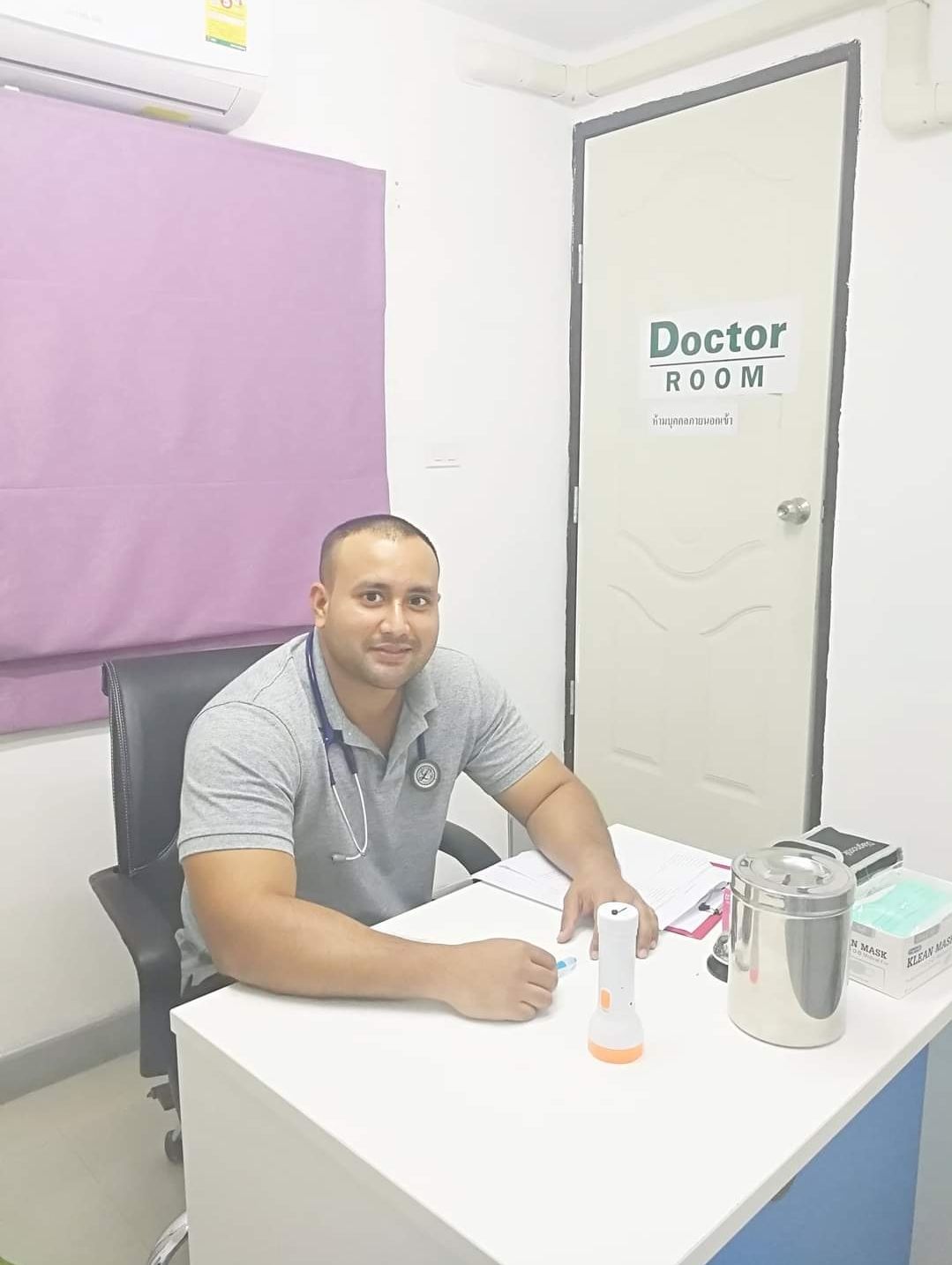
Dr. Ponlawat Pitsuwan is a physician at Doctor Bangkok, a private clinic in central Bangkok. He sees expats, residents, and medical tourists for general medicine, wellness consultations, and IV therapy. His focus is straightforward, evidence-based care delivered in plain language.