
Clinically reviewed by Dr. Ponlawat Pitsuwan, Physician, Doctor Bangkok. Last reviewed: July 2026
Sleep apnoea is a condition where your breathing stops repeatedly during sleep, sometimes hundreds of times a night. The most common warning signs are loud snoring, waking up gasping, and feeling exhausted no matter how long you sleep. It is diagnosable and treatable, and getting assessed at a private clinic in Bangkok is more straightforward than most people expect.
If you wake up tired every morning, your partner complains about your snoring, or you are nodding off at your desk by midday, you are probably wondering whether something is actually wrong. For a lot of expats in Bangkok, that question gets shelved. You tell yourself it is the heat, the late nights, or the time zone adjustment that never quite resolved. But if that pattern has been going on for months, it is worth taking seriously.
Sleep apnoea is one of the most under-diagnosed conditions I see in expats here. Not because it is rare, but because the symptoms are easy to explain away. This article will help you understand what to look for, what getting tested involves, and what treatment actually looks like day to day in Bangkok.

What Happens When You Stop Breathing at Night
During sleep, the muscles in your throat relax. In people with obstructive sleep apnoea, the throat relaxes too much and the airway narrows or closes completely. Your oxygen level drops, and your brain jolts you just enough to reopen the airway. You probably do not remember any of this. But it can happen dozens or even hundreds of times per night.
The result is that you never get proper, deep sleep. That is why you can sleep eight hours and still feel wrecked in the morning.
Central sleep apnoea is different and less common. Here, the airway stays open but the brain fails to send the right signal to breathe. It is more often linked to heart failure or neurological conditions than to the throat anatomy issues that cause obstructive sleep apnoea.
Symptoms Worth Paying Attention To
The symptom most people know about is snoring. But snoring alone does not mean you have sleep apnoea. The signs that actually concern me are the ones that suggest your sleep is being broken all night without you realising.
Waking with a gasp or choking sensation is significant. So is waking with a dry mouth, a headache across the front of your head, or a sore throat most mornings. Needing to urinate multiple times at night can also be a sign, though most people never connect this to their breathing.
During the day, the picture is often excessive sleepiness, difficulty concentrating, and mood changes. Some patients tell me they feel like they are thinking through fog. Others have fallen asleep at a red light. If any of this sounds familiar, a clinical assessment is the right next step.

Why Expats in Bangkok Often Miss It
I see this constantly. An expat arrives in Bangkok and adjusts to the climate, the food, the different sleep schedule. They start feeling tired. Maybe their snoring gets worse because they are drinking a little more socially or have gained a few kilograms. They attribute everything to the lifestyle change and wait it out.
What many people do not realise is that they have left behind the GP who might have caught this years ago. There is no regular check-up, no partner mentioning it to a doctor, no one connecting the dots. Sleep apnoea quietly does its damage for years before anyone thinks to test for it.
Weight gain, heavy alcohol use, and sedative medications all make obstructive sleep apnoea worse. Bangkok’s social lifestyle can stack several of these risk factors together without anyone noticing.
Why Untreated Sleep Apnoea Is Dangerous
This is not just about feeling tired. Each time your oxygen drops during the night, your heart rate spikes and your blood pressure rises. Over time, this contributes to high blood pressure that is difficult to control even with medication, irregular heart rhythms, and a higher likelihood of heart attack and stroke.
There is also a meaningful link between untreated sleep apnoea and poor blood sugar control in people with or at risk of type 2 diabetes. Depression and anxiety are more common in people with untreated sleep apnoea too. Treating it does not just help you sleep better. For many patients, it improves blood pressure, energy levels, and makes other chronic conditions easier to manage.
If you are already managing hypertension or metabolic conditions, this is directly relevant to you. Doctor Bangkok supports ongoing chronic condition management alongside sleep apnoea care.
Getting Tested in Bangkok
You do not need a hospital referral to get started. A first appointment at a private clinic involves a clinical assessment covering your symptoms, your medical history, and a standardised screening tool that asks how likely you are to doze off in everyday situations. This takes around 30 to 45 minutes.
From there, most patients are referred for a sleep study. A home sleep test measures your breathing patterns, oxygen levels, and heart rate overnight in your own bed. You wear a small device, return it the next morning, and results are typically ready within a few days. This is suitable for most adults with a high likelihood of obstructive sleep apnoea and no complex medical history.
In some cases, your doctor may recommend an in-lab study that also monitors brain activity and limb movements throughout the night. This is better suited to complex cases or when other sleep disorders are suspected. The choice is a clinical decision based on your individual situation.
Understanding Your AHI Score
Your sleep study results will include an apnoea-hypopnoea index, or AHI. This is the average number of breathing interruptions per hour of sleep, and it is the main number used to grade severity.
An AHI under 5 is normal in adults. Between 5 and 14 is mild. Between 15 and 29 is moderate. Thirty or above is severe. To put that plainly: an AHI of 30 means your breathing stopped or became critically shallow at least 30 times every hour you were asleep.
The higher your AHI, the greater the strain on your heart and brain overnight. Even mild sleep apnoea warrants follow-up if your symptoms are affecting your daily life.
Treatment Options
CPAP Therapy
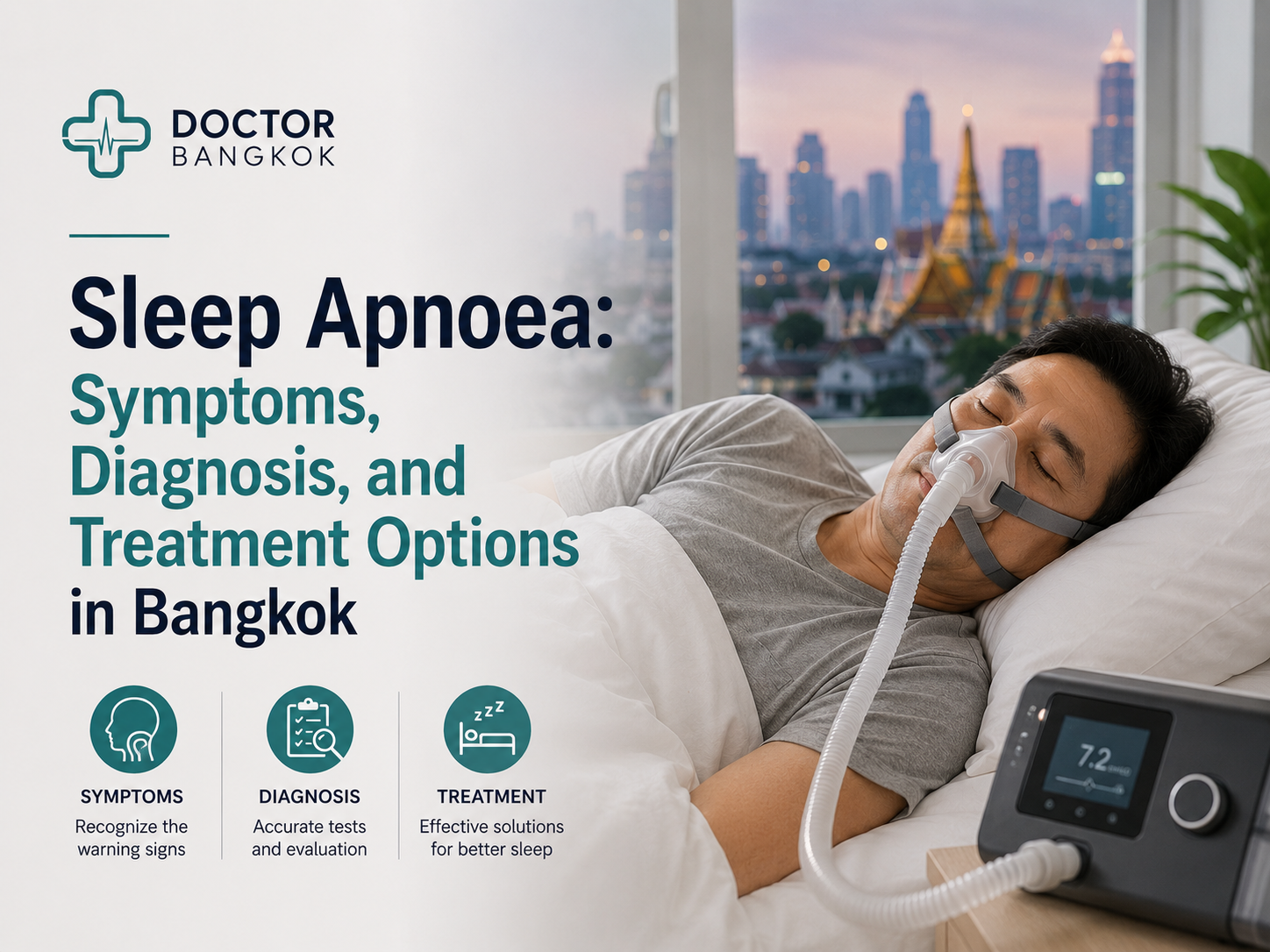
Continuous positive airway pressure, known as CPAP, is the most effective treatment for moderate-to-severe obstructive sleep apnoea. A machine delivers a gentle stream of pressurised air through a mask while you sleep, keeping the airway open. For most patients with moderate or severe OSA, this is the standard first-line recommendation.
Some patients struggle with the pressure. In those cases, bilevel therapy delivers different pressures for breathing in and out, which many people find more comfortable. Your doctor will advise which is appropriate based on your results.
CPAP adherence is the main challenge. The first few weeks take getting used to, but most people who stick with it notice a clear difference in how they feel within a month or two.
Oral Appliances
For mild-to-moderate sleep apnoea, a fitted mouthguard worn during sleep can hold the jaw slightly forward to keep the airway open. It is custom-made by a dentist and is a reasonable option for people who cannot tolerate CPAP. It works best in milder cases.
Lifestyle Changes
Weight loss has a meaningful effect on sleep apnoea severity for people who are overweight. Avoiding alcohol and sedatives before bed helps too. Sleeping on your side rather than your back can reduce breathing events significantly in some patients. These changes alone rarely resolve moderate or severe sleep apnoea, but they are a worthwhile part of the overall approach.
Surgical Options
Surgery is reserved for specific anatomical causes of airway obstruction and is not the starting point for most patients. A specialist can advise if other treatments have not worked or are not suitable.
Managing Sleep Apnoea Long-Term as an Expat in Bangkok
Once you have a CPAP prescription, the practical questions start. Where do you get supplies? Will the machine work when you travel home? Can you keep your records if you move countries?
Most modern CPAP machines are dual voltage and work internationally. That said, firmware settings and warranty terms vary by manufacturer, so confirm this before purchasing. Ask your doctor for a formal CPAP prescription and a copy of your AHI report. These are what a specialist in your home country will need to continue your care without starting from scratch.
For expats managing sleep apnoea alongside conditions like hypertension or diabetes, Doctor Bangkok offers chronic condition care in Bangkok that coordinates your monitoring across everything. We also provide full clinical documentation in English, which is useful for international insurance claims and for sharing with doctors back home.
International Insurance and Sleep Apnoea
Many international health insurance plans cover sleep studies and CPAP equipment when there is a confirmed medical need. Check your policy under "sleep disorders," "diagnostic sleep studies," and "durable medical equipment." If coverage is uncertain, a detailed diagnostic letter from your doctor helps considerably.
Doctor Bangkok provides full clinical letters and reports in English for insurance submissions. Getting this documentation right from the start saves time and back-and-forth later.
Tired of waking up exhausted? If you are snoring heavily, your partner has noticed breathing pauses, or you cannot get through the day without fighting sleep, it is time to find out what is actually happening. Doctor Bangkok offers English-language sleep apnoea assessments for expats and residents in central Bangkok, near the BTS. Book your consultation at doctorbangkok.co.th.
Frequently Asked Questions
Can I get a sleep apnoea assessment in Bangkok without going to a large hospital?
Yes. A private clinic like Doctor Bangkok can carry out a full clinical assessment and arrange a home sleep test or specialist referral without any prior hospital visit. For most expats, this is faster and more practical than navigating a large Thai hospital in a second language.
How do I know if my snoring is actually sleep apnoea?
Snoring alone does not confirm sleep apnoea. The signs that matter more are witnessed breathing pauses, waking with a gasp or choking feeling, morning headaches, dry mouth on waking, and feeling unrefreshed regardless of how long you sleep. A clinical assessment can determine whether a formal sleep test is needed.
What is the difference between a home sleep test and an in-lab study?
A home sleep test measures your breathing, oxygen levels, and heart rate overnight and suits most adults with a straightforward likelihood of obstructive sleep apnoea. An in-lab study is more detailed and also monitors brain activity and limb movements, making it better for complex cases or when other sleep disorders are suspected. Your doctor decides which is appropriate for you.
Is sleep apnoea treatment covered by international health insurance in Thailand?
Many international plans cover sleep studies and CPAP equipment when there is a confirmed medical need. Check your policy for the terms "sleep disorders," "diagnostic sleep studies," and "durable medical equipment." Doctor Bangkok provides full English-language clinical documentation to support insurance submissions.
Can I use a CPAP machine bought in Bangkok back in my home country?
Most modern CPAP devices are dual voltage and compatible internationally, but firmware settings and warranty terms can vary by brand. Confirm compatibility before purchasing and ask for a formal CPAP prescription and AHI report so a specialist at home can continue your care without starting over.
Does treating sleep apnoea improve other health conditions?
For many patients, yes. Treating obstructive sleep apnoea can reduce blood pressure, improve blood sugar control, and ease symptoms of depression and low energy. If you are managing hypertension, diabetes, or cardiovascular risk, untreated sleep apnoea is likely making those conditions harder to control.
How long does it take from first appointment to starting treatment in Bangkok?
A first consultation takes around 30 to 45 minutes. A home sleep test is typically done the following night, with results within a few days. If CPAP is recommended, setup can often be arranged within a week or two. Most patients complete the full pathway from assessment to treatment within two to three weeks at a private clinic.
Dr. Ponlawat Pitsuwan
Physician, Doctor Bangkok
a private medical clinic in central Bangkok. He sees expats, residents, and medical tourists for sleep health assessments, chronic condition management, and general medical consultations. His focus is straightforward, evidence-based care delivered in plain language.
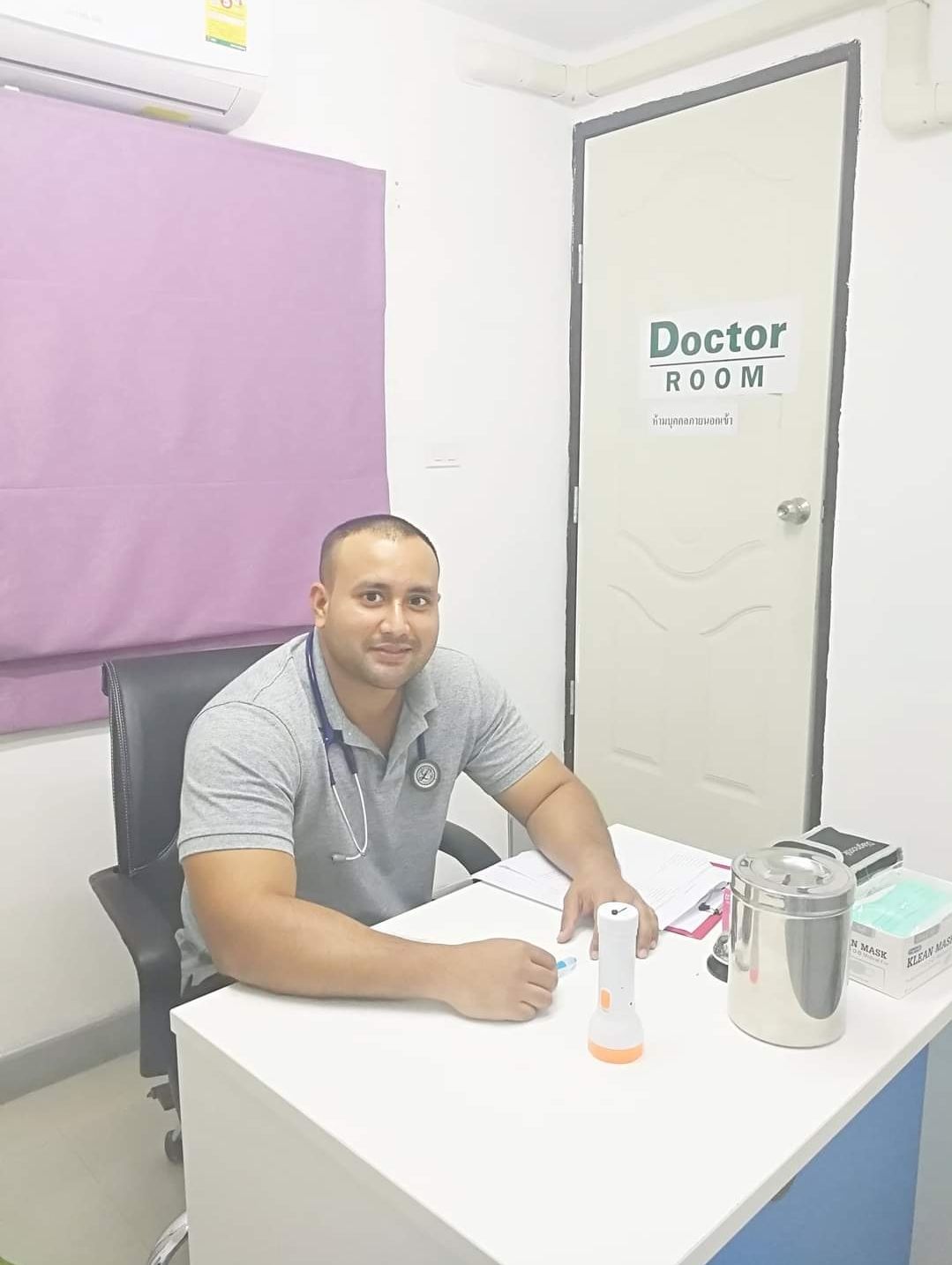
Dr. Ponlawat Pitsuwan is a physician at Doctor Bangkok, a private clinic in central Bangkok. He sees expats, residents, and medical tourists for general medicine, wellness consultations, and IV therapy. His focus is straightforward, evidence-based care delivered in plain language.