

Clinically reviewed by Dr. Ponlawat Pitsuwan, Physician, Doctor Bangkok. Last reviewed: July 2026
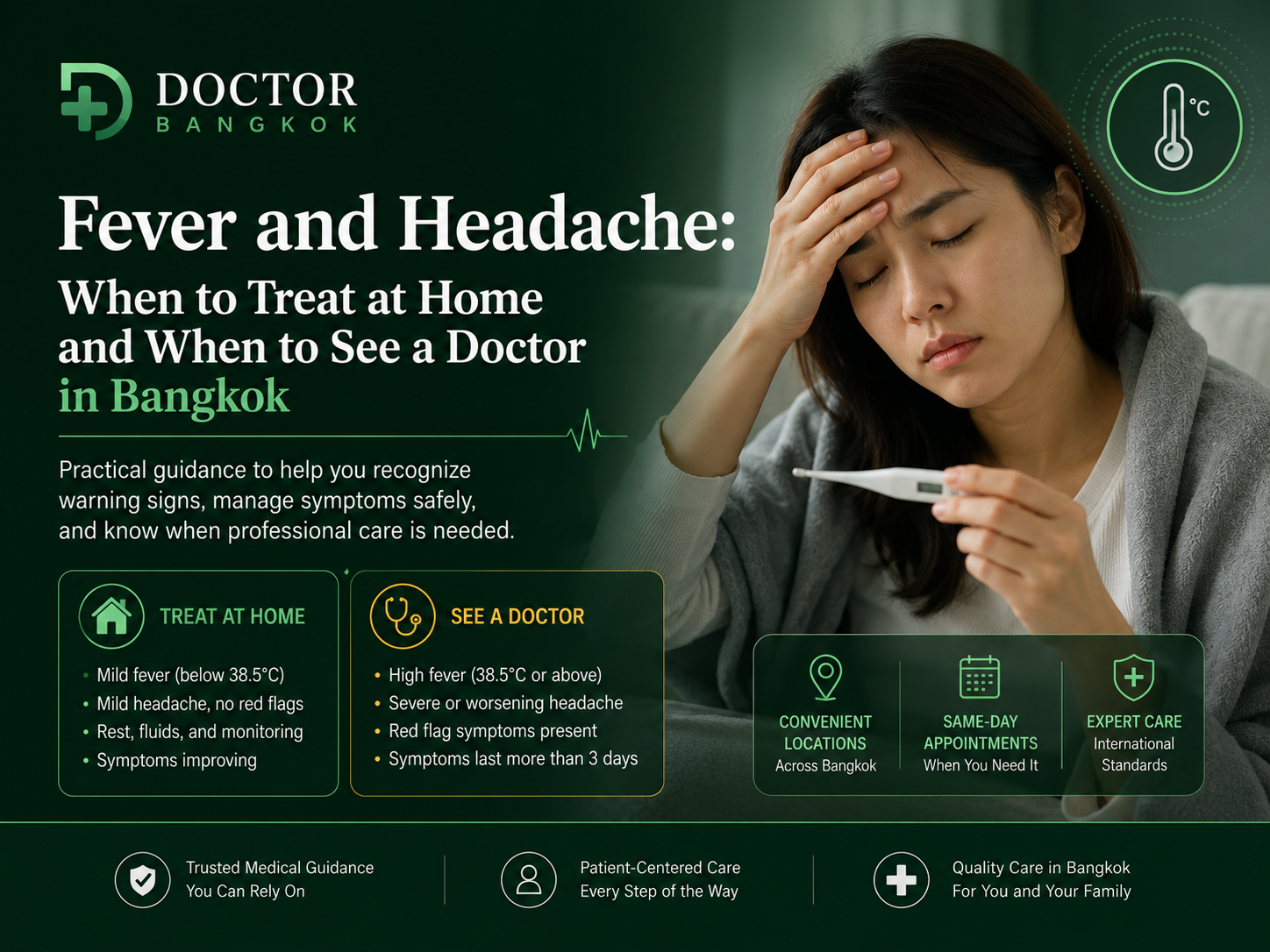
Fever symptoms are more than a high temperature. Chills, body aches, shivering, and severe fatigue often appear before your thermometer even reads high. In Bangkok, where dengue is common year-round, these symptoms need careful assessment. Paracetamol is the safe default here. Avoid ibuprofen until dengue is ruled out.
If you are lying in a Bangkok hotel room at 2am, shaking under the sheets with a pounding headache and every muscle aching, you are probably searching whether this is dengue, flu, or something worse. That is exactly who this article is for. The temperature on your thermometer is only part of the picture.
Fever symptoms vary depending on the cause, and in Bangkok the stakes are a little higher than back home. Dengue circulates here all year. The heat speeds up dehydration. Most expats and visitors do not have a local GP to call. Here is what your symptoms might mean, when to act, and what to do right now.

Chills and fever together: what causes it and what to do
Chills and fever usually arrive as a pair. Your body raises its internal temperature to fight infection, and the shaking is what muscles do to generate heat fast. Most of the time, a simple viral infection is behind it.
In Bangkok, I take chills with fever seriously until dengue or a bacterial infection is ruled out. Dengue often starts exactly this way: sudden high fever, intense chills, a feeling of being hit by a truck. Bacterial infections, including urinary tract infections and pneumonia, can also cause severe shaking chills called rigors.
Rigors are not just feeling cold. This is uncontrollable, violent shaking that may last several minutes. If that happens to you, get assessed rather than take paracetamol and wait.
Sepsis can also begin with fever and chills. Warning signs include confusion, rapid breathing, a heart rate that feels unusually fast, and skin that looks pale or blotchy. That combination needs emergency care, not a clinic visit.
For standard fever with chills, take paracetamol, drink fluids, and monitor closely. Do not take ibuprofen or aspirin in Bangkok unless a doctor has ruled out dengue. Both drugs affect platelet function and can cause serious bleeding if dengue is present.
Fever with body aches: is it flu, dengue, or something else?
This is the question I get most often. Flu and dengue can feel very similar in the first day. Both cause high fever, muscle pain, and exhaustion. The difference is in the detail.
Flu typically comes with a runny nose, sore throat, and a gradual onset. Dengue hits harder and faster. Patients often describe the body aches as feeling like their bones are breaking, which is why dengue is still called break-bone fever. Pain behind the eyes is a classic dengue sign you rarely get with flu.
Dengue fever tends to stay high, between 38 and 40 degrees, for two to seven days. Watch for petechiae, which are small pinpoint red spots on the skin, and any rash that appears as the fever begins to drop.
Here is what most people do not know: when the dengue fever breaks, usually around day three to five, that is not the end. The next 24 to 48 hours is the critical phase, when the risk of serious complications actually peaks. If you feel suddenly worse after the fever drops, with abdominal pain, vomiting, or cold hands and feet, seek care immediately.
At Doctor Bangkok, we run a dengue NS1 antigen test the same day you come in. If you are in a hotel and cannot easily travel, our hotel doctor service brings the test and treatment directly to your room. The Aedes mosquito that carries dengue bites most actively in the early morning and late afternoon, so if you have been out during those times in Bangkok, mention it when you see us.
Body aches with no fever: what could be causing it?
Not every set of aching muscles means infection. If you have significant body aches but a normal temperature, a few things come to mind.
Post-viral fatigue is common after even a mild illness. Overexertion in Bangkok’s heat is another one I see often, and dehydration alone causes real muscle cramping. An autoimmune flare can cause joint and muscle pain without raising your temperature at all.
Medication side effects are also worth considering. Some cholesterol-lowering drugs cause muscle pain. If you started something new recently, that is relevant.
If body aches without fever persist beyond a week, or limit your movement, come in for an assessment. Basic blood tests can check for inflammation and point us toward what is going on.

Fever while pregnant: when is it dangerous and what should you do?
Fever during pregnancy is something I treat differently from fever in any other patient. A temperature above 38 degrees Celsius in a pregnant woman needs prompt attention, regardless of trimester.
Dengue in pregnancy carries elevated risk for both mother and baby, and that specific risk is something Bangkok adds to the equation that most pregnancy-fever guides simply do not cover. The only safe fever medication here is paracetamol. Ibuprofen is contraindicated in pregnancy, especially after 20 weeks.
Go to an emergency room if your fever exceeds 39 degrees, if you notice reduced fetal movement, or if you have any bleeding or contractions. For milder fever, a prompt clinical assessment still matters, and a dengue blood test should be part of that review in Bangkok.
Shivering but no fever: what causes it and when to see a doctor?
Shivering without a fever confuses a lot of people. Your thermometer reads 36.8 and you are shaking. What is happening?
The most common reason in Bangkok is that the fever is coming. Your body can begin shivering up to an hour or two before your temperature rises measurably. Retake your temperature every 30 to 60 minutes if you are shivering for no clear reason.
Outside of oncoming fever, shivering without fever can come from anxiety, low blood sugar, anaemia, or an underactive thyroid. If the shivering is severe, lasts more than 30 minutes, or comes with any other symptom, do not wait it out alone. This is especially true if you have recently returned from a rural or border area in Thailand, where malaria remains a risk.
Why you should never take ibuprofen for fever in Bangkok
This is the most Bangkok-specific thing I tell patients, and I say it almost every day.
In most countries, ibuprofen is a reasonable fever medication. In Bangkok, it is not your first choice. Dengue is endemic here, and ibuprofen causes serious problems if dengue is present. Dengue already reduces platelet counts. Ibuprofen and aspirin make platelet function worse. That combination raises the risk of dengue haemorrhagic fever, a severe and potentially life-threatening complication.
The rule is simple: if you have a fever in Bangkok and dengue has not been ruled out by a blood test, take paracetamol only. Stick to the recommended dose and stay well hydrated. Once we have confirmed no dengue, the picture changes. But until then, paracetamol is your safe option.
Fever symptoms in Bangkok need more than a thermometer reading. Doctor Bangkok offers same-day dengue testing, fever assessment by English-speaking physicians, and a 24/7 hotel doctor service across central Bangkok. If you are unwell in your hotel room right now, you do not need to get in a taxi. We come to you. Visit doctorbangkok.co.th/fever-treatment or contact us directly to arrange a visit.
FAQ
Can I take ibuprofen or Nurofen for a fever in Bangkok?
Not until dengue has been ruled out by a blood test. Ibuprofen and aspirin both affect platelet function, and dengue already lowers your platelet count, so combining the two raises the risk of dangerous bleeding. Take paracetamol instead and get tested before switching to anything else.
My fever came down after two days but now I feel worse. What is happening?
This pattern is a red flag for dengue. When dengue fever breaks around day three to five, the next 24 to 48 hours is when the most serious complications can occur. If you feel worse after the fever drops, especially with abdominal pain, vomiting, or cold hands and feet, seek care immediately rather than assuming you are improving.
I am pregnant and have a fever in Bangkok. Should I go to a hospital or is a hotel doctor visit safe?
Any fever above 38 degrees in pregnancy needs prompt assessment. A hotel doctor visit from Doctor Bangkok is a reasonable first step for initial evaluation and dengue testing, which is especially relevant in Bangkok. If your fever is above 39 degrees, or you have reduced fetal movement, bleeding, or contractions, go straight to a hospital emergency room.
What is the difference between flu body aches and dengue body aches?
Dengue pain is typically much more severe, and patients describe it as a deep bone and joint pain, which is how the name break-bone fever came about. Dengue also tends to come without the runny nose and sore throat that accompany flu, and often includes pain behind the eyes. A dengue NS1 antigen test can confirm or rule out dengue the same day.
I am shivering uncontrollably but my thermometer reads normal. Do I have a fever?
Possibly. Shivering can begin an hour or two before a measurable fever appears, so retake your temperature every 30 minutes. If you are in Bangkok and shaking severely with no clear reason, contact Doctor Bangkok. Early dengue, malaria in returning travellers, and bacterial infections can all begin this way.
When should I use the hotel doctor service rather than visiting a clinic?
If you are too unwell to travel safely, running a high fever, or pregnant and anxious about crossing Bangkok in a taxi, a hotel visit makes sense. Doctor Bangkok’s hotel doctor service covers dengue screening, IV fluid support, fever medication, and a full clinical assessment at your bedside, to the same standard as a clinic visit.
Dr. Ponlawat Pitsuwan
Physician, Doctor Bangkok
a private medical clinic in central Bangkok. He sees expats, residents, and medical tourists for fever assessment, dengue screening, and general medical consultations. His focus is straightforward, evidence-based care delivered in plain language.
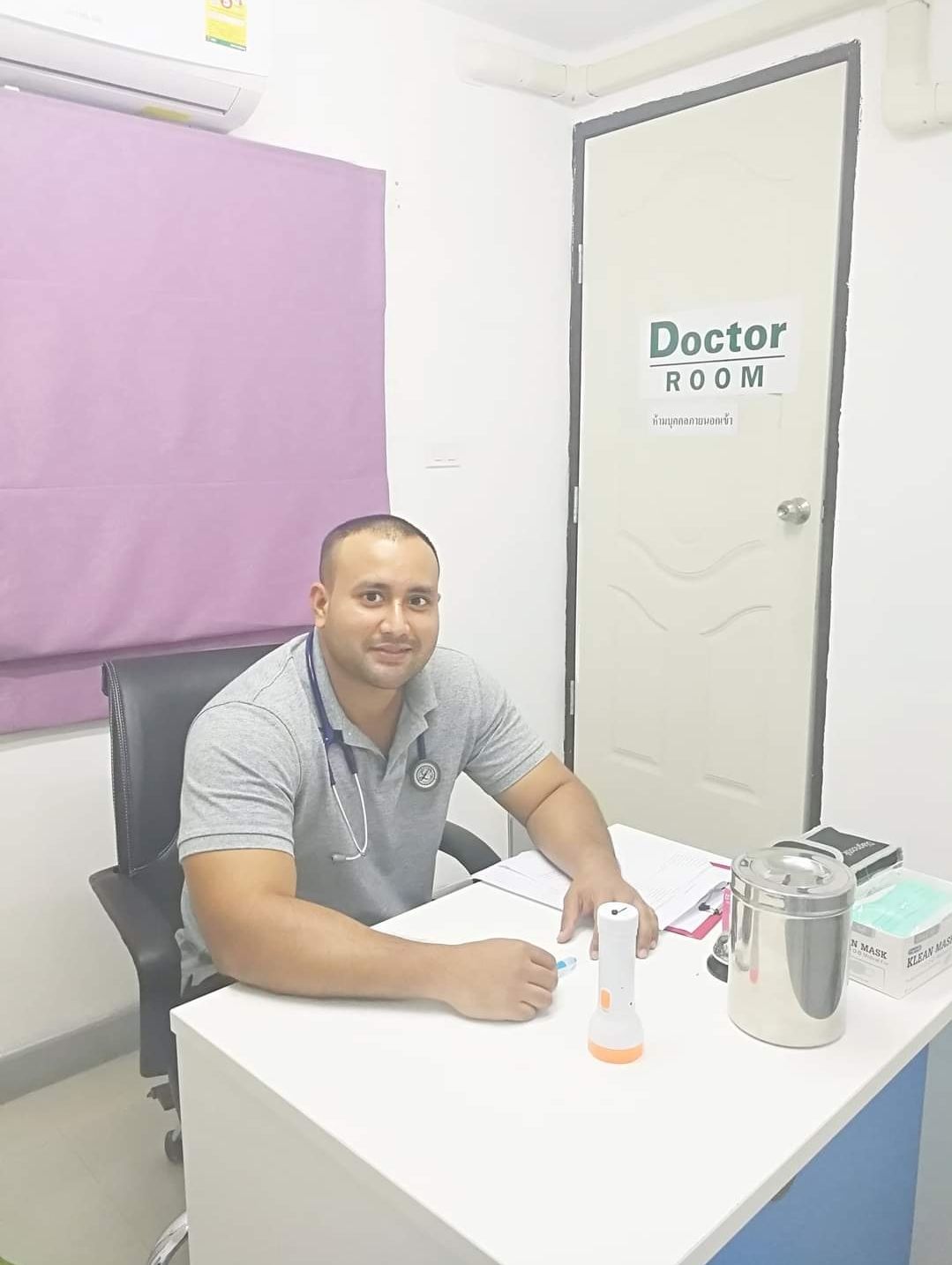
Dr. Ponlawat Pitsuwan is a physician at Doctor Bangkok, a private clinic in central Bangkok. He sees expats, residents, and medical tourists for general medicine, wellness consultations, and IV therapy. His focus is straightforward, evidence-based care delivered in plain language.