

Clinically reviewed by Dr. Ponlawat Pitsuwan, Physician, Doctor Bangkok. Last reviewed: July 2026
PEP side effects are common, especially in the first one to two weeks. Nausea, fatigue, headache, and diarrhoea are the most reported. They are usually manageable and ease as your body adjusts. Do not stop taking PEP because of side effects without speaking to a doctor first. Stopping early makes the medication far less effective.
If you have just started PEP and you feel rough, you are not alone. Most people feel something in those first few days. Nausea, tiredness, a foggy head. It is uncomfortable, and when you are in Bangkok, possibly far from home and very anxious, it feels worse than it might otherwise.
The good news is that most PEP side effects are temporary. They peak in the first week and improve for most people by week two. This article tells you exactly what to expect, what to watch for, and how to get through the full 28 days. Finishing the course is the only way PEP works.

The most common PEP side effects
The four you will hear about most are nausea, fatigue, headache, and diarrhoea. These come from the antiretroviral medications in the PEP combination.
Nausea is the one that bothers people most. It tends to hit hardest in the morning or when you take your medication on an empty stomach. Taking your tablets with food makes a real difference for most patients. If nausea is severe, a doctor can prescribe something to help.
Fatigue catches people off guard. You might feel genuinely tired in a way that does not improve with sleep. It is frustrating if you are trying to work, but it does ease. Headaches are usually mild and respond well to paracetamol. Diarrhoea can come and go in the first week, so staying hydrated matters, especially in Bangkok’s heat.
The side effects nobody warns you about: sleep and mood
This is where patients get blindsided. Depending on your regimen, you may notice vivid or unsettling dreams. Some people have real trouble falling asleep, or they wake at 3am and cannot get back down.
If your regimen includes dolutegravir, I often suggest taking it in the morning rather than at night. That simple change helps many patients sleep better. Check with your prescribing doctor before adjusting the timing.
Mood can also shift during the 28 days. Some patients feel low, irritable, or emotionally flat. This is real, it is documented with these medications, and it does not mean something is permanently wrong. If it is affecting your daily life, tell your doctor.

PEP side effects versus early HIV symptoms: how to tell the difference
This question comes up constantly and causes enormous anxiety. Here is how I explain it to patients.
PEP side effects start within the first day or two of taking the medication. They are directly caused by the drugs. Early HIV symptoms would not appear until two to four weeks after the original exposure, and they would not appear during PEP.
A rash is the one that worries people most. A drug rash from PEP typically appears in the first two weeks and may look like flat pink spots, often on the torso. If you develop any rash while on PEP, get it looked at. Do not try to diagnose it yourself, and do not stop PEP while you wait.
Serious but rare side effects
Most people complete PEP without serious problems. But there are a few things worth knowing.
Some medications in the PEP combination can affect kidney or liver function, which is why follow-up blood tests during the course matter. Lactic acidosis is very rare but serious. Symptoms include unusual muscle pain, weakness, difficulty breathing, or stomach pain that feels out of proportion. If that happens, get seen urgently.
At Doctor Bangkok, monitoring blood tests are included as part of PEP management for exactly this reason.
What to avoid while taking PEP
Alcohol is not strictly banned, but I advise patients to keep it minimal, especially in the first two weeks. Alcohol stresses the liver, and your liver is already working hard. Bangkok is a social city and I am not telling you to stay home, but be sensible about it.
Certain over-the-counter medications can interfere with PEP. Antacids containing magnesium or aluminium can reduce absorption of some PEP drugs, as can iron supplements. Herbal products, including some sold in Thai pharmacies and markets, can affect how antiretroviral drugs are processed.
The safest rule: before taking anything new, ask your prescribing doctor. This includes supplements and traditional remedies.
The emotional weight of the 28 days
Being on PEP is stressful. You are waiting. You are anxious. You may be carrying this alone, far from people who know what is happening. You may be replaying the exposure event over and over.
This is a very human response to a frightening situation. What I tell patients: focus on the things you can control. Take your medication at the same time every day. Eat. Sleep where you can. Do not spend hours searching for HIV symptoms online.
If the anxiety is severe and affecting your daily life, tell your doctor. It is something we can help with.
Why finishing the full 28 days is non-negotiable
Stopping at day 14 because you feel better, or because the side effects are rough, significantly reduces how well PEP works. If your side effects are genuinely intolerable, call your clinic. There may be an alternative regimen with a better tolerability profile. But the decision to switch or stop must involve a doctor.
Taking every dose at roughly the same time each day is what makes PEP work. A missed dose here and there is not a catastrophe, but consistent gaps are a problem. Set an alarm and make it a routine.
After PEP: testing and what comes next
Finishing your 28-day course is not the end. You need follow-up HIV testing to confirm the treatment worked. Testing during the PEP course itself can give unreliable results.
The standard follow-up schedule is an HIV test at four to six weeks after the original exposure, then again at 12 weeks. The 12-week result is usually considered conclusive with modern fourth-generation testing. You can book follow-up HIV testing at Doctor Bangkok, and our testing page has the details on what to expect.
After PEP, I always talk to patients about PrEP. If you are in a situation where PEP was warranted, PrEP may well be the right long-term protection for you. It is a daily tablet taken before potential exposure, and it is highly effective. Ask about it at your follow-up appointment.
If you are on PEP and struggling with side effects, or if you need to start PEP within the 72-hour window, Doctor Bangkok can help. We prescribe PEP, provide follow-up monitoring, and support you through the full 28-day course in English. We also offer HIV testing after your course is complete. Visit doctorbangkok.co.th or walk in. BTS accessible, central Bangkok.
Is it safe to drink alcohol while taking PEP?
Small amounts are unlikely to cause serious harm, but keep alcohol to a minimum, especially in the first two weeks. Alcohol adds extra strain to your liver, which is already processing strong medication. In Bangkok’s social environment that is not always easy, but being sensible about it will help you feel better throughout the course.
How do I know if my symptoms are PEP side effects or early HIV?
PEP side effects start within the first day or two of taking the medication. Early HIV symptoms, if they were going to appear, would show up two to four weeks after the original exposure, not during the course itself. If you develop a rash, fever, sore throat, or swollen glands, get seen by a doctor rather than stopping PEP on your own.
Can I take over-the-counter medications for nausea or headaches while on PEP?
Paracetamol is generally fine for headaches. For nausea, your doctor may be able to prescribe something stronger. Avoid antacids containing magnesium or aluminium and iron supplements, as they can reduce how well some PEP drugs are absorbed. Always check with your prescribing doctor before adding anything new.
What if the side effects are so bad I want to stop?
Contact your doctor before stopping. Stopping PEP early significantly reduces its effectiveness and that cannot be undone. If your current regimen is genuinely intolerable, there may be an alternative combination with a better tolerability profile that your doctor can switch you to. You have options, but stopping without advice is not one of them.
Do I need an HIV test after finishing PEP, and when?
Yes, follow-up testing is essential. The recommended schedule is at four to six weeks and again at 12 weeks after the original exposure. Testing during the course can produce unreliable results. The 12-week result with a fourth-generation test is usually considered conclusive. You can arrange post-PEP HIV testing at Doctor Bangkok.
Can I start PrEP after finishing PEP?
Yes, and in many cases I recommend it. If the situation that led to needing PEP is likely to recur, PrEP is a far better long-term strategy. You can transition from PEP to PrEP directly after completing your course. Discuss it with your doctor at your follow-up appointment.
Dr. Ponlawat Pitsuwan
Physician, Doctor Bangkok
a private medical clinic in central Bangkok. He sees expats, residents, and medical tourists for HIV prevention, sexual health, and general medical care. His focus is straightforward, evidence-based care delivered in plain language.
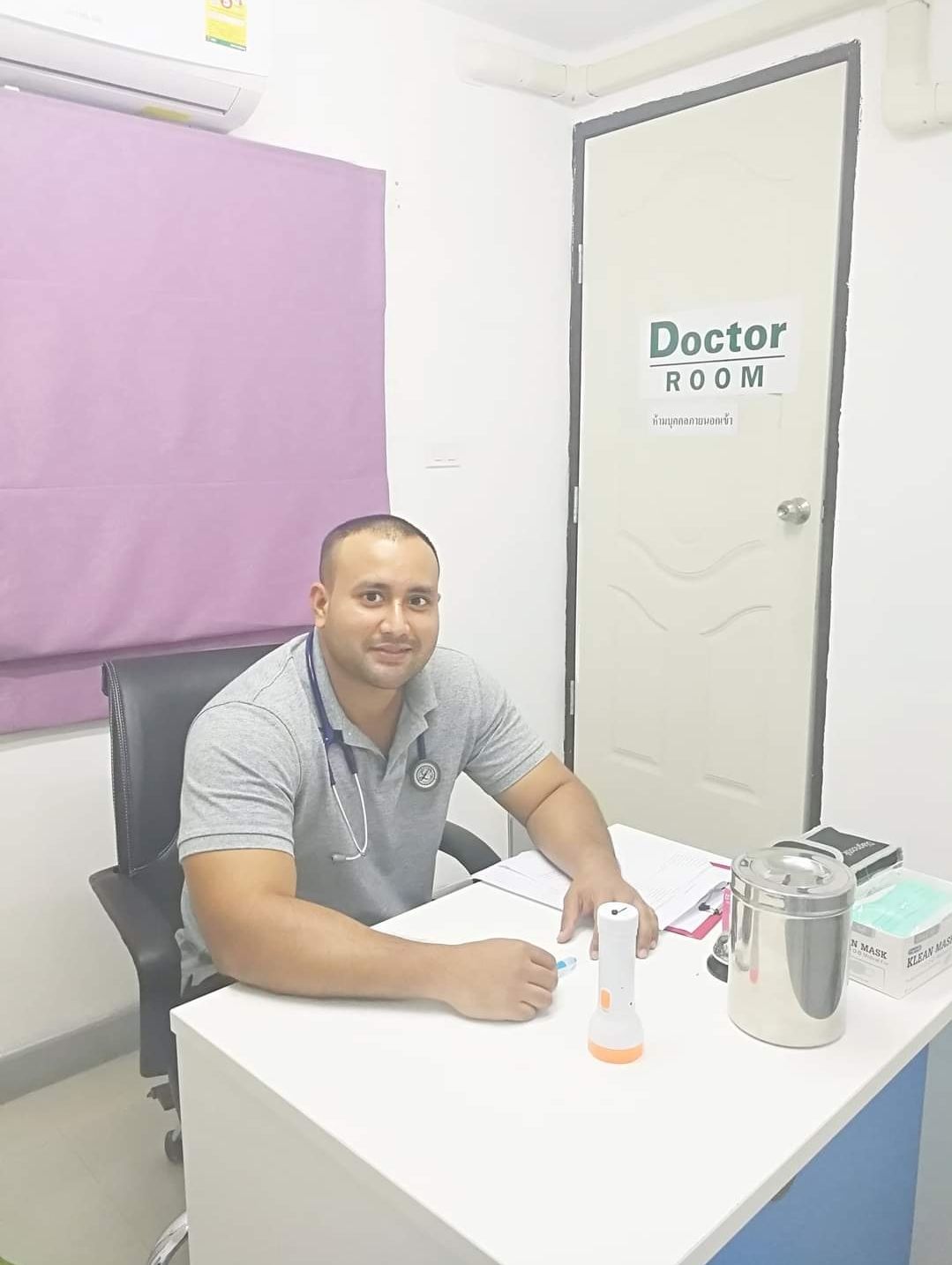
Dr. Ponlawat Pitsuwan is a physician at Doctor Bangkok, a private clinic in central Bangkok. He sees expats, residents, and medical tourists for general medicine, wellness consultations, and IV therapy. His focus is straightforward, evidence-based care delivered in plain language.