
Clinically reviewed by Dr. Ponlawat Pitsuwan, Physician, Doctor Bangkok. Last reviewed: July 2026
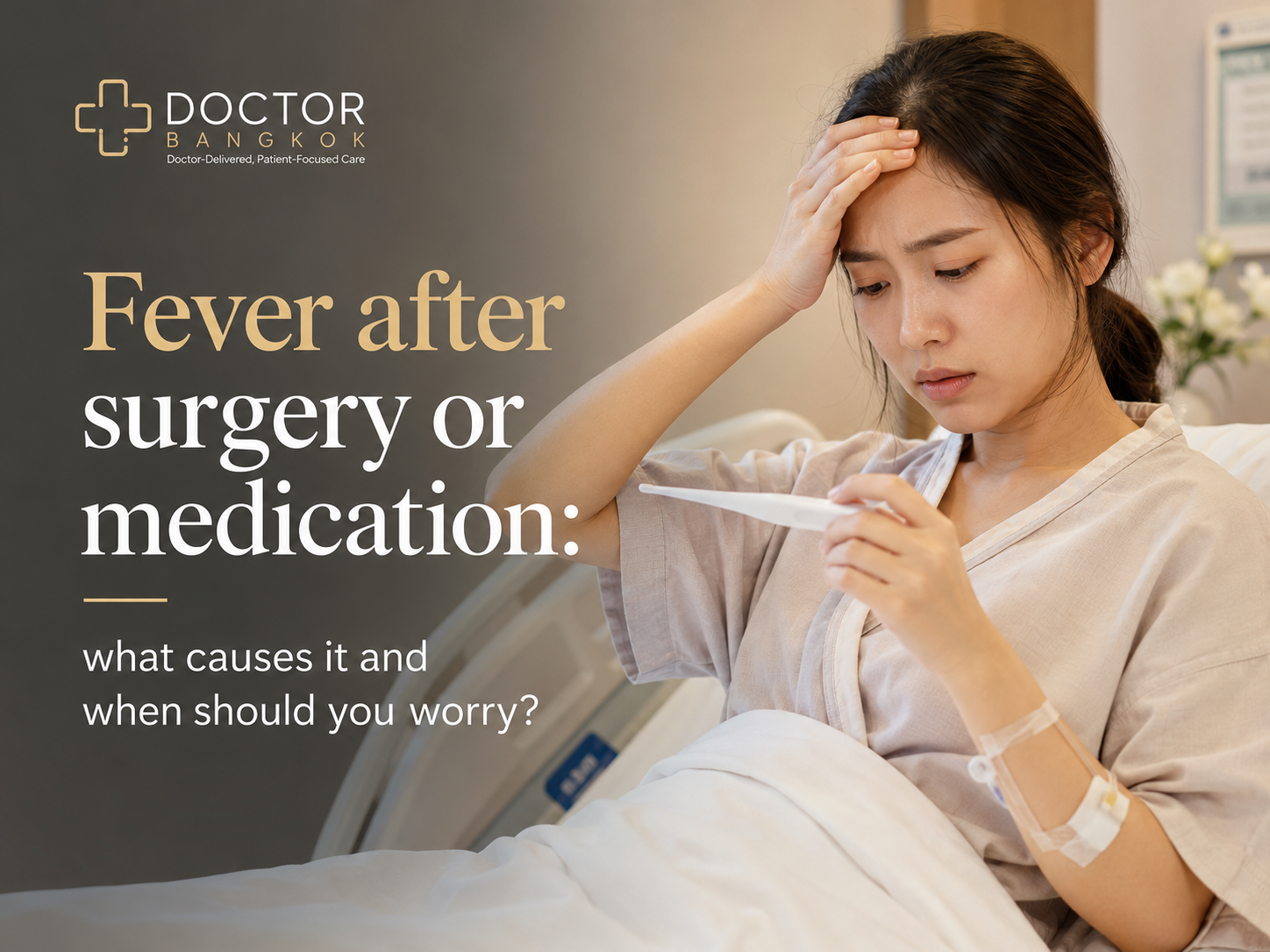
Not every fever after surgery means infection. Drug-induced fever is a real and often missed cause, where a medication your body is reacting to drives your temperature up. It typically appears days to weeks after starting a new drug and usually settles within 48 hours of stopping it. If you are running a fever after surgery and your tests keep coming back normal, the drug in your drip or pill packet may be why.
You had surgery. You are recovering. And now you have a fever. The first thing your brain goes to is infection, and that is a reasonable worry. But fever after surgery has a long list of possible causes, and infection is only one of them. Before anyone starts a new round of antibiotics, the full picture needs looking at.
One cause that gets missed more than it should is drug-induced fever. Your body can react to a medication, and that reaction can look exactly like an infection, complete with a high temperature, feeling terrible, and blood tests that are hard to read. If you are an expat or medical tourist recovering from surgery in Bangkok and something feels off, here is what you need to know.

When post-op fever is normal and when it is not
A low-grade temperature in the first day or two after surgery is common. Your body has just been through trauma. Tissue swelling, the stress of anaesthesia, and shallow breathing while you recover can all nudge your temperature up slightly without any infection involved.
What changes the picture is a fever that climbs higher, starts later, or does not settle the way it should. A temperature above 38.5°C that begins several days into recovery needs proper assessment. At that point, we are not talking about a routine post-operative response anymore.
What else could be causing it
Infection is the most common serious cause. The usual suspects are a wound infection, a chest infection, or a urinary tract infection if a catheter was used. A blood clot in the leg or lung can also cause fever, as can a reaction to a blood transfusion.
But there is another cause that sits quietly on this list and gets passed over: the drugs themselves. Antibiotics, pain medications, anticonvulsants. These are all standard parts of surgical care, and any of them can trigger a fever in some patients. This is what we call drug-induced fever.

What drug-induced fever actually is
Drug-induced fever is when your immune system reacts to a medication and produces a fever as part of that reaction. It is not an overdose. It is not the drug damaging your organs. It is your body treating the drug as something it does not recognise, and generating heat in response.
This matters because the treatment is simple: identify the drug and stop it. But getting to that answer takes a proper clinical review, because drug-induced fever looks almost identical to early infection on paper. That is exactly why it gets missed, sometimes for weeks.
Which drugs are most commonly responsible
The drugs I think about first in a post-surgical patient are the antibiotics. Beta-lactams, which include penicillins and cephalosporins, are among the most common causes of drug-induced fever. They are also among the most commonly prescribed drugs after surgery in Thailand. The situation becomes genuinely tricky when the antibiotic you are taking to treat a supposed infection is actually the thing causing your fever.
Sulfonamides, vancomycin, morphine, and anticonvulsants like phenytoin are also on the list. All of these appear regularly in Thai hospital prescriptions, particularly after neurological or spinal surgery.
Two other drug reactions are worth knowing by name. Serotonin syndrome can occur when certain antidepressants or pain medications interact. Neuroleptic malignant syndrome is a rare but serious reaction to antipsychotic drugs. Both cause high fever and require urgent care, not watchful waiting.
How drug-induced fever looks different from infection
Drug-induced fever usually starts between seven and ten days after the drug was introduced, not in the first day or two. The fever can be quite high, sometimes 39°C or above, but the patient often looks better than you would expect for that temperature. With a serious infection, people usually look and feel correspondingly unwell.
One thing I specifically check is the pulse. With most fevers, the heart rate rises in line with the temperature. In drug-induced fever, the pulse sometimes does not climb the way you would expect. This is a useful clue when combined with everything else.
The other thing that strongly points toward a drug reaction is what is absent: no wound redness, no urinary symptoms, no productive cough, no clear source. And if the fever settles quickly after stopping the suspected drug, usually within 48 hours, that almost confirms it.
What tests will show and what they will not
Blood tests in drug-induced fever can look deceptively normal or confusingly abnormal. C-reactive protein, which measures inflammation, is often raised. That does not mean infection. It means your body is reacting to something.
A raised eosinophil count can appear in some cases, but it is absent in many too, so a normal count does not rule anything out. Blood cultures tend to come back negative, which is an important clue. If your tests keep coming back unremarkable but the fever persists, that result itself is telling us something.
Why it gets missed after complex surgery
The biggest reason drug-induced fever goes unidentified is that post-surgical patients are typically on multiple medications at once. When the fever appears, it is easy to assume a surgical complication is responsible rather than stepping back and looking at the drug chart.
There is another problem I see often. Patients are taking paracetamol regularly after surgery to manage pain, and that same drug brings the fever down. So the temperature looks controlled, the patient seems stable, and the underlying drug reaction quietly continues. The fever keeps returning as the paracetamol wears off, but because it is being suppressed between doses, the pattern is harder to spot.
A specific note for expats and medical tourists in Bangkok
If you had surgery in Bangkok and now have a lingering fever, your situation is more complex than it might seem. Thai hospitals often use local brand names rather than the generic drug names you might recognise from home. You may not know exactly what you were given or why. That makes identifying a culprit drug genuinely difficult without a proper medication review.
There is also something specific to Bangkok worth raising: dengue fever. It is common here, and its early symptoms overlap considerably with drug-induced fever, including high temperature, body aches, and sometimes a rash. If you have been anywhere with mosquitoes, which in Bangkok is everywhere, dengue needs to be ruled out as part of any fever assessment. The Doctor Bangkok fever clinic runs dengue testing alongside full blood panels, and that combination matters when you are trying to separate a drug reaction from a tropical illness.
What happens when drug-induced fever is identified
The treatment is stopping the drug. That sounds straightforward, but it should never be done without medical guidance, especially if the drug may be treating a real infection. The decision about what to stop and what to replace it with requires a doctor who can review your full medication list and your clinical picture together.
Once the offending drug is stopped, fever usually settles within 48 hours. For some drugs that clear slowly, it can take longer. If the fever does not improve within two to three days of stopping the suspected drug, other causes need to be reconsidered.
When to come in for fever assessment in Bangkok
If your temperature is above 38.5°C and has lasted more than two days, see a doctor. Do not wait for it to sort itself out. If you have had surgery in the past few weeks and now have a fever with no obvious explanation, that warrants same-day assessment.
If you feel short of breath, have chest pain, see redness or discharge from a wound, or feel confused or unusually unwell, those are signs to move more quickly. The Doctor Bangkok team includes English-speaking physicians at our central Bangkok clinic. We see post-op fever regularly in expats and medical tourists. We run dengue testing, blood cultures, and full blood panels, and we will go through your medication list carefully. Sometimes the answer is an infection that needs treating. Sometimes it is the drug that is treating the infection. You need someone who can tell the difference.
Running a fever after surgery and not sure why? Doctor Bangkok offers same-day fever assessment for expats and medical tourists in central Bangkok. We test for infection, dengue, and drug reactions, and our physicians speak English. Book online or walk in at our BTS-accessible clinic. Find out what to expect at our fever treatment page.
Frequently asked questions
How do I know if my post-op fever is from a drug reaction rather than an infection?
The timing is the biggest clue. Drug-induced fever usually appears seven to ten days after starting a new medication, not in the first day or two. There are typically no clear signs like wound redness, urinary symptoms, or a productive cough. If the fever settles within 48 hours of stopping the suspected drug, that strongly points toward a drug reaction, and a doctor can help you work through this properly.
Which medications given after surgery are most likely to cause drug-induced fever?
Beta-lactam antibiotics, including penicillins and cephalosporins, are the most common culprits in post-surgical patients. Sulfonamides, vancomycin, morphine, and anticonvulsants like phenytoin are also on the list. All of these are used routinely in Thai hospitals, so this is a real consideration for anyone recovering from surgery in Bangkok.
Can the antibiotic treating my surgical infection actually be causing the fever?
Yes, and this is one of the most confusing situations in post-op care. Beta-lactams are both a first-line treatment for surgical infections and one of the most common causes of drug fever. If your fever persists despite what looks like adequate antibiotic treatment and your cultures are not growing anything, a drug reaction needs to be considered. This requires a careful medication review by a doctor, not a self-managed change.
How long does drug-induced fever last once you stop the medication?
Most cases resolve within 48 hours of stopping the drug. For medications that take longer to clear, it can occasionally stretch to a few weeks. If your fever has not improved within two to three days of stopping the suspected drug, that is a reason to reassess and look for other causes.
I had surgery abroad and now have a fever in Bangkok. Could it be dengue rather than a drug reaction?
Absolutely, and this distinction matters. Dengue is common in Bangkok and shares several features with drug-induced fever, including high temperature, body aches, and in some cases a rash. If you have been in Bangkok or anywhere with mosquitoes, dengue should be tested at the same time as your medication is being reviewed. Doctor Bangkok can run both assessments together, which is the right approach in this setting.
Should I stop taking my medication if I suspect it is causing my fever?
No, not without speaking to a doctor first. If you are on antibiotics that may be treating a real infection, stopping them suddenly could allow that infection to worsen. A physician needs to review your full medication list, assess your clinical picture, and decide which drug to stop and whether a substitute is needed. Get that review before making any changes.
About the author
Dr. Ponlawat Pitsuwan
Physician, Doctor Bangkok
a private medical clinic in central Bangkok. He sees expats, residents, and medical tourists for fever assessment, post-operative concerns, general medical consultations, and tropical illness including dengue fever. His focus is straightforward, evidence-based care delivered in plain language.
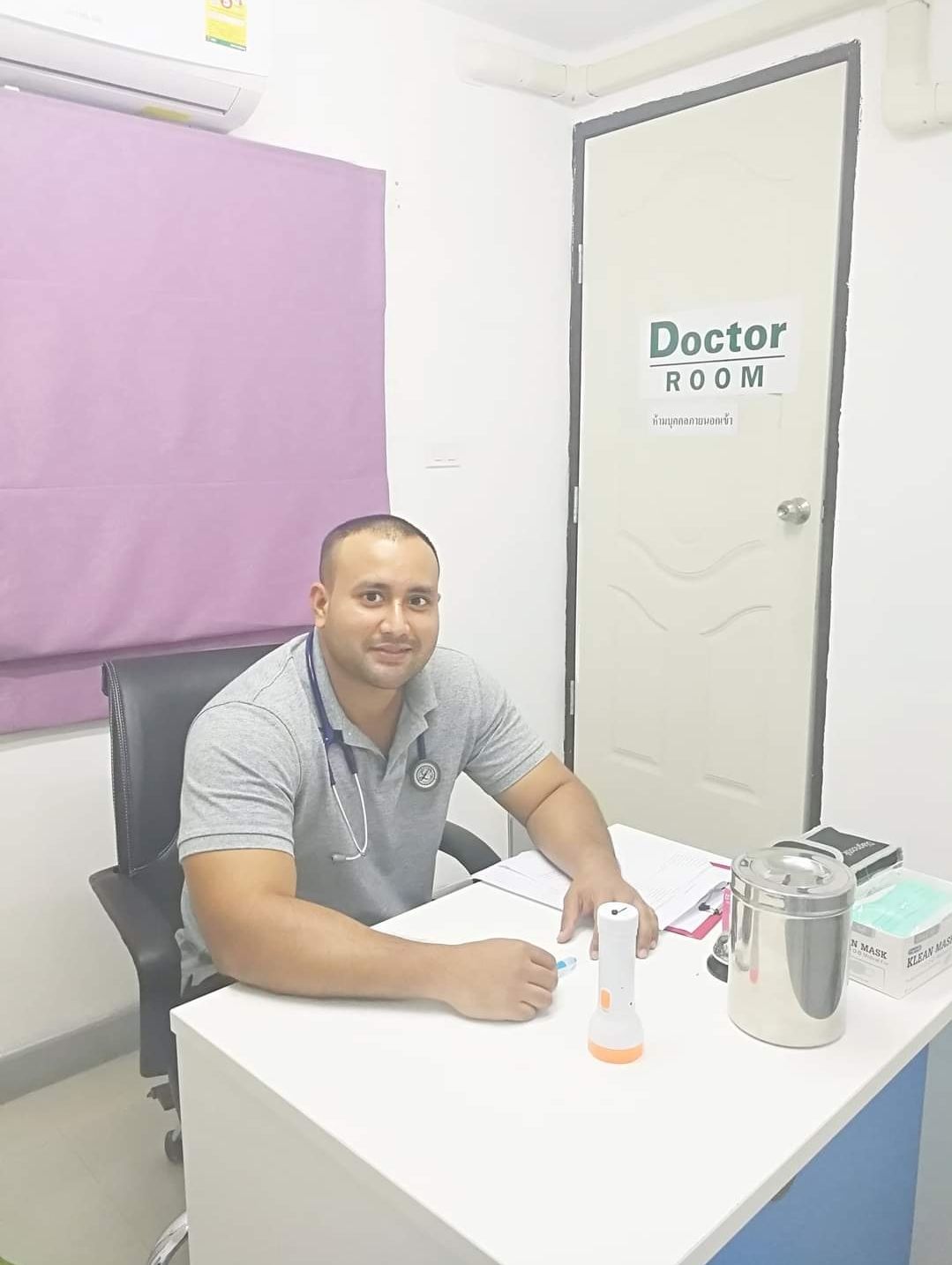
Dr. Ponlawat Pitsuwan is a physician at Doctor Bangkok, a private clinic in central Bangkok. He sees expats, residents, and medical tourists for general medicine, wellness consultations, and IV therapy. His focus is straightforward, evidence-based care delivered in plain language.