
Clinically reviewed by Dr. Ponlawat Pitsuwan, Physician, Doctor Bangkok. Last reviewed: July 2026
The core vaccines for Thailand are hepatitis A, typhoid, and hepatitis B. Most visitors and expats also need to review their MMR and tetanus boosters. Japanese encephalitis, rabies, HPV, and dengue vaccines depend on your lifestyle, how long you are staying, and where in Thailand you are going. A single consultation in Bangkok can sort all of this out in one visit.
If you are reading this from a Bangkok hotel room, a new apartment in Sukhumvit, or a departure lounge back home, you are probably wondering whether you missed something. Maybe you moved here without getting any vaccines first. Maybe someone told you that you needed a rabies shot. Maybe you are not sure which of the dozens of vaccines listed online actually apply to you.
The honest answer is that most people need fewer vaccines than they think, but the ones they do need matter. I see expats, long-term residents, and medical tourists every week who have been putting this off. The good news is that it is not too late, and Bangkok is one of the easiest cities in the world to sort this out quickly.

Hepatitis A and typhoid: the two vaccines almost everyone needs
These are the ones I recommend to nearly every patient coming to Thailand, whether they are staying a week or five years.
Hepatitis A spreads through contaminated food and water. You can get it from a salad, ice, or a shared plate at a restaurant that looks completely fine. The vaccine is simple and two doses give you strong, long-lasting protection. If you have not had it, get it.
Typhoid spreads the same way. Street food is wonderful in Bangkok, but it is one of the main routes of infection. The injectable vaccine gives you protection for around three years. If you eat outside the home regularly, which most people in Bangkok do, this one is worth having.
Both vaccines can be given at the same visit. There is no reason to delay either of them.
Hepatitis B: already vaccinated? Check when
Most people from Western countries received hepatitis B vaccine as children or teenagers. But that was a long time ago for many of my adult patients.
Hepatitis B spreads through blood, unprotected sex, and medical or dental procedures. If you are sexually active, plan to use any medical services here, or work in healthcare, your protection should be current. A quick blood test can tell us whether your immunity is still strong. This is one people often assume they have covered when they have not checked in twenty years.

Japanese encephalitis: do you need it for Bangkok or just rural Thailand?
For central Bangkok, the risk of Japanese encephalitis is genuinely low. The virus is spread by mosquitoes that breed around rice paddies and agricultural land. Living and working in the city centre, your exposure is minimal.
That changes quickly once you leave Bangkok. Chiang Mai, Chiang Rai, the northern provinces, and rural areas throughout Thailand carry real risk, particularly during and after the rainy season. If your time in Thailand is entirely urban with no plans for rural travel, you can discuss skipping this one with your doctor.
If you are planning rural trips, trekking, cycling in the countryside, or living outside the city, get the JE vaccine. Two doses of the standard inactivated vaccine give you solid protection, and the second dose should ideally come at least a week before potential exposure.
HPV vaccine for adults in Bangkok: is it too late to get it?
No. I want to be direct about this because I see adults in their 30s and 40s who assume this vaccine is only for teenagers.
HPV vaccination is approved up to age 45. The version available at Doctor Bangkok covers nine HPV strains, including types 52 and 58. These two strains are among the most prevalent high-risk types in Thailand specifically, which makes this a stronger choice here than older four-strain versions. The vaccine protects against strains you have not yet been exposed to, even if you have had prior HPV infection.
Three doses are given over six months. You do not need a blood test first. Compared to getting this vaccine in the UK, US, or Australia, the process here is fast and the cost is transparent with no insurance headaches.
Can you get vaccinated against dengue fever in Bangkok?
Yes. Qdenga is available in Bangkok for people aged 4 to 60, and unlike an older dengue vaccine, it does not require proof of prior dengue infection before you receive it.
For a two-week holiday, dengue vaccination is generally not recommended. For long-term Bangkok residents spending years here and regularly outdoors, it is a conversation worth having. What I tell most long-term residents is this: reduce mosquito exposure, use repellent, and if you want to discuss Qdenga, come in for a consultation and we will look at your specific situation.
Rabies: an urban risk in Bangkok, not just a rural one
This is the one that surprises people most. Rabies is not just a concern if you are trekking in the jungle.
Bangkok has a large stray dog population, and there are monkeys in several tourist areas around the city. A 2025 NaTHNaC alert flagged rabies risk specifically in Bangkok districts, not just provincial Thailand. If a dog or monkey bites or scratches you, you will need post-exposure treatment regardless of vaccine status. But having the pre-exposure vaccine before any incident makes that treatment simpler, faster, and less urgent. For anyone living long-term in Bangkok, especially with children, the pre-exposure rabies vaccine is worth serious consideration.
Chikungunya vaccine: new in 2025 and available in Bangkok
Chikungunya causes severe joint pain, fever, and rash. It is not fatal for most people, but the joint pain can last weeks or months. Thailand reported significantly elevated case numbers through 2025.
A new single-dose chikungunya vaccine became available in 2025 for adults aged 18 and over. Many patients do not even know it exists. If you are a long-term Bangkok resident, particularly during rainy season when mosquito activity peaks, this is worth asking about during your vaccination consultation.
Living in Bangkok long-term? Here is what to prioritise
If you moved to Bangkok without getting vaccinated first, you are in good company. It is one of the most common situations I see.
Start with hepatitis A and typhoid, which cover food and water risks you encounter every day. Then check hepatitis B immunity and whether your MMR and tetanus boosters are current. Measles outbreaks have occurred in Southeast Asia, and tetanus exposure is real in a city where minor injuries from motorbikes and construction are common. Add JE if you plan any rural travel. If you have children or spend time near stray animals, think seriously about rabies pre-exposure. If you are under 45 and have not had HPV vaccination, do not wait.
Most of these can be sorted in one or two visits. Several can be given at the same appointment.
Doctor Bangkok offers travel medicine consultations and vaccinations for expats, residents, and visitors in central Bangkok. Our clinic is BTS accessible and our English-speaking physicians can review your vaccination history and get you up to date in one visit. Whether you are about to fly in or have already been living here for a year without sorting this out, book an appointment at doctorbangkok.co.th.
FAQ
Do I need vaccines if I am only staying in Bangkok and not going to rural Thailand?
Yes, several vaccines still apply. Hepatitis A, typhoid, and hepatitis B are relevant in the city regardless of rural travel. Rabies is also an urban Bangkok risk given the stray dog population and monkeys in tourist areas. JE risk in central Bangkok is low, but that changes on any day trip outside the city.
I am in my 30s or 40s. Is it too late to get the HPV vaccine in Bangkok?
No. HPV vaccination is approved up to age 45 and is available at Doctor Bangkok. Even if you have had prior HPV exposure, the vaccine protects against strains you have not yet encountered. The version we use covers HPV types 52 and 58, which are among the most common high-risk strains in Thailand.
Should I get the dengue vaccine if I am living long-term in Bangkok?
It depends on your lifestyle and how long you plan to stay. Qdenga does not require prior dengue infection and may be appropriate for long-term residents with regular outdoor exposure. A consultation at Doctor Bangkok lets us assess your individual situation rather than giving you a generic answer.
Can I get all my Thailand vaccines at one appointment?
In most cases, yes. Several vaccines can be given safely at the same visit. A pre-vaccination consultation lets us review your history, check what you have already had, and design an efficient schedule so you are not making unnecessary return trips.
I moved to Bangkok without getting any vaccines first. What should I do?
Book a catch-up vaccination consultation. Most vaccines remain available and effective after arrival, so there is no need to panic. Start with hepatitis A, typhoid, and hepatitis B. Then check your MMR and tetanus. Add JE if you plan rural travel, and consider rabies and HPV based on your age and lifestyle.
How long before arriving in Thailand should I get vaccinated?
Ideally four to six weeks before arrival, to allow a full immune response, especially for vaccines requiring two doses. If you are already in Bangkok, that window has passed but vaccinating now is still worthwhile. Some vaccines provide meaningful protection within days of a single dose.
Is malaria a risk in Bangkok?
No. Malaria is not a meaningful risk in Bangkok or most urban areas of Thailand. It exists in some border provinces, particularly along the Myanmar and Cambodia borders. If you are travelling to those specific areas, malaria prevention is worth discussing separately.
Dr. Ponlawat Pitsuwan
Physician, Doctor Bangkok
a private medical clinic in central Bangkok. He sees expats, residents, and medical tourists for travel medicine, vaccinations, and general health consultations. His focus is straightforward, evidence-based care delivered in plain language.
Part of our guide to travel health in Bangkok.
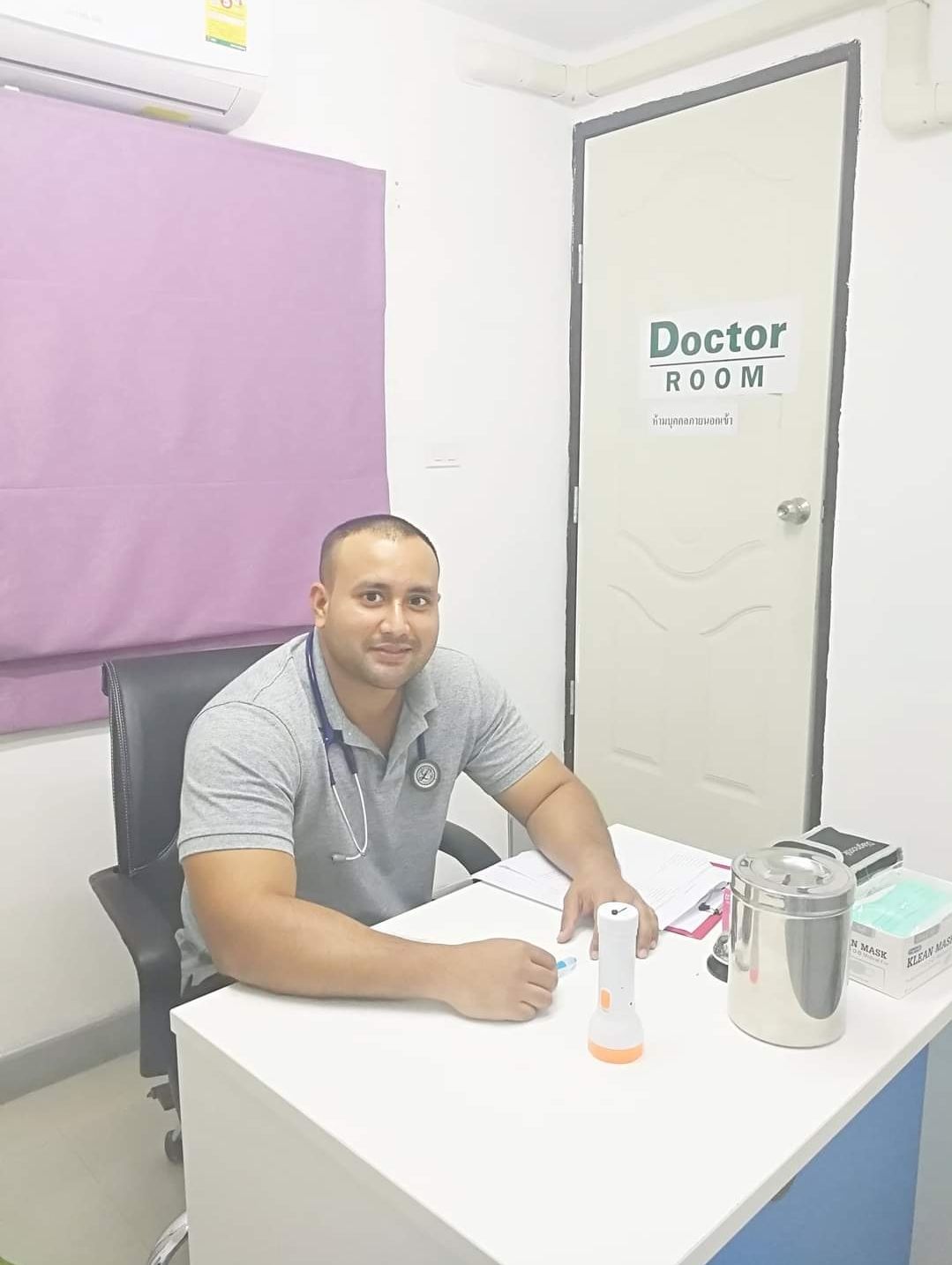
Dr. Ponlawat Pitsuwan is a physician at Doctor Bangkok, a private clinic in central Bangkok. He sees expats, residents, and medical tourists for general medicine, wellness consultations, and IV therapy. His focus is straightforward, evidence-based care delivered in plain language.