


Clinically reviewed by Dr. Ponlawat Pitsuwan, Physician, Doctor Bangkok. Last reviewed: June 2026
A gout attack causes sudden, severe joint pain, most often in the big toe, ankle, or knee. It happens when uric acid crystals build up inside a joint and trigger intense inflammation. Most attacks peak within 12 to 24 hours and can last up to two weeks without treatment. Starting treatment early, ideally within the first day, shortens the attack and reduces joint damage over time.
If you woke up at 3am with your foot throbbing so badly you could not put it on the floor, you are probably already searching for answers. That is exactly how most gout attacks start. The pain comes on fast, often overnight, and it is severe enough to stop people in their tracks.
The good news is that a gout attack is very treatable, especially when you act early. This article covers what causes it, which joints are affected, what to do right now, and when you need to see a doctor today rather than waiting it out.

What triggers a gout attack and how long does it last?
Gout happens when uric acid builds up too high in your blood. When levels stay elevated long enough, uric acid forms sharp crystals inside your joints. Your immune system attacks those crystals, and that is what causes the pain, swelling, heat, and redness.
Several things can push uric acid high enough to start a flare. Foods rich in purines, natural compounds found in red meat, organ meats, shellfish, and oily fish, are a major factor. Beer is one of the most consistent triggers I see in practice, more so than spirits or wine. Dehydration, crash dieting, and certain medications can also tip the balance.
Between attacks, most patients feel completely fine. The mistake I see most often is people assuming the problem is gone once the pain resolves. It is not. Without treatment, attacks come back more frequently and start affecting more joints.
An untreated attack typically resolves in five to fourteen days. Treat it early and you can often cut that down significantly.
What to do during a gout attack: first steps before you see a doctor
Rest the joint completely. Do not try to walk it off. Elevate the affected limb above your heart if you can, and apply ice wrapped in a cloth for ten to fifteen minutes at a time. Never put ice directly on the skin.
Stay well hydrated. Water helps your kidneys clear uric acid. Avoid alcohol entirely, as it makes uric acid levels rise fast. If you have ibuprofen or naproxen at home and no reason to avoid anti-inflammatories, take a standard dose while you arrange to see a doctor.
The most important thing I tell patients: do not just manage the pain at home and move on. Come in early. Doctors can prescribe colchicine, a tablet specifically used for gout flares, or a short course of steroids if anti-inflammatories are not right for you. Starting treatment within the first twenty-four hours makes a real difference.

Gout triggers specific to Bangkok: alcohol, diet, heat, and dehydration
Bangkok has a particular combination of factors that I see triggering gout attacks again and again in expats and visitors. The heat alone causes dehydration if you are not actively drinking water throughout the day, and dehydration concentrates uric acid in your blood.
Thai street food is genuinely delicious, but it is also loaded with gout triggers. Organ meats, shellfish, fermented fish sauce, and pork are all high in purines. Add a few cold beers at dinner, which is very easy to do in this city, and you have a near-perfect recipe for a flare.
Fructose is another trigger people do not expect. Thai iced drinks and sweetened sodas are high in fructose, which raises uric acid just as purines do. I am not telling you to avoid Thai food. I am saying that if you already have gout and your levels are not controlled, these are the specific things most likely to wake you up in pain at 3am.
Gout vs other causes of sudden joint pain: how to tell the difference
Not every sudden swollen joint is gout, and getting this wrong can be dangerous.
Septic arthritis is an infected joint. It can look exactly like a gout attack: red, hot, swollen, and extremely painful. The key difference is that septic arthritis is a medical emergency. If you have a swollen, painful joint and a temperature above 38°C, you need to be seen the same day. A blood test and sometimes a sample of joint fluid will tell us what is going on.
Pseudogout looks very similar to gout but is caused by different crystals and tends to affect larger joints like the knee. Cellulitis, a skin infection, can also cause redness and swelling around a joint and is sometimes mistaken for gout. A doctor can usually tell these apart with an examination and blood tests.
The bottom line: sudden joint pain with fever, no prior history of gout, or rapid worsening over just a few hours warrants same-day assessment. At Doctor Bangkok, we can run the right tests and give you a clear answer quickly.
Gout in the ankle: how common is it and how is it treated?
Ankle gout is more common than most people realise. It is often not the first joint affected, but once gout has been active without proper management, the ankles become a frequent target. Patients often describe it as a sprained ankle that appeared out of nowhere with no injury.
Treating ankle gout follows the same principles as treating a big toe flare. Colchicine taken early, or an anti-inflammatory tablet, manages the acute swelling and pain. For patients who cannot take either, a short course of steroids works well.
The bigger question with ankle gout is what is happening between attacks. That means checking your serum uric acid level, the amount of uric acid circulating in your blood. If levels are consistently high, your doctor may recommend starting allopurinol, a daily tablet that lowers uric acid production over time. It does not treat the current attack, but it prevents the next one. Do not start allopurinol during an active flare without medical guidance, as it can prolong symptoms.
Gout in the knee: symptoms, diagnosis, and treatment
Knee gout tends to appear later in the course of the disease, often in people who have had untreated gout for years. The knee becomes dramatically swollen, warm, and stiff. Putting weight on it can be very uncomfortable.
One challenge with knee gout is that it looks a lot like other conditions. Pseudogout and septic arthritis both affect the knee. Uric acid levels can also be normal during an active flare, which surprises many patients. A full picture means combining your symptoms, your history of past attacks, and your blood results together.
Treatment during an acute knee attack is anti-inflammatory tablets or colchicine if caught early. If the knee is very swollen, a corticosteroid injection into the joint can provide faster relief. Long term, medication to keep uric acid low is the cornerstone of preventing knee gout from recurring.
Gout in the foot and toes: which joints are most commonly affected?
The foot and toes are where most people first experience gout. The big toe is by far the most common site, but the mid-foot and smaller toe joints can all be affected. In patients with longstanding untreated gout, you may also see tophi: firm, chalky lumps under the skin near the joints. These are deposits of uric acid crystals and are a sign that gout has been active and uncontrolled for a long time.
If you are noticing lumps around your foot joints along with a history of recurrent flares, that warrants a proper assessment. Book a consultation at Doctor Bangkok to have your uric acid levels checked and a management plan put in place.
Podagra: why gout attacks the big toe first
Podagra is the medical name for gout in the big toe, at the joint where the toe meets the foot. It is the first joint affected in the majority of gout cases.
The big toe sits at the furthest point from your heart. Temperature is slightly lower there than in the core of your body, and uric acid crystals form more easily in cooler tissues. Overnight, when body temperature drops and you are lying still, the fluid lubricating your joints becomes more concentrated. Uric acid in that fluid crosses the threshold for crystal formation. You wake up in agony.
If this is your first gout attack, a blood test to check your uric acid and a proper clinical assessment are essential. Many people have one attack, feel better, and do nothing. Then six months later it comes back, usually worse, and often in a new joint.
When does a gout attack need same-day medical attention?
Most gout attacks, while extremely painful, are not emergencies. But some situations require you to be seen today.
Get to a clinic the same day if you have a swollen joint and a fever above 38°C, if the joint is worsening rapidly over just a few hours, if this is your first ever attack with no prior diagnosis, or if you are immunocompromised for any reason. These signs raise the possibility of septic arthritis, which needs urgent treatment.
Even without those red flags, come in as early as you can. Treatment started within twenty-four hours works far better than treatment started two or three days in. At Doctor Bangkok, we have same-day appointments available and can run blood tests on the spot. Our gout treatment service covers both acute management and long-term prevention.
Preventing the next gout attack: keeping uric acid under control
Treating the attack is step one. Making sure it does not come back is the part most people skip. The target for uric acid in patients with confirmed gout is generally below 6 mg/dL, a level low enough for existing crystals to gradually dissolve.
Allopurinol is the most commonly used medication for this. It is taken daily and is well tolerated by most patients. Diet changes help but rarely normalise uric acid on their own, so medication is often necessary for anyone with recurrent attacks. Staying hydrated, limiting beer and organ meats, and keeping your weight stable all support your treatment.
Get your levels checked regularly. The patients I see who struggle are almost always the ones who come in during a flare and disappear once they feel better. Gout is very manageable with consistent monitoring and the right treatment plan.
Experiencing a gout attack in Bangkok, or worried about recurrent joint pain? Doctor Bangkok offers same-day gout consultations, uric acid blood tests, and long-term management plans at our BTS-accessible clinic in central Bangkok. English-speaking physicians. No referral needed. Visit doctorbangkok.co.th/gout-treatment-bangkok to book your appointment.
Frequently asked questions
How long does a gout attack last and will it go away on its own?
An untreated gout attack usually peaks within the first twelve to twenty-four hours and can last anywhere from five to fourteen days before the pain resolves on its own. The pain going away does not mean the problem is gone. Without treatment, attacks return more frequently and affect more joints over time.
Is gout in the ankle or knee different from gout in the big toe?
The underlying cause is the same: uric acid crystal buildup in the joint. Ankle and knee gout tends to appear later in the disease course and can be harder to distinguish from conditions like pseudogout or septic arthritis. These joints often warrant blood tests and sometimes fluid sampling to confirm the diagnosis.
What foods and drinks in Bangkok are most likely to trigger a gout attack?
Beer is one of the most consistent triggers, more so than other alcohol. Shellfish, grilled prawns, organ meats, and pork are common at Thai restaurants and street stalls and are all high in purines. Thai iced drinks and sweetened sodas contain fructose, which also raises uric acid. Dehydration from Bangkok’s heat makes all of this worse, especially if you are also drinking alcohol.
What should I do immediately when a gout attack starts?
Rest the joint, elevate it, and apply ice wrapped in a cloth for ten to fifteen minutes at a time. Drink plenty of water and stop alcohol completely. If you have ibuprofen and no medical reason to avoid it, take it now. Then contact a clinic as early as possible, because treatment started within twenty-four hours is significantly more effective than waiting it out.
How do I know if my joint pain is gout or something more serious like an infection?
A fever above 38°C alongside a swollen, painful joint is a red flag for septic arthritis, an infected joint that needs same-day assessment. Gout alone does not usually cause a high fever. If you are unsure, come in and get checked. A blood test and clinical examination can distinguish gout from an infection quickly.
Do I need medication between attacks, or only during a flare?
If you have had more than one gout attack, you almost certainly need long-term medication to lower your uric acid between flares. Treating only the attack leaves crystals in place and the cycle continues. Allopurinol, taken daily, is the standard approach, and your doctor will check your uric acid levels to confirm they reach the right target.
Dr. Ponlawat Pitsuwan
Physician, Doctor Bangkok
a private medical clinic in central Bangkok. He sees expats, residents, and medical tourists for gout assessment, joint pain, uric acid testing, and long-term gout management. His focus is straightforward, evidence-based care delivered in plain language.
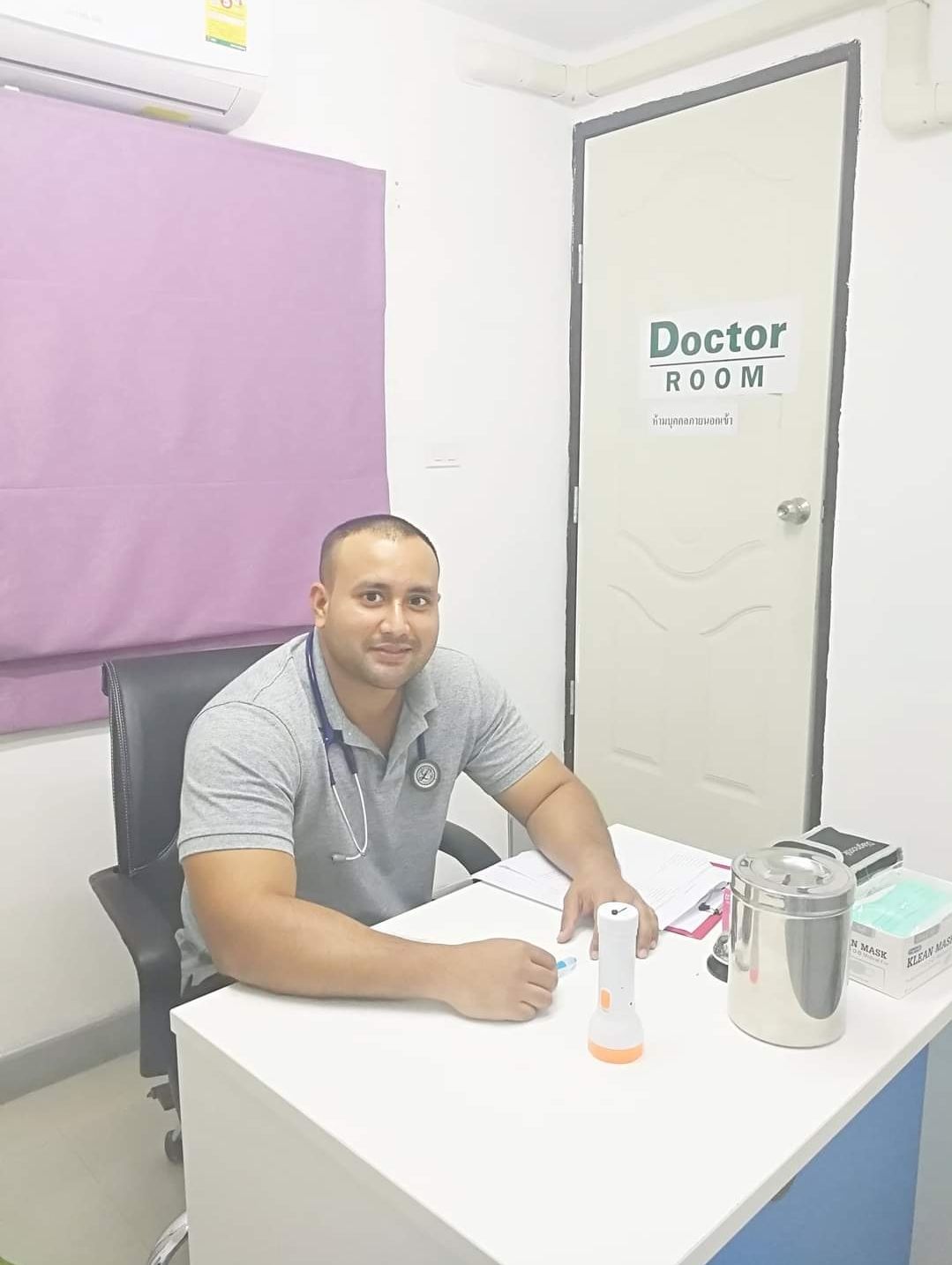
Dr. Ponlawat Pitsuwan is a physician at Doctor Bangkok, a private clinic in central Bangkok. He sees expats, residents, and medical tourists for general medicine, wellness consultations, and IV therapy. His focus is straightforward, evidence-based care delivered in plain language.