
Clinically reviewed by Dr. Ponlawat Pitsuwan, Physician, Doctor Bangkok. Last reviewed: June 2026
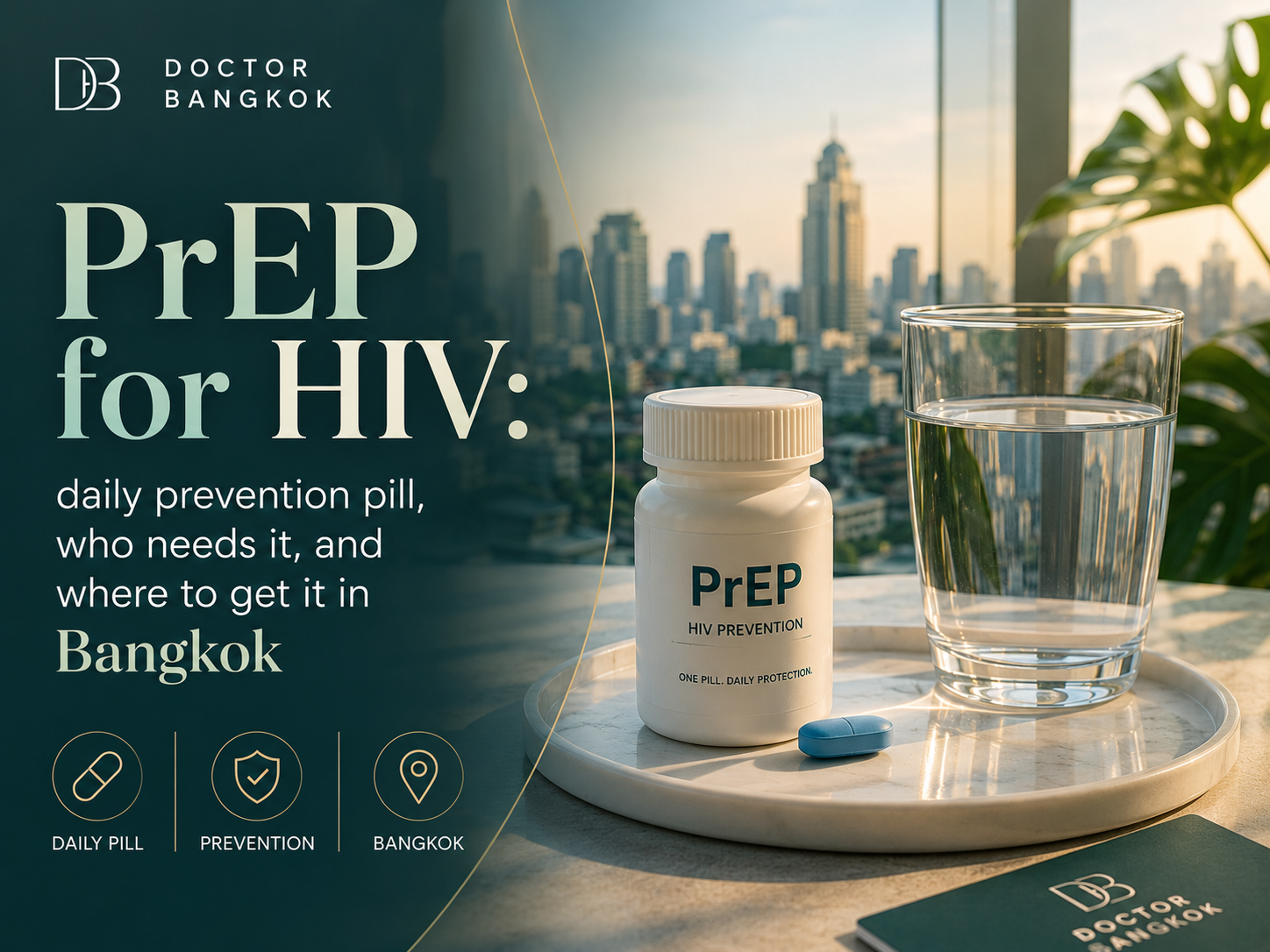
PrEP (pre-exposure prophylaxis) is a daily pill or injectable medication that prevents HIV infection in people who are HIV-negative. Taken consistently, it reduces the risk of getting HIV through sex by up to 99%. You need a confirmed HIV-negative result and a kidney function test before starting. Private clinics in Bangkok can prescribe it to foreigners without a Thai ID, often on the same day.
If you are living in Bangkok, visiting for a few months, or just arrived and realised your home-country PrEP prescription does not transfer here, you are in the right place. A lot of expats come into our clinic wanting to start PrEP, continue PrEP, or understand whether they need it at all. The question is straightforward. So is the answer.
PrEP works, and the evidence behind it is strong. But starting it correctly matters, both for it to protect you and to keep you safe from the things most people do not think about until a doctor tells them. This article covers which format suits your life, what tests you need first, what to watch for while on it, and how to get it sorted in Bangkok without the usual headaches.

Who needs PrEP in Bangkok?
PrEP is for HIV-negative people who have a realistic chance of being exposed to HIV. That sounds vague, so let me be specific.
If you are a man who has sex with men, particularly with multiple partners or without consistent condom use, PrEP is worth serious consideration. The same applies if you are in a relationship where your partner is HIV-positive and not yet confirmed undetectable. U=U, meaning undetectable equals untransmittable, is well established: a partner on treatment with an undetectable viral load does not transmit HIV sexually. If that status is uncertain, PrEP gives you a clear safety layer.
PrEP is also appropriate for anyone who has had a recent STI, shares injection equipment, or has sex with partners whose HIV status they do not know. In Bangkok, where the expat social scene can involve new partners, nightlife, and less predictability than back home, these situations are common. I see patients every week who fit this description and had not thought of themselves as PrEP candidates until we talked.
How effective is PrEP, and what makes it fail?
When taken correctly, daily PrEP reduces HIV transmission risk through sex by up to 99%, according to the WHO. That is about as strong as prevention gets.
The word "correctly" is doing a lot of work in that sentence. The main reason PrEP fails is missed doses. Protection builds up in your system over time, and skipping doses regularly cuts that protection. If you have had a possible HIV exposure in the last seventy-two hours, PrEP is not what you need right now. PEP is. More on that below.

Daily pill, on-demand, or injectable: which format is right for you?
There are three formats available. The right one depends on your lifestyle, not just your risk level.
Daily TDF/FTC is one tablet every day at roughly the same time. It suits anyone at ongoing or unpredictable risk. If your social life in Bangkok is active and variable, this is usually the easiest option because you do not need to plan around it.
On-demand PrEP, sometimes called 2-1-1 dosing, involves two pills taken two to twenty-four hours before sex, one pill twenty-four hours after, and one more pill forty-eight hours after. It suits cisgender men who have sex with men and whose sexual activity is less frequent and more predictable. This format is not recommended for cisgender women or for anyone who cannot reliably follow the exact schedule. WHO supports it for eligible individuals based on moderate evidence, though it is not FDA-approved.
Injectable PrEP using cabotegravir long-acting (CAB-LA) is given every two months after a short loading phase. It suits people who find daily pills hard to maintain, want more privacy, or travel frequently. For many expats and visitors, this is the format that fits their actual life best. The newest option is lenacapavir, a twice-yearly injectable that received FDA approval in June 2025 and a WHO recommendation in July 2025. Availability at Bangkok private clinics is still emerging, so ask us directly when you come in.
What tests do you need before starting PrEP?
You cannot walk in and just get a prescription. A few tests are required first, and each one matters.
First, an HIV test. You must be confirmed HIV-negative before starting. Starting PrEP in someone who already has HIV risks masking the infection and creating drug resistance that limits their future treatment options. If you have had a recent possible exposure, we will discuss the timing carefully. Our HIV testing service in Bangkok covers this.
Second, kidney function. TDF/FTC is processed through the kidneys, so we check how well yours are working before prescribing and again every three to six months. Most people have no issues. Those with pre-existing kidney conditions may be better suited to injectable cabotegravir.
Third, hepatitis B. This one is important and almost nobody outside a clinic talks about it properly. TDF/FTC is active against hepatitis B as well as HIV. If you have undiagnosed hepatitis B and stop PrEP abruptly, you can trigger a serious flare. That is a real clinical risk. The hepatitis B surface antigen test is not an optional extra. If you test positive, we manage things differently.
Fourth, a baseline STI screen. PrEP does not protect against gonorrhoea, syphilis, chlamydia, or any other STI. Screening before you start gives us a baseline and catches anything that needs treating first.
PrEP vs PEP: which one do you need right now?
I get this question regularly. The distinction is simple.
PrEP is taken before potential exposure, as an ongoing prevention strategy. PEP is taken after a possible exposure, within seventy-two hours, as an emergency measure. If you had unprotected sex last night and are worried about HIV, PEP is what you need. Do not start PrEP and assume it will cover a recent exposure. It will not.
PEP is a twenty-eight-day course. It is not a long-term substitute for PrEP. If the situation that led you to need PEP is likely to happen again, we use that conversation as the starting point for a PrEP plan. If you are unsure which one applies to you right now, contact us and do not wait.
PrEP side effects: what to expect and what to watch for
Most people starting daily TDF/FTC have no significant side effects. Some notice mild nausea, headaches, or fatigue in the first two to three weeks. These usually settle on their own.
The two things that matter over time are kidney function and bone density. TDF can cause small reductions in bone mineral density with long-term use. For most healthy adults this is not a major concern, but it is one reason we monitor regularly and one reason some patients switch to injectable cabotegravir. As noted above, stopping TDF/FTC abruptly without a doctor’s guidance carries a hepatitis B flare risk. Please do not do that.
PrEP in Bangkok as an expat: what is actually different
Accessing PrEP through the Thai public system as a foreigner is theoretically possible but practically difficult. You would need a Thai social security number, face language barriers, and work through a system built for Thai nationals. The Thailand Universal Coverage Scheme covers PrEP for eligible Thais but does not extend to most foreigners.
Private clinics are the realistic path. At Doctor Bangkok, we can see you, run the required tests, and in most cases issue a prescription on the same day. You do not need a Thai ID. Bringing recent relevant results from another provider helps save time and cost, but it is not required.
First-visit cost covers consultation, HIV test, kidney panel, hepatitis B screen, STI baseline, and medication. Medication cost varies by format. Contact us for a current breakdown before you book. If you are planning a trip out of Thailand, I recommend sorting a three-month supply before you leave. We can usually arrange that.
What happens at your follow-up appointments?
Once you are on PrEP, follow-up is every three months. Each visit includes an HIV test, kidney function check, and STI screen. The HIV test is safety-critical: if transmission occurred despite PrEP, we need to know right away so treatment can start without delay.
Follow-up is also where we check in on how things are going. If your schedule has changed, you are travelling more, or your risk pattern has shifted, those are conversations worth having. The format that suited you six months ago may not be the best fit now. Our sexual health consultations include time to review all of this.
Starting or continuing PrEP in Bangkok is straightforward at Doctor Bangkok. We see expats and visitors for same-day HIV testing, pre-PrEP screening, and PrEP prescriptions at our clinic in central Bangkok, accessible by BTS. English-speaking physicians. No Thai ID needed. Book at doctorbangkok.co.th or contact us directly to discuss which PrEP format suits your situation.
FAQ
Can I start PrEP in Bangkok as a foreigner without a Thai ID or existing medical records?
Yes. Private clinics in Bangkok, including Doctor Bangkok, can prescribe PrEP to foreigners without a Thai ID. You will need an HIV test, kidney function panel, hepatitis B screen, and STI check before starting, all of which we can do on your first visit. If you have recent relevant results from another provider, bring them and we will assess what can be carried over.
How long does it take for PrEP to start protecting me?
For daily TDF/FTC, protection for receptive anal sex builds after roughly seven days of consistent use. For receptive vaginal sex, allow closer to twenty-one days. If you have had a possible HIV exposure in the last seventy-two hours, PrEP will not cover it and you need PEP instead. Contact us now if that applies to you.
Does PrEP protect against other STIs like gonorrhoea, syphilis, or chlamydia?
No. PrEP is HIV-specific and does not protect against other sexually transmitted infections. That is exactly why we include an STI screen at every three-month check-up. Condom use remains the most practical protection against other STIs alongside PrEP.
What happens if I have undiagnosed hepatitis B and stop PrEP suddenly?
TDF/FTC, the standard daily PrEP pill, is also active against hepatitis B. If it has been partially suppressing an undiagnosed infection and you stop abruptly, hepatitis B can flare seriously. This is why we test for hepatitis B before prescribing and why you should never stop PrEP without speaking to a doctor first.
Which PrEP format is right for me: daily pill, on-demand, or injectable?
Daily suits ongoing or unpredictable risk. On-demand 2-1-1 suits cisgender men who have sex with men with less frequent, more predictable sexual activity, but is not suitable for women or anyone who cannot follow the exact dosing schedule. Injectable CAB-LA every two months suits people who travel frequently, prefer privacy, or find daily pills difficult to maintain. Lenacapavir, the twice-yearly injectable, is now WHO and FDA recommended and may be available at Doctor Bangkok. A short consultation will help you decide.
What does PrEP cost at a private clinic in Bangkok?
The total first-visit cost covers consultation, HIV test, kidney function panel, hepatitis B screen, STI baseline, and medication. Costs vary by format and change over time, so contact Doctor Bangkok directly for a current breakdown before your appointment. We can also help you plan a three-month supply before a trip abroad.
Can I switch from PrEP to PEP if I think I had an exposure while on PrEP?
If you have been taking daily PrEP consistently, a single exposure is very unlikely to result in infection. If you missed multiple doses recently or only just started, contact us to assess the situation. PEP is a different medication course and is only effective if started within seventy-two hours of exposure. Do not wait and see.
Dr. Ponlawat Pitsuwan
Physician, Doctor Bangkok
a private medical clinic in central Bangkok. He sees expats, residents, and medical tourists for HIV prevention, STI screening, and PrEP and PEP consultations. His focus is straightforward, evidence-based care delivered in plain language.
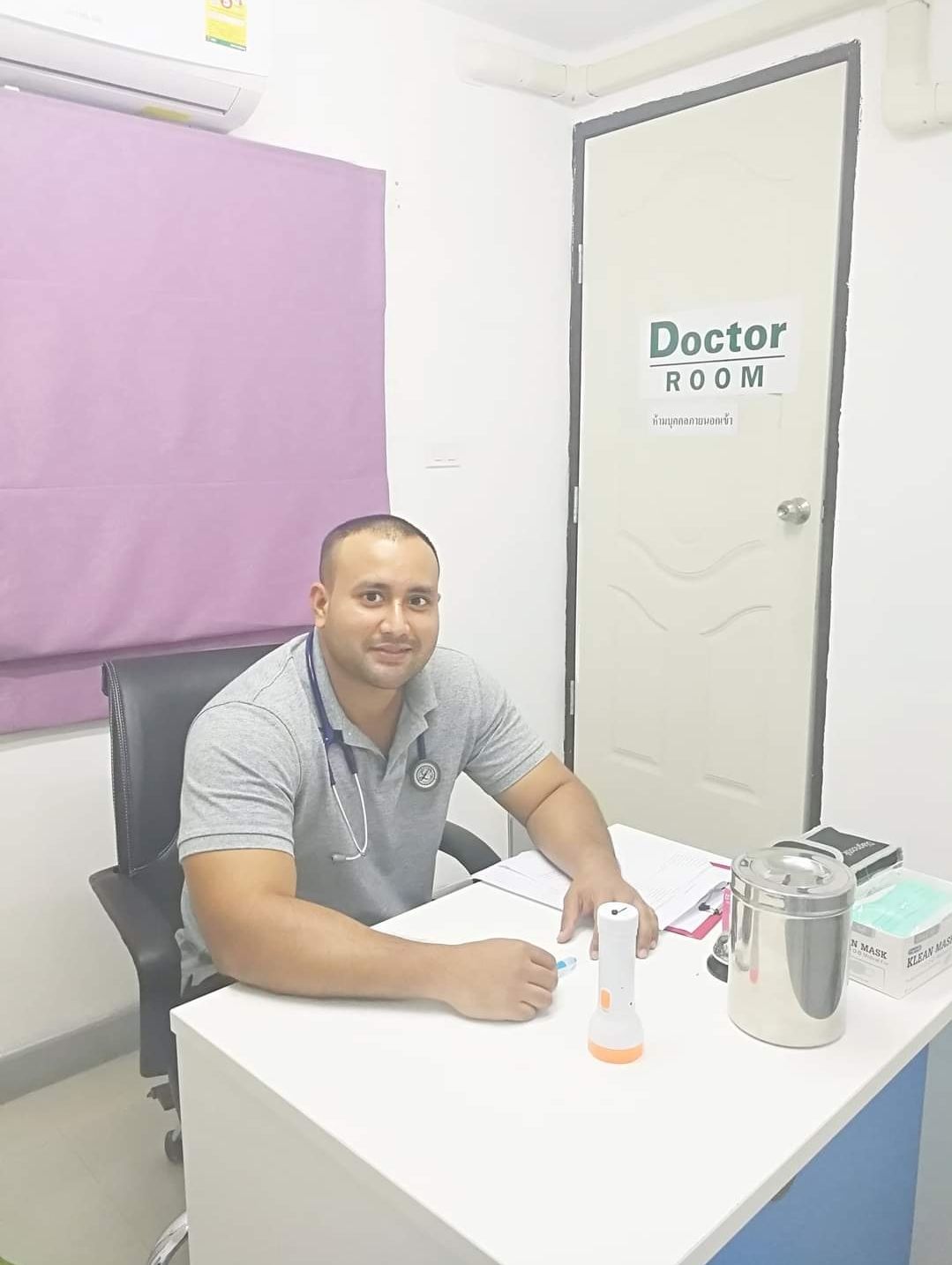
Dr. Ponlawat Pitsuwan is a physician at Doctor Bangkok, a private clinic in central Bangkok. He sees expats, residents, and medical tourists for general medicine, wellness consultations, and IV therapy. His focus is straightforward, evidence-based care delivered in plain language.