

Clinically reviewed by Dr. Ponlawat Pitsuwan, Physician, Doctor Bangkok.
Last reviewed: November 2026
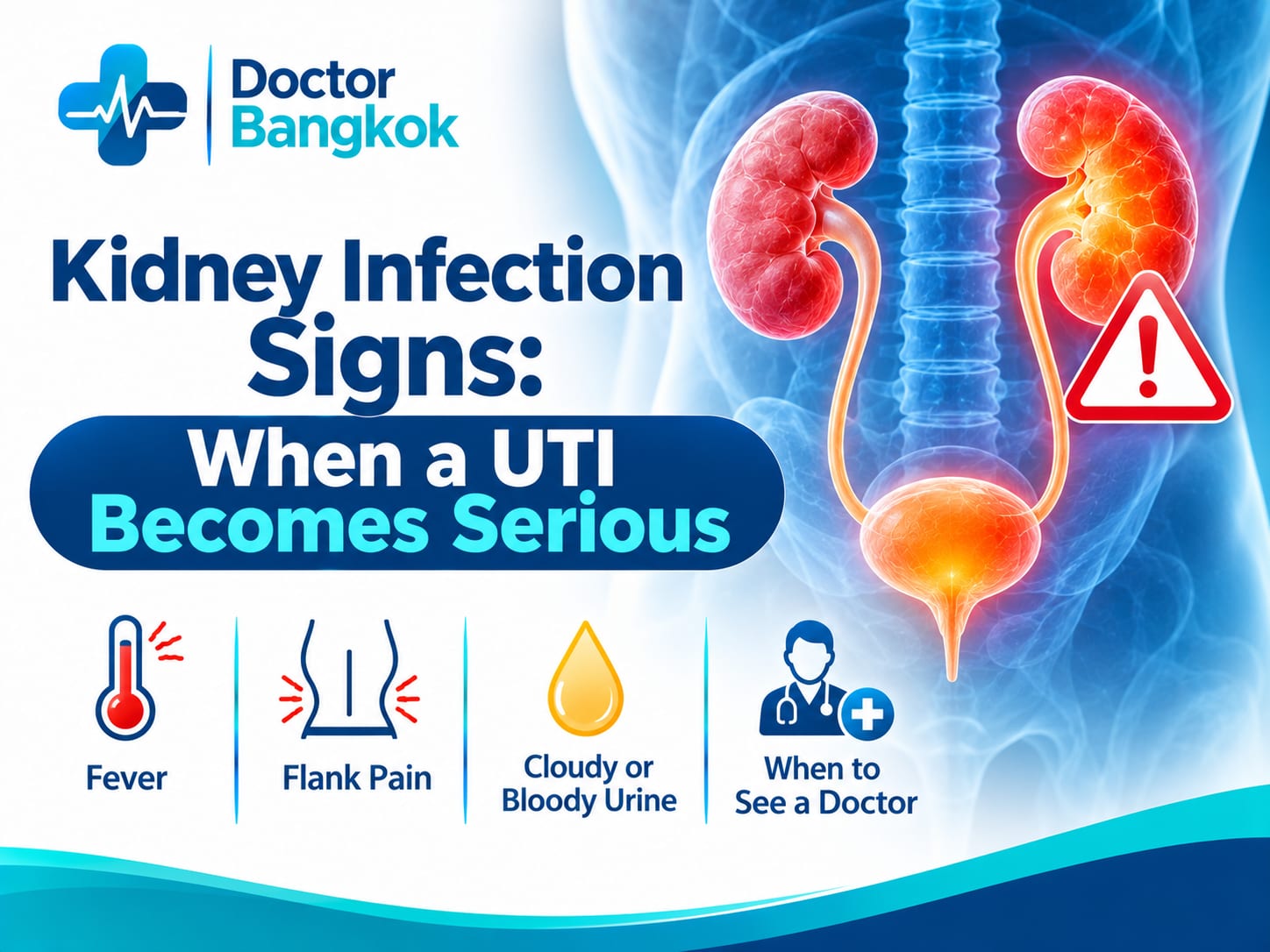
Kidney infection symptoms include fever, chills, flank pain, nausea, and urinary changes such as cloudy or foul-smelling urine. These symptoms need prompt medical assessment, not a wait-and-see approach. Left untreated, a kidney infection can lead to urosepsis, a life-threatening bloodstream complication. If you are in Bangkok, a doctor can be with you within one hour.
You had what felt like a bladder infection two days ago. Now you have a fever, your back is aching deep on one side, and you feel sick to your stomach. That is not just a UTI anymore. Those are kidney infection symptoms, and that changes what you need to do next.
A kidney infection, known medically as pyelonephritis, is a bacterial infection that has travelled from the bladder up into one or both kidneys. It needs prescription antibiotics. Paracetamol and extra water will not clear it. The difference between treating this early and waiting is the difference between a course of tablets and a hospital admission.

How Bladder Infections Reach the Kidneys
Most kidney infections start in the lower urinary tract. Bacteria enter through the urethra, establish in the bladder, and if not treated, travel upward in what is called an ascending infection. Bangkok’s heat plays a role here. Dehydration concentrates urine, which allows bacteria to multiply faster and makes it harder for your body to flush them out.
A bladder infection that is ignored or treated with the wrong antibiotic can reach the kidneys within days. Women are at higher risk because a shorter urethra gives bacteria a shorter path to travel. Pregnancy also increases the risk, as do diabetes, a structural urinary abnormality, and a weakened immune system.
Key Kidney Infection Symptoms to Know
The core triad is fever, flank pain, and urinary symptoms. Flank pain means pain on one or both sides of your back, below the ribcage. It is usually constant, not movement-related, and often described as deep or aching.
Fever tends to be high and is commonly accompanied by chills and shaking. Nausea and vomiting are common. Urinary symptoms may include pain or burning when urinating, frequent urges, and cloudy or foul-smelling urine. Some people also notice blood in the urine.
Not everyone presents the same way. Older adults sometimes have no urinary symptoms at all, only confusion and a high fever. Children may show nothing specific beyond a persistent fever. If someone older or younger in your group develops unexplained fever, kidney infection should be on the list.

Kidney Pain vs Back Pain: How to Tell the Difference
Muscle and joint back pain usually shifts when you move. Stretch, change position, lie down, and it feels different. Kidney pain does not behave this way. It stays constant regardless of what you do physically.
Kidney pain sits in the flank, below your ribcage on either side of your spine. When a doctor presses firmly at the junction between your lowest rib and your spine, significant tenderness there points strongly toward the kidney rather than muscle. This finding, combined with fever and urinary symptoms, makes the clinical picture clear.
Referred pain from the kidney can radiate forward to the abdomen or down toward the groin. If you have both flank pain and nausea together with fever, do not assume it is a pulled muscle or food poisoning.
Treatment for a Kidney Infection in Bangkok
The treatment is antibiotics. The specific antibiotic depends on urine culture results, which identify the bacteria and confirm which drug will work against it. A doctor will also run a full blood count, inflammatory markers, and kidney function tests to judge severity.
Imaging, usually a renal ultrasound, is ordered for severe cases, recurrent infections, or when a complication such as a kidney abscess is suspected. You do not need imaging for every kidney infection, but a doctor needs to decide that after examining you.
For mild to moderate cases where you can keep fluids down and have no red-flag symptoms, oral antibiotics at home are appropriate. For anyone vomiting, running a very high fever, or not improving after initial oral treatment, intravenous antibiotics in hospital are necessary. At Doctor Bangkok’s walk-in clinic on Sukhumvit, same-day urine and blood testing is available without an appointment.
When a Doctor Coming to You Makes Sense
There is a gap between managing at home and needing an emergency room that many patients do not know how to navigate at midnight in a hotel room. Doctor Bangkok’s doctor-on-call service covers exactly this. A physician comes to your hotel or condo, assesses you, orders initial tests, and can administer an IV drip for rehydration and anti-nausea medication on the spot.
For patients who can keep antibiotics down but are dehydrated or in significant pain, this can stabilise the situation without an emergency room visit. If you need hospital-level care, the doctor will tell you that clearly.
Complications: Why Waiting Is the Wrong Call
Untreated or inadequately treated kidney infections carry real risks. The most serious is urosepsis, where bacteria enter the bloodstream. Urosepsis is a medical emergency.
The warning signs are a temperature that is very high or abnormally low, heart rate above 90 beats per minute, rapid breathing, confusion or disorientation, and skin that looks pale, mottled, or feels clammy. If these signs appear alongside a kidney infection, do not wait. Go directly to an emergency department or call a doctor immediately.
Repeated or severe kidney infections can lead to kidney scarring and increase the risk of chronic kidney disease. The first time you notice fever plus flank pain, that is the moment to get assessed, not after another day of hoping it passes.
Fever, back pain, and nausea together need a same-day assessment. Doctor Bangkok is open 24 hours, every day. Walk into our clinic on Sukhumvit Soi 13, or book a doctor to come to your hotel or condo anywhere in Bangkok within one hour. We run same-day blood and urine tests, prescribe antibiotics, and can administer IV fluids at your location if needed. For severe symptoms or signs of sepsis, we will direct you to emergency care straight away. Contact Doctor Bangkok now.
Frequently Asked Questions
Dr. Ponlawat Pitsuwan
Physician, Doctor Bangkok
a private medical clinic in central Bangkok open 24 hours a day, with a doctor-on-call service that comes to your hotel or condo within one hour. He sees expats, residents, and medical tourists for fever assessment, urinary tract infections, kidney infections, and general acute medical care. His focus is straightforward, evidence-based care delivered in plain language.
References
- Gupta K, Hooton TM, Naber KG, et al. International Clinical Practice Guidelines for the Treatment of Acute Uncomplicated Cystitis and Pyelonephritis in Women: A 2010 Update by the Infectious Diseases Society of America and the European Society for Microbiology and Infectious Diseases. Clinical Infectious Diseases. 2011;52(5):e103-e120.
- NHS. Kidney infection (pyelonephritis). National Health Service.
- NICE. Pyelonephritis (acute): antimicrobial prescribing. NICE guideline NG111. National Institute for Health and Care Excellence, 2018.
- Ramakrishnan K, Scheid DC. Diagnosis and Treatment of Acute Pyelonephritis in Women. American Family Physician. 2011;84(5):519-526.
- World Health Organization. Sepsis. WHO Fact Sheet.
The information in this article is for educational purposes only and does not constitute medical advice. It should not be used to self-diagnose or replace a consultation with a qualified physician. If you have concerns about your health, contact a licensed medical professional. For appointments at Doctor Bangkok, visit doctorbangkok.co.th.
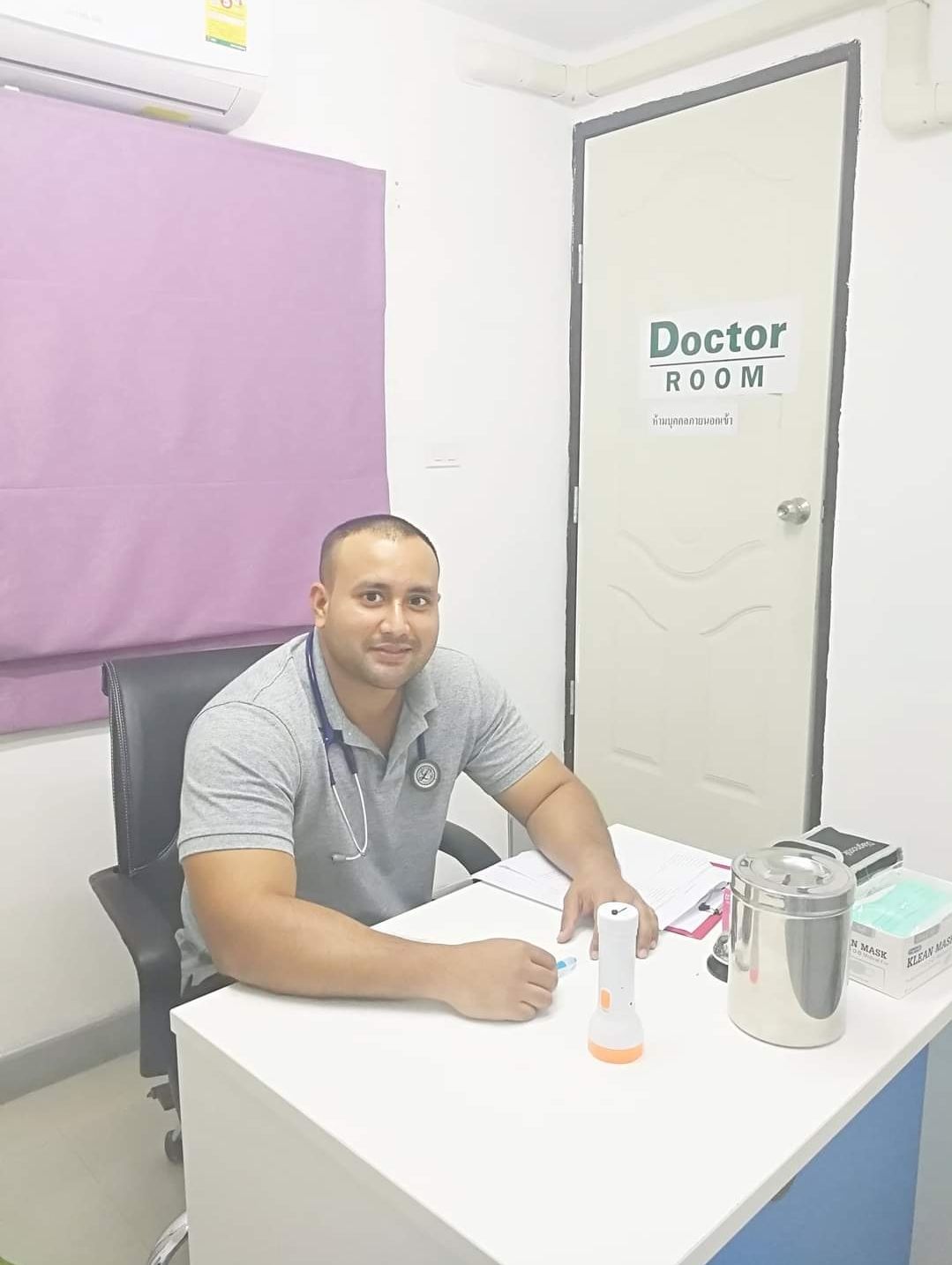
Dr. Ponlawat Pitsuwan is a physician at Doctor Bangkok, a private clinic in central Bangkok. He sees expats, residents, and medical tourists for general medicine, wellness consultations, and IV therapy. His focus is straightforward, evidence-based care delivered in plain language.