

Clinically reviewed by Dr. Ponlawat Pitsuwan, Physician, Doctor Bangkok. Last reviewed: July 2026
Men over 40 can absolutely build strength and muscle. The key is training with recovery in mind, not just output. Three to four sessions a week using compound lifts, adequate protein, and proper rest produces real results. If progress has stalled despite consistent effort, a hormone and blood panel can identify what training alone cannot fix.
You are probably here because something shifted. The programme that worked at 32 is not working at 43. Recovery takes longer. A niggle in your shoulder does not go away like it used to. You are putting in the effort and not seeing the return. That is not failure. That is biology, and it is completely manageable once you know what is actually happening.
A lot of expat men in Bangkok fall into a specific pattern. Long hours, a desk job, frequent travel, eating out most nights, and a gym routine that is either too aggressive or too sporadic. Add Bangkok’s heat and humidity to that, and you have a training environment that demands a smarter approach than most fitness articles offer. This guide is built for that reality.

Why Your Body Works Differently After 40
From your late 30s, muscle mass begins to decline gradually if you are not actively working against it. Strength training is the single most effective tool to slow that process down. It also helps preserve bone density, which drops with age regardless of how active you feel.
Recovery slows down too. Muscle repair after a hard session takes longer than it did a decade ago. Training with the same frequency you used at 28 is one of the most common ways men over 40 end up injured and back at square one.
The Hormonal Shift You Need to Know About
Testosterone declines gradually from around age 30. By your mid-40s, some men have significantly lower levels than they realise. This matters for training because testosterone affects muscle repair, energy, and how well your body adapts to exercise. Low levels do not just make you feel flat. They make it genuinely harder to get results.
Fatigue, loss of muscle despite training, increased body fat around the abdomen, reduced motivation, and low libido are all possible signs. Most fitness articles skip this part entirely. If your testosterone is low, training harder will not fix it. A blood test tells you where you stand. That is the starting point, not guesswork.

Before You Lift: Why a Medical Baseline Matters After 40
Most men start a new training programme and skip this step. I understand why. You feel motivated, you want to start now. But for men over 40, especially those who have been sedentary for a few years, a quick health check before you begin protects that motivation from being derailed by an avoidable injury or health event.
At minimum, I want to know your blood pressure, cholesterol profile, blood glucose, and a basic hormone panel including testosterone and thyroid function. This gives you a baseline and tells you if something needs managing before you start loading a barbell. At Doctor Bangkok, a men’s health assessment takes under an hour and covers the markers that matter most for training and long-term health.
The Best Training Structure for Men Over 40
Three to four sessions a week is the sweet spot. More than that and recovery starts to suffer. Less than that and you will not create enough stimulus for meaningful adaptation.
Full-body sessions three times a week, or an upper and lower body split over four days, both work well. Train each major muscle group at least twice per week and leave at least one full rest day between sessions hitting the same muscles. Keep your sessions to 45 to 60 minutes. Cortisol rises significantly in long sessions, and elevated cortisol is one of the main drivers of poor recovery and stubborn abdominal fat in men over 40.
The Best Exercises for Men Over 40
Compound lifts should form the foundation of your programme. These are movements that work multiple joints and muscle groups at once: squats, deadlifts, rows, pressing movements, and hip hinges. They build functional strength, are time-efficient, and when done with good form, they are joint-friendly.
The posterior chain, the muscles running along the back of your body including the glutes, hamstrings, and lower back, deserves particular attention. Most men sit for long periods and develop weakness here, which leads to lower back pain and poor movement mechanics under load. Romanian deadlifts, hip thrusts, and cable rows are your friends.
Pair compound work with ten minutes of hip and thoracic spine mobility before each session. This is not optional padding. It reduces injury risk and improves how your lifts actually feel.
Simple Weekly Template
| Day | Session |
|---|---|
| Monday | Upper body compound lifts plus mobility |
| Tuesday | Rest or light walk |
| Wednesday | Lower body compound lifts plus core |
| Thursday | Rest or light mobility work |
| Friday | Upper body, different movement pattern |
| Saturday | Lower body plus posterior chain focus |
| Sunday | Full rest |
Progressive Overload Without Grinding Your Joints
Progressive overload means gradually making your training harder over time. This is how muscle adapts. But after 40, how you do it matters. Adding weight to the bar every week is one way. It is also the way that tends to end in shoulder impingements and knee pain.
Increase reps first, then sets, then load. If you are squatting 80kg for three sets of six, get to three sets of ten before you add weight. This is easier on connective tissue and still drives adaptation. Finish a set when you still have two or three reps left, not at complete failure. Training to failure occasionally is fine, but it should not be your default.
Recovery Is Not Optional: It Is the Programme
I say this to almost every man over 40 who comes in talking about their training. They are proud of training six days a week. They are confused about why they feel worse than when they started. Recovery is not the reward for hard training. It is the mechanism by which training produces results.
Sleep is where muscle repair happens. If you are getting five or six hours because of work stress or late nights, your training is working against you. Seven to eight hours is the clinical target, not a preference. Overtraining presents as persistent fatigue, declining performance, poor mood, and reduced motivation. If that sounds familiar, more training is not the answer.
Nutrition to Support Muscle Building After 40
Your body needs more dietary protein after 40 to produce the same muscle-building signal it managed more easily at 25. The evidence supports around 1.6 to 2.2 grams of protein per kilogram of bodyweight per day for men engaged in resistance training. Spread that across three to four meals rather than one large hit at the end of the day.
Eating out in Bangkok is unavoidable. Thai food is generally high in protein if you choose well. Grilled fish, chicken dishes, eggs, and tofu are widely available. Minimise alcohol. Even moderate drinking disrupts sleep quality and testosterone levels in ways that blunt your results.
Training in Bangkok: What the Climate Demands
This is something no fitness article aimed at a Western audience addresses, but it is clinically relevant here. Heat and humidity raise your cardiovascular demand and accelerate fluid and electrolyte loss. For men over 40, this matters more than it did a decade ago.
Train in air-conditioned gyms during the hottest parts of the day. If you prefer outdoor training, early morning before 7am is the practical window. Hydrate consistently throughout the day, not just during sessions, and use electrolytes if you are sweating heavily. Dehydration raises cortisol, impairs recovery, and makes sessions feel harder than they should be.
When Training Is Not Working: Time to Check Your Hormones
If you have been consistent for three months, eating enough protein, sleeping adequately, and your body composition is not changing, that is a signal. Not a sign that you need to try harder. A sign that something physiological may be working against you.
Low testosterone, thyroid dysfunction, vitamin D deficiency, and elevated cortisol from chronic stress are all common in men over 40. None of them are visible in a mirror. All of them show up on a blood test. Doctor Bangkok offers a men’s health check covering the hormone and metabolic markers most relevant to training response, with English-speaking physicians and results available quickly. If you have been grinding without results, this is the logical next step before you change your programme again.
Thinking about starting strength training or troubleshooting a plateau? Doctor Bangkok offers men’s health assessments covering testosterone, thyroid, cortisol, blood pressure, and metabolic markers. English-speaking physicians, central Bangkok, BTS accessible. One visit gives you a full clinical baseline before you lift. Book at doctorbangkok.co.th or visit the men’s health page for details.
Frequently Asked Questions
How many days a week should a man over 40 train?
Three to four sessions a week is the evidence-supported range. Non-consecutive training days allow muscle repair to complete before you load the same muscles again. If you are recovering poorly, the answer is rarely more training. A basic blood panel can tell you whether hormones or cortisol are affecting your recovery capacity.
Should I do cardio or weights first?
Strength training first, then cardio, if you are doing both in the same session. Cardio before lifting depletes energy and reduces your force output. Consistency matters more than order, but before starting a new programme after 40, it is worth checking your resting blood pressure and cardiovascular markers as a baseline.
Why am I not building muscle even though I am training hard?
In men over 40, a plateau despite consistent training is often hormonal. Low free testosterone, elevated cortisol, thyroid dysfunction, or vitamin D deficiency can all blunt your body’s response to training. Before increasing volume or changing your split, get a men’s health blood panel. It rules out causes that training alone cannot fix.
Is it safe to start heavy lifting after 40 with no recent experience?
Yes, but start with lighter loads and bodyweight movements to condition your joints and connective tissue first. Men who have been sedentary for several years, or who have cardiovascular risk factors, should get a medical check covering blood pressure, lipid profile, and baseline blood work before beginning. This is especially relevant for expats who may not have had routine care in a few years.
Does Bangkok’s heat affect how men over 40 should train?
It does. Heat and humidity increase cardiovascular strain and electrolyte loss, which raises cortisol and extends recovery time. Train in air-conditioned gyms or outdoors before 7am, hydrate consistently, and use electrolytes during heavy sessions. Men over 40 are more affected by heat stress than younger men and should adjust intensity on very hot days.
When should I see a doctor rather than just push through?
If you have persistent fatigue, declining performance after months of consistent training, disrupted sleep, or reduced motivation that does not improve with rest, those are clinical signals worth investigating. They are also common symptoms of low testosterone or overtraining syndrome. A physician is the right first stop when your body is telling you something is wrong.
Dr. Ponlawat Pitsuwan
Physician, Doctor Bangkok
a private medical clinic in central Bangkok. He sees expats, residents, and medical tourists for men’s health consultations, hormone assessments, preventive health checks, and general medical care. His focus is straightforward, evidence-based care delivered in plain language.
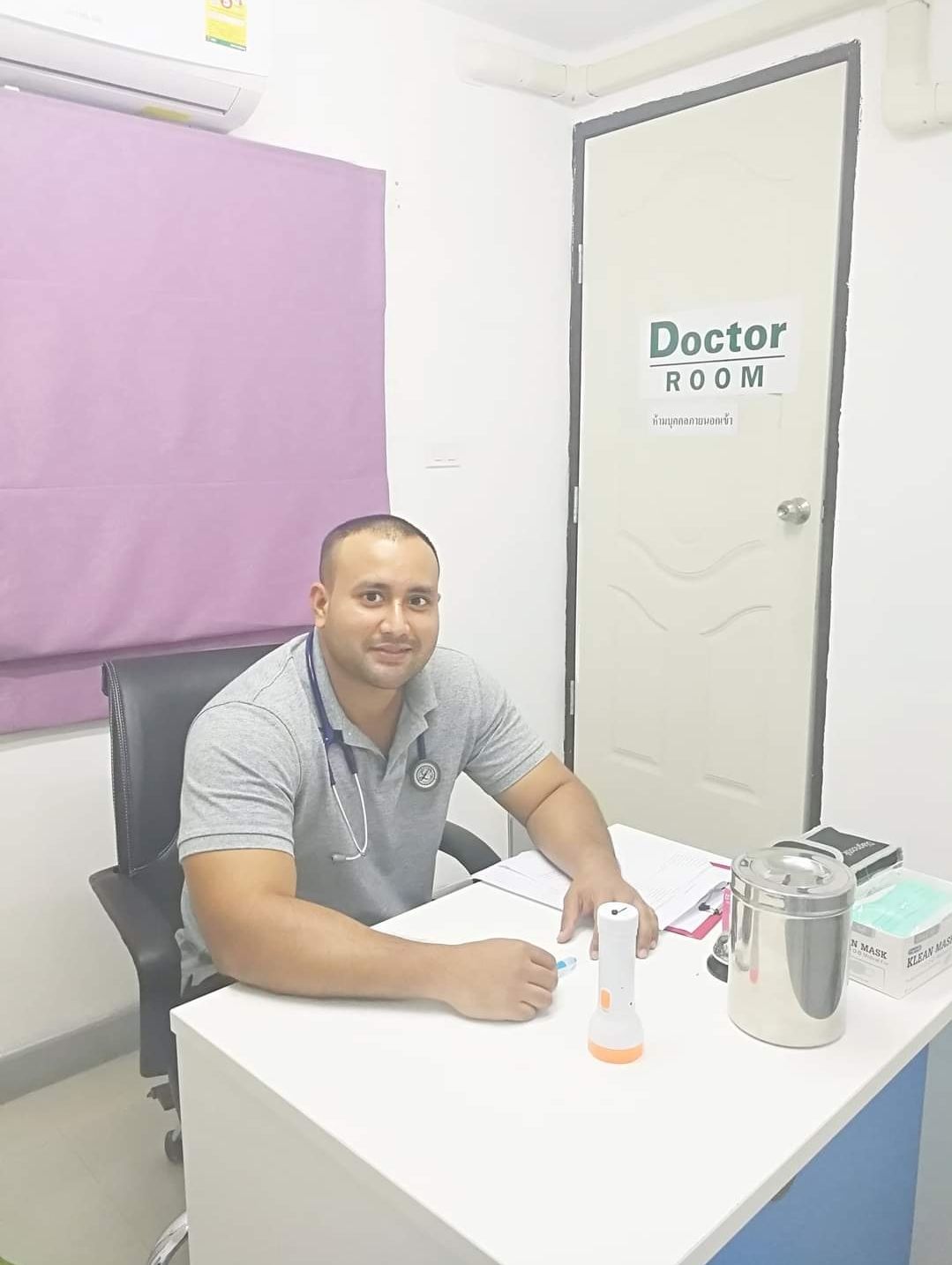
Dr. Ponlawat Pitsuwan is a physician at Doctor Bangkok, a private clinic in central Bangkok. He sees expats, residents, and medical tourists for general medicine, wellness consultations, and IV therapy. His focus is straightforward, evidence-based care delivered in plain language.