
Clinically reviewed by Dr. Ponlawat Pitsuwan, Physician, Doctor Bangkok.
Last reviewed: November 2026
GLP-1 medicines like semaglutide and tirzepatide cause weight loss that includes both fat and some lean muscle. The proportion of muscle lost depends on how fast you lose weight, how much protein you eat, and whether you do resistance training. With the right approach, most of this muscle loss is preventable.
Your weight is dropping on your GLP-1 medicine and the number on the scale looks good. But your arms look thinner, your gym performance has slipped, and you feel weaker than you expected. That gap between what the scale shows and what your body actually looks like is the thing most people on these medicines do not anticipate.
GLP-1 receptor agonists, the class that includes semaglutide (Ozempic, Wegovy) and tirzepatide (Mounjaro), are effective at reducing body weight. The evidence is clear on that. What the evidence also shows is that a portion of the weight lost is lean mass, not just fat. How large that portion is depends on factors you and your clinician can directly influence. This article covers what those factors are and what you can do about them in Bangkok right now.
Why Scale Weight Does Not Show the Full Picture of GLP-1 Muscle Loss
A kilogram lost on the scale could be fat, muscle, water, or some combination of all three. Most people on GLP-1 medicines lose primarily fat, which is the goal. But clinical trials of semaglutide and tirzepatide consistently show that lean body mass also decreases during active weight loss phases.
The concern is not just how you look. Losing significant muscle reduces strength, slows your resting metabolism, and raises your long-term risk of sarcopenia, the gradual muscle loss that becomes harder to reverse with age. For expats in Bangkok who are older, already lean, or eating very little, that risk is higher than average.
Two people can lose the same number of kilograms on the same medicine and have completely different body composition outcomes depending on their protein intake and activity level. The number that matters is not just how much you lost, but what you lost.
How Appetite Suppression Drives Muscle Loss
GLP-1 medicines suppress appetite significantly. That is the mechanism behind the weight loss. But it also means many patients are eating far less than they realise, sometimes falling below the protein their body needs to maintain muscle tissue.
When you are in a significant caloric deficit, your body draws on stored energy. It will use fat preferentially, but under sustained restriction it will also break down muscle. The rate of weight loss matters here. Faster loss is associated with a higher proportion of lean mass going alongside fat.
If you are losing weight very quickly on your current dose, slowing the rate of loss by adjusting titration is a clinical option your prescribing doctor can use. A moderate, steady pace is better for muscle preservation than pushing how fast the scale drops. This is a conversation worth having at every follow-up, not just at the start of treatment.
Protein Intake and Resistance Training on GLP-1 Therapy
Protein is the primary nutritional tool for preserving lean mass during weight loss. Current evidence supports higher protein intakes during caloric restriction, though exact targets vary by individual. A clinician can set a personalised daily goal based on your body weight, age, and rate of loss.
Distribution matters as much as the daily total. Appetite suppression can push you toward one or two large meals. That leaves long gaps without a meaningful protein stimulus to muscle tissue. Spreading intake across smaller meals, each containing a leucine-rich source such as eggs, chicken, fish, or dairy, gives your muscles a more consistent signal throughout the day.
Resistance training is the other half of this. Two to three sessions per week of compound movements, exercises that work multiple muscle groups at once such as squats, rows, and presses, give your body a reason to hold onto muscle even in a caloric deficit. Creatine supplementation has a reasonable evidence base for supporting muscle mass and strength during resistance training, though discuss it with your doctor before starting. Bangkok has no shortage of gyms along Sukhumvit, and most hotels in the area have equipment sufficient for a basic programme.
Getting Enough Protein on a Thai Diet
This is the gap that matters if you are eating out every day in Bangkok. Thai food is genuinely good for lean protein if you know what to order. But the default meal structure is carbohydrate-forward: rice or noodles as the base, with protein as a smaller component on the side.
When appetite suppression is already cutting your total intake, a small portion of gai yang over a large plate of rice may not get you where you need to be. The practical fix is to order extra protein sides deliberately. An additional egg dish, extra fish, tofu, or lean pork works well. Many convenience stores near BTS stations also stock Greek yoghurt and protein-fortified drinks that can fill gaps between small meals.
If you are relying on Thai takeaway and struggling to hit your protein target, a protein powder added to a morning drink is a reasonable supplement. It is not a replacement for food. Talk to your clinician about what a realistic daily target looks like for your body weight and activity level before choosing a product. You can also read more about protein on GLP-1 at Doctor Bangkok’s GLP-1 guide.
Body Composition Monitoring During GLP-1 Treatment
Scale weight and BMI give you an incomplete picture. Body composition testing tells you whether the weight you are losing is predominantly fat or muscle. Two methods are used in clinical practice in Bangkok: DEXA scan, available at select private hospitals, and bioelectrical impedance analysis (BIA), which can be done during a routine private clinic consultation.
DEXA is more precise. BIA is more accessible and faster. Both are significantly more informative than the scale alone. Checking every eight to twelve weeks during active weight loss gives your clinician useful data. If lean mass is dropping faster than expected, that is a signal to adjust protein targets, slow the titration schedule, or increase resistance training before the loss becomes significant.
At Doctor Bangkok, we can advise on body composition monitoring as part of your GLP-1 follow-up. If you are unsure whether what you are losing is fat or muscle, that question has a testable answer.
Working With Your Clinician on Dose, Rate, and Long-Term Muscle Health
Doctor-supervised GLP-1 therapy is different from obtaining these medicines without clinical oversight. A prescribing clinician can adjust your dose titration based on how fast you are losing weight, review your protein intake against body composition results, and catch disproportionate lean mass loss before it becomes harder to reverse.
If you are an expat in Bangkok and your GLP-1 prescription was started elsewhere, or you picked it up without a formal review, a follow-up consultation is worth doing. GLP-1 medicines are not suitable for everyone. They are contraindicated in people with a personal or family history of medullary thyroid carcinoma or Multiple Endocrine Neoplasia syndrome type 2. Anyone who develops severe abdominal pain while on these medicines should seek medical attention promptly, as acute pancreatitis has been reported with GLP-1 receptor agonists. The medicine works. The question is whether it is working in a way that preserves your muscle alongside your waistline. Those are two different outcomes and they do not always come together automatically.
Our doctor-on-call service can come to your hotel or condo anywhere in Bangkok if a clinic visit does not fit your schedule. GLP-1 follow-up, protein targets, body composition review, and dose discussion can all happen in a single consultation. Our walk-in clinic on Sukhumvit Soi 13 is open around the clock. For a full overview of our weight management service, visit our weight-loss injections page.
Concerned about GLP-1 muscle loss in Bangkok? Doctor Bangkok offers GLP-1 consultations, protein and body composition review, and dose titration advice at our walk-in clinic on Sukhumvit Soi 13. Our doctor-on-call service comes to your hotel or condo within one hour, any time of day or night. Walk in anytime or book a consultation.
Frequently Asked Questions
Dr. Ponlawat Pitsuwan
Physician, Doctor Bangkok
a private medical clinic in central Bangkok open 24 hours, seven days a week, with a doctor-on-call service that comes to your hotel or condo within one hour. He sees expats, residents, and medical tourists for GLP-1 therapy, weight management, and body composition monitoring. His focus is straightforward, evidence-based care delivered in plain language.
References
- Wilding JPH, et al. Once-Weekly Semaglutide in Adults with Overweight or Obesity. New England Journal of Medicine, 2021.
- Jastreboff AM, et al. Tirzepatide Once Weekly for the Treatment of Obesity. New England Journal of Medicine, 2022.
- Cava E, Yeat NC, Mittendorfer B. Preserving Healthy Muscle during Weight Loss. Advances in Nutrition, 2017.
- Morton RW, et al. A systematic review, meta-analysis and meta-regression of the effect of protein supplementation on resistance training-induced gains in muscle mass and strength in healthy adults. British Journal of Sports Medicine, 2018.
- Bikou A, et al. Body composition changes during weight reduction with tirzepatide in the SURMOUNT-1 study of adults with obesity or overweight. Diabetes, Obesity and Metabolism, 2024.
- U.S. Food and Drug Administration. Ozempic (semaglutide) Prescribing Information. FDA, 2025.
The information in this article is for educational purposes only and does not constitute medical advice. It should not be used to self-diagnose or replace a consultation with a qualified physician. If you have concerns about your health, contact a licensed medical professional. For appointments at Doctor Bangkok, visit doctorbangkok.co.th.
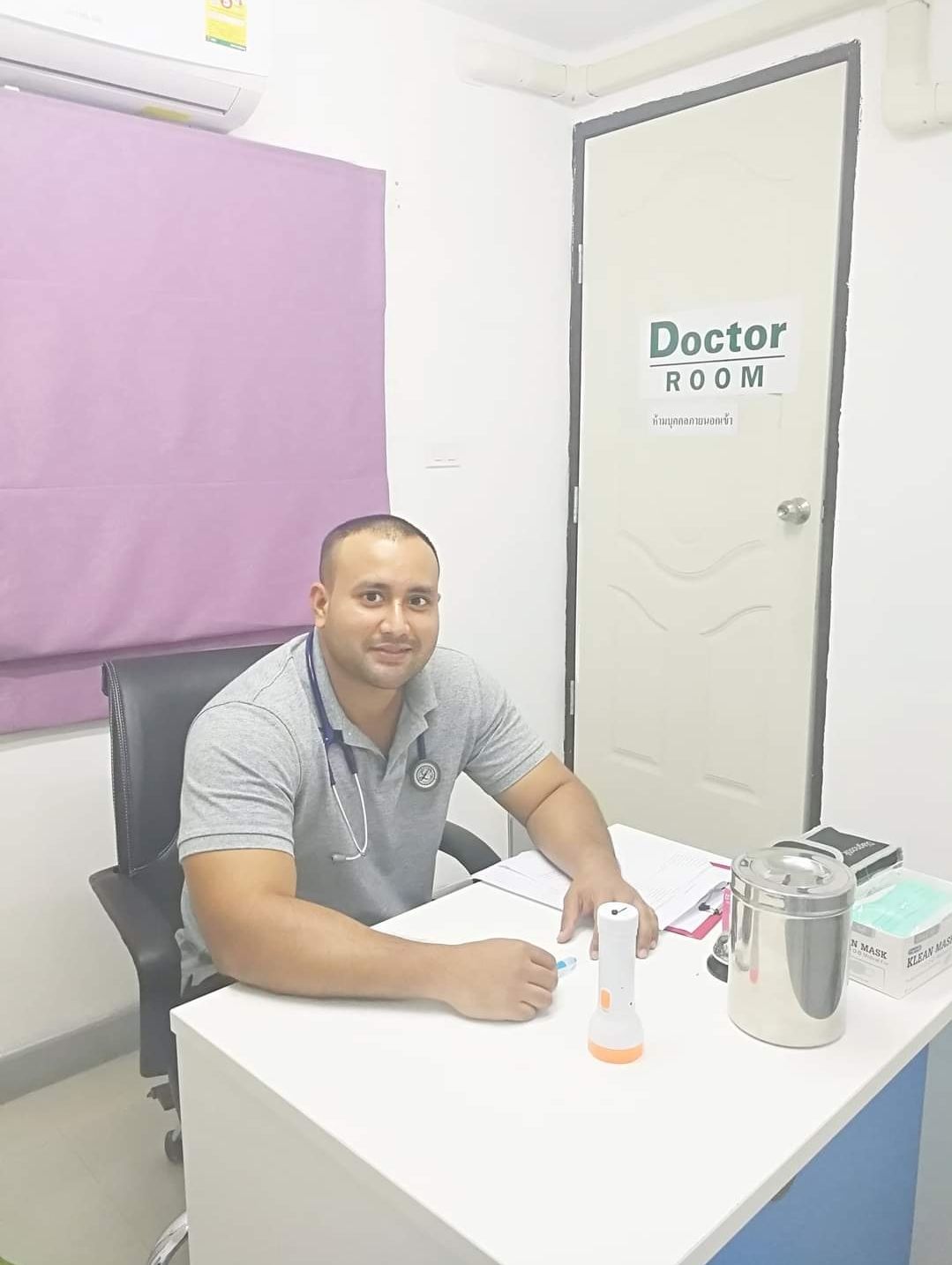
Dr. Ponlawat Pitsuwan is a physician at Doctor Bangkok, a private clinic in central Bangkok. He sees expats, residents, and medical tourists for general medicine, wellness consultations, and IV therapy. His focus is straightforward, evidence-based care delivered in plain language.