
Clinically reviewed by Dr. Ponlawat Pitsuwan, Physician, Doctor Bangkok. Last reviewed: July 2026
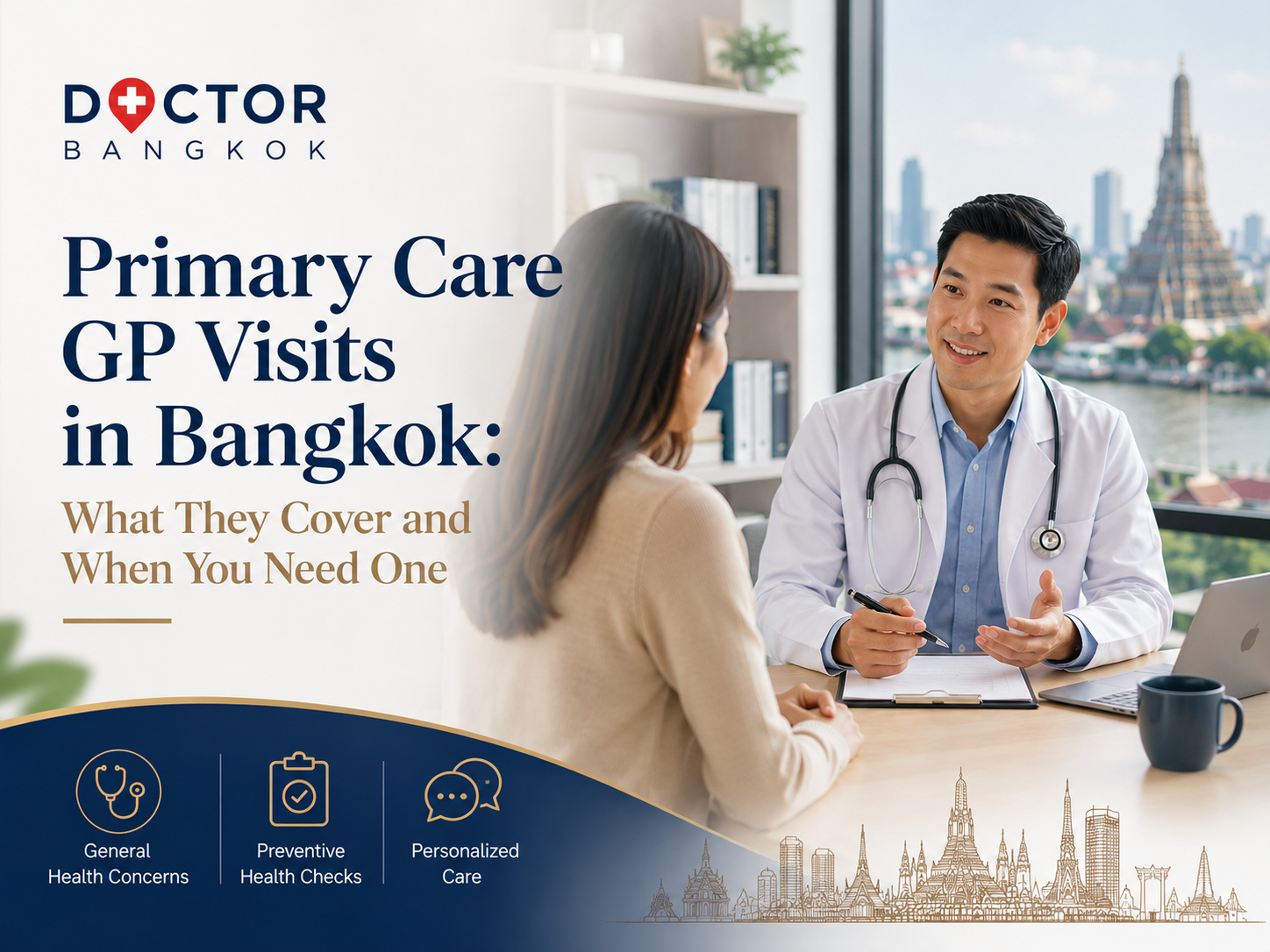
A primary care GP visit in Bangkok covers far more than most people expect. Your doctor handles acute illness, prescription refills, chronic disease monitoring, mental health concerns, and referrals, all in one appointment. If you are an expat or visitor in Bangkok, starting with a GP is almost always faster, cheaper, and more efficient than going straight to a hospital.
You woke up feeling off. Maybe it is a fever that has not broken in two days. Maybe you just moved to Bangkok and need your blood pressure medication refilled. Maybe you have not felt quite right since arriving and you are not sure where to start. Whatever brought you here, you need a doctor who speaks your language and can actually help, not a two-hour hospital queue that ends with three separate specialist appointments.
That is what a primary care GP is for. In Bangkok, the private GP system works well once you know how to use it. This article explains what a GP visit covers, when you need one versus when you need a hospital, and what to expect at your first appointment.

What Does a Primary Care GP Visit Actually Cover?
More than most people realise. A GP visit is not just for colds.
Your doctor checks your vitals, takes a full history, asks about your symptoms and medications, and goes from there. Acute illness is the most common reason people come in: fever, throat infection, skin rash, urinary infection, stomach trouble, respiratory symptoms. Your GP works out what is going on, orders tests if needed, and starts treatment.
Chronic disease management is just as central. If you have diabetes, high blood pressure, thyroid disease, or asthma, your GP monitors your results over time and adjusts medications. You do not need a specialist for this in the first instance. It is exactly what a GP is trained for.
Prescription refills are a common reason expats come in, especially in the first weeks after relocating. Your GP reviews your medications, confirms the right doses, and issues a local prescription. Some medication brand names differ here in Thailand, so having a doctor guide that process matters.
Mental health is part of GP care too. Relocation stress, sleep problems, anxiety, and burnout are genuinely common in the expat population. Your GP can screen for these, offer support, and refer you to a psychiatrist or psychologist if needed. You do not need to go looking for a specialist on your own.
Preventive care rounds out what a GP does. That might mean a general blood panel, an STI screen, or travel health advice before a trip upcountry. At Doctor Bangkok, on-site diagnostics mean most blood results come back quickly, without sending you to an external lab.
GP vs Hospital in Bangkok: Which One Do You Actually Need?
This is one of the questions I get asked most often. And the honest answer is: for the vast majority of situations, a GP is the right first call.
Bangkok’s private hospitals are excellent. But they are also large, expensive, and built around specialist departments. Walking in with a fever or a UTI means going through a system that was not designed for your problem. You will likely wait longer and pay more than you would at a private GP clinic.
A GP handles fever, infections, abdominal pain, skin conditions, respiratory illness, joint pain, headache, fatigue, anxiety, medication management, and most routine health concerns. If you need a specialist, your GP will refer you and tell you exactly where to go.
Go straight to a hospital emergency department for chest pain that might be cardiac, suspected stroke, severe allergic reaction, major trauma, loss of consciousness, or breathing that is getting rapidly worse. These are genuine emergencies. Everything else, start with a GP.

Bangkok-Specific Health Concerns Your GP Should Know About
Living in Bangkok means your health picture looks a little different than it did back home. A good GP here understands that.
Dengue fever circulates year-round, with peaks in the rainy season. If you have a high fever, bone pain, a rash, or a bad headache after time in Bangkok or elsewhere in Thailand, dengue needs to be on the list. Do not wait on dengue. I have seen patients put it off for days, and that is when things get complicated. Doctor Bangkok has same-day dengue testing available, which matters when timing is everything.
Heat illness catches many new arrivals off guard. Bangkok’s humidity can push your body hard, especially in the first few weeks. Dehydration, heat exhaustion, and electrolyte imbalance are common. Your GP can assess and treat these quickly, including with IV hydration if needed.
Food-borne illness is another frequent problem. Bangkok street food is excellent, but your gut needs time to adjust, and not every stomach episode is simple adjustment. Salmonella, Campylobacter, and Giardia all show up here. Your GP can run the right tests and give you targeted treatment.
Air quality is a real concern, particularly for patients with asthma or allergies. If you have noticed more respiratory symptoms since arriving, your GP can assess whether air quality is a factor and help manage it.
If you are heading to rural areas, northern provinces, or border regions, tell your GP before you go. Malaria prevention, hepatitis A and B vaccination status, and typhoid cover all need to be checked. Doctor Bangkok’s travel health service works alongside primary care, so your GP can coordinate this in a single visit.
Why Expats in Bangkok Need a Regular GP, Not Just a Walk-In Doctor
Walk-in access is important, and we offer it. But there is a real difference between a one-off consultation and having a GP who actually knows you.
When you have a regular GP, your results go somewhere that means something. Your doctor can see that your blood pressure has been creeping up across three visits, or that your fatigue is not improving. They notice patterns a fresh set of eyes never would. This is called continuity of care, and it genuinely changes outcomes over time.
For expats managing chronic conditions, this matters even more. Moving countries already disrupts your medical history. Having a GP in Bangkok who holds your records, monitors your results, and coordinates referrals gives you the same quality of ongoing care you had at home.
I see a lot of patients who have been in Bangkok for six months or more and have never established care anywhere. They come in when something is wrong. That works, but it is not ideal. If you are here for more than a few weeks, finding your GP now rather than when you are sick is worth doing.
Insurance, Costs, and What to Bring to Your Appointment
Most international health insurance and travel insurance policies cover private GP consultations in Bangkok. You pay at the clinic, and your insurer reimburses you. To make that work, you need an itemised receipt that breaks down the consultation fee, any tests, and medications separately. Doctor Bangkok provides itemised receipts as standard.
Some insurers offer direct billing, where the clinic bills them directly and you pay nothing upfront. Check your policy before your visit. Bring your insurance card or policy details to the appointment.
For your first visit, bring a list of your current medications with dosages, any recent blood test results from home, details of known allergies, and your passport or ID. If you have none of this, do not let that stop you from coming in. Your GP will take a full history at the first appointment. If you are on a medication you cannot find at a Thai pharmacy, note the generic name as well as the brand. Your GP can usually find an equivalent available locally.
Primary Care at Doctor Bangkok
Doctor Bangkok is a private medical clinic at Sukhumvit Soi 13, five minutes from BTS Nana and about seven minutes from BTS Asok. We are open 24 hours, seven days a week, with no appointment required.
Our English-speaking physicians see expats, residents, and visitors for everything from acute illness to ongoing chronic care. If you need a specialist, we handle the referral and make sure you go to the right person. You can find full details about our primary care GP services on our website.
Need to see a GP in Bangkok today? Doctor Bangkok is open 24 hours at Sukhumvit Soi 13, no appointment needed. We see expats and visitors for everything from fever and infections to prescription refills and chronic disease management. Walk in any time, or visit doctorbangkok.co.th to learn more about our primary care and diagnostics services.
FAQ
Do I need an appointment to see a GP at Doctor Bangkok, or can I walk in?
No appointment needed. Doctor Bangkok is open 24 hours, seven days a week, and you can walk in any time. We are at Sukhumvit Soi 13, about five minutes from BTS Nana. Same-day GP access is one of the real advantages of a private clinic over a large hospital system.
Will my travel insurance or international health insurance cover a GP visit in Bangkok?
Most international travel and health insurance policies cover private GP consultations in Bangkok. Doctor Bangkok provides itemised medical receipts that work for insurance reimbursement claims. Check whether your insurer offers direct billing, and bring your policy details to the appointment.
What is the difference between seeing a GP and going straight to a Bangkok hospital?
A GP handles the vast majority of acute and chronic health concerns faster and at lower cost than a hospital. Fever, infections, chronic condition monitoring, prescription refills, and routine health checks all sit squarely with a GP. Go to a hospital emergency department for chest pain, suspected stroke, major trauma, or rapidly worsening breathing. Your GP will tell you if you need a specialist and refer you directly.
Can a GP in Bangkok manage my ongoing prescription or chronic condition from back home?
Yes. Your GP can review your current medications, issue local prescriptions where clinically appropriate, and monitor ongoing conditions including hypertension, diabetes, and thyroid disorders. Bring a list of your medications with dosages, and note generic names where possible, since some brand names differ in Thailand.
What should I bring to my first GP visit in Bangkok?
Bring a list of current medications and dosages, recent blood test results if you have them, any known allergy details, and your passport or ID. Travel or health insurance policy details are useful for billing. If you have none of this, come anyway. Your GP will take a full history at the first appointment.
Can a GP help with dengue fever or other tropical illnesses in Bangkok?
Yes, and this is exactly where having a Bangkok-based GP matters. Your doctor knows the local disease picture, including dengue, food-borne illness, heat exhaustion, and respiratory conditions linked to air quality. Doctor Bangkok has same-day dengue testing available. If you have a fever that has not settled, come in rather than waiting.
Dr. Ponlawat Pitsuwan
Physician, Doctor Bangkok
a private medical clinic in central Bangkok. He sees expats, residents, and medical tourists for primary care, acute illness, chronic disease management, and travel health. His focus is straightforward, evidence-based care delivered in plain language.
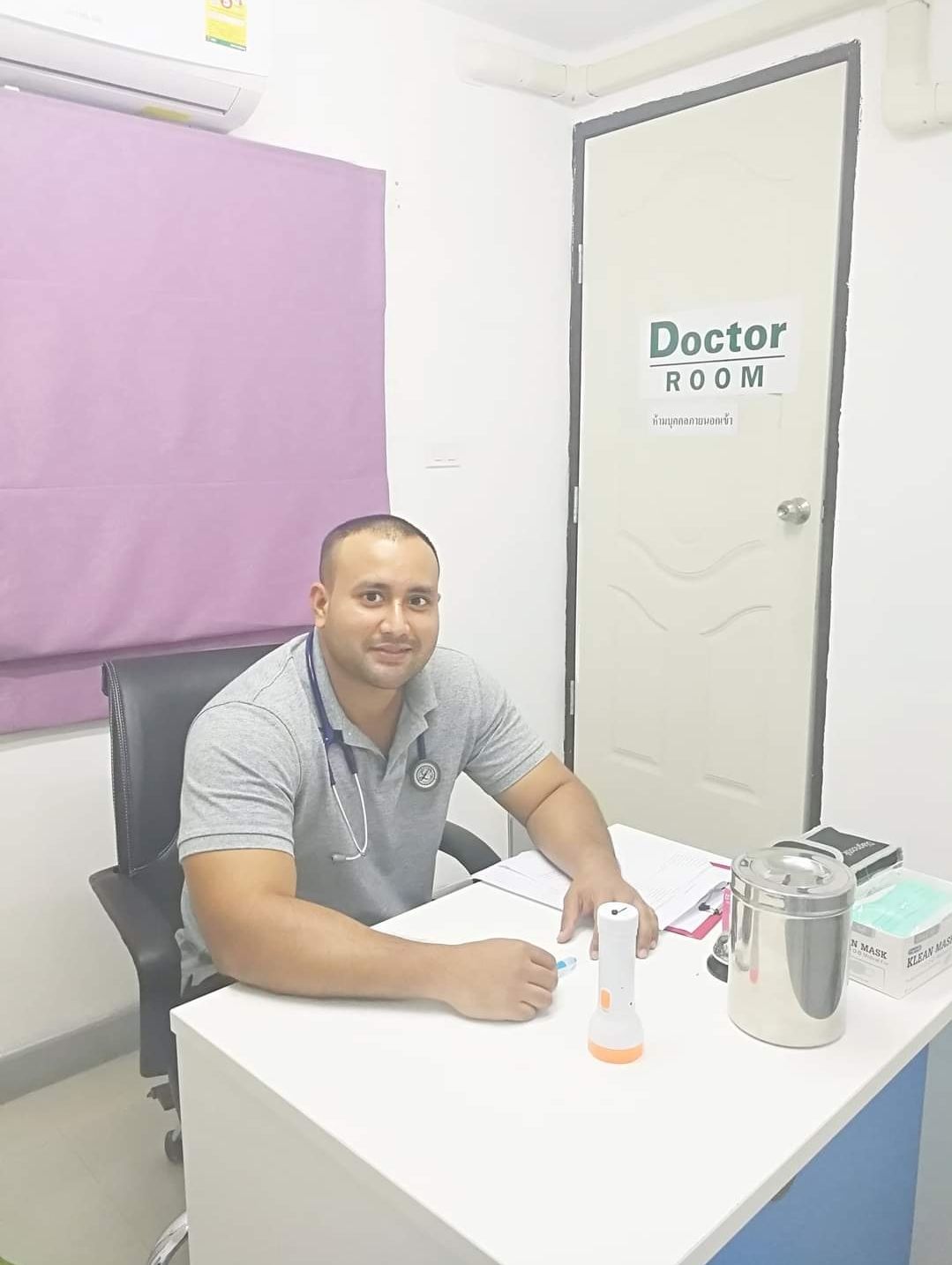
Dr. Ponlawat Pitsuwan is a physician at Doctor Bangkok, a private clinic in central Bangkok. He sees expats, residents, and medical tourists for general medicine, wellness consultations, and IV therapy. His focus is straightforward, evidence-based care delivered in plain language.