

Clinically reviewed by Dr. Ponlawat Pitsuwan, Physician, Doctor Bangkok.
Last reviewed: November 2026
A concussion is a mild traumatic brain injury caused by a blow or jolt to the head. Symptoms include headache, confusion, dizziness, nausea, and sensitivity to light or noise. Some symptoms appear immediately; others develop hours later. If you are unsure whether your symptoms are serious, get a clinical assessment the same day, not tomorrow.
You are checking your phone between meetings, your head is throbbing, and you are trying to decide if the fall an hour ago actually matters. That is exactly when people get this wrong. A head injury that feels minor right now can change over the next few hours. Knowing what to watch for is the most useful thing you can do in the next five minutes.
Concussion symptoms are easy to dismiss, especially when you feel mostly fine. But the first 24 to 72 hours after a head injury are when things can quietly get worse. Knowing what to look for, and when to act, is what matters here.

Common Concussion Symptoms After a Head Injury
Most concussion symptoms fall into four groups: physical, cognitive, emotional, and sleep-related.
Physical symptoms include headache, dizziness, nausea, vomiting, sensitivity to light, and sensitivity to noise. Your vision may blur. You may feel unsteady on your feet.
Cognitive symptoms include feeling foggy, slow to respond, confused about where you are, or struggling to concentrate. You may not remember the impact or the minutes around it. That memory gap is a classic sign of concussion, not something to explain away.
Emotional and sleep changes get missed most often. Irritability, low mood, and anxiety can follow a head injury. So can sleeping far more than usual, or being unable to sleep at all. If any of these start in the days after a head impact, they are relevant.
Delayed Concussion Symptoms
Not every concussion announces itself immediately. Some symptoms appear hours after the injury, once the adrenaline has settled.
Watch the 72-hour window closely. A headache that starts mild and gets progressively worse is a warning sign, not reassurance. Increasing confusion, repeated vomiting, or unusual sleepiness appearing the next morning can all indicate a developing problem rather than a resolving one.
Post-concussion syndrome is when symptoms persist beyond the expected recovery window. Prolonged headache, difficulty concentrating, fatigue, and mood changes can last weeks. This needs clinical review. Pushing through it makes recovery longer, not shorter.
If you felt fine right after the impact but are now feeling worse, that trajectory matters more than where you started.

Danger Signs That Mean Go Now
Some symptoms after a head injury mean go now, not in the morning.
Get emergency help immediately if you notice a seizure, one pupil larger than the other, weakness or numbness on one side of the body, slurred speech, repeated vomiting that will not stop, loss of consciousness, or confusion that is worsening rather than settling.
These can indicate a brain bleed or blood collecting between the brain and skull. A concussion itself does not show on a CT scan. What imaging looks for is bleeding or pressure, which can develop alongside a concussion and become dangerous if missed.
A neurological assessment checking reflexes, coordination, and mental clarity is the standard first step before any imaging decision. If you also have a scalp wound, wound care in Bangkok can be handled at the same visit as your concussion assessment, without going to two separate places.
If you need guidance on when a head injury requires a hospital rather than a clinic, see our detailed page on when to go to hospital after a head injury.
Alcohol and Head Injuries in Bangkok
This combination does come up. Someone hits their head during a night out and cannot tell how much of what they feel is the alcohol and how much is the injury.
The honest answer is that you cannot reliably separate the two. Alcohol and concussion share many symptoms: dizziness, nausea, confusion, slowed thinking. When both are present, a worsening bleed can go unnoticed because the symptoms are attributed to drinking.
If you are already on anticoagulant medication such as warfarin or a blood thinner, a head injury carries a higher risk of intracranial bleeding and needs prompt clinical assessment regardless of how minor the impact felt. Anyone on blood thinners who hits their head needs a clinical assessment regardless of how minor the impact felt.
Avoid alcohol after a concussion. It impairs neurological recovery and removes your ability to monitor your own symptoms accurately.
Recovery and Returning to Sport After Concussion
Most adults with a concussion recover fully with physical and cognitive rest. Cognitive rest means limiting screen time, reading, and mentally demanding work while symptoms are present. Powering through a full workday on a laptop is not rest.
For pain, take paracetamol, sold as Panadol at pharmacies across Bangkok. Avoid ibuprofen and aspirin in the days immediately after a head injury. Both can increase bleeding risk and may mask symptom changes you need to notice.
Return to sport follows a staged protocol. You do not go from rest to full training. Each stage adds load gradually, and any return of symptoms means stepping back. For contact sports including Muay Thai, returning before you are fully cleared carries a specific risk: a second concussion before the first has resolved can cause rapid brain swelling. It is rare but serious.
If your travel insurance covers medical consultations in Bangkok, Doctor Bangkok’s walk-in clinic can provide a written concussion assessment for insurance or sport clearance purposes. Our clinic also works directly with travel insurance providers. See how cashless treatment with travel insurance works at our Sukhumvit clinic.
Not sure if your symptoms are serious? Doctor Bangkok is open 24/7 at Trendy Office, Sukhumvit Soi 13. If you cannot travel, our doctor-on-call service comes to your hotel or condo anywhere in Bangkok. We assess symptoms, perform a neurological check, advise on imaging if needed, and handle scalp wounds at the same visit. Contact us any time, day or night.
Frequently Asked Questions
Dr. Ponlawat Pitsuwan
Physician, Doctor Bangkok
a private medical clinic in central Bangkok open 24/7, with a doctor-on-call service that comes to your hotel or condo within one hour. He sees expats, residents, and medical tourists for head injuries, neurological assessment, wound care, and general acute medical concerns. His focus is straightforward, evidence-based care delivered in plain language.
References
- Stiell IG, Wells GA, Vandemheen K, et al. The Canadian CT Head Rule for patients with minor head injury. Lancet. 2001;357(9266):1391-1396.
- MDCalc. Canadian CT Head Injury/Trauma Rule.
- Centers for Disease Control and Prevention. Traumatic Brain Injury and Concussion.
- McCrory P et al. Consensus statement on concussion in sport — the 5th international conference on concussion in sport held in Berlin, October 2016. British Journal of Sports Medicine 2017;51(11):838-847.
- National Institute for Health and Care Excellence. Head injury: assessment and early management. Clinical guideline CG176. NICE, 2023.
- BC Guidelines. Concussion / Mild Traumatic Brain Injury (mTBI). Province of British Columbia, effective September 2024.
The information in this article is for educational purposes only and does not constitute medical advice. It should not be used to self-diagnose or replace a consultation with a qualified physician. If you have concerns about your health, contact a licensed medical professional. For appointments at Doctor Bangkok, visit doctorbangkok.co.th.
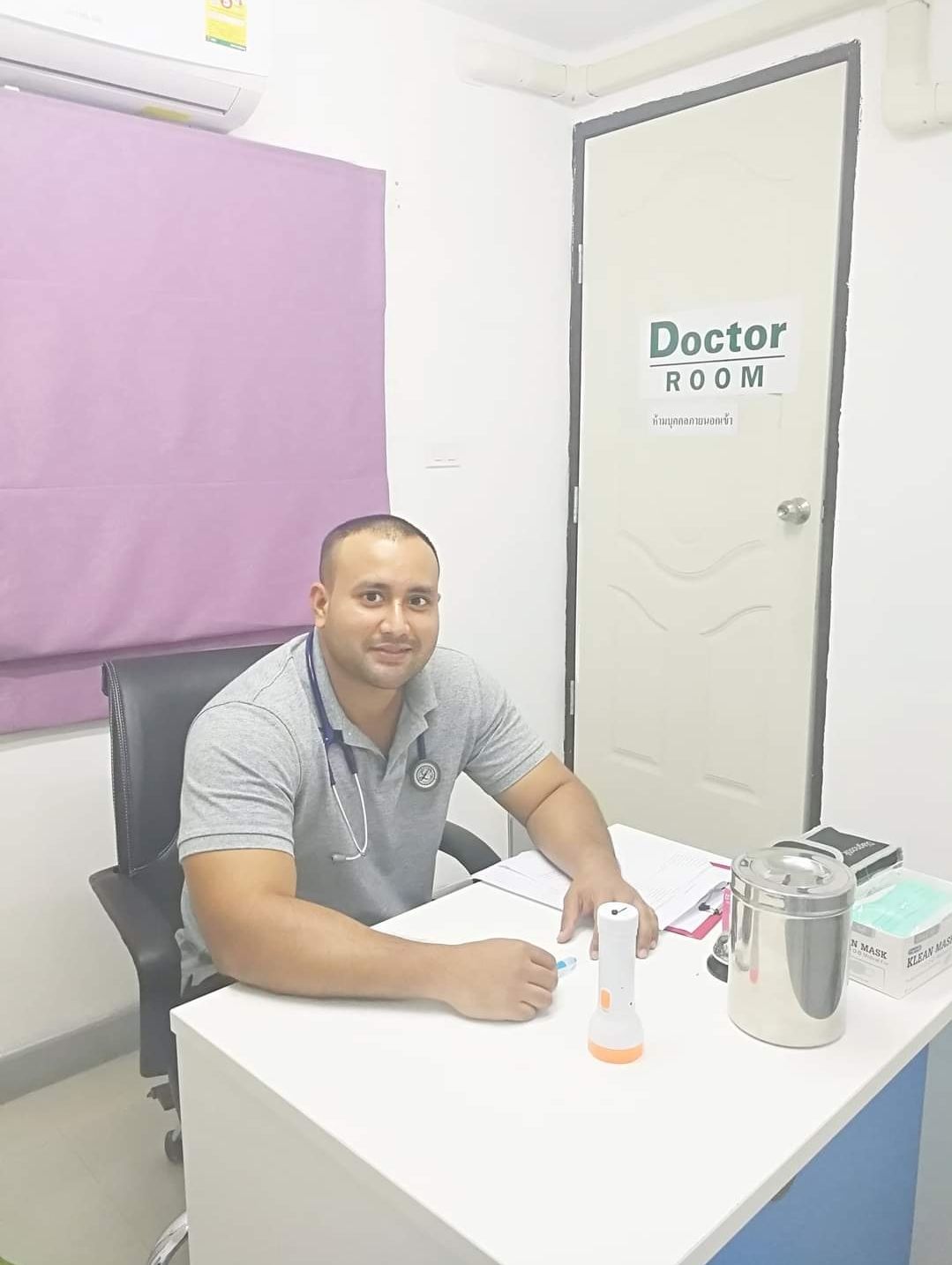
Dr. Ponlawat Pitsuwan is a physician at Doctor Bangkok, a private clinic in central Bangkok. He sees expats, residents, and medical tourists for general medicine, wellness consultations, and IV therapy. His focus is straightforward, evidence-based care delivered in plain language.