
Clinically reviewed by Dr. Ponlawat Pitsuwan, Physician, Doctor Bangkok.
Last reviewed: November 2026
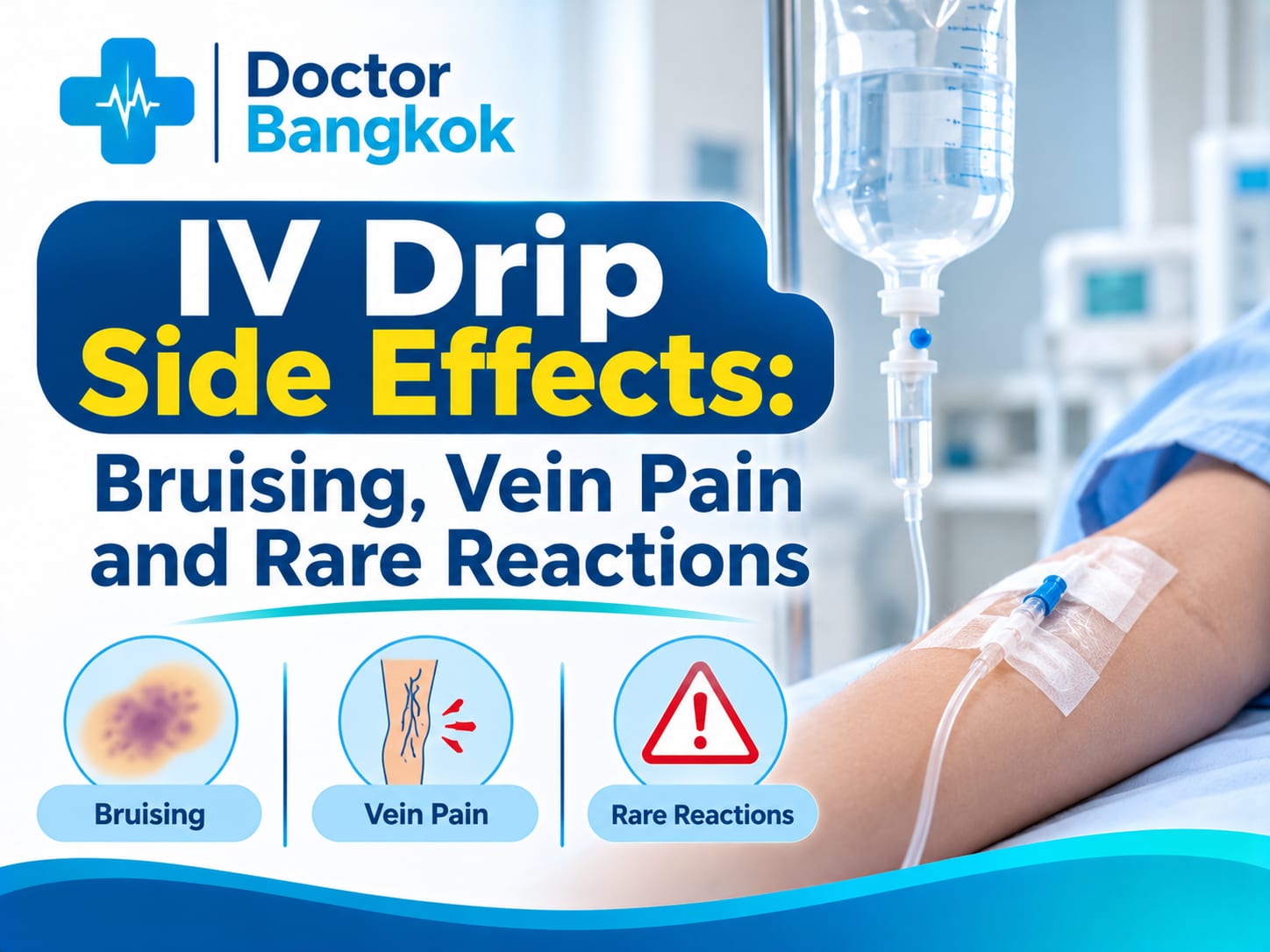
Most IV drip side effects are minor and short-lived: bruising at the needle site, mild vein soreness, or slight swelling that settles within a day or two. Serious reactions such as phlebitis, infection, or anaphylaxis are rare but do happen, and they are more likely when an IV is placed or monitored by someone without clinical training. Knowing what is normal and what needs attention makes all the difference.
You woke up with a bruise on your arm after last night’s IV drip. The site is a little tender. Maybe it looks more swollen than you expected. Most of the time, that is completely normal after a needle goes into a vein, and it will settle on its own.
What you actually need to know is when it stops being normal. A bruise that spreads, a site that becomes hot and red, or any symptom during the drip that feels wrong: those are the signals worth acting on. This article covers what to expect, what to watch, and what to do if something does not look right, whether you had your drip at a clinic or in your hotel room.
Common IV Drip Side Effects
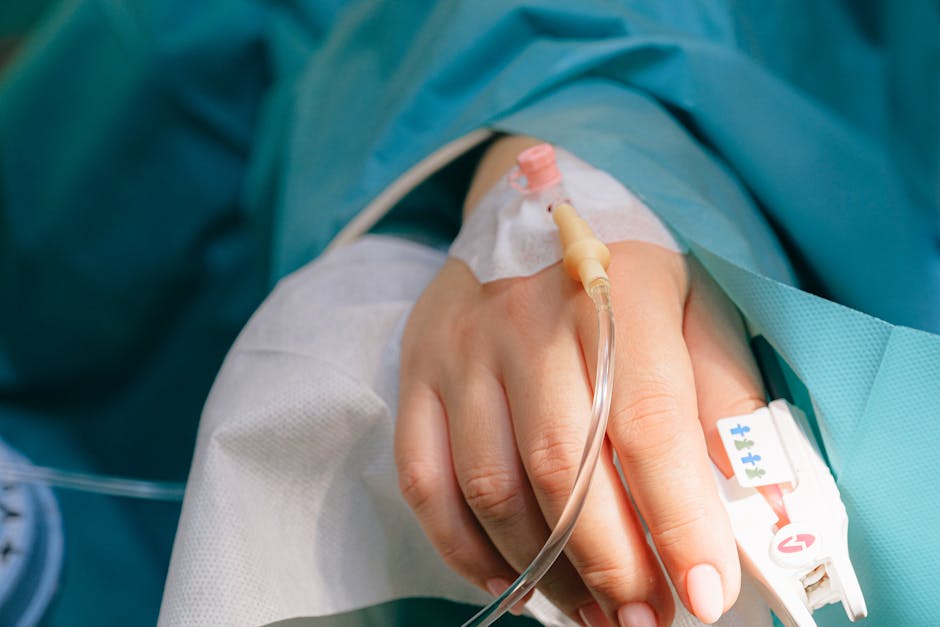
The most common side effects happen at the insertion site. Mild bruising, slight swelling, and a dull ache along the vein are all typical after a peripheral IV catheter is placed in your arm or hand. They usually settle within 24 to 48 hours.
Feeling a cold sensation moving up your arm during the drip is also normal. It is just the fluid entering your bloodstream. Some people feel briefly lightheaded or mildly nauseous, particularly if the infusion runs fast or they have not eaten beforehand.
The drip formula matters here. NAD+ therapy is known to cause nausea, chest pressure, and chest tightness during infusion more often than a standard hydration drip. High-dose vitamin C can cause nausea, which is often linked to the infusion rate and total dose. If you start feeling unwell during either, tell whoever is with you immediately. Slowing the infusion rate usually resolves it. This is one reason a qualified doctor, not just a technician, should be present throughout.
Bruising and Swelling at the Insertion Site
Bruising after an IV happens when a small amount of blood leaks into the tissue as the cannula is inserted or removed. It looks worse than it is. A firm collection of blood under the skin is called a haematoma. Most haematomas resolve fully within one to three weeks.
Swelling at the site sometimes means IV fluid has leaked outside the vein into surrounding tissue. This is called infiltration. It is not dangerous with standard saline or vitamins, but it can be uncomfortable. A warm compress applied gently a few hours after the drip helps the body absorb any pooled fluid.
Some people bruise more than others. If you take blood thinners such as warfarin or aspirin, your bruise will likely be larger and take longer to fade. The same applies if you have fragile or small veins, or if multiple insertion attempts were needed. None of this means something went wrong, but it is worth knowing before your session.

Rare but Serious Reactions to Know About
Phlebitis means inflammation of the vein. The site becomes red, warm, and tender in a line tracking along the vein. Mild phlebitis sometimes develops a day or two after the drip and usually settles with warm compresses and rest. If the redness is spreading, your arm is swelling significantly, or you develop a fever, see a doctor the same day.
Infection at the insertion site is uncommon when sterile technique is used, but it does occur. Pus, expanding redness, increasing warmth, or fever after an IV needs clinical assessment. Do not wait and see with these symptoms.
Anaphylaxis is a severe allergic reaction and it is rare but potentially life-threatening. It can happen within minutes of a drip starting. Signs include sudden hives, throat tightening, difficulty breathing, a drop in blood pressure, or collapse. This is a medical emergency. Stop the drip immediately and call for emergency help.
Fluid overload happens when the volume of IV fluid given is more than your body can handle. It is most relevant if you have heart failure or kidney disease. Symptoms include breathlessness, leg swelling, or a feeling of pressure in the chest. This is why a pre-drip medical consultation matters, not just a quick form to sign.
Electrolyte imbalance is a less common risk with high volumes of a single solution given without prior screening. An imbalance in sodium, potassium, or magnesium can cause muscle cramps, irregular heartbeat, or confusion. If the IV contains compounds that can damage tissue when they leak outside the vein, extravasation carries a small additional risk of local tissue injury.
Who Should Not Have an IV Drip
Read this before you book. If you have heart failure or significant kidney disease, the extra fluid volume may cause problems. If you are pregnant, check with your doctor first. If you are on anticoagulants or have a known clotting disorder, make sure the person placing your IV knows before they start. If you have a G6PD deficiency, tell your doctor before any high-dose vitamin C drip, as it can trigger a serious reaction.
Blood thinners deserve a specific mention. They do not make IV drips impossible, but they do mean your bruising risk is higher and any haematoma will be larger. Disclose your full medication list before any session.
If you are unsure whether IV therapy is safe for your situation, a brief consultation at Doctor Bangkok is the right starting point. The clinic’s doctor-on-call service runs the same pre-drip screen before starting any hotel room IV drip. For a broader overview of how IV therapy is conducted safely, the page on whether IV drips are safe covers pre-treatment screening and available formulas in detail.
Aftercare After an IV Drip
Keep the insertion site clean and dry for a few hours after the drip. If you have a small dressing over it, leave it in place for at least an hour. Avoid vigorous exercise with that arm for the rest of the day, particularly if there is any bruising.
Drink water. IV fluids do not replace normal hydration, and staying well hydrated helps your body process whatever was in the drip. If you had a glutathione drip, follow any specific aftercare instructions given to you by the treating doctor.
Watch the site for the next 24 hours. Mild soreness and faint bruising are expected. Redness spreading beyond the puncture site, increasing warmth, or any fever is not. Those symptoms need a medical consultation, not more time. If you are not able to get to a clinic, Doctor Bangkok’s doctor-on-call service can assess an IV site at your hotel anywhere in Bangkok.
If you are already in Sukhumvit and would rather walk in, the clinic on Sukhumvit Soi 13 is open 24 hours and no appointment is needed.
Had an IV drip and not sure if what you are seeing at the site is normal? Doctor Bangkok is open 24 hours, 7 days a week. Walk in to our clinic on Sukhumvit Soi 13, or book a doctor-on-call visit to your hotel or condo anywhere in Bangkok. A physician will assess the site, treat any reaction, and advise on next steps. Contact us any time, day or night.
Frequently Asked Questions
Dr. Ponlawat Pitsuwan
Physician, Doctor Bangkok
a private medical clinic in central Bangkok open 24 hours a day, 7 days a week, with a doctor-on-call service that reaches your hotel or condo within the hour. He sees expats, residents, and medical tourists for IV drip therapy, general medical consultations, and acute care. His approach is straightforward, evidence-based care delivered in plain language.
References
- Gorski LA et al. Infusion Therapy Standards of Practice, 8th Edition. Journal of Infusion Nursing. 2021 Jan-Feb;44(1S Suppl 1):S1-S224.
- Centers for Disease Control and Prevention. Guidelines for the Prevention of Intravascular Catheter-Related Infections. CDC. 2011.
- Memorial Sloan Kettering Cancer Center. Vitamin C (Intravenous High-Dose): Integrative Medicine. MSKCC, updated 2024.
- Canadian College of Naturopathic Medicine. Intravenous Vitamin C: Patient Resource. CCNM, June 2025.
- Nursing Center / Infusion Nurses Society. Pocket Card: Complications of Peripheral Intravenous Therapy. July 2025.
The information in this article is for educational purposes only and does not constitute medical advice. It should not be used to self-diagnose or replace a consultation with a qualified physician. If you have concerns about your health, contact a licensed medical professional. For appointments at Doctor Bangkok, visit doctorbangkok.co.th.
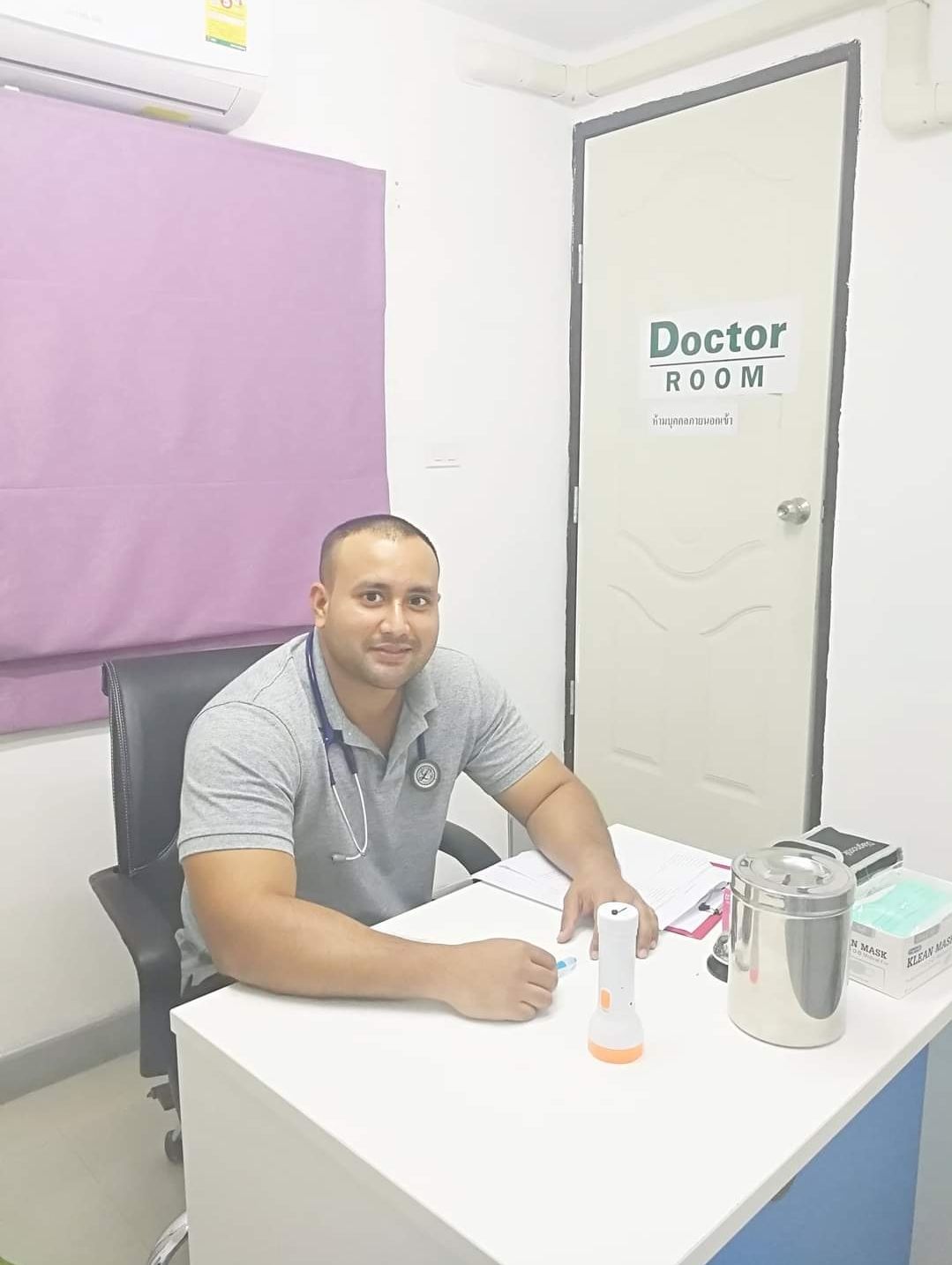
Dr. Ponlawat Pitsuwan is a physician at Doctor Bangkok, a private clinic in central Bangkok. He sees expats, residents, and medical tourists for general medicine, wellness consultations, and IV therapy. His focus is straightforward, evidence-based care delivered in plain language.