
Clinically reviewed by Dr. Ponlawat Pitsuwan, Physician, Doctor Bangkok.
Last reviewed: November 2026
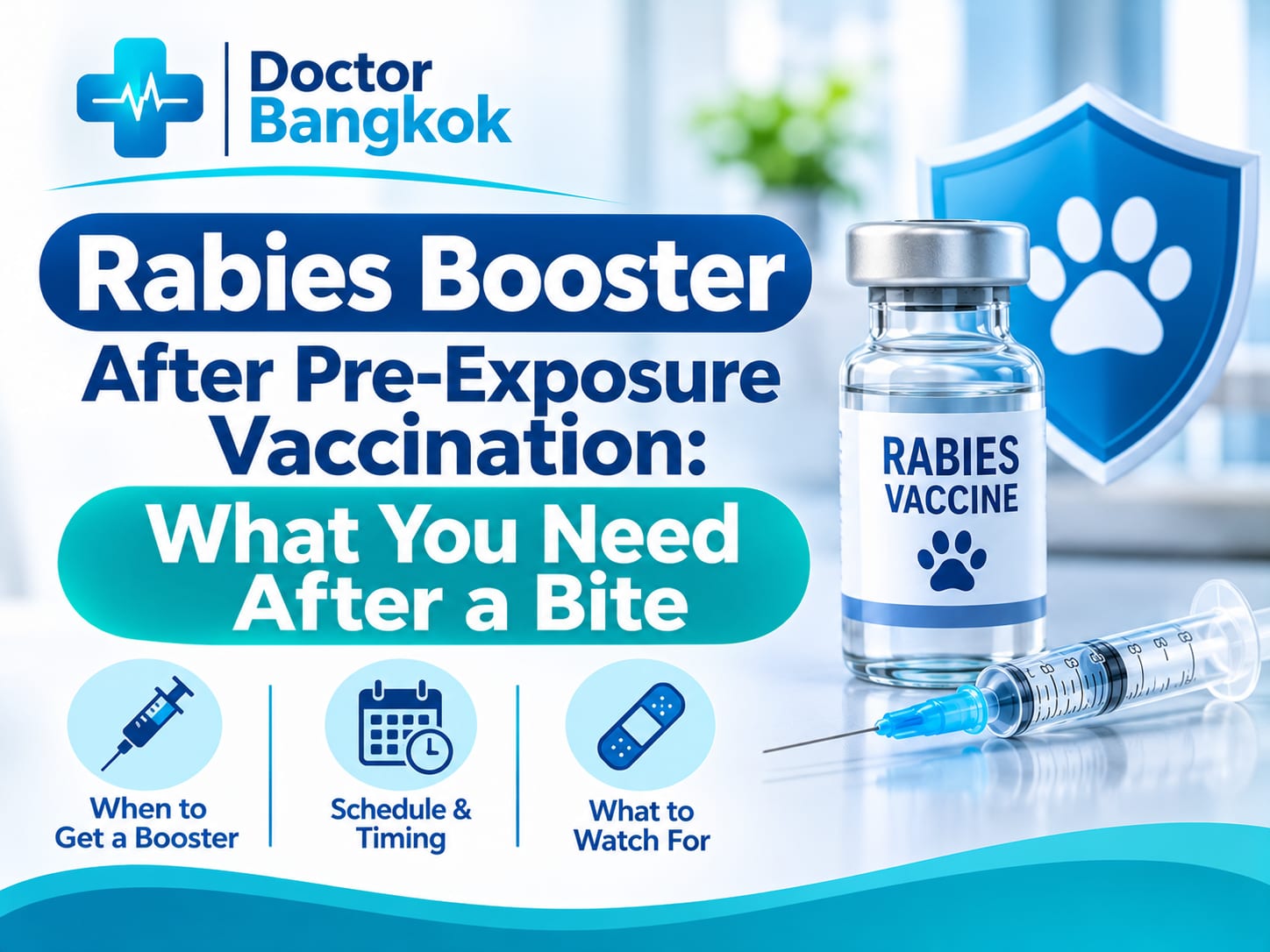
If you have already completed a full pre-exposure rabies vaccination course with a WHO-approved vaccine, a bite or scratch does not mean starting over. You need two booster doses, given on day 0 and day 3, and no rabies immunoglobulin. This only applies if your vaccination was properly documented and completed with an approved vaccine. Without proof, the full post-exposure course applies.
You got bitten. You are on the BTS or back at your hotel, wondering whether your pre-exposure shots still count. They do, but you still need to act today.
Pre-exposure vaccination changes your treatment significantly. Instead of four or five doses plus a rabies immunoglobulin injection, you need just two booster doses. What it does not do is give you a free pass to wait and see. Rabies has no treatment once symptoms begin. Speed still matters, even with prior vaccination.
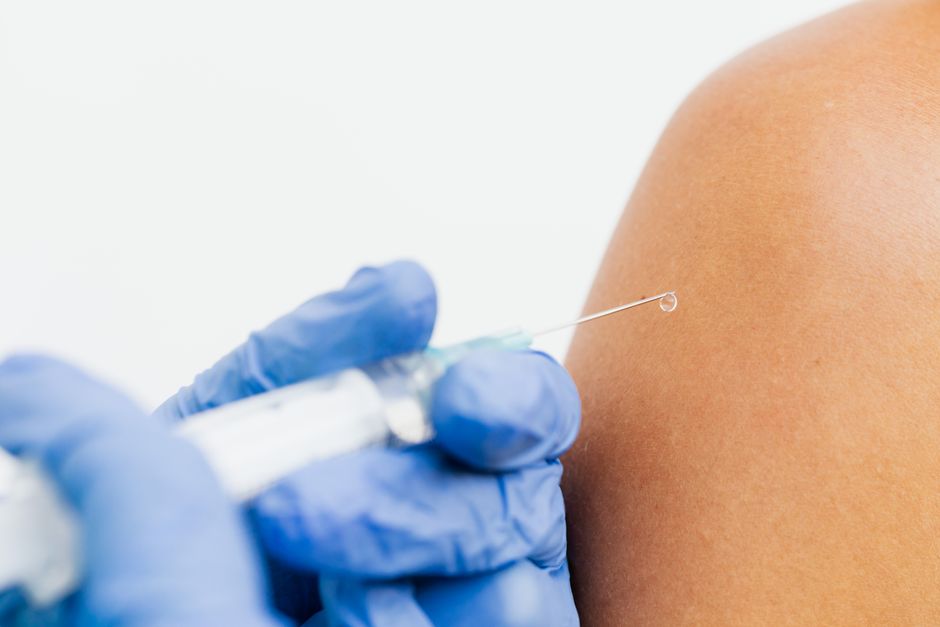
Why You Still Need a Rabies Booster After Pre-Exposure Shots
Your pre-exposure shots primed your immune system. They created immune memory, so your body can respond fast when you need it. After a bite, those memory cells need a signal to activate. The two booster doses are that signal.
Without them, the immune response may not build quickly enough to stop the virus before it reaches your nervous system. This is not a theoretical risk in Bangkok. Street dogs, stray cats, and urban monkeys are common, and their vaccination status is usually unknown.
There is one important exception. If you are immunocompromised, meaning your immune system is weakened by illness or medication, the standard two-dose shortcut may not apply. You may need a full post-exposure course and possibly rabies immunoglobulin even with prior vaccination. Tell the doctor this upfront.
Bites to the head, neck, or face, deep bites, or bites near nerves are treated more urgently regardless of prior vaccination. If your bite falls into this category, do not wait for morning.
What to Do in the First 15 Minutes
Before anything else, wash the wound. Scrub the bite or scratch with soap and running water for at least 15 minutes. This reduces the viral load at the entry point and is a WHO-recommended step that genuinely affects outcome.
Apply an antiseptic if you have one. Povidone-iodine or an alcohol-based product works. Then get to a doctor. Do not cover the wound tightly or close it yourself before clinical assessment. Wound closure is handled differently for animal bites.
The Two-Dose Booster Schedule
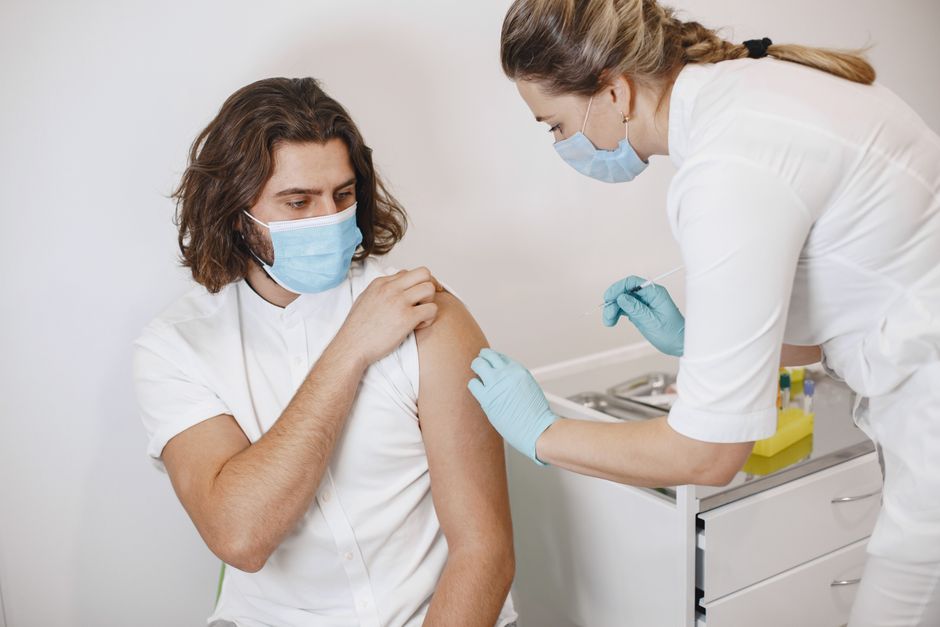
For patients with documented pre-exposure vaccination using a WHO-approved vaccine, the schedule is day 0 and day 3. Two doses, no immunoglobulin.
Day 0 is the day of the bite, or as close to it as possible. Day 3 means three days after that first dose, not three days after the bite. The timing matters. These doses work by triggering a rapid antibody response in a system already primed.
The route of administration, intramuscular or intradermal, depends on the vaccine available and the clinical protocol at the treating facility. The treating physician will advise on this based on current guidelines and the vaccine in use.
No Rabies Immunoglobulin Needed
Rabies immunoglobulin, or RIG, is given to unvaccinated patients to provide immediate passive protection while their immune system builds its own response. It is expensive, often in short supply in many countries, and injected in and around the wound.
You do not need it if you have documented prior vaccination with a WHO-approved vaccine and your immune system is functioning normally. Your immune system already has the memory to respond quickly to the booster doses.
This is one of the most practical reasons to get vaccinated before you travel. If you have not had pre-exposure vaccination yet and you spend time in Bangkok, the travel vaccinations page covers what is recommended and when to start.
Proof of Previous Vaccination
This is where many expats and travellers run into a real problem. You remember getting vaccinated. You just cannot prove it right now.
Without verifiable documentation, most clinicians will treat you as unvaccinated. That means the full post-exposure course, four or five doses, plus RIG if available. This is the clinically correct approach when prior protection cannot be confirmed.
Acceptable documentation generally includes a vaccination card or certificate showing the vaccine name, dates, and number of doses, or a clinical letter from your treating physician. A digital photo of your vaccination record is usually acceptable. If your records are stored with your GP abroad, contact them urgently and ask for a digital copy.
If your vaccination was done with a non-WHO-approved regimen, it may not qualify you for the shortened schedule even with documentation. The treating physician will assess this.
If you genuinely cannot locate your records, ask about antibody titre testing. A sufficient neutralising antibody level can confirm prior immunity and may allow the shortened schedule. The rabies vaccine page explains more about how pre-exposure protection works and when it still counts after a bite.
Getting Treated Quickly in Bangkok
Rabies post-exposure treatment should not be delayed by logistics. Navigating a large government hospital in an unfamiliar language at 2am is a real barrier. It adds hours to a situation where hours count.
Doctor Bangkok’s doctor-on-call service sends a physician to your hotel or condo anywhere in Bangkok within one hour, day or night. The day 0 booster dose can be given on-site. Your day 3 follow-up can be done at the clinic on Sukhumvit Soi 13, or via another call-out if you cannot travel.
If you are closer to the clinic, walk in. No appointment needed, any time of day or night. For animal bites in Bangkok, same-day wound care and vaccination assessment is available without the wait time of a large hospital.
Bitten or scratched by an animal in Bangkok? Contact Doctor Bangkok now. We are open 24 hours a day, 7 days a week. A doctor can come to your hotel or condo within one hour, or walk into the clinic at Trendy Office, Sukhumvit Soi 13, any time. Bring whatever vaccination documentation you have. If you have none, we will assess your options and start treatment the same day. Do not wait until morning.
FAQ
Dr. Ponlawat Pitsuwan
Physician, Doctor Bangkok
a private medical clinic in central Bangkok, open 24/7, with a doctor-on-call service that comes to your hotel or condo within one hour. He sees expats, residents, and medical tourists for animal bite assessment, rabies post-exposure treatment, wound care, and travel health. His focus is straightforward, evidence-based care delivered in plain language.
References
- World Health Organization. Rabies vaccines: WHO position paper, April 2018. Weekly Epidemiological Record, No 16, 2018, 93:201-220.
- Centers for Disease Control and Prevention. Rabies: Post-Exposure Prophylaxis (PEP). CDC, 2024.
- Centers for Disease Control and Prevention. Rabies: Pre-Exposure Prophylaxis (PrEP). CDC, 2024.
- Australian Government Department of Health. Australian Immunisation Handbook: Rabies and other lyssaviruses. Canberra, 2024.
- Immunization Action Coalition. Ask the Experts: Rabies. IAC, 2024.
The information in this article is for educational purposes only and does not constitute medical advice. It should not be used to self-diagnose or replace a consultation with a qualified physician. If you have concerns about your health, contact a licensed medical professional. For appointments at Doctor Bangkok, visit doctorbangkok.co.th.
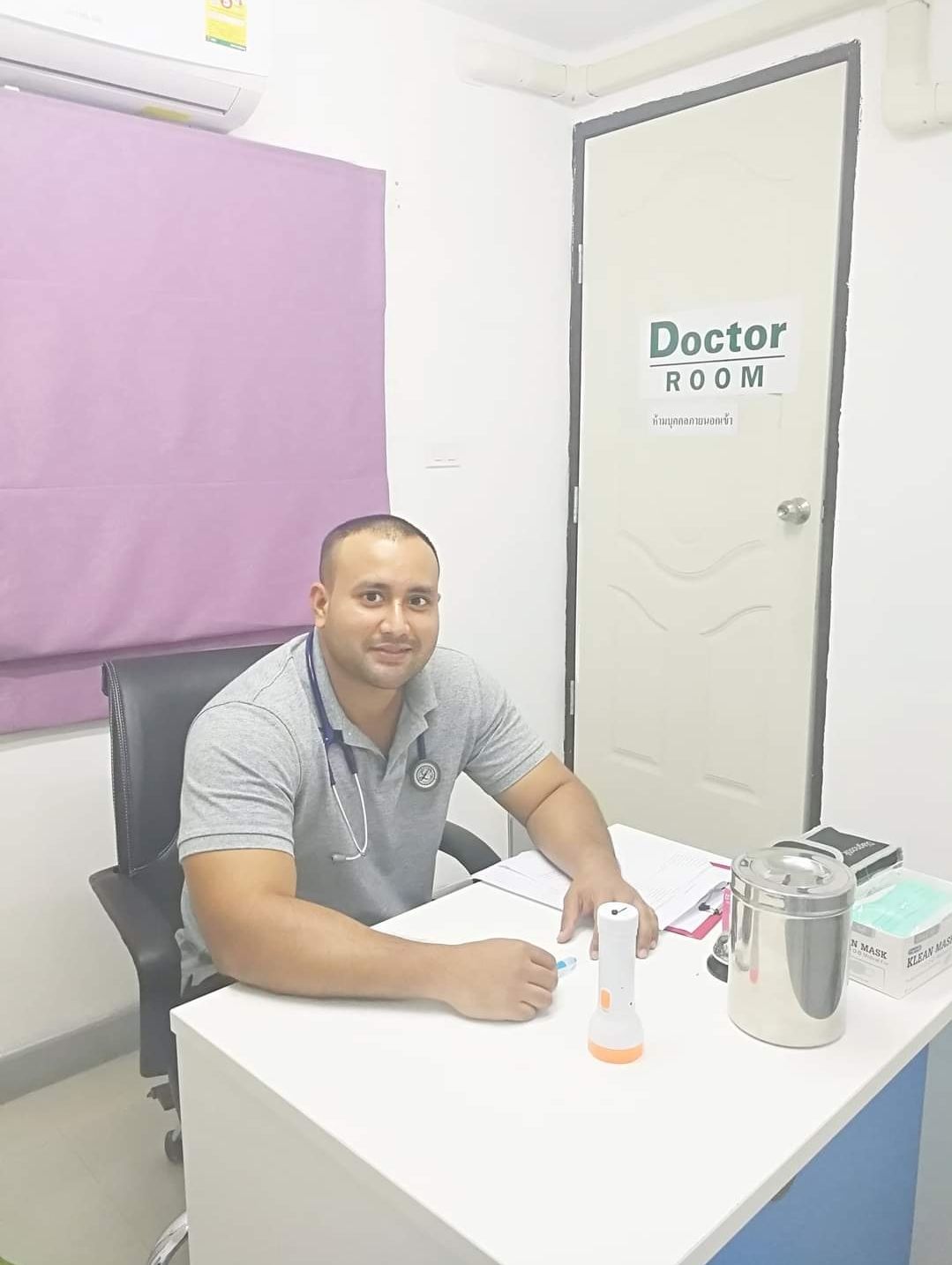
Dr. Ponlawat Pitsuwan is a physician at Doctor Bangkok, a private clinic in central Bangkok. He sees expats, residents, and medical tourists for general medicine, wellness consultations, and IV therapy. His focus is straightforward, evidence-based care delivered in plain language.