
Clinically reviewed by Dr. Ponlawat Pitsuwan, Physician, Doctor Bangkok.
Last reviewed: October 2026
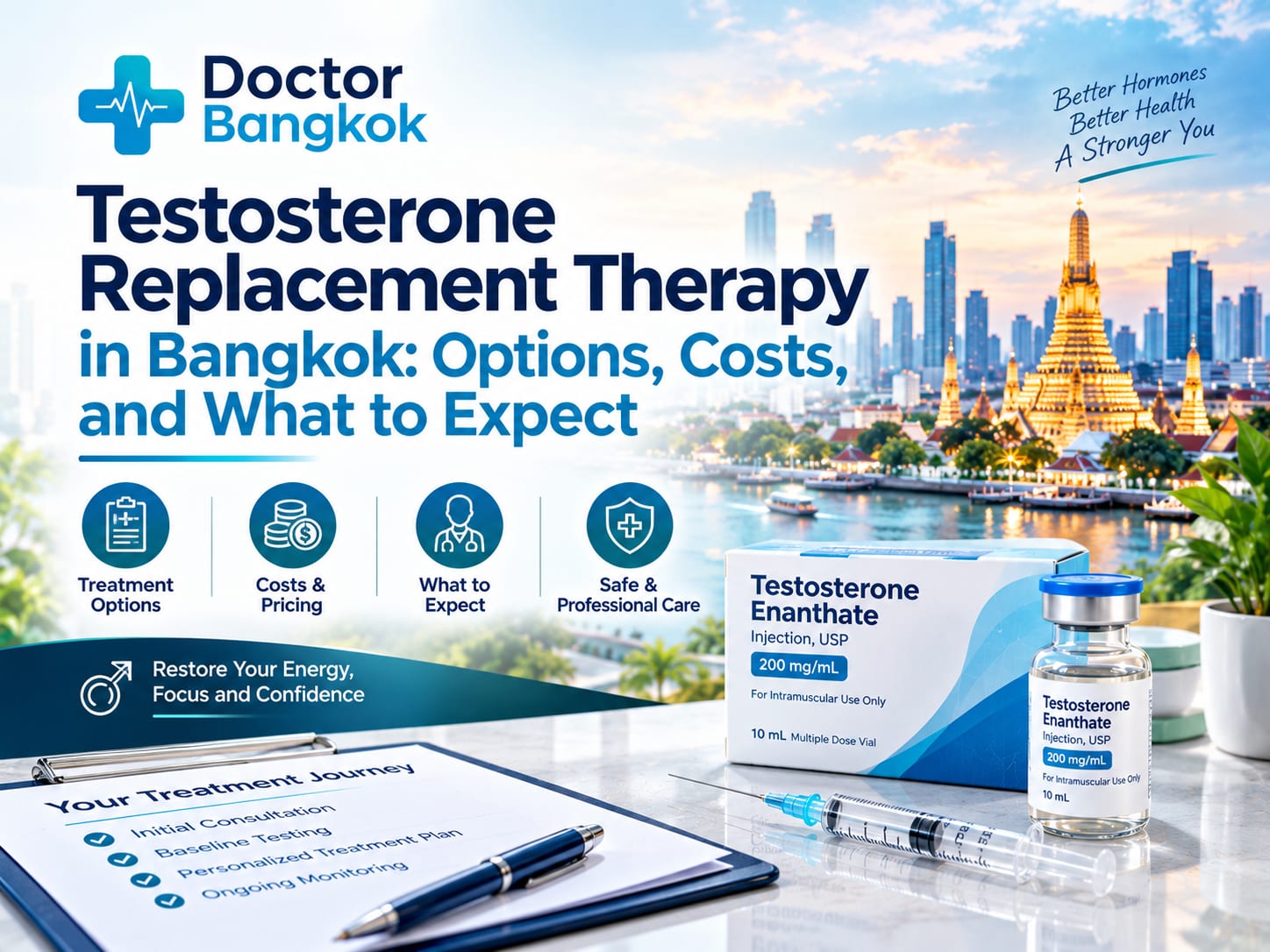
Testosterone replacement therapy (TRT) is a medical treatment for men with confirmed low testosterone levels, also called hypogonadism. Diagnosis requires a morning blood test and a clear clinical picture, not just fatigue or low libido alone. In Bangkok, consultation and full baseline blood work can typically be completed the same day at a private English-speaking clinic, with treatment starting once results confirm the diagnosis.
You have been tired for months. Your libido is low. The gym is getting harder, not easier. Maybe you searched your symptoms between BTS stops and testosterone came up. Maybe it is the answer. Maybe it is not. That is exactly what a proper consultation is for.
Low testosterone is a real medical condition, and Bangkok is one of the more practical cities in the world to assess and treat it. Private clinics here offer same-day blood testing, English-speaking doctors, and access to multiple treatment options, without the waiting lists common in the UK or the high out-of-pocket costs typical in the US or Australia. This article covers how diagnosis actually works, what your options are, what monitoring looks like, and what to realistically expect from treatment.

How Low Testosterone Is Diagnosed in Bangkok
Symptoms alone are not enough for a diagnosis. Fatigue, low libido, mood changes, and difficulty building muscle can all point to low testosterone. But they also overlap with poor sleep, high stress, thyroid problems, and obesity. A good clinic rules those out before writing a prescription.
Diagnosis requires a blood draw done in the morning, ideally before 10am, because testosterone levels are naturally higher earlier in the day. Your doctor will look at total testosterone and free testosterone, which is the fraction your body can actually use. Most guidelines recommend confirming a low reading on a second morning draw before making a diagnosis, unless the first result is clearly below the normal range alongside strong clinical symptoms.
A full baseline panel before starting TRT should include total and free testosterone, sex hormone-binding globulin (SHBG), estradiol, luteinising hormone (LH), follicle-stimulating hormone (FSH), PSA for men over 40, hematocrit, lipids, and liver function. At Doctor Bangkok, this full panel can be run on the same visit as your consultation.
TRT Delivery Methods Available in Bangkok
Injections
Injections are the most common method. Testosterone enanthate and testosterone cypionate are short to medium-acting options, typically given every one to two weeks. They give your doctor flexibility to adjust your dose and let you see how you respond before committing to a longer-acting format.
Nebido (testosterone undecanoate) is a long-acting injection given roughly every ten to fourteen weeks once you are stable. It suits men who want fewer clinic visits and steady hormone levels. The trade-off is less flexibility if your dose needs adjusting early on. Both intramuscular and subcutaneous injection techniques are used in practice.
Transdermal Gel
Testosterone gel is applied to the skin daily. It keeps levels consistent without injections, which some men prefer. The main risk is skin-to-skin transfer to a partner or child before the gel dries, so timing and hygiene matter. It is available in Bangkok but tends to cost more per month than injectable options.
Fertility-Sparing Alternatives
This is the part most TRT conversations skip. Testosterone given from outside the body suppresses the hormonal signals that drive sperm production. If you want to father children now or in the future, tell your doctor before starting anything.
Alternatives include human chorionic gonadotrophin (hCG), which maintains testicular function and sperm output while supporting testosterone levels, and clomiphene or enclomiphene, which stimulate your body’s own production rather than replacing it from outside. These are not right for everyone, but they are worth discussing at your initial consultation. You can read more at the testosterone therapy page at Doctor Bangkok, which covers testing, treatment, and men’s health in full.
Why Expats and Medical Tourists Choose Bangkok for TRT
The practical answer is speed and cost. In the UK, getting TRT through the NHS typically involves a referral and a wait. Private UK care is faster but expensive. In the US, cash-pay TRT at a men’s health clinic can run to several hundred dollars per month before monitoring costs. Australia follows a similar pattern.
Bangkok’s private clinic system moves faster. A consultation and full blood panel on the same day is standard at well-run clinics. Treatment can start within days of a confirmed diagnosis. English-speaking doctors are available throughout central Bangkok, and the clinic is BTS-accessible, which makes fitting an appointment into a working week realistic.
Cost varies by method and monitoring frequency. Injectable testosterone is generally the most affordable ongoing option. The gap compared to home-country self-pay care is significant for most Western expats, and monitoring blood tests are similarly priced lower than equivalent private tests in the UK, US, or Australia.
Side Effects and Safety Monitoring on TRT
TRT changes your body’s hormonal environment. That is the point. But it also requires regular monitoring, and any clinic that skips a structured schedule is one to avoid.
Before starting, your doctor should check your hematocrit, which is the percentage of your blood made up of red blood cells. Testosterone stimulates red blood cell production. If hematocrit climbs too high, your blood becomes thicker and cardiovascular risk increases. A hematocrit above 54 percent is a level that typically requires dose reduction or a pause in treatment, and your monitoring tests will track this at each visit.
Estradiol, a form of oestrogen, also rises in some men on TRT as testosterone converts. At elevated levels it can cause breast tissue tenderness or growth. Your doctor will monitor this and can adjust your protocol if needed. Other markers tracked over time include PSA for prostate health in older men, lipid levels, and liver function.
A reasonable monitoring schedule includes a repeat blood panel at around six weeks after starting, then at three months, then every six months once your levels are stable. If you are managing TRT across countries, Doctor Bangkok provides full documentation of your results, dosing history, and prescription for continuity of care elsewhere. You can also use the cardiovascular risk calculator at Doctor Bangkok to understand your baseline risk before starting treatment.
TRT and Fertility: What to Know Before You Start
Testosterone replacement suppresses the hormonal chain that tells your testes to produce both testosterone and sperm. Most men on standard TRT will see a significant reduction in sperm count, and some will become temporarily infertile while on treatment.
If you are in your twenties, thirties, or early forties and fathering children is a possibility, have this conversation before your first injection. Your doctor can discuss fertility-sparing protocols using hCG alongside TRT, or whether alternatives like clomiphene are more appropriate. Sperm production can recover after stopping TRT, but the timeline varies and recovery is not guaranteed for everyone.
What to Expect at Doctor Bangkok
A TRT assessment at Doctor Bangkok starts with a clinical consultation covering your symptoms, history, lifestyle, and any relevant medications. A full baseline blood panel is ordered the same day. Your results are interpreted by the physician who saw you.
Once results are back and a diagnosis is confirmed, your doctor will discuss which treatment approach fits your situation, whether that is injectable testosterone, gel, or a fertility-aware protocol. Follow-up is structured. If your circumstances change, including travel or relocation, the clinic provides a full medical summary and documentation to support continuity with another provider.
For men managing broader concerns alongside hormonal ones, the erectile dysfunction treatment page at Doctor Bangkok covers what is available in one place. If you want to start with a broader screen, the health check-up at Doctor Bangkok includes the core markers relevant to men’s hormonal health.
If you are experiencing symptoms of low testosterone and want a proper assessment, Doctor Bangkok offers same-day TRT consultations and full baseline blood testing in central Bangkok. English-speaking physicians, BTS-accessible, no referral needed. Ongoing monitoring and treatment are managed at the clinic, with full documentation provided for expats and medical tourists who need to continue care elsewhere. Book your consultation at Doctor Bangkok.
Frequently Asked Questions
Dr. Ponlawat Pitsuwan
Physician, Doctor Bangkok
a private medical clinic in central Bangkok. He sees expats, residents, and medical tourists for men’s health consultations including testosterone assessment, hormonal blood testing, and ongoing TRT management. His focus is straightforward, evidence-based care delivered in plain language.
References
- Bhasin S, et al. Testosterone Therapy in Men with Hypogonadism: An Endocrine Society Clinical Practice Guideline. J Clin Endocrinol Metab. 2018
- World Health Organization. Male Hypogonadism — overview and clinical relevance
- Mulhall JP, et al. Evaluation and Management of Testosterone Deficiency: AUA Guideline. J Urol. 2018
- Nieschlag E, Behre HM. Testosterone: Action, Deficiency, Substitution. Cambridge University Press. Referenced via PubMed:
- Svartberg J. Epidemiology: testosterone and the metabolic syndrome. Int J Impot Res. 2007
The information in this article is for educational purposes only and does not constitute medical advice. It should not be used to self-diagnose or replace a consultation with a qualified physician. If you have concerns about your health, contact a licensed medical professional. For appointments at Doctor Bangkok, visit doctorbangkok.co.th.
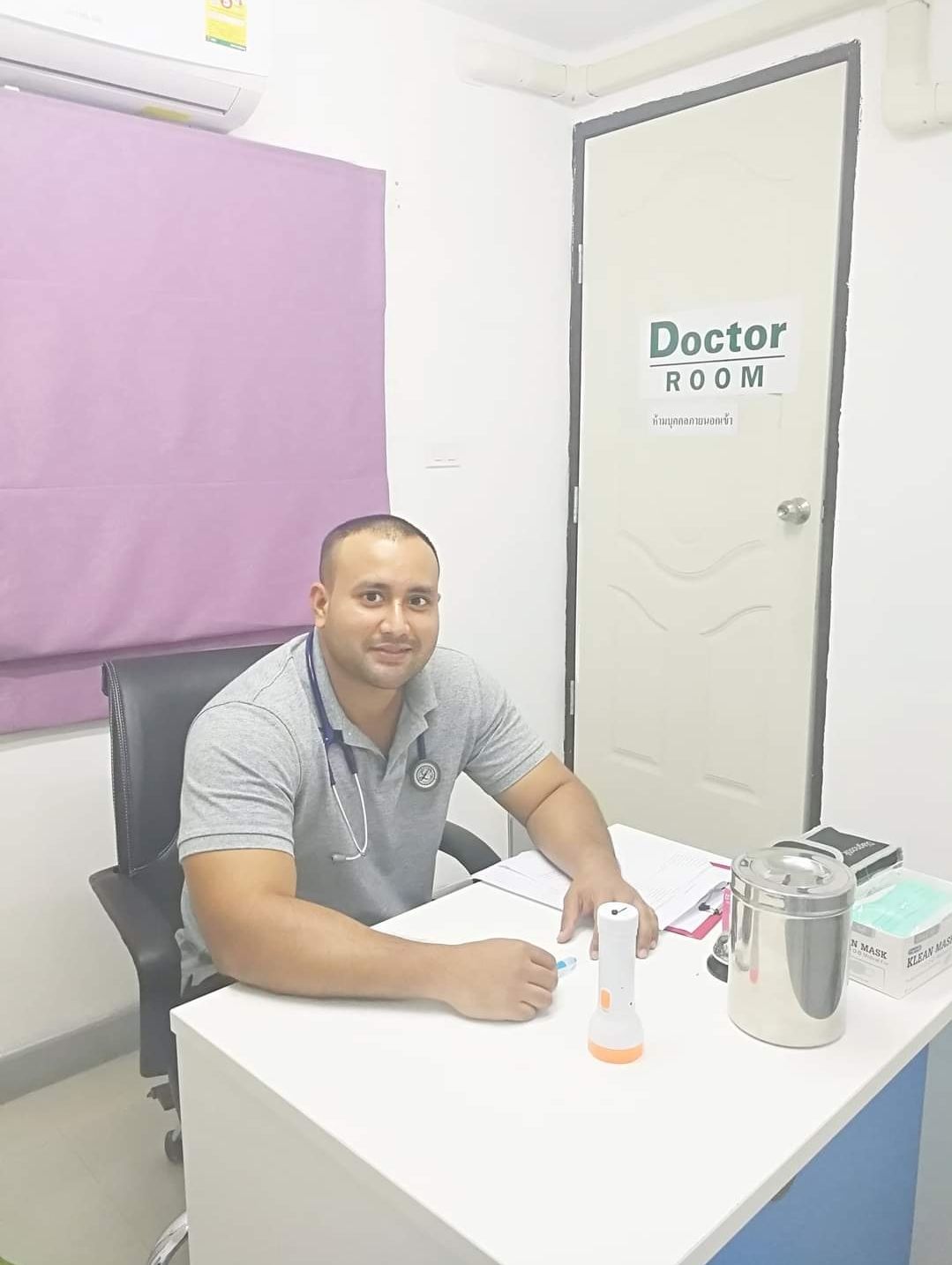
Dr. Ponlawat Pitsuwan is a physician at Doctor Bangkok, a private clinic in central Bangkok. He sees expats, residents, and medical tourists for general medicine, wellness consultations, and IV therapy. His focus is straightforward, evidence-based care delivered in plain language.