

Clinically reviewed by Dr. Ponlawat Pitsuwan, Physician, Doctor Bangkok. Last reviewed: September 2026
Dizziness and vertigo are not the same thing. Dizziness is a broad feeling of lightheadedness or unsteadiness. Vertigo is a false sense that you or the room is spinning, and it usually points to an inner ear or neurological cause. Most cases are not dangerous, but some need urgent attention. If your dizziness comes with slurred speech, a sudden severe headache, or weakness on one side of your body, get assessed immediately.
You have probably been brushing it off for days. Maybe it started on the BTS, or you woke up with the room spinning, or it crept in somewhere between landing at Suvarnabhumi and your second day in the city. Dizziness and vertigo are among the most common reasons people walk into our clinic, and also among the most misunderstood.
Most causes are benign and very treatable. The harder part is knowing which type you are dealing with, because dizziness from dehydration and dizziness from an inner ear problem need completely different management. That is what this article covers.

Dizziness vs. Vertigo — They Are Not the Same Thing
Patients use both words to mean something is wrong with their head, and that is understandable. But the distinction matters clinically.
Dizziness is a general feeling. It covers lightheadedness, a sense of being about to faint, or simply feeling unsteady on your feet. It does not necessarily spin. Vertigo is specific: a false sense that you or your surroundings are moving or rotating when they are not.
That spinning sensation, especially when you roll over in bed or look up quickly, is the classic clue. Vertigo almost always has an inner ear or brain origin. General dizziness can come from low blood pressure, low blood sugar, dehydration, anxiety, or medication side effects.
Getting this distinction right at your appointment helps your doctor narrow things down fast.
Common Causes of Dizziness and Vertigo
Inner Ear Causes
BPPV, or benign paroxysmal positional vertigo, is the most common cause I see. Tiny calcium crystals in your inner ear shift out of place and trigger brief but intense spinning when you move your head a certain way. It sounds strange, but it is very real and very fixable.
Vestibular neuritis is inflammation of the nerve connecting your inner ear to your brain, usually following a viral illness. You get a sudden onset of severe vertigo that can last days. Labyrinthitis is similar but also comes with hearing loss or ringing in the ear, known as tinnitus.
Meniere’s disease causes recurring episodes of vertigo, tinnitus, a feeling of fullness in the ear, and fluctuating hearing loss. It tends to come and go, and managing it requires a longer-term plan.
Vestibular Migraine
This one gets missed more than it should. Vestibular migraine causes episodes of dizziness or vertigo, sometimes without any headache at all. If you have a history of migraines and recurring unexplained dizziness, this is worth raising at your consultation.
Non-Vestibular Causes
Not all dizziness comes from your ears. Orthostatic hypotension, where your blood pressure drops when you stand up too quickly, is a very common cause of brief lightheadedness. Low blood sugar, anaemia, anxiety, dehydration, and certain medications, particularly blood pressure drugs and sedatives, are also frequent culprits.

Bangkok-Specific Triggers — Why Expats and Travellers Get Hit Harder
Bangkok’s heat is serious. Temperatures regularly sit above 35 degrees Celsius, and the humidity makes it worse. Dehydration dizziness is one of the most common presentations I manage in new arrivals and tourists who are not yet acclimatised.
Heat exhaustion is a real risk. If you have been out in the sun, skipped water, and suddenly feel lightheaded and sweaty, that is not a coincidence. Add alcohol into the mix and the chance of a dizzy episode goes up significantly, because alcohol dehydrates you further.
Moving between heavily air-conditioned interiors and outdoor heat all day can cause sudden blood pressure shifts that leave you feeling unsteady. Motion sickness from Bangkok’s traffic, long tuk-tuk rides, or a rough taxi journey can trigger or worsen an existing vestibular condition. These are not textbook triggers. These are what I actually hear about every week.
Dizziness After Flying to Bangkok — Is It Normal?
Post-flight dizziness is genuinely common. A long-haul flight means hours of low cabin humidity, reduced movement, disrupted sleep, and a pressurised environment that puts stress on your inner ear. Most people feel some spatial disorientation for the first day or two after landing.
Mild dizziness after flying usually resolves with rest and proper hydration within 24 to 48 hours. If your dizziness is severe, you are vomiting, you have new hearing changes, or it has not improved after two days, come in. A same-day walk-in consultation can rule out anything that needs treatment quickly.
When Dizziness and Vertigo Become an Emergency
Most dizziness is not an emergency. But some presentations need urgent assessment, not a wait-and-see approach.
Go to an emergency room immediately if your dizziness comes with any of the following: a sudden severe headache unlike anything you have had before, double vision, slurred speech, facial drooping, weakness or numbness on one side of your body, or sudden hearing loss. These combinations can indicate stroke or another serious cerebrovascular event. Do not drive. Do not wait.
New dizziness after a head injury also needs urgent assessment. If you are over 60 with new-onset vertigo and no obvious cause, come in sooner rather than later.
What Happens When You See a Doctor for Dizziness
I will take a detailed history first. When did it start? Does it spin or just feel off? Does it come on with head movement? Any ear symptoms, nausea, or recent illness? This alone tells me a great deal.
From there, a physical and neurological exam. For suspected BPPV, I will do the Dix-Hallpike test, a simple head-positioning check that can confirm the diagnosis in the clinic. I will also check your blood pressure lying and standing, your blood sugar, and go through your medications.
Imaging like a CT or MRI is not routine for every dizzy patient. I order it when the clinical picture suggests a central cause. If you have BPPV, I can often perform the Epley maneuver, a repositioning technique that moves the displaced crystals back where they belong, during the same visit.
Treatment Options for Dizziness and Vertigo
For BPPV, the Epley maneuver works well and often brings fast relief. Strong evidence supports it as first-line treatment.
For vestibular neuritis or labyrinthitis, short-course medications can help control severe nausea and dizziness during the acute phase. Vestibular rehabilitation, a structured exercise programme to retrain your balance system, has solid evidence for ongoing vestibular disorders.
For dehydration-related dizziness, IV hydration therapy can bring faster relief than drinking fluids alone. At Doctor Bangkok, we use IV drip therapy for patients presenting with heat-related and dehydration-driven dizziness. It gets fluid and electrolytes back in quickly, and most patients feel noticeably better within the hour.
Feeling dizzy in Bangkok and not sure what is causing it? Doctor Bangkok is open 24 hours a day, 7 days a week, in central Bangkok, a short walk from BTS Asok and Nana. Our English-speaking physicians can assess your dizziness or vertigo the same day, perform in-clinic tests including the Dix-Hallpike examination, and start treatment including the Epley maneuver or IV hydration without delay. No appointment needed. Walk in or contact us to arrange a hotel visit.
FAQ
Dr. Ponlawat Pitsuwan
Physician, Doctor Bangkok
a private medical clinic in central Bangkok. He sees expats, residents, and medical tourists presenting with dizziness, vertigo, and a wide range of general medical concerns. His focus is straightforward, evidence-based care delivered in plain language.
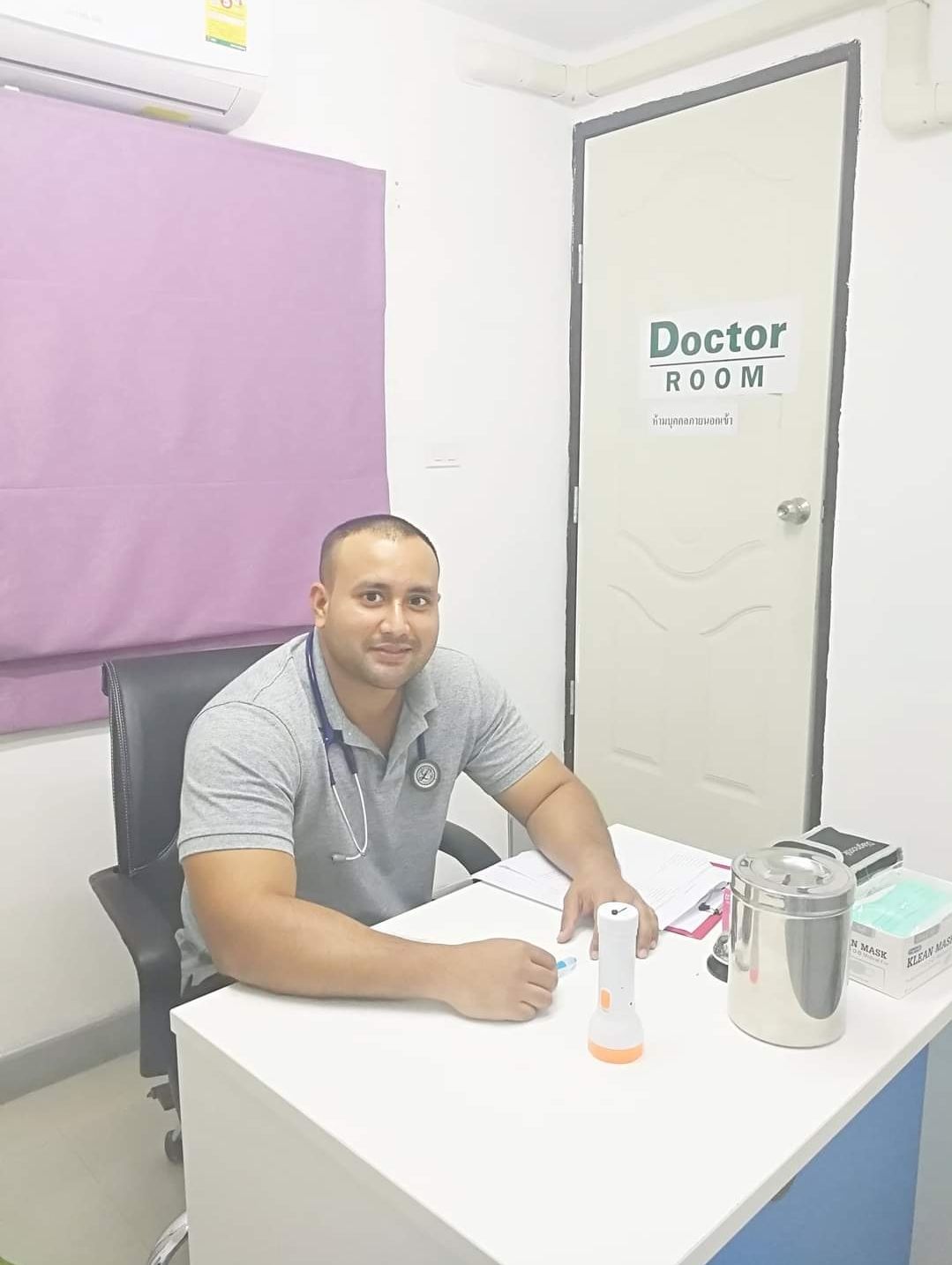
Dr. Ponlawat Pitsuwan is a physician at Doctor Bangkok, a private clinic in central Bangkok. He sees expats, residents, and medical tourists for general medicine, wellness consultations, and IV therapy. His focus is straightforward, evidence-based care delivered in plain language.