

Clinically reviewed by Dr. Ponlawat Pitsuwan, Physician, Doctor Bangkok. Last reviewed: August 2026
Most men with HPV have no symptoms at all. When symptoms do appear, genital warts are the most common sign. There is no routine HPV blood test for men, but a doctor can assess your risk, examine for lesions, and advise on testing. If you are in Bangkok and have concerns, Doctor Bangkok offers confidential STD consultations with English-speaking physicians.
If you have found a new growth, heard that a partner has HPV, or just want to know where you stand, you are in the right place. HPV is the most common sexually transmitted infection in the world, and most sexually active men will carry it at some point.
The honest answer is that most men with HPV never know they have it. No warts, no symptoms, nothing. But that does not mean there is nothing to watch for. Certain strains carry a cancer risk. You can also pass the virus to a partner even when you feel completely fine. This guide covers what HPV actually looks like in men, when to see a doctor, and what to do if you are in Bangkok.

High-Risk vs Low-Risk HPV: What the Difference Actually Means for You
Not all HPV strains behave the same way. Knowing which type you are dealing with changes what you need to do.
Low-risk strains, mainly types 6 and 11, cause genital warts. These are not pleasant, but they do not turn into cancer. High-risk strains, particularly types 16 and 18, rarely produce visible symptoms. Instead, they can quietly cause changes in cells over many years that may lead to cancer.
| Low-Risk HPV (Types 6, 11) | High-Risk HPV (Types 16, 18) | |
|---|---|---|
| Causes genital warts | Yes | No |
| Causes cancer | No | Yes |
| Visible symptoms | Often | Rarely |
| Most important action | Treatment for warts | Monitoring, vaccination, screening |
The tricky part: most men with high-risk HPV feel completely well. There is nothing to see and nothing to feel, which is exactly why it is easy to ignore.
What HPV Symptoms Actually Look Like in Men
Genital Warts
Genital warts are the most visible sign of HPV in men. They are caused by low-risk strains and are not cancerous, but they are contagious.
They usually appear as small, flesh-coloured bumps on the penis, scrotum, groin, or around the anus. They can be flat or raised, single or clustered, and some look like a small cauliflower. They are usually painless, though some men notice itching or mild irritation.
If you find something that looks like this, get it checked. Do not try to treat it yourself with over-the-counter products. A doctor can also spot warts in areas you might miss on your own.
Symptoms That Suggest Something More Serious
High-risk HPV strains do not cause warts, but they can eventually lead to cancer. By the time symptoms appear, there is often already a problem developing.
For penile cancer, watch for a sore that does not heal, skin that changes colour or texture, or unusual thickening of the skin. For anal cancer, look out for bleeding from the anus, pain, itching, or a lump near the anal opening. For throat or mouth cancer linked to HPV, symptoms include a sore throat lasting more than three weeks, difficulty swallowing, a hoarse voice, or a lump in the neck.
These symptoms do not automatically mean cancer. But they need a clinical assessment, not watching and waiting.

Why Most Men With HPV Have No Symptoms
This is the part most people do not fully grasp. HPV in men is often what doctors call subclinical. The virus is present in the skin without causing anything visible or noticeable, because the immune system keeps it suppressed.
This matters for two reasons. First, you can transmit the virus to a partner even when you have never had a wart or any symptom. HPV spreads through skin-to-skin genital contact, not just penetrative sex. Second, if your immune system weakens for any reason, a previously silent infection can become active again.
I see this regularly with patients who are shocked that their partner has HPV when they have never had symptoms. It is not a sign that anything unusual happened. It is just how this virus works.
Can HPV Symptoms Appear Years After Infection?
Yes, and this causes a lot of anxiety and relationship stress that is usually unnecessary. HPV can sit dormant in your body for months or years before anything becomes detectable.
A new HPV diagnosis in you or a partner does not mean the infection is recent. It does not tell you when it happened or who brought it into the relationship. A positive result tells you the virus is there. It does not tell you the story behind it.
If your partner has just been diagnosed and you are trying to make sense of it, speak to a doctor before drawing conclusions.
Who Is at Higher Risk of HPV Complications
Most men with HPV clear the virus on their own within a couple of years, according to the CDC. But some men face a higher risk of complications.
Men who have sex with men face a significantly higher risk of anal HPV infection and anal cancer. Men who are HIV-positive are at higher risk because a weakened immune system makes it harder to suppress the virus. Men with multiple sexual partners have more exposure overall.
If any of these apply to you, more proactive screening makes sense. This is something to discuss directly with a doctor.
How Is HPV Diagnosed in Men
There is no standard HPV blood test for men. I get asked about this often, and the honest answer is that the options are more limited than they are for women.
If you have visible warts, a doctor can diagnose them by examination. For men at higher risk of anal infection, particularly men who have sex with men or those who are HIV-positive, an anal Pap smear can check for precancerous cell changes. HPV DNA testing using a swab can also detect high-risk strains in some cases.
At Doctor Bangkok, our English-speaking physicians assess each patient individually. We look at your symptoms, your sexual history, and your risk factors, then advise on the most appropriate approach. You can book a confidential consultation through our STD testing page.
How Are HPV Symptoms Treated in Men
There is no treatment that removes HPV from the body. What we can treat are the symptoms it causes.
Genital warts can be removed through cryotherapy, which uses cold to destroy wart tissue, or electrocautery, which uses heat. Topical prescription creams are another option for some cases. None of these methods guarantee the warts will not return, because the underlying virus may still be present.
For high-risk HPV, the focus is on monitoring. If precancerous changes are found through screening, those changes can be addressed before they progress. This is why regular screening for at-risk men matters, even without symptoms.
HPV Vaccination for Men in Bangkok
If you have not been vaccinated, this is the most useful thing you can do right now. Gardasil 9 protects against the main high-risk and low-risk strains, including types 6, 11, 16, and 18.
Even if you have already been exposed to one HPV strain, vaccination can still protect you against the others. It is recommended up to age 45, and many men in Bangkok have simply never been offered it in their home country. Doctor Bangkok carries Gardasil 9 and can advise whether it is right for you during a consultation.
One thing worth stating clearly: vaccination does not replace condoms or testing. It reduces your risk substantially, but condoms only partially protect against HPV because the virus spreads through skin contact in areas a condom does not cover.
Getting Tested for HPV in Bangkok
Bangkok has good options for sexual health testing, but the quality and experience vary. If English-speaking care matters to you, and you want a doctor who will talk you through your results rather than hand you a printout, that is worth factoring in when you choose where to go.
Doctor Bangkok is centrally located and BTS accessible. Consultations are confidential, with no judgement and no assumptions about lifestyle. Many patients have been putting off getting checked for weeks because they were not sure how to navigate care in Bangkok. The first step is simple. Book a consultation, tell us your concerns, and we will work through it with you. You can find our sexual health testing services on our website.
Concerned about HPV symptoms or want to know where you stand? Doctor Bangkok offers confidential sexual health consultations with English-speaking physicians in central Bangkok. Whether you have visible symptoms, a worried partner, or just want a proper assessment, we can help. Visit doctorbangkok.co.th to book your STD testing consultation today.
Frequently Asked Questions
Can I have HPV with no symptoms and still pass it to a partner?
Yes, and this is one of the most important things to understand about HPV. The virus can be present on the skin without any visible warts or symptoms, and it can still be transmitted through skin-to-skin genital contact. Regular sexual health screening matters even when you feel completely well.
Is there an HPV test for men in Bangkok?
There is no single routine HPV blood test for men. In clinical practice, doctors use a combination of visual examination, HPV DNA swab testing, and anal Pap smears for higher-risk men. At Doctor Bangkok, we assess your individual situation and advise on the most appropriate approach during a confidential consultation.
My partner was just diagnosed with HPV. Does that mean she has been unfaithful?
No. HPV can remain dormant in the body for months, years, or longer before showing up. A new diagnosis tells you the virus is present, not when the infection happened or who was the source. This is a very common source of relationship stress that is almost always based on a misunderstanding of how the virus behaves.
What are the early warning signs of HPV-related cancer in men?
For penile cancer, watch for skin changes, a sore that does not heal, or unusual thickening. For anal cancer, look for bleeding, pain, or a lump near the anus. For throat cancer linked to HPV, signs include a sore throat lasting more than three weeks, difficulty swallowing, a hoarse voice, or a neck lump. Any of these lasting more than a few weeks needs clinical assessment.
Can men get the HPV vaccine in Bangkok, and is it worth it if I am already sexually active?
Yes, Gardasil 9 is available at Doctor Bangkok and is recommended for men up to age 45. Even if you have been exposed to one HPV strain, vaccination can still protect you against strains you have not yet encountered. Many expats in Bangkok were never vaccinated in their home country and can still benefit.
How long does HPV last in men, and does it go away on its own?
For most men, the immune system clears HPV naturally within one to two years, according to the CDC. High-risk strains can persist for longer, especially in men with weakened immune systems. Clearance does not always mean the virus is completely gone, which is why ongoing awareness and screening for higher-risk men still makes sense.
Dr. Ponlawat Pitsuwan
Physician, Doctor Bangkok
a private medical clinic in central Bangkok. He sees expats, residents, and medical tourists for sexual health consultations, STD testing, and HPV assessment. His focus is straightforward, evidence-based care delivered in plain language.
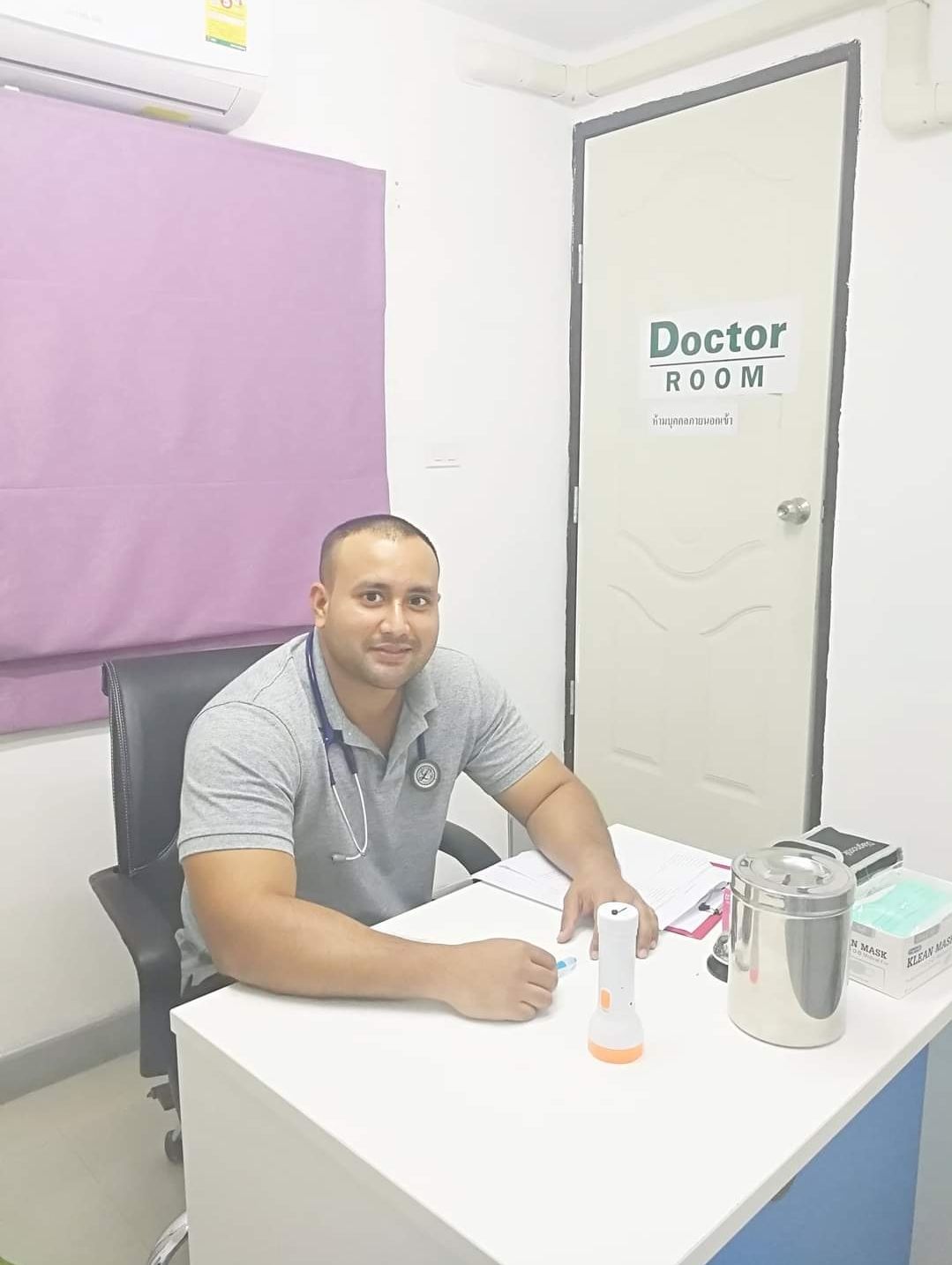
Dr. Ponlawat Pitsuwan is a physician at Doctor Bangkok, a private clinic in central Bangkok. He sees expats, residents, and medical tourists for general medicine, wellness consultations, and IV therapy. His focus is straightforward, evidence-based care delivered in plain language.