
Clinically reviewed by Dr. Ponlawat Pitsuwan, Physician, Doctor Bangkok.
Last reviewed: August 2026
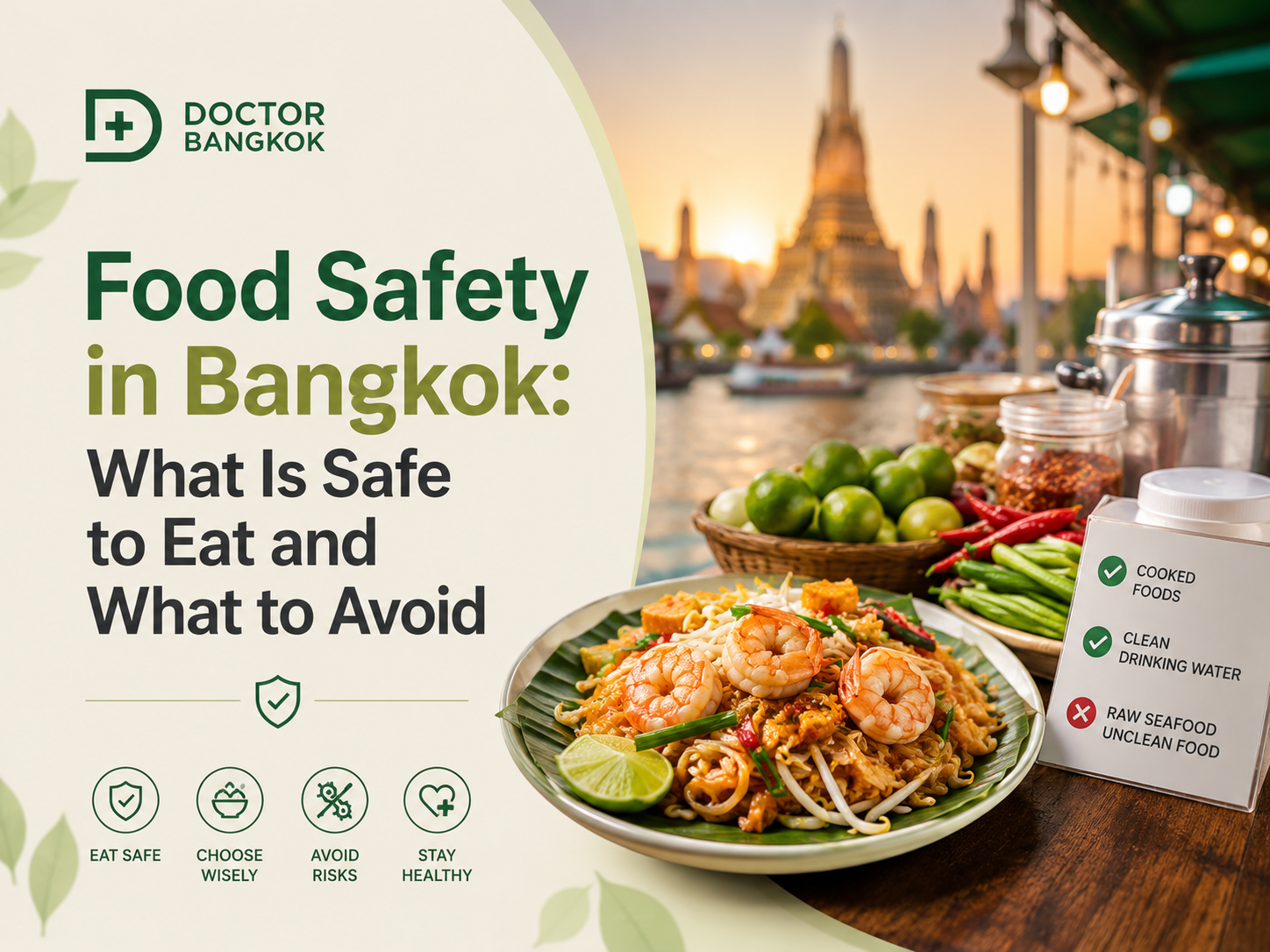
Bangkok’s street food is broadly safe when it is freshly cooked over high heat and served immediately. The real risks are pre-cooked food sitting in the heat, raw produce, and tap water. Most cases of Bangkok belly resolve within a few days with fluids and rest. See a doctor if you have a fever above 38.5°C, blood in your stool, or cannot keep fluids down.
If you are new to Bangkok and staring at a street stall thinking "should I eat that?", you are not alone. I hear this question every week, from tourists on day two and from expats who have been here for months. The answer is almost always yes, but knowing what to avoid makes a real difference.
Bangkok belly is real. Most visitors get at least one episode of loose stools or stomach cramps in their first few weeks. It does not mean the food is dirty. Your gut is adjusting to a new food environment. What matters is knowing when it is a normal adjustment and when it needs treatment.

What Actually Makes You Sick
The cooking is rarely the problem. Most street food in Bangkok is cooked at very high heat in a wok, which kills most pathogens. The risk comes from food that has been sitting out in Bangkok’s heat after cooking, raw produce washed in tap water, and raw or undercooked shellfish.
Hepatitis A is also spread through contaminated food and water. It is much less common than a typical stomach bug but more serious. If you have not been vaccinated, that is worth sorting before you eat your way through Yaowarat.
Ice, Water, and Drinks
Do not drink tap water in Bangkok. Do not use it for brushing your teeth. Use bottled or filtered water only. Bangkok’s water is treated at the source, but older pipes in older buildings can introduce bacteria before it reaches your glass.
Commercial ice, the tubular kind with a hole through the centre, is made from filtered water at a factory. You will see it at almost every restaurant and street stall. It is generally safe. The ice to avoid is the cloudy, cracked kind that looks like it came from a household freezer. If you are unsure, ask for no ice.
Fresh juices, smoothies, and coconut water from street stalls are usually fine. Check whether they are using tubular ice before you add it.

Street Food — How to Choose a Safe Stall
Busy stalls with high turnover are your friend. If twenty people are eating there and the wok has not stopped since you arrived, the food is fresh and the risk is low. Pre-cooked food sitting in trays under heat lamps is where things go wrong.
Food should be cooked to order, not reheated from a batch made hours ago. Meat should not be sitting raw next to cooked food. Look for basic hygiene signals: running water nearby, tongs, and separate utensils for raw and cooked food.
The Thai Ministry of Public Health runs a SHA food safety certification programme. Certified stalls display a sticker. It is not a guarantee, but it is a useful signal.
Avoid raw shellfish. Oysters and raw clams are the highest-risk foods in Bangkok, even at good restaurants. I see cases of Hepatitis A and serious gut infections from raw shellfish regularly.
Vaccines That Protect Against Food-Borne Illness
I always ask new expats whether they are up to date on Hepatitis A and typhoid. Most people are not.
Hepatitis A is spread through contaminated food and water. The vaccine gives strong protection and lasts for years with a booster. If you are living in Bangkok or visiting and eating at street stalls regularly, I consider this essential.
Typhoid is also food-and-water-borne. It is less common but more serious if untreated. The vaccine is not perfect, but it provides meaningful protection.
At Doctor Bangkok, both vaccines are available same-day with no appointment needed. If you are planning to be here long-term or travel beyond Bangkok into rural areas, our travel health consultations can help you work out exactly what you need.
When to Stop Self-Treating and See a Doctor
Most Bangkok belly gets better on its own. Oral rehydration salts, rest, bland food, and within two to four days you feel normal. That is the usual story.
Bangkok is hot and humid. Dehydration sets in faster here than in a cooler climate. What would be manageable at home can become serious more quickly, especially if you are out sightseeing in 35-degree heat.
See a doctor if you have a fever above 38.5°C alongside diarrhoea. See a doctor if there is blood in your stool. See a doctor if you cannot keep fluids down for more than six hours, feel dizzy when you stand, your mouth is very dry, or your urine is dark.
IV rehydration can turn things around fast when oral fluids are not staying down. At Doctor Bangkok, we do this in-clinic on Sukhumvit, and we can also visit you at your hotel if you are too unwell to travel. You do not need to feel this bad for this long.
Building Gut Resilience as a Long-Stay Expat
Some digestive adjustment is normal when you first arrive. Your gut needs time to adapt to new food, new bacteria, and different cooking oils. Give it three to six weeks before deciding Bangkok food does not agree with you.
Probiotics can help during this phase. There is moderate evidence that certain strains reduce the severity and duration of traveller’s diarrhoea. I suggest a daily probiotic to most new arrivals for the first month or two.
Fermented foods help too. Plain yoghurt, and some fermented Thai condiments, all support a healthier gut environment. Most people find they adjust well with a little patience.
Special Dietary Needs and Allergies
If you have a serious food allergy, Bangkok kitchens can be a challenge. Cross-contamination is common. Peanuts appear in dishes where you would not expect them. Shellfish paste goes into sauces without being listed.
Carry a food allergy card written in Thai. Reliable versions are available from allergy organisations and travel health sites. Show it before you order, not after. Even then, ask twice.
If you carry an epinephrine auto-injector, keep it accessible and cool. Bangkok heat can affect some medications. A cool bag or air-conditioned bag is the safest option.
What to Do If You Get Sick
Start oral rehydration salts straight away. You can buy them at any pharmacy in Bangkok, including Boots and Watsons. Mix them according to the packet. Coconut water is a reasonable supplement but not a replacement.
Eat bland foods when you can: plain rice, banana, toast, boiled chicken. Avoid spicy food, dairy, and alcohol until you have been symptom-free for at least 24 hours.
Loperamide, sold as Imodium, reduces the frequency of trips to the toilet but does not treat the infection. Do not use it if you have a fever or blood in your stool. It is only worth considering if you have a long journey ahead and no other option.
If you are not improving after 48 hours, or any red-flag symptom appears, come in. A doctor can assess you, run a stool test if needed, and prescribe the right antibiotic if a bacterial infection is confirmed. Do not guess which antibiotic to take or order one from a pharmacy without a diagnosis.
Sick from food in Bangkok and not sure what to do next? Doctor Bangkok is a private English-speaking clinic on Sukhumvit, open for walk-in appointments. We treat food poisoning, dehydration, and traveller’s diarrhoea, and offer same-day IV rehydration when you need it. We can also visit you at your hotel. For Hepatitis A and typhoid vaccines, no appointment is needed. Visit doctorbangkok.co.th or come in directly.
FAQ
Is it safe to eat street food in Bangkok?
Yes, broadly speaking. The key is freshly cooked food served hot from a busy stall. The risk comes from food sitting out in the heat after cooking, not from the cooking itself. If the wok is busy and the queue is long, you are in a good spot.
Is tap water safe to drink in Bangkok?
Do not drink it. Older pipes throughout the city can introduce bacteria even if the water was treated at the source. Use bottled or filtered water for drinking and brushing your teeth. Commercial tubular ice, the kind with a hole through the centre, is made from filtered water and is generally safe.
What are the warning signs that food poisoning needs a doctor?
Fever above 38.5°C, blood in your stool, dizziness when you stand, very dark urine, or vomiting that stops you keeping fluids down. Bangkok’s heat makes dehydration set in faster than you might expect, so do not wait too long.
Do I need vaccines before eating street food in Bangkok?
I recommend Hepatitis A for everyone living in or visiting Bangkok. Typhoid is also advisable if you eat regularly at street stalls or plan to travel outside the city. Both are available same-day at Doctor Bangkok with no appointment needed.
How long does Bangkok belly last?
Most cases clear up in two to four days with oral rehydration salts and rest. If you are still unwell after 48 hours, or you develop a fever or blood in your stool, see a doctor rather than waiting it out.
Is the ice in Bangkok restaurants safe?
Commercial tubular ice is made from filtered water and is generally safe. Cloudy or cracked ice that looks like it came from a household freezer is the kind to avoid. When in doubt, ask for no ice.
Can I take antibiotics from a pharmacy without seeing a doctor?
I would not recommend it. Antibiotics only work for bacterial infections, and not all Bangkok belly is bacterial. Taking the wrong antibiotic can make things worse and contributes to antibiotic resistance. See a doctor, get a proper assessment, and treat what you actually have.
Dr. Ponlawat Pitsuwan
Physician, Doctor Bangkok
a private medical clinic in central Bangkok. He sees expats, residents, and medical tourists for general medical consultations, travel health, food-related illness, and same-day vaccinations. His focus is straightforward, evidence-based care delivered in plain language.
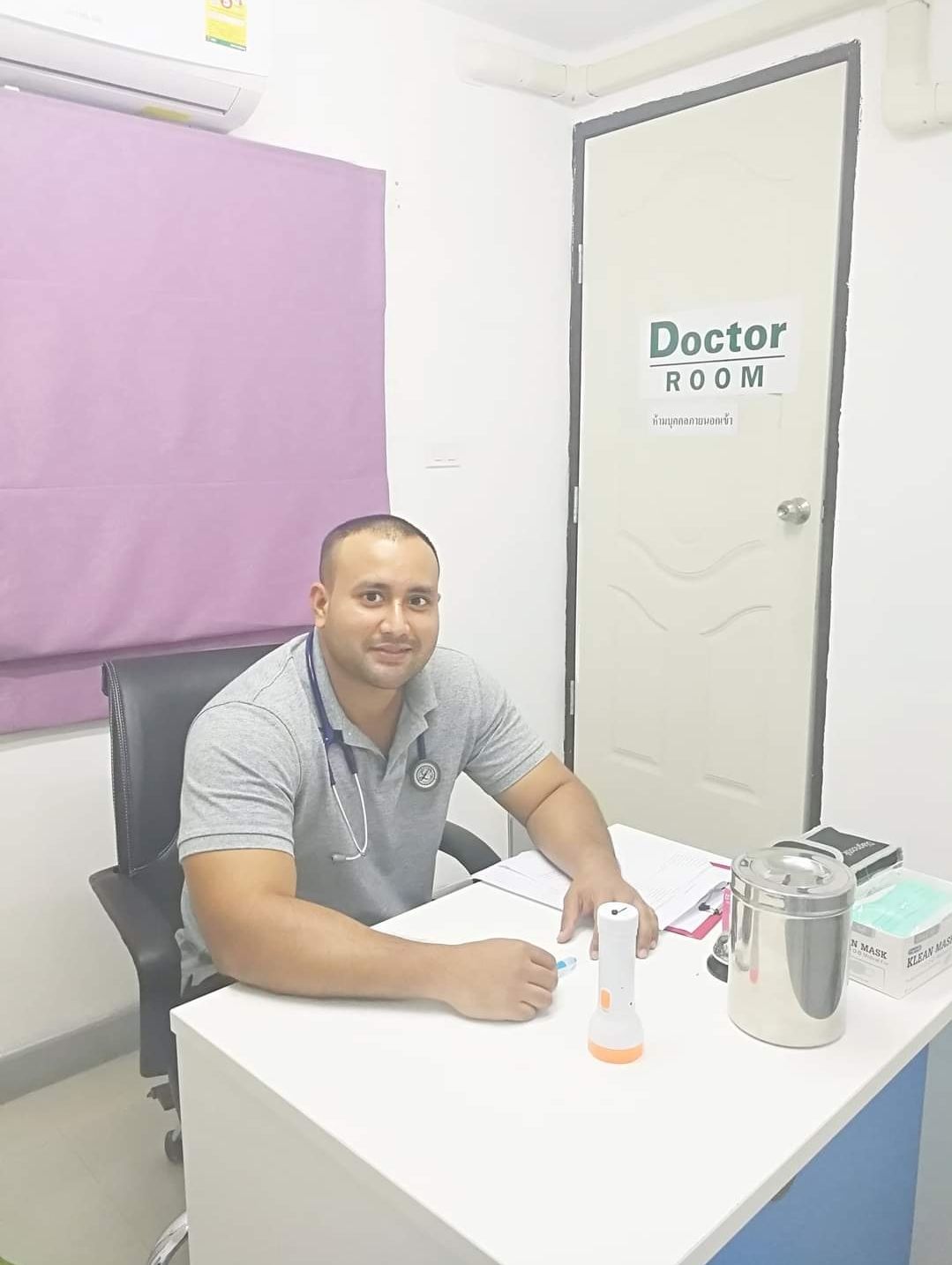
Dr. Ponlawat Pitsuwan is a physician at Doctor Bangkok, a private clinic in central Bangkok. He sees expats, residents, and medical tourists for general medicine, wellness consultations, and IV therapy. His focus is straightforward, evidence-based care delivered in plain language.