

Clinically reviewed by Dr. Ponlawat Pitsuwan, Physician, Doctor Bangkok.
Last reviewed: July 2026
Keeping weight off long-term is harder than losing it in the first place. Your body actively fights back after weight loss by reducing how many calories it burns and increasing hunger signals. Sustainable weight management means building habits and, when needed, getting clinical support that works with your body rather than against it.
You lost the weight. You followed the plan, you did the work, and it came off. Then, slowly, it came back. If this sounds familiar, you are not alone, and more importantly, you did not fail. What happened is physiological, not a character flaw. The body has powerful systems designed to restore lost weight, and without the right long-term strategy, those systems win.
If you are an expat or visitor in Bangkok, you are dealing with this in one of the most food-saturated cities on earth. Street food on every corner, social eating as a daily cultural norm, irregular schedules, and a food environment nothing like home. This article is written for that reality. I will explain why weight comes back, what actually works long-term, and when it makes sense to get clinical help rather than going it alone.

Why Your Body Fights Back After Weight Loss
This is the part nobody tells you clearly enough. When you lose weight, your body adapts. It reduces how many calories it burns each day, beyond what your smaller body size alone would explain. At the same time, hunger increases and the signals that tell you you are full get weaker. This response can persist for a year or more after weight loss ends.
What this means practically is that the same eating pattern that helped you lose weight may not be enough to maintain it. Your body is running on a lower setting now. This is not a reason to give up. It is a reason to have a smarter plan.
What Sustainable Weight Management Actually Looks Like
Sustainable weight management is not a diet. It is not a phase with a start and end date. It is a set of habits that your life can actually hold, built around the reality of where and how you live.
The patients I see who keep weight off long-term share a few things in common. They eat in a pattern, not perfectly, but consistently. They move regularly, not brutally. They have some form of accountability, whether that is a doctor, a partner, or a tracking habit. And they deal with setbacks without abandoning the whole plan.
Nutrition that sticks
The single most effective nutritional shift for maintaining weight loss is eating more protein. Protein keeps you fuller for longer, preserves muscle, and costs your body more energy to digest. Aim to have a protein source at every main meal. Fibre is the second priority. Vegetables, legumes, and whole grains slow digestion and help control appetite without adding many calories.
You do not need to count every calorie forever. But for a period after major weight loss, some form of self-monitoring, whether a food diary, an app, or simply paying attention to portions, makes a real difference. People who track their food intake tend to maintain weight loss better than those who do not.
Exercise that is realistic, not heroic
You do not need two hours in the gym every day. The evidence for weight maintenance points to around 150 to 300 minutes of moderate activity per week, combined with at least two sessions of strength training. Strength training matters because muscle burns more calories at rest than fat does.
In Bangkok, heat is a real barrier. Early morning or late evening exercise is more practical than forcing yourself out at midday. Gyms, yoga studios, and swimming pools are accessible and reasonably priced here. A 30-minute walk six days a week beats a two-hour session once a week.

Sustainable Weight Management in Bangkok — Real Challenges for Expats
Bangkok is genuinely difficult for weight management, and I want to be honest about that rather than pretending a few simple swaps fix everything.
The food environment here is extraordinary. Food is cheap, delicious, and available at any hour. Thai food as it is actually served here tends to be high in refined carbohydrates, white rice, noodles, sweet sauces, coconut milk. Portions are often large and social eating is constant. The expat social scene also tends to involve significant alcohol, which adds calories most people do not account for.
Add irregular schedules, frequent travel, heat that reduces motivation to exercise, and the absence of routines you had at home, and you have a genuine set of obstacles. Acknowledging them is the first step to working around them.
Making Smarter Choices Within Thai Food
You do not have to stop eating Thai food. You do need to make smarter choices within it.
Grilled proteins, chicken, pork, fish, tofu, are available everywhere and are a good foundation. Dishes like larb, tom yum, and stir-fried vegetables with protein are lower in fat and refined carbohydrates than curries or pad thai. Ask for less sauce. Ask for brown rice if it is available. Eat more slowly. These are not dramatic changes, but done consistently, they add up.
Alcohol is the other factor I raise with almost every expat patient I see. A few beers three or four evenings a week can easily add hundreds of extra calories per day, slow your metabolism, reduce sleep quality, and increase appetite the next morning. Even cutting back modestly has a measurable impact.
Stress, Sleep and the Hidden Drivers of Weight Gain
Chronic stress raises cortisol, a hormone that, when persistently elevated, promotes fat storage around the abdomen. Bangkok life has genuine stressors: traffic, noise, heat, work pressure, the psychological weight of being far from home. These accumulate.
Sleep matters more than most people realise. Poor sleep raises the hormone that makes you hungry and lowers the hormone that tells you you are full. If you are sleeping badly, your diet is fighting an uphill battle. Getting seven to eight hours, even in a noisy city, is worth prioritising. Most patients I talk to underestimate how much sleep quality is affecting their weight.
When to See a Doctor About Your Weight
Most people try to manage their weight alone for longer than they should. There are clear points where clinical support shifts from optional to genuinely useful.
If your BMI is above 27 with a related health condition like raised blood pressure or blood sugar, if you have tried repeatedly and keep regaining, if you suspect a thyroid or hormonal issue, or if emotional factors are driving your eating, these warrant a clinical assessment. A consultation does not mean medication or surgery. It means a proper evaluation of what is actually driving your weight, with a plan built around your specific situation.
At Doctor Bangkok, we see expats and residents who have been managing this alone and are ready for a more structured approach. That first conversation is just that: a conversation. We look at your history, your bloodwork if relevant, your lifestyle, and your goals.
Medical Options — What Is Available and Who It Is For
GLP-1 medications reduce appetite and slow how quickly your stomach empties. They have strong clinical evidence behind them for weight management. They are not a shortcut. They are a clinical tool for specific patients: typically those with a BMI above 30, or above 27 with related health conditions, who have not achieved adequate results through lifestyle changes alone.
These medications are available in Bangkok through private clinics including Doctor Bangkok. They require proper medical assessment before starting, and they work best as part of a broader plan that includes dietary change and regular activity. Medication without lifestyle support produces much weaker long-term results. If you are curious whether you might be a candidate, the right first step is a consultation, not self-prescribing.
Keeping Weight Off Long-Term — The Maintenance Phase
The first year after significant weight loss is the highest-risk period for regain. Your metabolism is still adapted to a lower calorie burn, your hunger signals are still elevated, and the psychological relief of reaching your goal can quietly erode your habits.
A structured maintenance plan during this window matters more than most people expect. This does not mean strict dieting forever. It means keeping some form of monitoring, maintaining your activity level, and checking in early if the trend starts moving the wrong way. For patients managing their health while living or travelling abroad, our weight management programme can help maintain care continuity even if your schedule is irregular. Returning for follow-up consultations, weight checks, and bloodwork is part of how we support long-term outcomes at Doctor Bangkok.
Struggling to keep weight off despite your best efforts? Doctor Bangkok offers private weight management consultations for expats, residents, and medical tourists in central Bangkok. Our English-speaking physicians will assess what is driving your weight, review your health, and build a realistic plan with you. We are BTS accessible, available six days a week, and no referral is needed. Visit doctorbangkok.co.th or walk in to Sukhumvit Soi 13 to book your consultation.
Frequently Asked Questions
Why do I keep regaining weight even when I eat well?
After weight loss, your body burns fewer calories than before and produces more hunger hormones. This is physiological, not a willpower problem. It can persist for over a year, which is why a structured maintenance plan matters more than simply continuing to eat well.
How do I manage my weight living in Bangkok where food is everywhere?
Focus on protein-forward Thai dishes: grilled meats, larb, tom yum, tofu stir-fries. Ask for less sauce and less rice, and watch your alcohol intake, which is one of the most underestimated calorie sources for expats. Consistency matters more than perfection, but Bangkok does require you to be more intentional than you might be in a familiar home environment.
How much exercise do I actually need to maintain weight loss?
Around 150 to 300 minutes of moderate activity per week, plus at least two strength sessions, is the evidence-based target for weight maintenance. In Bangkok, early morning or evening exercise works better than midday in the heat. Consistency over time matters far more than occasional intense sessions.
When should I see a doctor instead of managing my weight alone?
If you have a BMI above 27 with a health condition like high blood pressure or raised blood sugar, if you keep regaining despite real effort, or if emotional factors are driving your eating, a clinical assessment is the right move. A consultation at Doctor Bangkok is a starting point for a personalised plan, not an automatic path to medication or surgery.
Are weight management injections available in Bangkok?
Yes. GLP-1 medications are available through private clinics in Bangkok, including Doctor Bangkok. They require a medical assessment to confirm you are a suitable candidate and work best alongside dietary and lifestyle changes. A consultation is the right first step.
What is a realistic timeline for sustainable weight management?
Safe, sustainable weight loss is around 0.5 to 1 kilogram per week. Keeping it off long-term, which is the real goal, typically takes at least one to two years of consistent habits before the risk of regain reduces significantly. Speed matters far less than building a pattern you can actually sustain.
Does stress really affect weight gain?
Yes, and it is one of the most underappreciated factors I see in clinic. Chronic stress raises cortisol, which promotes abdominal fat storage and drives appetite, especially for calorie-dense foods. Poor sleep compounds this further. Managing stress and sleep is not optional for sustainable weight management; it is part of the clinical picture.
Dr. Ponlawat Pitsuwan
Physician, Doctor Bangkok
a private medical clinic in central Bangkok. He sees expats, residents, and medical tourists for weight management, general health consultations, and chronic condition monitoring. His focus is straightforward, evidence-based care delivered in plain language.
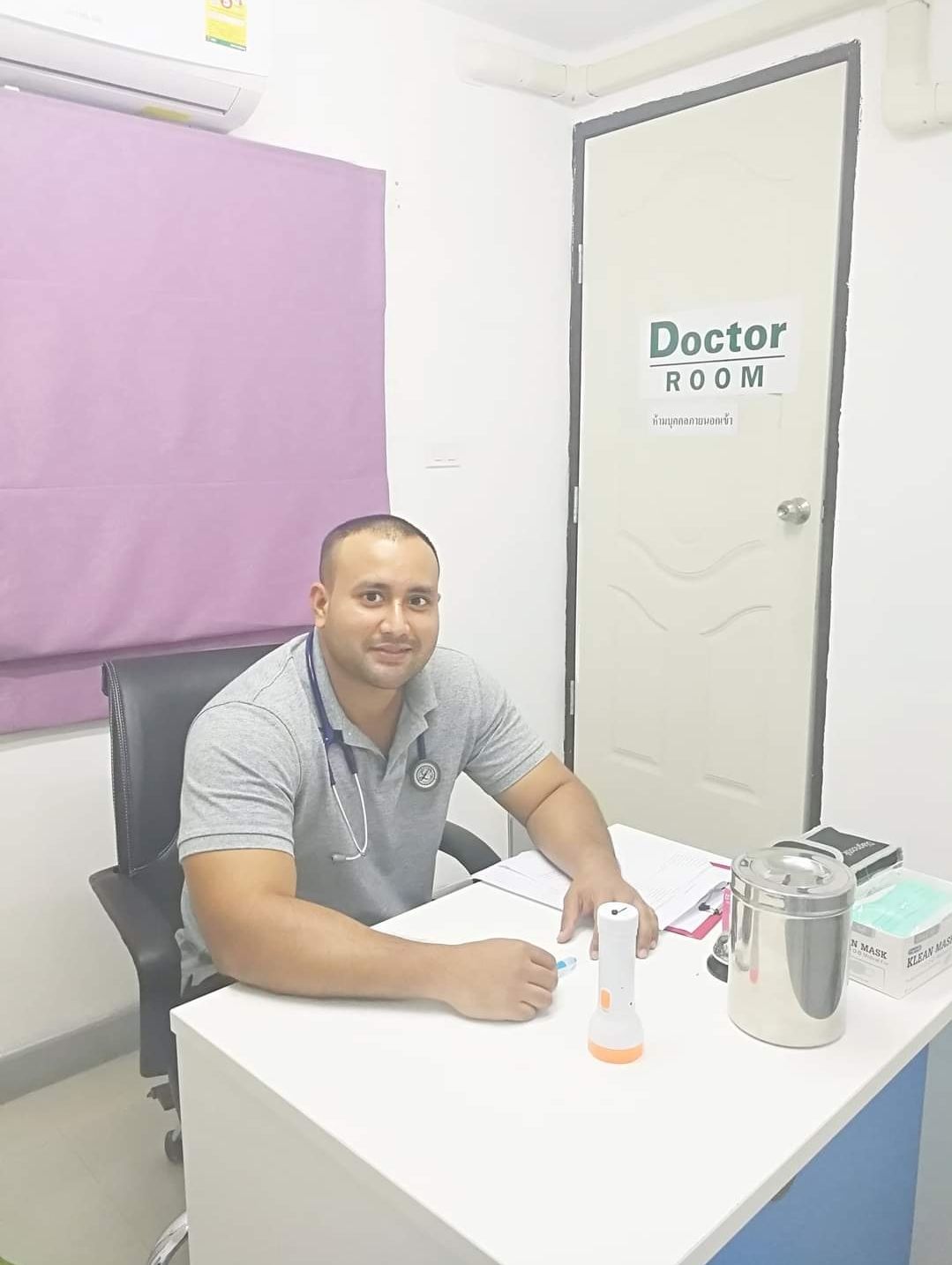
Dr. Ponlawat Pitsuwan is a physician at Doctor Bangkok, a private clinic in central Bangkok. He sees expats, residents, and medical tourists for general medicine, wellness consultations, and IV therapy. His focus is straightforward, evidence-based care delivered in plain language.