
Clinically reviewed by Dr. Ponlawat Pitsuwan, Physician, Doctor Bangkok. Last reviewed: July 2026
UTIs are one of the most common reasons travellers and expats come to see me in Bangkok. The city’s heat, long days out, and disrupted routines all raise your risk. If you have burning when you pee, need to go constantly, or feel pressure in your lower abdomen, do not wait it out. A same-day urine test and the right antibiotic gets most people feeling better within 48 hours.
You are in Bangkok. Maybe you are two days into a holiday, or two months into living here. Something feels wrong and you are Googling symptoms at midnight. Whether it is a UTI that started after a long-haul flight, a question about the morning-after pill, or confusion about whether burning when you pee is an infection or something else, you deserve a straight answer.
This is what I tell patients who come in with these questions every week. Bangkok creates specific conditions for women’s health problems to flare up. Knowing what to do, and how fast to act, makes a real difference.

Why Bangkok specifically raises your UTI risk
I see more UTIs in Bangkok than I did anywhere else I have worked. That is not a coincidence.
The heat here is serious. You can lose more fluid than you realise just walking between air-conditioned spaces. When you are mildly dehydrated, your urine becomes concentrated and your bladder becomes easier for bacteria to irritate.
Bangkok tap water is not safe to drink, so most visitors turn to coffee, iced tea, or beer. All of those irritate the bladder. Long days at temples, on tours, or in tuk-tuks mean limited bathroom access, and holding urine for too long creates problems. Add jet lag and disrupted sleep, and your immune system is not at its best.
None of this is dramatic on its own. But it adds up. It explains why healthy women who have never had a UTI at home often develop one within their first week here.
Should you buy antibiotics at a Bangkok pharmacy for a UTI?
This is the question I get asked most. Bangkok pharmacies are accessible, English-speaking, and will often sell antibiotics without a prescription. I understand why that seems convenient when you are unwell and far from home.
Here is the problem. Without a urine test, there is no way to confirm you have a UTI, or which bacteria is causing it. Travel to Southeast Asia raises your risk of antibiotic-resistant strains. These do not respond to the standard antibiotics most pharmacies will hand you. You may feel slightly better for a day, then worse again.
The other risk is misdiagnosis. Burning when you pee can be a UTI, but it can also be an STI like chlamydia or gonorrhoea, which require completely different treatment. A pharmacy can relieve symptoms. It cannot diagnose you. That distinction matters.

UTI or STI? How to tell the difference in Bangkok
This comes up at least twice a week in my clinic, and it matters because the two infections are treated very differently.
A UTI typically causes burning when you urinate, urgency, frequency, and sometimes cloudy or strong-smelling urine. The symptoms are almost entirely urinary. An STI like chlamydia or gonorrhoea can also cause burning, but more often comes with discharge, pelvic pain, or a timeline that connects clearly to a specific sexual encounter.
The honest answer is that you cannot always tell from symptoms alone. If you have had new sexual contact in Bangkok and you are experiencing urinary symptoms, the safest move is to get both checked at the same appointment. A urine test and a sexual health screen can be done together. You do not need two separate visits.
What to expect at a UTI appointment at Doctor Bangkok
Most patients are nervous about this, especially if they have never used a private clinic abroad. Here is exactly what happens.
You come in, a nurse takes a brief history, and you provide a urine sample. We run a dipstick test in the clinic, which gives results within minutes. If it suggests infection, we send a urine culture to the lab to confirm the bacteria and check which antibiotics it responds to. Culture results take two to three days.
In most uncomplicated cases, I prescribe a short antibiotic course the same day based on the dipstick and your symptoms. Most patients feel significantly better within 24 to 48 hours. If the culture shows a resistant strain, I contact you and adjust the prescription.
The appointment is private, conducted in English, and takes under an hour. If you have travel insurance, ask for an itemised invoice and a clinical summary. UTIs are an acute medical condition and are almost always covered by standard travel insurance policies.
Red flag symptoms that mean you need more than a clinic visit
A lower UTI, meaning an infection in the bladder, is uncomfortable but not dangerous when treated promptly. A kidney infection is a different situation.
Come in urgently, or go to an emergency department, if you develop a high fever, shaking chills, pain in your back or side just below the ribcage, or nausea and vomiting alongside your urinary symptoms. These suggest the infection has moved to the kidneys. Left untreated, that can become serious very quickly.
If you bought antibiotics at a pharmacy and your symptoms are not improving after 48 hours, do not wait longer. Come in.
Can you get the morning-after pill in Bangkok and where?
Yes, you can. Emergency contraception is available at pharmacies across Bangkok without a prescription. The most common option is levonorgestrel, the single-tablet pill most people know as Plan B or a similar brand name. It is widely stocked, inexpensive, and pharmacists will advise you without judgement.
The key thing to know is timing. Levonorgestrel works best within 72 hours of unprotected sex. The sooner you take it, the better it works. After 72 hours, effectiveness drops significantly, though some evidence suggests it may offer some protection up to 120 hours. A different option, ulipristal acetate, is harder to source in Bangkok and may require a clinic visit.
If you are unsure which option is right for you, or need a pregnancy test or STI check at the same time, Doctor Bangkok can see you the same day and go through all your options clearly.
Travelling to Bangkok on the pill: what time zone changes actually mean for you
This causes more confusion than it should. Here is the simple version.
If you take a combined pill, the kind with both oestrogen and progesterone, you have a window of about 12 hours before it is considered missed. The safest approach is to keep taking it at your home time zone time for the first few days, then gradually shift to Bangkok time if you are staying long-term.
Progestogen-only pills, sometimes called the mini-pill, have a stricter three-hour window. If you miss that window, use condoms for the next 48 hours as a backup.
If you are unsure whether you have had adequate pill coverage around your travel dates, emergency contraception is a reasonable option to discuss. You are not overreacting by asking.
Getting an STI check while travelling in Bangkok: what is available and how confidential is it?
Completely confidential. Many patients who come in for sexual health testing are travellers or expats. You do not need a referral. Your results are private.
Testing covers chlamydia, gonorrhoea, syphilis, HIV, hepatitis B, and hepatitis C. Results for most tests come back within two to five days. Rapid HIV testing, which gives a preliminary result within 20 to 30 minutes, is also available.
Window periods matter. Most STIs have a gap between exposure and when a test can reliably detect them. If you have had a recent exposure, tell the doctor the date so we can advise on the right timing for each test. If you think you may have been exposed to HIV within the last 72 hours, do not wait. Post-exposure prophylaxis, known as PEP, must be started within that window to be effective. Go to a clinic or emergency department as soon as possible.
If you are dealing with a UTI, have questions about emergency contraception, or want a confidential STI check while you are in Bangkok, Doctor Bangkok offers same-day appointments with English-speaking physicians. We are centrally located and BTS accessible. Visit doctorbangkok.co.th to book or walk in during clinic hours.
FAQ
Can I just buy antibiotics at a Bangkok pharmacy for my UTI?
You can, but I would advise against it. Without a urine test, there is no way to confirm the infection or check whether the bacteria causing it will respond to standard antibiotics. Travel to Southeast Asia raises your risk of resistant strains, and the wrong antibiotic may suppress symptoms briefly before the infection returns worse. A same-day clinic visit is faster and safer than guessing.
How do I know if I have a UTI or an STI in Bangkok?
Symptoms overlap more than most people realise. Burning urination and pelvic discomfort can come from a UTI or from infections like chlamydia and gonorrhoea. If you have had new sexual contact in Bangkok, the safest move is to get both tested at the same appointment. Doctor Bangkok can run a urine test and an STI screen together so you leave with a clear answer.
Will my travel insurance cover UTI treatment at a private clinic in Bangkok?
In most cases, yes. UTI is an acute medical condition and standard international travel insurance policies typically cover it. Ask the clinic for an itemised invoice and a short clinical summary letter, then contact your insurer’s emergency line before or shortly after your visit. Keep every receipt.
How quickly will I feel better after starting UTI antibiotics in Bangkok?
Most uncomplicated bladder infections improve within 24 to 48 hours of starting the right antibiotic. Full symptom resolution usually takes three to five days. Finish the entire course even when you feel better. If you are not improving after 48 hours, or you develop fever, back pain, or chills, come back in immediately.
Is it normal to get a UTI after a long flight to Bangkok?
Yes, it happens often. Low cabin humidity, limited bathroom access, and prolonged sitting all create conditions that favour UTI development. Arriving into Bangkok’s heat while already dehydrated, then switching to coffee or alcohol, makes things worse. If symptoms appear in your first day or two, do not write it off as jet lag. Get it checked.
What should I do if I think I was exposed to HIV in Bangkok?
This is time-sensitive. PEP must be started within 72 hours of exposure to work. Do not wait to see if symptoms develop. Go to a clinic or emergency department as soon as possible, explain what happened and when, and ask specifically for a PEP assessment. Doctor Bangkok can advise on this during clinic hours.
Can I get the morning-after pill at a Bangkok pharmacy?
Yes. Emergency contraception is available over the counter at most Bangkok pharmacies without a prescription. It works best within 72 hours of unprotected sex, so do not delay. If you are unsure which option is right for you, or you need an STI check at the same time, a clinic appointment covers both in a single visit.
Dr. Ponlawat Pitsuwan
Physician, Doctor Bangkok
a private medical clinic in central Bangkok. He sees expats, residents, and medical tourists for women’s health concerns including UTIs, sexual health testing, emergency contraception, and general travel medicine. His focus is straightforward, evidence-based care delivered in plain language.
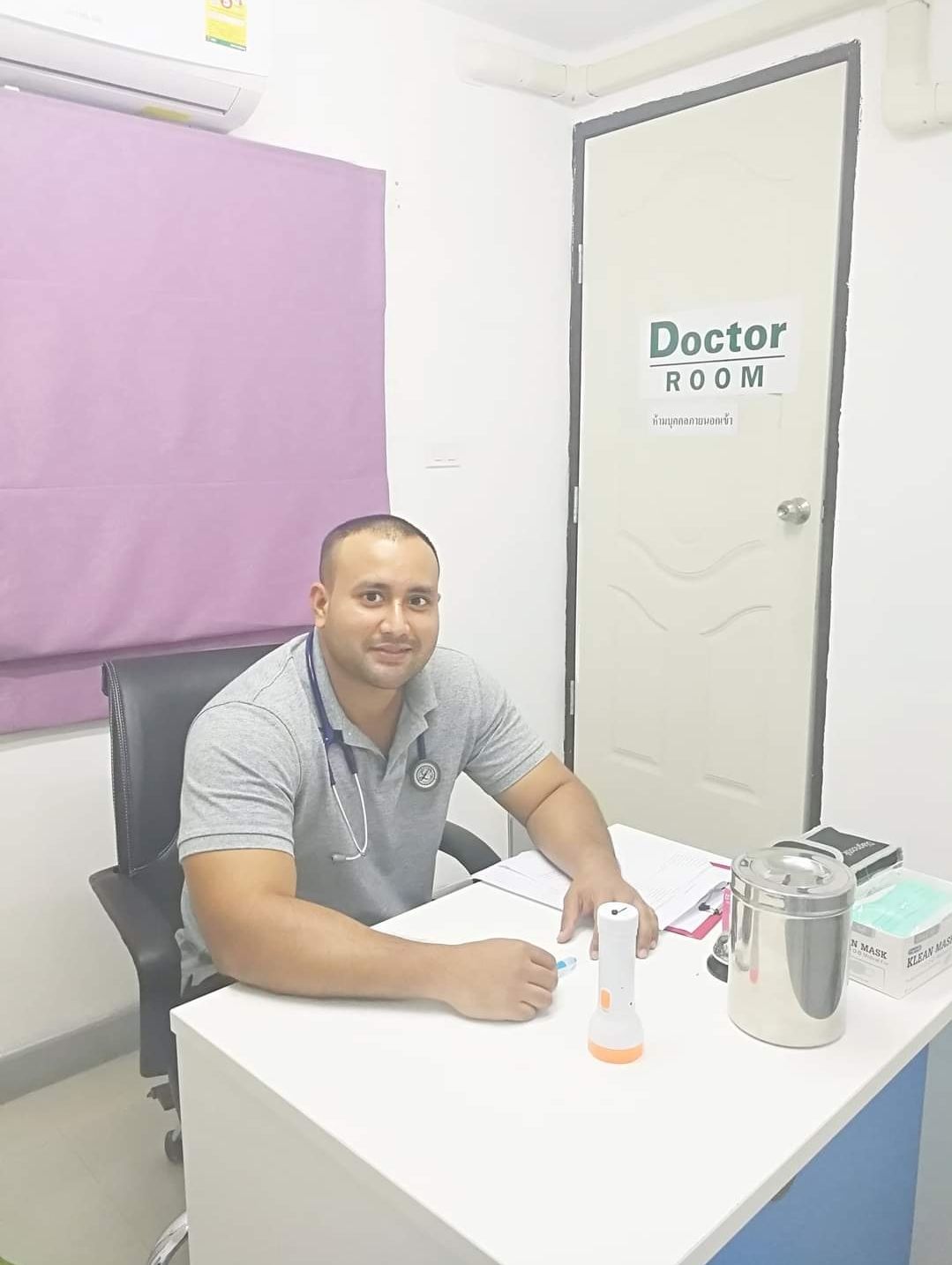
Dr. Ponlawat Pitsuwan is a physician at Doctor Bangkok, a private clinic in central Bangkok. He sees expats, residents, and medical tourists for general medicine, wellness consultations, and IV therapy. His focus is straightforward, evidence-based care delivered in plain language.