
Clinically reviewed by Dr. Ponlawat Pitsuwan, Physician, Doctor Bangkok. Last reviewed: July 2026
An early HIV rash is often a flat or slightly raised reddish rash on the trunk that appears two to four weeks after exposure, usually alongside fever and other flu-like symptoms. It is not itchy in most cases, but a rash alone cannot diagnose HIV. Only a test can.
A rash is one of the most searched-for signs of HIV, and I understand why. It is visible, it feels like evidence, and after a worrying encounter it is natural to scrutinise your skin. In my Bangkok clinic, people often arrive having photographed a rash and compared it to images online.
The difficulty is that skin rashes are extremely common and have countless causes, from heat and allergies to ordinary viral infections. A rash can be part of early HIV, but it never proves it on its own. This article explains what an HIV-related rash tends to look like, and, more importantly, when to stop guessing and get tested.
What does an HIV rash look like?
The rash of acute HIV infection classically appears during the early flu-like illness, roughly two to four weeks after exposure. It is usually described as a flat or slightly raised, reddish or pink rash made up of small spots, most often across the chest, back and trunk, and sometimes the face and limbs.
Typical features
The rash is frequently not itchy, does not usually blister, and tends to appear together with other symptoms such as fever, sore throat, swollen glands and fatigue rather than in isolation. On darker skin it may look more purple or dusky than red. It generally settles on its own over a week or two.
Why appearance is not enough
No rash has a look that is unique to HIV. The same appearance can come from many other viruses, drug reactions and allergic responses. This is why I never tell anyone they do or do not have HIV based on a photo. The rash is a prompt to consider testing, not a diagnosis.
What else causes a rash like this?
In Bangkok’s heat and humidity, prickly heat, fungal rashes and contact allergies are all common and can mimic what people fear is HIV. Viral illnesses such as dengue, other sexually transmitted infections like syphilis, and reactions to new medications can also produce widespread rashes.
The link with other STIs
A rash, especially on the palms and soles, can be a sign of syphilis, which often travels alongside HIV risk. Because these infections share the same routes, a rash after a sexual exposure is a good reason for broader screening. You can read more about this on our STD testing in Bangkok page.
Connecting the rash to your exposure
A rash is far more meaningful when you consider it alongside timing and risk. If you had a possible exposure two to four weeks ago and now have a rash with fever and swollen glands, that combination deserves prompt assessment and testing rather than reassurance from an internet image search.
If your exposure was very recent, within the last 72 hours, emergency prevention may still be an option and is time-critical. Our PrEP and PEP page explains this in detail.
When to see a doctor and get tested
See a doctor if you develop a widespread rash after a possible sexual exposure, particularly with fever, sore throat or swollen glands. You should also be seen promptly if a rash is spreading rapidly, comes with blistering, a high fever, facial swelling or breathing difficulty, or affects your palms and soles, as these can signal conditions that need urgent attention.
Whatever the cause, a rash after a risk is best assessed in person. We can examine it, arrange the right tests and give you a clear plan, all confidentially and without judgement.
Noticed a rash after a possible exposure? Our walk-in clinic in Sukhumvit can examine it and arrange confidential testing the same day. Visit our HIV testing in Bangkok page or contact us to arrange a visit.
Frequently asked questions
Is an HIV rash itchy?
The rash of early HIV is often not itchy, though this varies. Itchiness neither confirms nor rules out HIV, because many other rashes both itchy and non-itchy can look similar.
Where does an HIV rash usually appear?
It most often appears on the trunk, the chest and back, and sometimes the face and limbs. However, its location alone cannot distinguish it from other rashes.
How long does an HIV rash last?
When it is part of early HIV, the rash typically lasts a week or two and settles on its own. Because it fades, waiting for it to disappear is not a substitute for testing.
Can I have HIV without ever getting a rash?
Yes. Many people never develop a rash at all. The absence of a rash does not mean you are HIV-negative, which is why testing after the window period is the only reliable way to know.
Should I get tested if I only have a rash and nothing else?
If the rash follows a possible exposure, it is worth being assessed and tested. A rash without any risk history is far more likely to have an everyday cause, but a doctor can help you decide.
Dr. Ponlawat Pitsuwan
Physician, Doctor Bangkok
Dr. Ponlawat is a physician at Doctor Bangkok, a private medical clinic in central Bangkok. He assesses skin and sexual health concerns for expats and travellers every day and helps patients tell the difference between everyday rashes and signs that warrant testing.
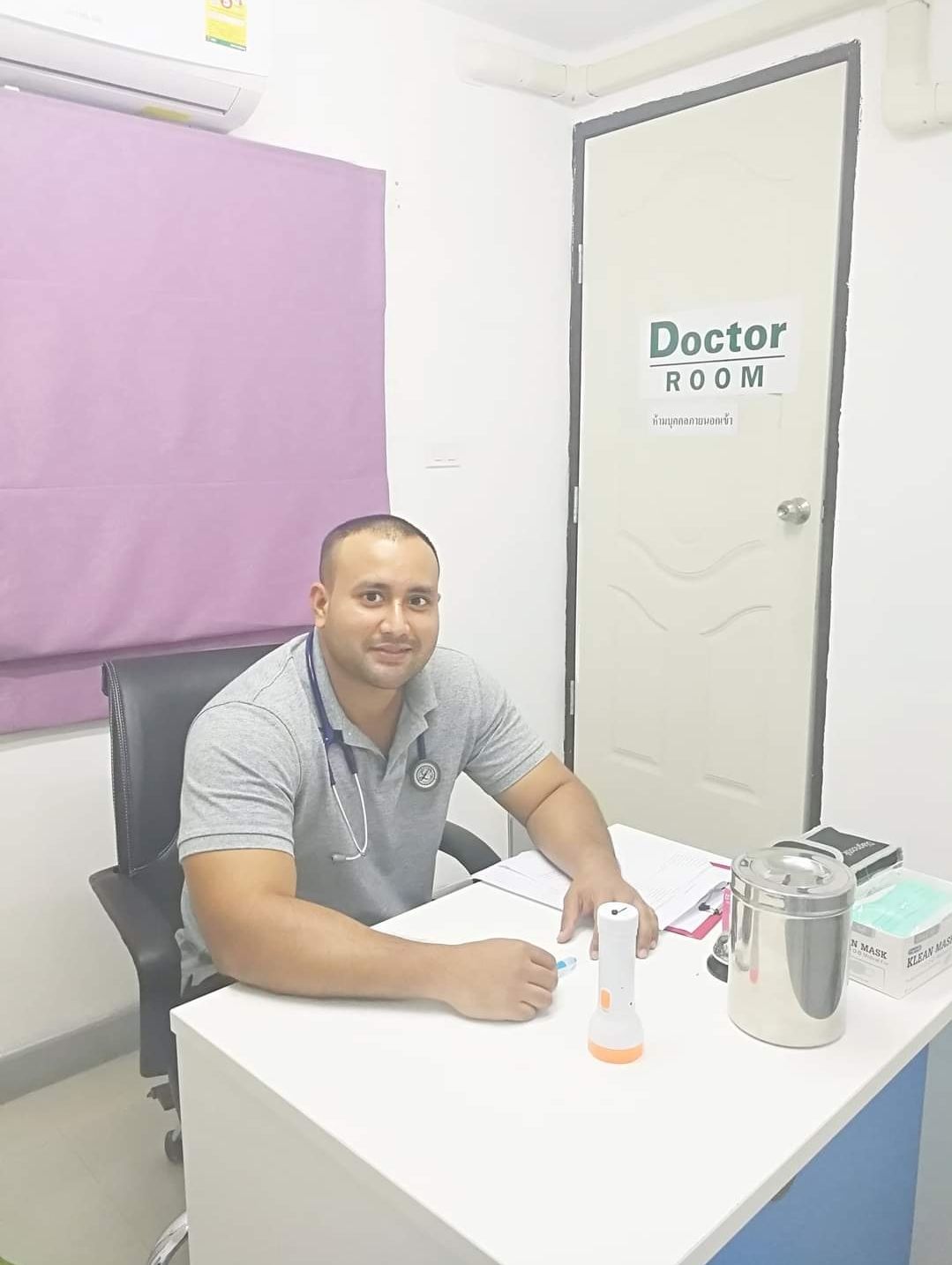
Dr. Ponlawat Pitsuwan is a physician at Doctor Bangkok, a private clinic in central Bangkok. He sees expats, residents, and medical tourists for general medicine, wellness consultations, and IV therapy. His focus is straightforward, evidence-based care delivered in plain language.