
Clinically reviewed by Dr. Ponlawat Pitsuwan, Physician, Doctor Bangkok. Last reviewed: July 2026
Early HIV often causes a flu-like illness roughly two to four weeks after exposure: fever, sore throat, swollen glands and a rash. But symptoms are unreliable, so the only way to know is a test taken after the window period has passed.
In my clinic in Sukhumvit I see a steady stream of expats and travellers who are worried after a specific encounter and want to know what the first signs of HIV look like. It is one of the most common anxious questions I hear, and it is a good one to ask, because early recognition and early testing genuinely change outcomes.
The honest answer is that early HIV symptoms are real but non-specific. They overlap almost completely with ordinary viral infections, which are extremely common in Bangkok’s climate. That is exactly why symptoms can never confirm or rule out HIV on their own. Understanding the timeline and the testing window period is what gives you a clear answer.
What are the early signs of HIV?
Many people who acquire HIV develop what is called acute retroviral syndrome, a short illness that appears as the body first reacts to the virus. It typically begins two to four weeks after exposure and often feels like a bad flu or a bout of glandular fever.
Common early symptoms
The features I most often hear about include fever, a sore throat, extreme tiredness, swollen lymph nodes in the neck or armpits, muscle and joint aches, headache, night sweats, mouth ulcers and a skin rash. Some people have several of these together; others have almost nothing at all.
Why symptoms cannot tell you the answer
Every one of these symptoms is caused far more often by dengue, influenza, a throat infection or simple exhaustion than by HIV. A significant number of people have no early symptoms whatsoever and feel completely well. Because of this, you cannot reason your way to a diagnosis from how you feel. A test is the only reliable step.
The HIV testing window period explained
The window period is the gap between exposure and the point at which a test can reliably detect infection. Test too early and a negative result may be falsely reassuring, because your body has not yet produced enough of what the test is looking for.
How the main tests differ
A modern fourth-generation antigen/antibody blood test looks for both the p24 antigen and antibodies, and generally becomes reliable from around four weeks after exposure, with definitive results by around six weeks. Rapid finger-prick antibody tests detect antibodies only and usually need longer, often up to twelve weeks, to be conclusive. A nucleic acid (RNA) test can detect the virus earliest but is used in specific situations rather than routinely.
What this means in practice
If you test very soon after a possible exposure and the result is negative, a repeat test after the window period is important to be sure. We will always advise you at your consultation which test is appropriate and when to repeat it, based on the timing and nature of the exposure.
Was my exposure actually a risk?
Not every worry is a genuine risk. HIV is transmitted mainly through condomless anal or vaginal sex, shared injecting equipment, and from mother to baby. It is not spread by kissing, sharing food or drinks, toilet seats, insect bites or everyday social contact.
If you have had a higher-risk exposure very recently, there is a time-critical prevention option. Post-exposure prophylaxis must be started within 72 hours, and you can read more about it on our PrEP and PEP page. If you are inside that window, do not wait for symptoms.
When to see a doctor and get tested
See a doctor if you have had a possible exposure, whether or not you feel unwell. If you develop a flu-like illness with fever, sore throat, swollen glands or a rash in the weeks after a risk, that is a clear reason to be assessed and tested. Seek care urgently if a recent higher-risk exposure was within the last 72 hours, as emergency prevention may still be possible.
Testing at our clinic is confidential and non-judgemental. There is no scenario too awkward to discuss, and we see these questions every day.
Worried about a recent exposure or unsure when to test? Our walk-in clinic in Sukhumvit offers confidential HIV testing with clear advice on timing. Learn more on our HIV testing in Bangkok page, or contact us to arrange a visit.
Frequently asked questions
How soon after exposure do HIV symptoms appear?
When they occur, early symptoms usually appear about two to four weeks after exposure. Many people, however, have no early symptoms at all, which is why testing rather than symptom-watching is the reliable approach.
Can I have HIV with no symptoms?
Yes. Some people never develop a noticeable early illness and can feel completely healthy for years while the virus is present. This is precisely why a test is the only way to be certain.
How long should I wait before getting tested?
A fourth-generation blood test is generally reliable from around four weeks, with a confirmatory result by about six weeks. Rapid antibody tests may need up to twelve weeks. We will advise the right timing for your situation at your consultation.
Does an early negative test mean I am in the clear?
Not necessarily. A negative test taken before the window period has passed can be falsely reassuring. If you tested early, a repeat test after the window period is important to confirm the result.
Is HIV testing in Bangkok confidential?
Yes. At our clinic testing is confidential and non-judgemental. You can walk in, ask any question, and receive clear advice without embarrassment.
Dr. Ponlawat Pitsuwan
Physician, Doctor Bangkok
Dr. Ponlawat is a physician at Doctor Bangkok, a private medical clinic in central Bangkok. He regularly sees expats and travellers for confidential sexual health assessment and HIV testing, and focuses on clear, practical advice about exposure risk and the right time to test.
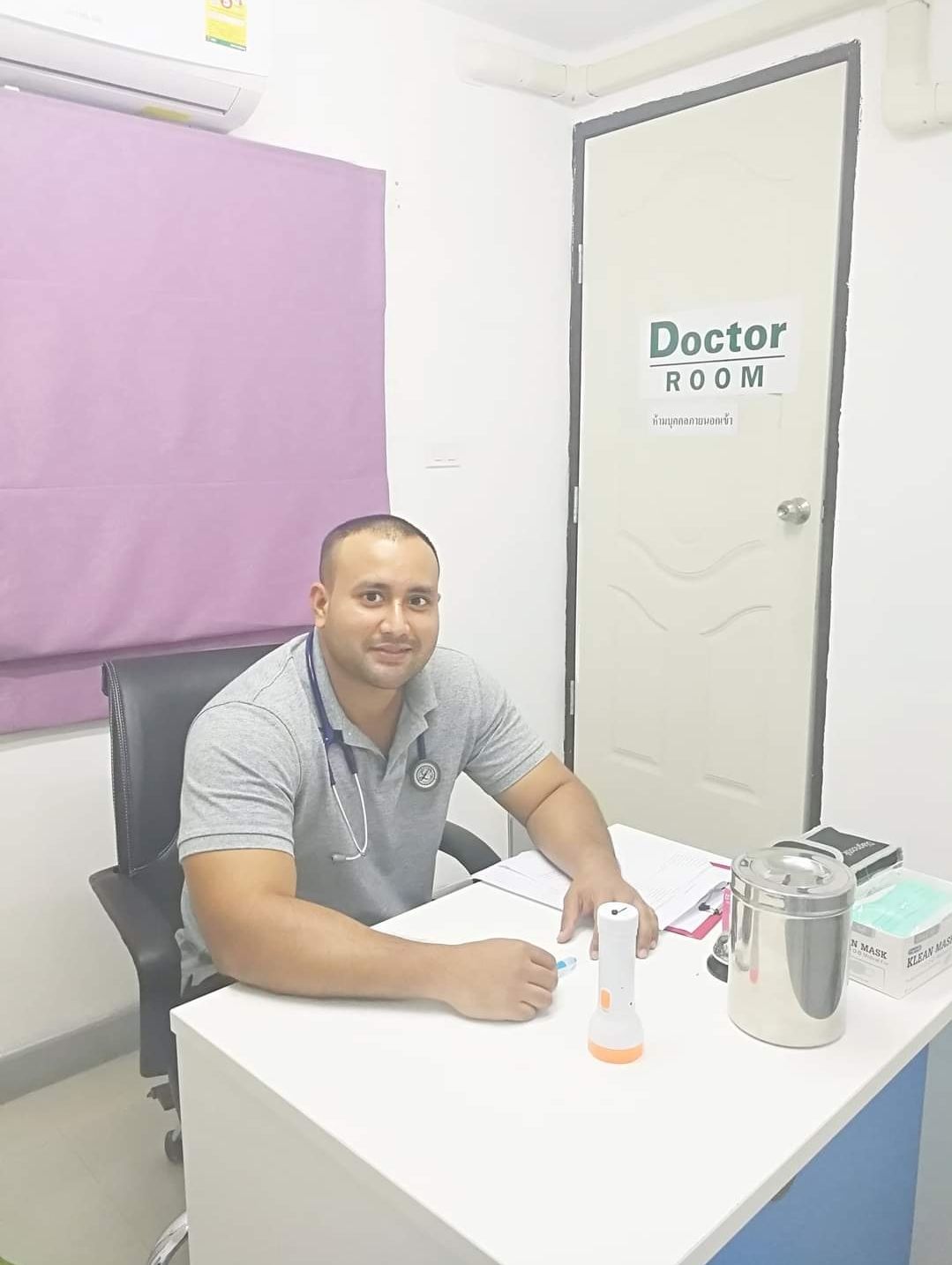
Dr. Ponlawat Pitsuwan is a physician at Doctor Bangkok, a private clinic in central Bangkok. He sees expats, residents, and medical tourists for general medicine, wellness consultations, and IV therapy. His focus is straightforward, evidence-based care delivered in plain language.