
Clinically reviewed by Dr. Ponlawat Pitsuwan, Physician, Doctor Bangkok. Last reviewed: June 2026
HIV is a virus that attacks your immune system over time. AIDS is not a separate disease. It is what happens when HIV goes untreated for long enough that your immune system can no longer protect you. With modern treatment, most people with HIV never reach that stage. A blood test is the only way to know your status.
If you are reading this after a risky night out in Bangkok, after a partner told you their status, or because you simply want to understand what HIV is, you are in the right place. This is not a textbook. This is what I would tell you if you were sitting across from me in my clinic right now.
HIV is one of the most misunderstood conditions I see. People still confuse it with AIDS. They still think a positive result means a death sentence. It does not. The science has changed, and what I want you to leave this page knowing is simple: HIV is manageable, testing is easy, and acting early makes all the difference.

What is HIV exactly?
HIV stands for human immunodeficiency virus. It targets your immune system, specifically the cells your body uses to fight off infection. When those cells are damaged over time, your body becomes less able to defend itself.
The key word is "over time." HIV does not make you sick overnight. Many people live with it for years without knowing. That is exactly what makes testing so important.
HIV is spread through blood, semen, vaginal fluids, rectal fluids, and breast milk. It is not spread through saliva, sweat, air, water, or casual contact. You cannot get it from sharing food, hugging, or using the same toilet.
What is the difference between HIV and AIDS?
This is the question I get asked most often. HIV is the virus. AIDS, which stands for acquired immunodeficiency syndrome, is a late stage of HIV infection. They are not the same thing.
Your immune system has cells called CD4 cells. Think of them as your body’s soldiers. When HIV goes untreated for long enough, it destroys these cells slowly. When your CD4 count drops below 200, or when certain serious infections appear, doctors diagnose AIDS.
Here is the part that matters most: with treatment started early, most people with HIV today never reach AIDS. That is not wishful thinking. That is the reality of modern medicine.

The stages of HIV infection
The first stage is acute HIV infection. This covers the first few weeks after exposure. About two in three people get flu-like symptoms: fever, swollen glands, sore throat, rash, muscle aches. I see this often in Bangkok, where patients first assume it is dengue fever or a bad cold.
The second stage is clinical latency. The virus is still active and your immune system is still being affected, but you feel completely fine. This stage can last a decade or more without treatment. You can still pass HIV to others during this time, even with no symptoms.
The third stage is AIDS. This only happens if HIV goes untreated long enough. Your body can no longer fight off infections that a healthy immune system would handle easily. Starting treatment can reverse much of this damage.
What are opportunistic infections?
Opportunistic infections are infections that take hold when the immune system is too weak to stop them. A healthy person would fight them off easily. In someone with advanced untreated HIV, they can be life-threatening.
Some of these infections are what doctors use to confirm an AIDS diagnosis. The important point is that they are largely preventable. Get on treatment early, keep your immune system strong, and most of these never become a problem.
Is HIV curable? What modern treatment can and cannot do
There is no cure for HIV yet. I want to be honest about that. But the treatment we have is so effective that for most people it changes very little about day-to-day life.
Antiretroviral therapy, or ART, keeps the virus suppressed. Your immune system recovers. Many people take one pill once a day. When your viral load stays undetectable, you cannot sexually transmit HIV to a partner. This is called U=U: undetectable equals untransmittable. It is backed by strong evidence from large clinical studies.
HIV hides inside resting immune cells where medication cannot reach it. Stop taking medication and the virus returns within weeks. Researchers are working on approaches that may one day change this, including gene editing and broadly neutralising antibodies, but for now the goal is lifelong viral suppression, which is very achievable.
If you think you have been exposed in the last 72 hours, PEP (post-exposure prophylaxis) can prevent infection from taking hold. It must be started as soon as possible. If you are at ongoing risk, PrEP (pre-exposure prophylaxis) is a daily medication that is highly effective at preventing HIV in HIV-negative people. Both are available in Bangkok.
How to know if you have HIV — and why testing is the only answer
You cannot tell by how you feel. That is the honest answer. Early symptoms look like a dozen other conditions. During the latency stage there are no symptoms at all. The only way to know is to test.
A fourth-generation HIV test looks for both the virus itself and your body’s antibody response. It can detect infection from around 14 to 21 days after exposure. At 45 days the result is highly reliable. At 90 days it is conclusive for most people.
The window period is the gap between exposure and when a test can reliably detect infection. Testing too early can give a negative result that is not yet accurate. If you are unsure when you were exposed or how soon to test, come in and we will work through the timing with you.
Private HIV testing in Bangkok is fast and confidential. At Doctor Bangkok, results come back the same day or next day depending on the test. Every consultation is in English and handled with full discretion. You can book your HIV test at doctorbangkok.co.th/hiv-testing-bangkok/ or walk in during clinic hours.
Concerned about HIV exposure or ready to know your status? Doctor Bangkok offers confidential HIV testing in central Bangkok with English-speaking physicians, same-day or next-day results, and a judgement-free consultation. We also provide PrEP assessments and PEP for recent exposures. Book at doctorbangkok.co.th/hiv-testing-bangkok/ or walk in. BTS accessible.
Frequently asked questions
Can I have HIV and feel completely healthy?
Yes, and this is exactly why so many people do not know their status. During the clinical latency stage, HIV is active and transmissible but causes no symptoms, sometimes for a decade or more. The only way to know is to get tested.
If someone is undetectable, can they still transmit HIV?
No. When someone on ART has a sustained undetectable viral load, the risk of sexual transmission is effectively zero. This is the U=U principle: undetectable equals untransmittable. It requires consistent medication and regular monitoring to maintain.
Is AIDS a death sentence?
Not with modern treatment. AIDS is a stage of HIV infection defined by a CD4 count below 200 or certain serious infections. With antiretroviral therapy, even people diagnosed at the AIDS stage can recover immune function and live long, healthy lives. Early testing and treatment remain the most important steps you can take.
Why is there no cure for HIV if treatment works so well?
HIV hides inside resting immune cells where medication cannot reach it. Stop treatment and the virus rebounds from those hidden reservoirs. Research into gene editing and other approaches may one day change this, but for now lifelong viral suppression is the goal, and it is very achievable.
What is the window period for an HIV test?
The window period is the gap between exposure and when a test can accurately detect infection. With a fourth-generation test, most infections are detectable from around 14 to 21 days. A result at 45 days is highly reliable, and at 90 days it is considered conclusive for most people. Testing too early can give a falsely negative result.
Where can I get a confidential HIV test in Bangkok?
Doctor Bangkok offers private, confidential HIV testing in central Bangkok with English-speaking doctors and fast results. A fourth-generation test can detect HIV from around two to three weeks after exposure. You can book at doctorbangkok.co.th/hiv-testing-bangkok/ or walk in during clinic hours.
What is PrEP and should I be taking it?
PrEP is a daily medication that prevents HIV in HIV-negative people. It is highly effective when taken consistently and is a good option if you have ongoing exposure risk. Come in for an assessment and we will go through whether it is the right choice for you.
Dr. Ponlawat Pitsuwan
Physician, Doctor Bangkok
a private medical clinic in central Bangkok. He sees expats, residents, and visitors for HIV testing, sexual health consultations, and PrEP and PEP assessments. His focus is clear, evidence-based care delivered in plain language.
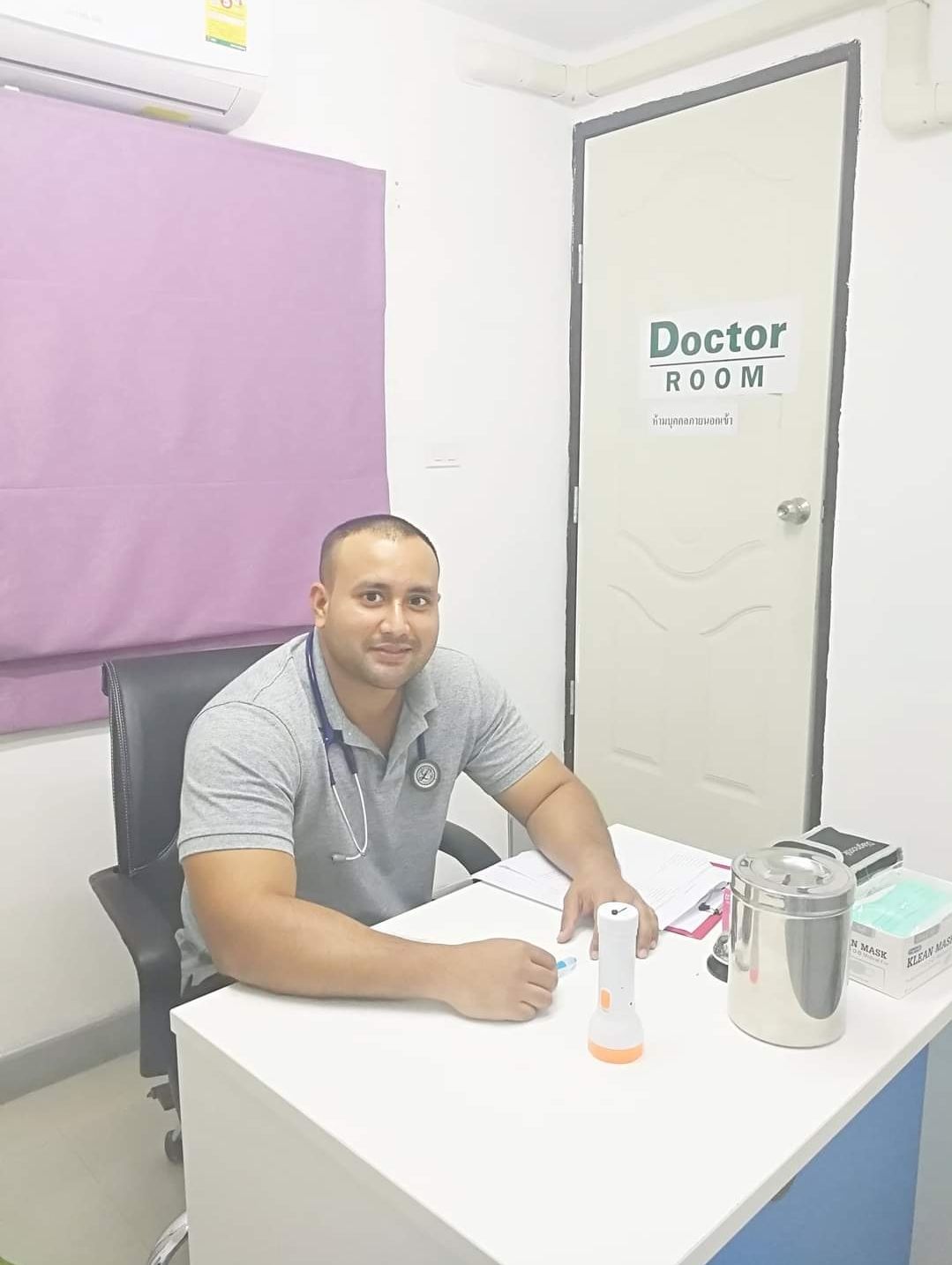
Dr. Ponlawat Pitsuwan is a physician at Doctor Bangkok, a private clinic in central Bangkok. He sees expats, residents, and medical tourists for general medicine, wellness consultations, and IV therapy. His focus is straightforward, evidence-based care delivered in plain language.