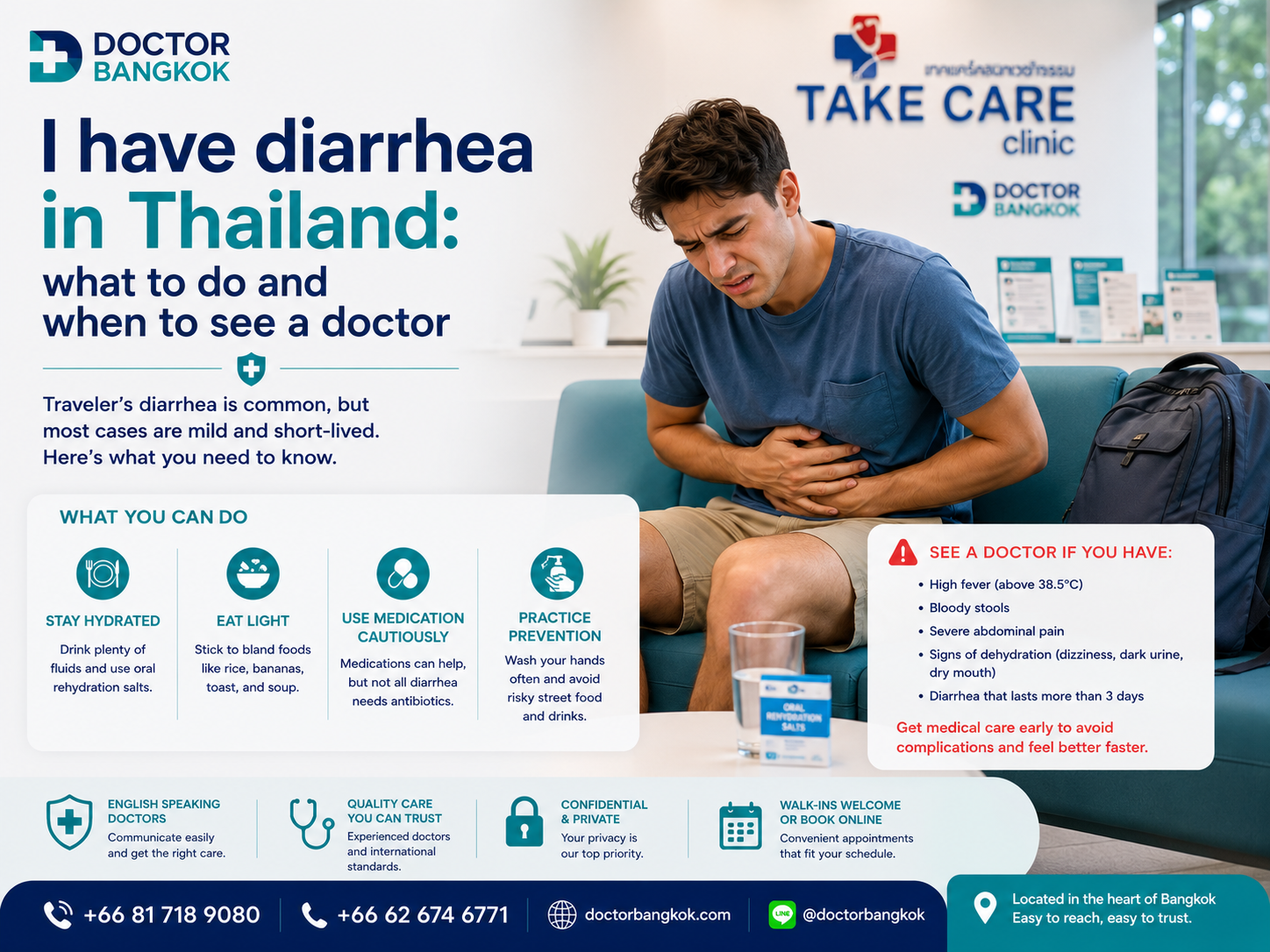

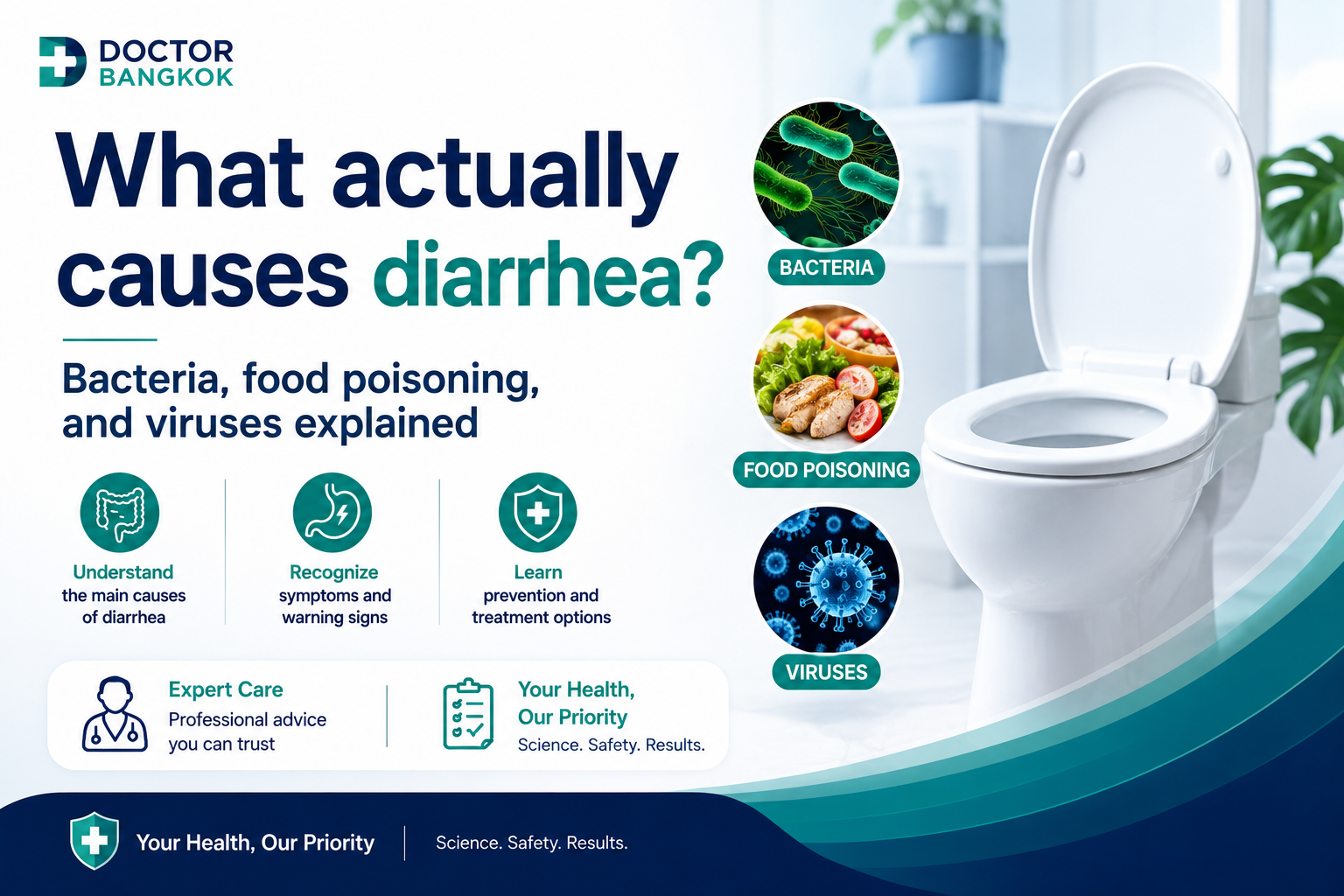
Diarrhea has three main infectious causes: bacteria such as Salmonella and E. coli, viruses such as norovirus, and parasites including Giardia. Bacterial causes typically involve contaminated food or water and last 3 to 7 days. Viral gastroenteritis spreads person-to-person and resolves within 1 to 3 days. Parasitic infections persist longer and require specific antimicrobial treatment. The incubation period, symptom pattern, and duration help distinguish between causes and determine whether antibiotics are appropriate.
Three patients presented at this clinic on the same morning with diarrhea. The first had eaten street food two days earlier and developed bloody stools with fever, consistent with bacterial food poisoning. The second had caught norovirus from their child’s daycare and presented with watery diarrhea and vomiting. The third had been taking antibiotics for a respiratory infection and developed C. difficile colitis. Same presenting symptom, three completely different causes requiring three different approaches.
Understanding what triggers diarrhea matters because the cause determines both treatment and timeline. Bacterial infections may need antibiotics or could worsen with them. Viral gastroenteritis resolves without targeted treatment but spreads easily. Parasitic causes persist without specific medication. In Bangkok’s international community, where people encounter unfamiliar pathogens and often self-treat with antibiotics purchased over the counter, getting this distinction right becomes clinically critical. Doctor Bangkok provides stool testing and same-day assessment to identify the specific cause rather than treating empirically.
The mechanism is always disrupted intestinal function, but the trigger varies significantly. Bacterial toxins damage intestinal cells directly or trigger excessive fluid secretion. Viruses inflame the intestinal lining and impair water absorption. Parasites attach to intestinal walls and interfere with nutrient uptake. Each pathway produces diarrhea through a different process and calls for different management.

Infectious diarrhea: bacterial, viral, and parasitic causes
Bacterial diarrhea develops when pathogenic bacteria release enterotoxins that damage intestinal cells or trigger fluid secretion far exceeding the colon’s absorptive capacity. Salmonella, Campylobacter, and enterotoxigenic E. coli are the most common bacterial causes seen in Bangkok. These bacteria typically enter through contaminated food or water, multiply in the small intestine, and produce toxins that drive inflammation and rapid fluid loss.
The incubation period for bacterial causes ranges from 6 hours to 3 days depending on the organism and the quantity ingested. Salmonella typically takes 12 to 36 hours to produce symptoms. Enterotoxigenic E. coli, the leading cause of traveler’s diarrhea, can trigger watery diarrhea within 6 to 24 hours of ingestion. Campylobacter has a longer incubation period of 2 to 3 days and often produces bloody diarrhea with severe cramping.
Viral gastroenteritis works through a different mechanism. Norovirus and rotavirus infect intestinal epithelial cells directly, causing inflammation and temporarily disrupting the intestine’s ability to absorb water and electrolytes. Viral causes spread person-to-person through the fecal-oral route and typically resolve faster than bacterial infections, usually within 1 to 3 days. There is no targeted treatment; management focuses on hydration and rest.
Parasitic diarrhea involves organisms that physically attach to or invade intestinal walls. Giardia lamblia attaches to the small intestine and interferes with fat absorption, often causing greasy, foul-smelling stools. Cryptosporidium damages intestinal cells and can cause prolonged watery diarrhea, particularly in immunocompromised patients. These infections do not resolve without treatment using specific antimicrobials targeted to the responsible organism.
Infective vs infectious diarrhea: is there a difference?
The terms are functionally identical in clinical practice. Both describe diarrhea caused by infectious agents: bacteria, viruses, or parasites. Some textbooks attempt a distinction where infective refers to organism-caused illness and infectious to transmissibility, but this semantic difference carries no practical clinical relevance.
What matters is determining whether diarrhea stems from an infectious agent or a non-infectious cause such as medications, inflammatory bowel disease, or malabsorption. Infectious diarrhea typically has acute onset, fever, and cramping. Non-infectious causes often develop more gradually and lack the systemic signs that point toward a pathogen requiring identification and treatment.
Traveler’s diarrhea in Bangkok: the most common expat experience
Traveler’s diarrhea is among the most frequent complaints from newly arrived expats and visitors at this clinic. Enterotoxigenic E. coli accounts for a large proportion of cases, followed by Campylobacter and Salmonella. The problem is not uniquely poor hygiene but exposure to bacterial strains that local residents have developed tolerance to through years of gradual exposure. Your digestive immune system has no prior encounter with these specific strains.
Newly arrived expats commonly develop diarrhea within their first month in Bangkok. The classic presentation is sudden watery diarrhea 1 to 2 days after eating at local restaurants, night markets, or street vendors. Most cases resolve within 3 to 5 days without targeted treatment, but dehydration in Bangkok’s heat can progress faster than people expect. Oral rehydration solutions are available at Thai pharmacies without prescription and should be started early rather than waiting until dehydration becomes clinically obvious. Formal assessment at Doctor Bangkok is appropriate when fever, blood, or symptoms beyond 48 hours are present.
The bacterial strains circulating in Thailand show different antibiotic resistance patterns than those in Western countries. Fluoroquinolone resistance among E. coli and Campylobacter has increased substantially over the past decade in Southeast Asia. This shift makes empirical antibiotic treatment less reliable and reinforces why proper bacterial identification matters before choosing a treatment approach.
Drug-resistant bacteria: why self-treating can backfire
Antibiotic resistance among enteric bacteria is rising across Southeast Asia. Many E. coli strains in Thailand now resist ciprofloxacin, which was traditionally the first-line treatment for traveler’s diarrhea. Campylobacter resistance to fluoroquinolones is particularly pronounced in regional studies of Thai strains.
Self-prescribing antibiotics from Bangkok pharmacies is a common practice among expats and can worsen outcomes in several ways. Taking an antibiotic that the specific bacterial strain resists allows resistant bacteria to proliferate while sensitive normal flora is eliminated. This creates conditions for secondary infections including C. difficile, and can prolong symptoms rather than shortening them.
Bacterial identification through stool culture or molecular testing determines which antibiotic works against the specific strain causing the infection. What resolved your colleague’s illness may not work for yours, particularly if you acquired a different strain or have recently taken other antibiotics that have already altered your gut flora.

Food poisoning diarrhea: how it differs from other causes
Food poisoning involves ingestion of preformed bacterial toxins or very high bacterial loads in contaminated food. Onset is typically rapid, within hours rather than days, because the toxins or large quantities of bacteria trigger an immediate intestinal response without requiring time to multiply further. Staphylococcus aureus food poisoning can begin within 30 minutes to 2 hours of eating contaminated food.
The clinical pattern differs from gradual-onset infectious diarrhea. Food poisoning usually begins with nausea and vomiting, followed by cramping and diarrhea. When multiple people eat the same contaminated food and develop similar symptoms within similar timeframes, a shared food source is the likely cause. The illness tends to be intense but shorter-lived than other bacterial causes because the toxin load, rather than an ongoing infection, drives the symptoms.
Clostridium perfringens causes a distinct form of food poisoning common in reheated meat dishes. Symptoms begin 8 to 12 hours after eating and include cramping diarrhea without vomiting or fever, distinguishing it from other food poisoning presentations. The bacteria produce toxins in inadequately reheated food that has been held at room temperature, which is a common scenario in catered events and some Bangkok street food settings where large quantities of food are prepared well in advance.
Temperature control is a key factor. Bacterial multiplication accelerates in Bangkok’s ambient heat. Food held between 4 and 60 degrees Celsius allows rapid bacterial multiplication. This temperature danger zone represents a particular challenge for food left unrefrigerated in Bangkok’s outdoor restaurant and market settings, where keeping food consistently cold is more difficult than in air-conditioned environments.
Salmonella diarrhea: symptoms, duration, and treatment
Salmonella gastroenteritis typically begins 12 to 36 hours after ingestion with sudden cramping, fever, and watery diarrhea that may develop bloody characteristics over the following 24 hours. Nausea and vomiting often precede the diarrheal phase. Fever accompanies most cases and helps distinguish Salmonella from purely toxin-mediated food poisoning, where fever is typically absent or mild.
The infection usually lasts 4 to 7 days and resolves without antibiotics in healthy adults. Salmonella organisms invade intestinal walls but rarely enter the bloodstream in uncomplicated cases. Symptoms peak within 48 to 72 hours and then gradually subside. Stools may contain mucus and blood due to intestinal wall inflammation.
Antibiotic treatment for uncomplicated Salmonella gastroenteritis is not always recommended and can prolong the carrier state. The bacteria can survive inside cells during antibiotic treatment and re-emerge after the course ends. Antibiotics are reserved for patients with severe illness, immunocompromise, or clinical evidence of bloodstream spread.
Complications include bacteremia, particularly in patients over 65, those with chronic illnesses, and immunocompromised individuals. Typhoid fever results from specific Salmonella serotypes and requires antibiotic treatment as part of the standard management protocol. Any Salmonella diarrhea with high fever persisting beyond 3 days warrants medical evaluation for possible complications beyond simple gastroenteritis.
C. diff diarrhea: when antibiotics lead to a serious infection
Clostridioides difficile colitis develops when antibiotics disrupt the normal intestinal bacterial environment, allowing C. difficile spores to germinate and multiply. The bacteria produce toxins that cause inflammation ranging from mild diarrhea to life-threatening colitis. Nearly any antibiotic can trigger C. difficile, but fluoroquinolones, clindamycin, and broad-spectrum penicillins carry the highest risk. This is clinically relevant in Bangkok, where fluoroquinolones are frequently dispensed over the counter for respiratory infections and traveler’s diarrhea.
The timeline from antibiotic exposure to C. difficile symptoms varies but typically begins during the antibiotic course or within two months of completing it. Patients often recall recent antibiotic use for respiratory infections, dental work, or self-treatment of an earlier episode of diarrhea. Multiple antibiotic courses increase risk substantially with each additional exposure.
Hospital exposure amplifies risk because C. difficile spores survive on surfaces for extended periods and are not eliminated by standard cleaning agents. Patients with recent hospital stays or surgical procedures face higher risk. Community-acquired C. difficile, without any healthcare exposure, is increasingly recognised and should not be excluded based on absence of hospital contact.
Age over 65, regular proton pump inhibitor use, and immunosuppression further increase susceptibility. The combination of antibiotics with acid suppression creates conditions that favour C. difficile spore survival and toxin production, making it relevant to consider when both medications appear in a patient’s history.
C. difficile diarrhea: symptoms and how it is treated
C. difficile diarrhea typically presents as frequent watery stools with a characteristic strong odour, often accompanied by lower abdominal cramping and low-grade fever. Mild cases produce 3 to 5 loose stools daily. Severe cases can involve 10 or more watery stools per day with dehydration, fever above 38.5 degrees Celsius, and significant abdominal pain.
Severe C. difficile produces pseudomembranous colitis, where toxins create yellow-white plaques on the colon wall visible on colonoscopy. Patients develop severe abdominal pain, distension, and systemic toxicity. Toxic megacolon, a life-threatening complication, can develop rapidly in fulminant cases and may require surgical intervention.
Treatment involves stopping the triggering antibiotic when possible, then starting targeted treatment. Oral vancomycin is the preferred option for most cases. Fidaxomicin reduces recurrence rates but is significantly more expensive and not always readily available in Bangkok. Metronidazole is reserved for mild cases due to increasing treatment failure rates with more severe presentations.
Recurrence is a recognised challenge after initial treatment and becomes more likely with each subsequent episode. Fecal microbiota transplantation is an emerging option for recurrent C. difficile but requires specialist facilities and is not widely available in Bangkok. Prevention focuses on appropriate antibiotic use, which means obtaining a proper diagnosis before starting any antibiotic course.
When diarrhea becomes a medical emergency
Severe dehydration can develop quickly with high-volume diarrhea, and Bangkok’s heat accelerates this. Warning signs include dizziness when standing, decreased urination, dry mouth and tongue, and skin that remains elevated when pinched. These signs indicate significant fluid loss that may require intravenous replacement rather than continued oral hydration.
Bloody diarrhea with high fever suggests invasive bacterial infection that may progress to bacteremia. Salmonella, Shigella, and Campylobacter can invade through intestinal walls into the bloodstream. Fever above 39 degrees Celsius with bloody stools requires urgent evaluation and clinical assessment of whether antibiotic treatment is appropriate.
Signs of severe colitis include continuous abdominal pain, abdominal distension, and reduced bowel sounds. These can indicate serious complications including toxic megacolon or intestinal perforation. C. difficile colitis can escalate to life-threatening toxic megacolon rapidly, particularly in older patients or those on immunosuppressive medication.
Electrolyte imbalances from prolonged diarrhea can cause cardiac rhythm changes and severe muscle weakness. Patients with underlying heart conditions or diabetes face higher risk from fluid and electrolyte losses than healthy adults. Any diarrhea lasting more than 7 days, or worsening after an initial period of improvement, warrants medical evaluation rather than continued home management.
Stool testing: when you need laboratory confirmation
Stool culture identifies specific bacterial pathogens and their antibiotic sensitivities, which is essential for targeted treatment in an environment where resistance patterns are changing. Testing is appropriate for bloody diarrhea, fever above 38.5 degrees, symptoms lasting beyond 7 days, or suspected antibiotic-resistant infection. Healthcare workers and food handlers with diarrhea require testing to prevent transmission. Doctor Bangkok provides stool culture, parasite examination, and molecular testing with results typically available within 24 to 48 hours.
Molecular testing using PCR can identify bacteria, viruses, and parasites more rapidly than traditional culture methods, with results available within hours in some settings. This is particularly useful for identifying viral causes and parasites such as Giardia that are difficult to culture by conventional methods and are frequently missed on routine stool examination.
C. difficile testing requires specific toxin assays rather than routine stool culture. The organism can be present in normal bowel flora without causing illness, so detecting the bacteria alone is insufficient. Testing must confirm toxin production to establish active C. difficile infection and justify treatment.
If you are experiencing persistent diarrhea, bloody stools, high fever, or signs of dehydration in Bangkok’s heat, early assessment prevents avoidable deterioration. At Doctor Bangkok, same-day consultations include stool testing and evidence-based treatment tailored to the specific cause. Our central Bangkok location is BTS accessible. Visit our diarrhea treatment page to book your consultation or contact us directly when symptoms are urgent.
Frequently Asked Questions
How quickly can bacterial diarrhea develop after eating contaminated food?
Onset varies by organism and the quantity of bacteria or toxin ingested. Staphylococcus aureus food poisoning can begin within 30 minutes to 2 hours of eating contaminated food. Salmonella typically takes 12 to 36 hours. Enterotoxigenic E. coli, the most common cause of traveler’s diarrhea in Bangkok, usually produces symptoms within 6 to 24 hours. Campylobacter has the longest incubation period at 2 to 3 days, which is why patients sometimes cannot identify the specific meal responsible. The higher the bacterial load in the contaminated food, the shorter the time to symptom onset, which is why large-batch catered food and reheated dishes carry particular risk.
Can you tell if diarrhea is bacterial or viral without testing?
Clinical patterns provide useful clues but overlap enough to cause diagnostic errors. Bacterial diarrhea more often includes fever, bloody stools, and severe cramping. Viral gastroenteritis typically involves vomiting alongside diarrhea, lasts 1 to 3 days, and spreads to household contacts rapidly. However, these patterns are not absolute: some bacterial infections are afebrile and non-bloody, and some viral infections produce prolonged symptoms. In Bangkok, where resistant bacterial strains are circulating and antibiotic availability over the counter is easy, getting proper laboratory confirmation before starting treatment is more clinically important than in settings where antibiotic choice is more predictable.
Why do antibiotics sometimes make diarrhea worse?
Antibiotics can worsen diarrhea through several mechanisms. They suppress the normal intestinal bacteria that compete with and suppress pathogenic organisms, allowing resistant bacteria or C. difficile to establish themselves. For Salmonella specifically, antibiotics can extend the carrier state by allowing bacteria to survive inside cells and re-emerge after the course ends. For viral and parasitic causes, antibiotics provide no benefit while still disrupting normal flora and risking secondary complications. The practical point in Bangkok is that obtaining a stool test before starting an antibiotic is faster and safer than treating based on symptom pattern alone.
How long should you wait before seeing a doctor for diarrhea?
Seek immediate medical attention for bloody stools with fever, signs of severe dehydration, or persistent abdominal pain that does not ease between episodes. See a doctor within 24 to 48 hours if diarrhea continues with fever above 38.5 degrees Celsius, if you are immunocompromised, or if symptoms worsen after an initial period of apparent improvement. For milder cases, medical assessment is appropriate if diarrhea persists beyond 5 to 7 days without a clear trend toward resolution. Doctor Bangkok offers same-day diarrhea evaluation for patients who need prompt assessment without waiting for a scheduled appointment.
Is traveler’s diarrhea always caused by poor hygiene?
No. Traveler’s diarrhea occurs frequently despite careful attention to food hygiene because the underlying issue is immunological rather than solely hygienic. Local residents have developed tolerance to bacterial strains through years of regular low-level exposure, and your digestive immune system has no prior encounter with these specific organisms. Even well-prepared food at reputable restaurants can contain bacterial levels that cause illness in a non-immune traveler. Ice, raw vegetables, and tap water represent common sources, but restricting to seemingly safe options does not fully eliminate risk, particularly in the first few weeks after arriving in Bangkok.
What is the difference between gastroenteritis and food poisoning?
Gastroenteritis is a broader term describing inflammation of the stomach and intestines from any cause: bacterial, viral, parasitic, or non-infectious. Food poisoning specifically refers to illness resulting from eating contaminated food containing bacteria, preformed toxins, or chemical contaminants. All food poisoning causes gastroenteritis, but not all gastroenteritis comes from contaminated food. Viral gastroenteritis, the most common cause of acute diarrhea globally, spreads person-to-person through fecal-oral transmission rather than through food, which is why household clusters of illness often point toward a viral rather than food-based origin.
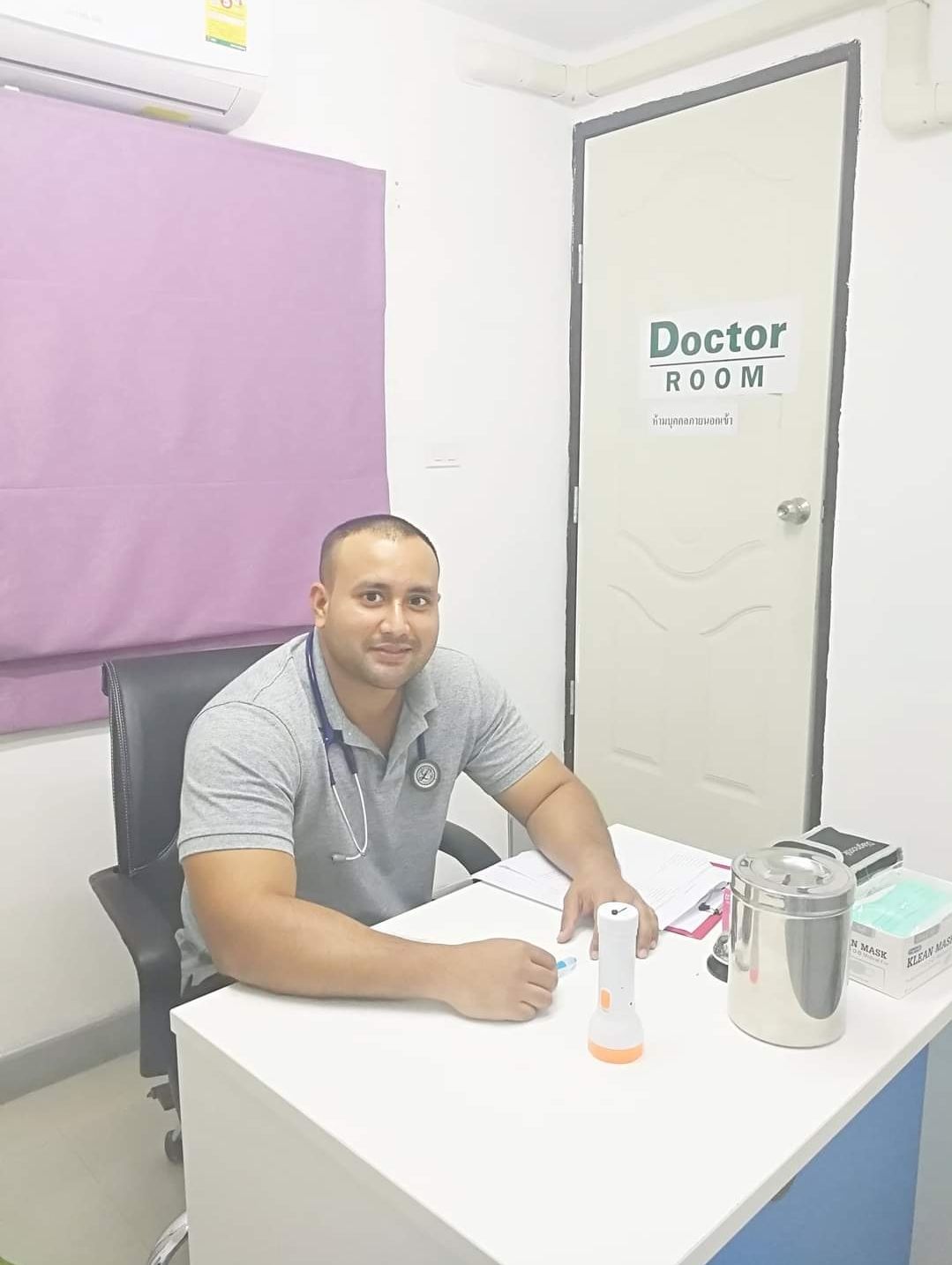
Dr. Ponlawat Pitsuwan is a physician at Doctor Bangkok, a private clinic in central Bangkok. He sees expats, residents, and medical tourists for general medicine, wellness consultations, and IV therapy. His focus is straightforward, evidence-based care delivered in plain language.