
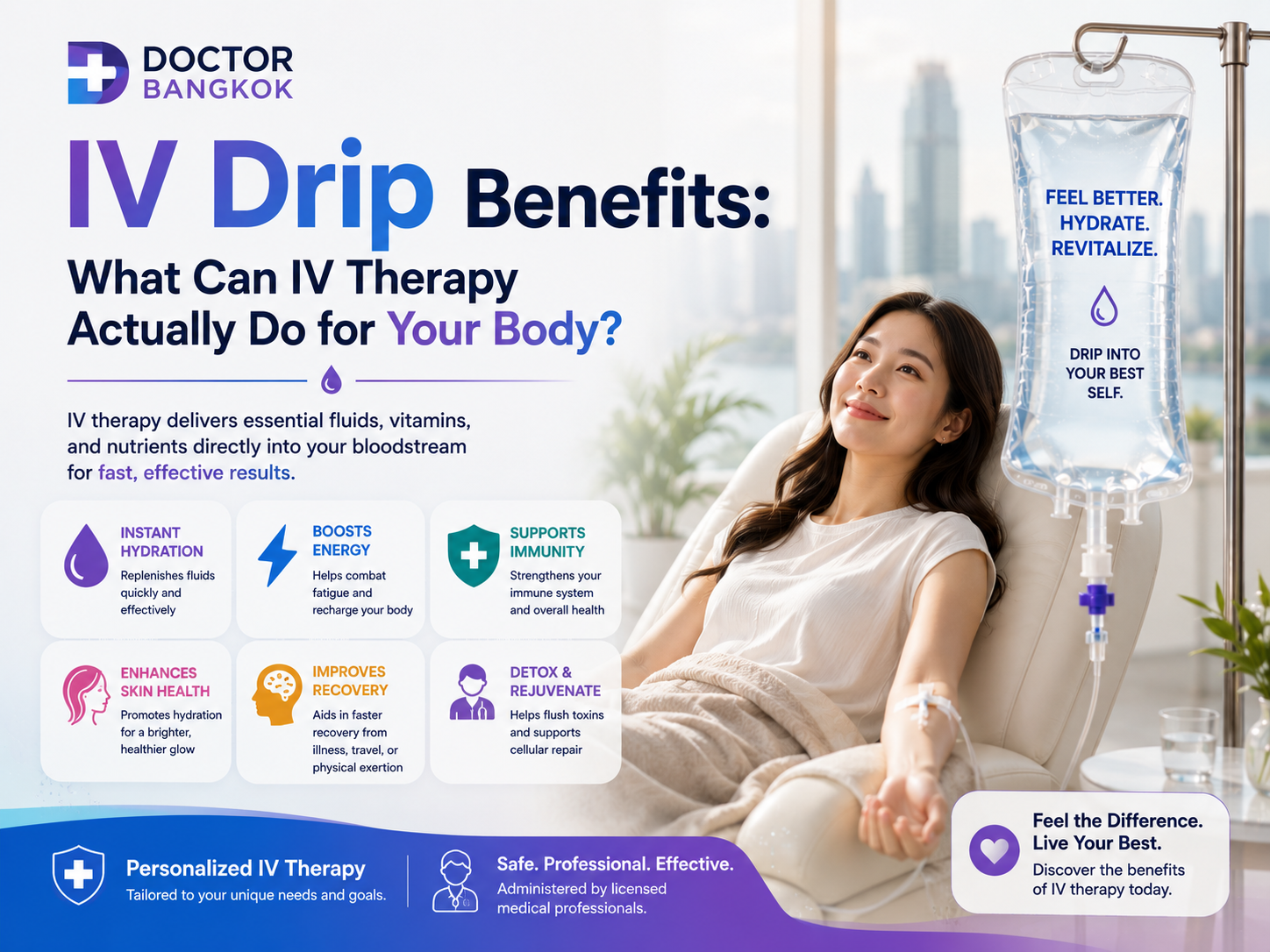
IV drip therapy delivers vitamins, minerals, and fluids directly into the bloodstream, achieving near-complete bioavailability compared to the variable absorption of oral supplements. The evidence is strongest for rapid rehydration, electrolyte correction, migraine relief with IV magnesium, and energy recovery in depleted patients. Benefits for skin, immunity, and athletic performance are real but more modest, and the honest answer on how much you will notice depends largely on your baseline health and what you are actually deficient in.
Bangkok is one of the busiest cities in the world for IV therapy outside of clinical medicine. Expats use it to manage the cumulative effects of heat and humidity. Travellers use it for post-flight recovery and hangover relief. Health-conscious residents use it for vitamin support and skin health. The range of marketed benefits is wide, and the quality of evidence behind each claim varies considerably.
This article covers what IV therapy actually does, benefit by benefit, with an honest assessment of the evidence for each. It also addresses two questions most IV drip articles ignore: how long the benefits actually last, and when they are likely to be marginal because your baseline health does not require them.
Doctor Bangkok offers physician-supervised IV drip therapy in Bangkok across a full range of formulations. A physician consultation before every session confirms which drip is appropriate for your specific situation.

Why IV Delivery Produces Different Results Than Oral Supplements
The core mechanism behind IV therapy’s benefits is bioavailability: the proportion of a nutrient that reaches your bloodstream in a usable form. For oral supplements, this is limited by several factors that IV delivery bypasses entirely.
First-pass hepatic metabolism means that certain nutrients absorbed through the gut pass through the liver before reaching systemic circulation, where a proportion is broken down before it reaches target tissues. Intestinal absorption capacity imposes a ceiling on how much of certain nutrients the gut can absorb at once, regardless of the oral dose. Digestive conditions including low stomach acid, inflammatory bowel disease, and the effects of certain medications reduce absorption further. Individual variation in gut microbiome composition, enzyme activity, and mucosal health means that two people taking the same oral supplement absorb meaningfully different amounts.
IV delivery removes all of these variables. The nutrient enters a peripheral vein and reaches systemic circulation within seconds, at or close to the full administered dose. This is why IV vitamin C at 10,000 mg achieves plasma concentrations many times higher than oral vitamin C at the same dose: the intestinal absorption ceiling prevents oral intake from matching what IV delivery achieves.
The practical implication is that IV therapy is most beneficial when the gap between what you need and what oral intake can reliably deliver is significant. For a person with normal digestion, no documented deficiencies, and a well-balanced diet, the marginal benefit of IV supplementation over good oral intake is modest. For a person who is acutely dehydrated, has a documented B12 absorption problem, or needs high-dose vitamin C for immune support, the difference is clinically meaningful.
Benefit by Benefit: What the Evidence Says
Rapid Rehydration
This is where IV therapy has the clearest and most consistent evidence. IV hydration using isotonic saline or lactated Ringer’s solution restores intravascular volume within minutes. The solution is matched to blood plasma osmolarity so it distributes effectively without disrupting cellular fluid balance. For acute dehydration from heat, gastroenteritis, exercise, or alcohol, IV rehydration produces measurable improvement in blood pressure, heart rate, and subjective symptoms during the infusion itself.
In Bangkok’s climate, this benefit is particularly relevant. Average temperatures above 34 degrees Celsius combined with humidity above 75 percent accelerate fluid and electrolyte loss substantially. Expats in the first weeks after arriving, travellers who have underestimated fluid needs, and anyone who spent time outdoors in peak heat can reach moderate dehydration quickly. A one-litre IV hydration drip corrects this in 45 minutes. Oral rehydration achieves the same endpoint over two to three hours if nausea is not a complicating factor.
Electrolyte Correction
Electrolytes, primarily sodium, potassium, magnesium, and chloride, regulate nerve function, muscle contraction, cardiac rhythm, and fluid distribution across cell membranes. Sweat, alcohol, vomiting, and diarrhoea deplete electrolytes alongside water. Replacing water without replacing electrolytes, which is what most people do when they drink plain water after heavy sweating, leaves the electrolyte deficit unaddressed.
IV electrolyte replacement corrects this directly and completely. Lactated Ringer’s solution provides a balanced electrolyte profile in a single bag. Specific deficits identified by blood testing can be supplemented individually, with potassium and magnesium being the most commonly added. The clinical benefit of correcting electrolyte deficits includes resolution of muscle cramps, improved cardiac rhythm stability, and restoration of the nerve signalling needed for normal energy and cognitive function.
Energy and Fatigue
B vitamins are cofactors for the metabolic pathways that convert carbohydrates, fats, and proteins into ATP, the cellular energy currency. B1 (thiamine) is essential for glucose metabolism. B6 (pyridoxine) participates in amino acid metabolism and neurotransmitter synthesis. B12 (cobalamin) is required for myelin production and red blood cell formation. When any of these are depleted, the downstream effect is fatigue that is not resolved by sleep alone.
IV B vitamins raise plasma concentrations rapidly and bypass any gut absorption limitation, which is particularly relevant for B12, where absorption depends on intrinsic factor produced by the stomach lining. Alcohol depletes B vitamins significantly, which is a large part of why post-alcohol fatigue persists beyond rehydration. People on long-term metformin, those with atrophic gastritis, and strict vegetarians often have chronically low B12 that oral supplementation does not fully correct.
The honest qualification is that if your B vitamin levels are already adequate, supplementing further through IV therapy produces modest subjective effects. The benefit is proportional to the depletion. Myers’ Cocktail, a common formulation combining B-complex, vitamin C, and magnesium, has a reasonable evidence base for fatigue and general wellness, though the effect size in well-nourished healthy individuals is smaller than in those with documented deficiencies.
Migraine Relief
IV magnesium sulfate is among the best-evidenced applications of IV therapy outside of hospital medicine. Magnesium deficiency is significantly more common in migraine sufferers than in the general population, and low magnesium lowers the threshold for cortical spreading depression, the neurological event that triggers a migraine attack. IV magnesium stabilises neuronal excitability and reduces cerebrovascular reactivity, and clinical trials support its use for both acute migraine and preventive protocols.
The IV route is superior to oral magnesium for migraine specifically because oral magnesium at therapeutic doses causes diarrhoea in a significant proportion of patients, limiting the achievable dose. IV administration delivers one to two grams of magnesium sulfate directly into circulation without this limitation. An antiemetic such as ondansetron is frequently added to the formulation because nausea accompanies most migraine episodes and makes oral medications difficult to retain. The combination can abort an active migraine within thirty to sixty minutes in patients who respond to magnesium.
Immune Support
High-dose vitamin C administered intravenously reaches plasma concentrations fifty to a hundred times higher than oral dosing can achieve. At these concentrations vitamin C acts as a pro-oxidant in the extracellular environment, generating hydrogen peroxide selectively in tissues with low catalase activity, and has documented antiviral effects in several clinical contexts. It also supports neutrophil and lymphocyte function and reduces the duration of oxidative stress that accompanies acute infections.
Zinc supports immune cell development, proliferation, and signalling. Glutathione reduces oxidative stress that impairs immune cell function during illness. These nutrients have meaningful immune roles, and IV delivery ensures they reach therapeutic concentrations regardless of gut absorption status.
The evidence is stronger for supporting recovery during or after illness than for preventing illness in healthy individuals with adequate baseline nutrition. A well-nourished person with normal immune function will not notice a dramatic preventive benefit from regular IV vitamin C. Someone recovering from a viral illness, managing significant physical or psychological stress, or with documented low vitamin C may notice a more meaningful effect.
Athletic Recovery
Intense exercise depletes electrolytes through sweat, generates reactive oxygen species that damage muscle tissue, and accumulates metabolic waste products including lactic acid. IV recovery drips address these simultaneously: electrolyte replacement restores membrane potential and reduces cramping, amino acids support muscle protein synthesis and repair, and antioxidants including vitamin C and glutathione reduce exercise-induced oxidative damage.
The principal clinical advantage over oral recovery strategies is speed. Oral electrolyte drinks and protein shakes work, but they depend on gut absorption and take two to three hours to reach peak circulation. IV delivery compresses this to 45 minutes, which matters for athletes with back-to-back training days, tournament schedules, or competition timetables where recovery time is the limiting factor.
Skin Health and Glutathione
Glutathione is the body’s primary intracellular antioxidant, produced in every cell but concentrated in the liver. IV glutathione raises plasma concentrations transiently. Its most researched cosmetic application is inhibition of tyrosinase, the enzyme involved in melanin synthesis, which produces a skin brightening effect with repeated treatment. Several small clinical studies support this mechanism, though the evidence for cosmetic endpoints is weaker than for the antioxidant and immune support applications.
Vitamin C supports collagen synthesis directly as a cofactor for the hydroxylation of proline and lysine, the biochemical steps that give collagen fibres their tensile strength and stability. IV vitamin C at high doses ensures these reactions proceed at full capacity regardless of dietary intake. The effect on skin firmness and texture develops over weeks of regular sessions rather than being apparent after a single treatment.
The honest framing for skin IV drips is that they support the biological substrate for healthy skin. They do not replace sun protection, sleep, or a consistent skincare routine. At Doctor Bangkok, the physician consultation includes an honest conversation about what is realistic given your baseline health, skin type, and treatment frequency.
Hangover Recovery
A hangover is a combination of dehydration, electrolyte depletion, B vitamin depletion, and acetaldehyde toxicity from alcohol metabolism. IV hangover drips address the first three directly and support the fourth through antioxidant delivery. A well-formulated hangover drip provides isotonic saline or lactated Ringer’s for fluid volume, electrolytes for the sodium, potassium, and magnesium depleted by alcohol’s diuretic effect, B vitamins (particularly thiamine and B12) depleted by alcohol metabolism, and an antiemetic if nausea is present.
This is one of the most requested treatments at Doctor Bangkok, particularly from expats and medical tourists. The subjective improvement is typically noticeable within thirty minutes. It does not accelerate the elimination of alcohol from the body or remove acetaldehyde faster than the liver processes it, but it removes the dehydration and nutrient depletion component of how bad you feel, which is often the majority of the discomfort.
Liver Antioxidant Support
Claims that IV therapy detoxifies the body are frequently overstated in marketing. The liver and kidneys perform detoxification continuously through enzymatic pathways that do not require external supplementation in healthy individuals. What IV antioxidant therapy can legitimately do is support the liver’s own detoxification processes by providing substrates it uses: glutathione as a direct conjugating agent for metabolic waste products, vitamin C to reduce oxidative stress during high metabolic load, and amino acids including cysteine and glycine as precursors for endogenous glutathione synthesis.
This is meaningfully different from claiming that an IV drip removes environmental toxins. The liver’s Phase I and Phase II detoxification enzymes do that work. IV antioxidants reduce the oxidative burden on the liver during periods of high load, such as after significant alcohol intake, illness, or intense physical exertion. That is a real and clinically reasonable benefit. It is not the same as detoxification in the broad marketing sense.
Cognitive Function
Dehydration at one to two percent of body weight produces measurable impairment in short-term memory, attention, and processing speed. IV rehydration corrects this within the session. B vitamins support neurotransmitter synthesis and myelin maintenance, and their replenishment supports cognitive function in proportion to the degree of depletion. Magnesium participates in over 300 enzymatic reactions including those involved in nerve signal transmission.
The honest position is that IV therapy improves cognitive function when cognition is impaired by dehydration or nutrient deficiency. It does not enhance cognitive performance beyond a healthy baseline in a well-nourished, well-hydrated individual. The clarity people often report after a Myers’ Cocktail is largely the resolution of mild background dehydration and electrolyte imbalance rather than a pharmacological cognitive enhancement.

Benefits Overview
| Benefit | Evidence Level | Best Formulation | Onset |
| Rapid rehydration | Strong | Saline / lactated Ringer’s | During drip |
| Electrolyte correction | Strong | Saline + electrolytes | During drip |
| Energy and fatigue (depletion-related) | Moderate | B-complex, Myers’ Cocktail | 1 to 4 hours |
| Migraine relief | Strong (magnesium) | Magnesium sulfate + antiemetic | 30 to 60 min |
| Immune support | Moderate | High-dose vitamin C, zinc | Hours to days |
| Athletic recovery | Moderate | Electrolytes, amino acids | Within 1 hour |
| Skin radiance (glutathione) | Limited (cosmetic claims) | Glutathione + vitamin C | Multiple sessions |
| Hangover recovery | Moderate | Saline, B vitamins, ondansetron | 30 to 60 min |
| Collagen synthesis support | Limited | High-dose vitamin C | Weeks (repeated) |
How Long Do IV Drip Benefits Last?
This is one of the most common questions at Doctor Bangkok’s clinic and one that most IV therapy articles do not address directly. The honest answer is that it varies substantially by benefit type.
| Benefit | How Long It Lasts | Notes |
| Rehydration | 24 to 48 hours | Maintained with oral fluid intake |
| Energy from B vitamins | 2 to 5 days | Shorter if baseline deficiency is significant |
| Migraine relief | Hours to days per episode | Preventive protocols extend benefit |
| Immune support | 3 to 7 days | Depends on starting vitamin C status |
| Skin glutathione effect | Weeks with regular sessions | Not permanent after single treatment |
| Athletic recovery | Session to session | Adjunct to sleep and nutrition |
| Hangover recovery | Same day | Addresses dehydration and nutrient loss |
The pattern is consistent. Benefits that address acute physiological deficits, rehydration, electrolyte correction, hangover recovery, resolve quickly because the body restores equilibrium once the deficit is corrected. Benefits that require ongoing substrate availability for biochemical processes, energy metabolism, collagen synthesis, immune function, last longer but are not permanent after a single session. Cosmetic benefits from glutathione develop gradually with repeated treatment and fade without maintenance.
This is why frequency of treatment should be guided by clinical assessment rather than a fixed schedule. A physician can advise on appropriate intervals based on what you are using IV therapy for, your baseline health status, and relevant blood results. At Doctor Bangkok, treatment frequency is discussed at the consultation and adjusted based on response.
When IV Drip Benefits Are Likely to Be Modest
IV therapy is most beneficial when there is a real deficit to correct. If you are well-nourished, well-hydrated, and have no documented nutrient deficiencies, the additional benefit of IV supplementation over good oral intake is real but smaller than the benefit experienced by someone who is depleted.
Bangkok’s environment tilts this calculation toward IV therapy being more useful than it would be in temperate climates. Heat-related fluid and electrolyte loss, the disruption of long-haul travel, the B-vitamin depletion from social alcohol consumption, and the oxidative stress of city air and sun exposure all create conditions where supplementation has more substrate to work with.
A physician consultation before treatment helps you understand where on this spectrum your situation falls. If the honest assessment is that your oral intake is adequate and IV therapy would provide marginal benefit, you will be told so at Doctor Bangkok. The goal is a treatment that produces a result you notice, not a session that is indistinguishable from doing nothing.
Safety: What to Know Before Booking
IV therapy carries procedural risks that are manageable with proper clinical oversight and should not be minimised. Bruising and discomfort at the venepuncture site are the most common. Phlebitis, an inflammation of the vein wall, can develop with repeated sessions or if the catheter gauge is not matched to the vein. Allergic reactions to any ingredient in the formulation are possible and require an anaphylaxis kit on-site. Fluid overload is a concern for patients with heart failure or significant kidney disease.
Pre-treatment screening is the primary safeguard against all of these. At Doctor Bangkok, every session begins with a physician consultation covering medical history, current medications, allergies, and relevant conditions. Vital signs are checked before the drip begins. All ingredients are pharmaceutical-grade and registered with the Thai FDA, อย., for intravenous use. Emergency equipment including epinephrine and oxygen is maintained on-site throughout every session.
Full details on safety standards and what to expect during a session are covered on the Doctor Bangkok IV drip page.
IV drip benefits are real, but they are proportional to what your body actually needs. A physician consultation at Doctor Bangkok takes ten minutes and tells you honestly which formulation will produce a result you notice, and which benefits apply to your situation. Book or enquire here.
Frequently Asked Questions
What are the main benefits of IV drip therapy?
The most evidence-supported benefits are rapid rehydration, electrolyte correction, migraine relief with IV magnesium, energy recovery in B-vitamin-depleted patients, and immune support with high-dose vitamin C. Athletic recovery, skin health from glutathione, and hangover relief are well-established secondary benefits. The degree of benefit depends on your baseline health and what you are actually deficient in.
How long do the benefits of an IV drip last?
Hydration and hangover recovery benefits last one to two days. Energy benefits from B vitamins typically last two to five days depending on baseline depletion. Migraine relief lasts hours to days per episode with acute treatment, longer with a preventive protocol. Skin glutathione effects develop over multiple sessions and fade without maintenance. A physician at Doctor Bangkok can advise on the right frequency for your specific goals.
Are IV drip benefits real or just placebo?
For rehydration and electrolyte correction, the benefits are physiologically measurable and not placebo. For energy, immune support, and migraine relief, clinical evidence supports real effects in patients with relevant deficiencies or conditions. The placebo component exists for any treatment, but the core mechanisms of IV therapy are pharmacologically sound. The honest caveat is that well-nourished healthy individuals experience smaller objective benefits than those with documented deficits.
What is the best IV drip for energy?
Myers’ Cocktail, combining B-complex vitamins, vitamin C, magnesium, and calcium in a saline base, is the most widely used and best-evidenced formulation for fatigue and energy. A standalone B-complex drip is appropriate if the fatigue is specifically linked to B-vitamin depletion. The physician consultation at Doctor Bangkok will determine which formulation matches your actual presentation.
What is the best IV drip for skin?
Glutathione combined with high-dose vitamin C is the standard formulation for skin-focused IV therapy in Bangkok. Glutathione inhibits tyrosinase to reduce melanin synthesis. Vitamin C supports collagen synthesis and provides antioxidant protection. Results develop over multiple sessions. A single treatment produces transient antioxidant effects but not lasting cosmetic change.
Can IV therapy help with hangovers?
Yes. IV hangover drips are one of the most clinically straightforward IV applications. They address dehydration, electrolyte depletion, and B-vitamin loss, which together constitute the majority of hangover symptoms. An antiemetic can be added if nausea is significant. Most patients notice meaningful improvement within thirty to sixty minutes of the drip starting.
Is IV drip therapy better than oral supplements?
For specific situations, yes. IV therapy is clearly superior when oral intake is compromised by nausea, when therapeutic plasma concentrations exceed what oral dosing can achieve (high-dose vitamin C), when rapid correction is needed, or when gut absorption is impaired. For healthy individuals with adequate diets and no absorption issues, the difference is smaller. A physician consultation will tell you honestly which category applies to you.
How often should I get IV drip therapy in Bangkok?
For general wellness maintenance, most physicians recommend no more than once every two to four weeks. Targeted courses for immune support, skin health, or migraine prevention may involve weekly sessions for four to six weeks followed by monthly maintenance. Frequency should be based on clinical assessment and, where relevant, blood results, not a fixed commercial schedule.
Is IV drip therapy safe in Bangkok?
It is safe at a clinic that meets the clinical requirements: physician on-site, pharmaceutical-grade Thai FDA-registered ingredients, single-use sterile equipment, pre-treatment assessment including vital signs, and emergency equipment available. Ask directly before booking whether a licensed physician is on-site during your session and whether you will receive the full ingredient list with concentrations before the drip begins.
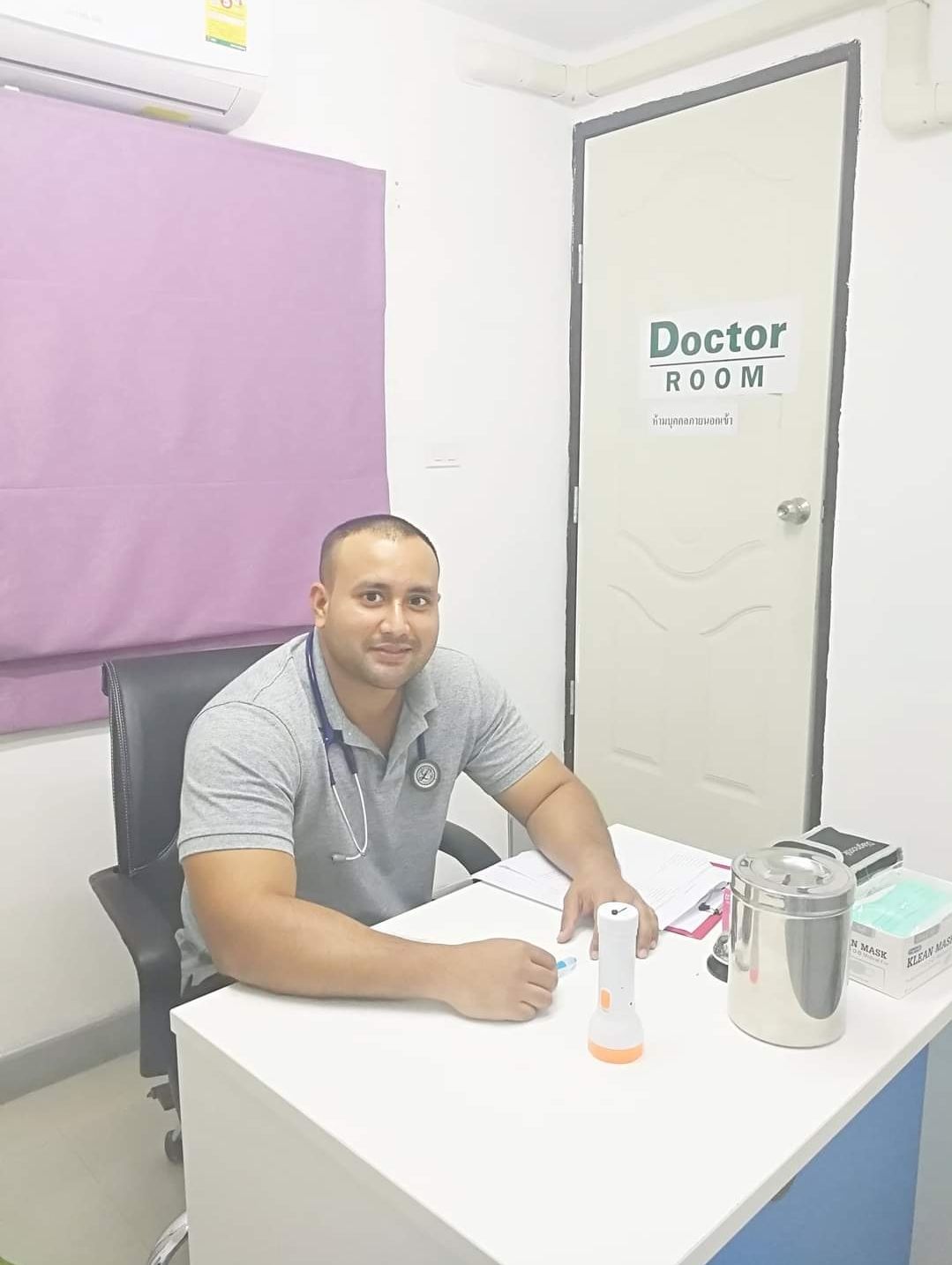
Dr. Ponlawat Pitsuwan is a physician at Doctor Bangkok, a private clinic in central Bangkok. He sees expats, residents, and medical tourists for general medicine, wellness consultations, and IV therapy. His focus is straightforward, evidence-based care delivered in plain language.